
Hear from Our Customers
You stop worrying every time someone in your house coughs or sneezes. The air smells clean again. Your basement doesn’t feel like a damp cave you avoid.
When mold gets removed the right way, you’re not just masking a problem. You’re protecting your family’s respiratory health and keeping allergens and irritants out of the air they breathe every day. Studies show that 30-50% of asthma-related health issues link directly to mold and dampness in buildings—so getting this handled matters.
You also protect your property value. Homes with documented mold problems can lose nearly $20,000 in resale value if left unresolved. But when you address it with professional remediation, you’re keeping your biggest investment intact. If you’re buying, selling, or refinancing in Dolington, clean documentation from a mold removal specialist makes the process smoother and faster.
We’ve been serving homeowners in Dolington and throughout Bucks County for years. We’re not a national franchise with a call center—when you dial 215-431-4744, you’re talking to someone who knows this area’s climate, housing stock, and exactly how mold behaves here.
Bucks County’s humid summers and damp winters turn older basements into breeding grounds for mold and mildew. We’ve seen it all: hidden growth behind kitchen cabinets, black mold in crawl spaces, attic contamination after roof leaks. Our team has gone through comprehensive training in EPA-approved methods, and we use industry-grade equipment to detect and remove mold spores safely.
You’re not getting a sales pitch. You’re getting honest answers about what’s growing in your home, why it’s there, and what it takes to fix it for good.
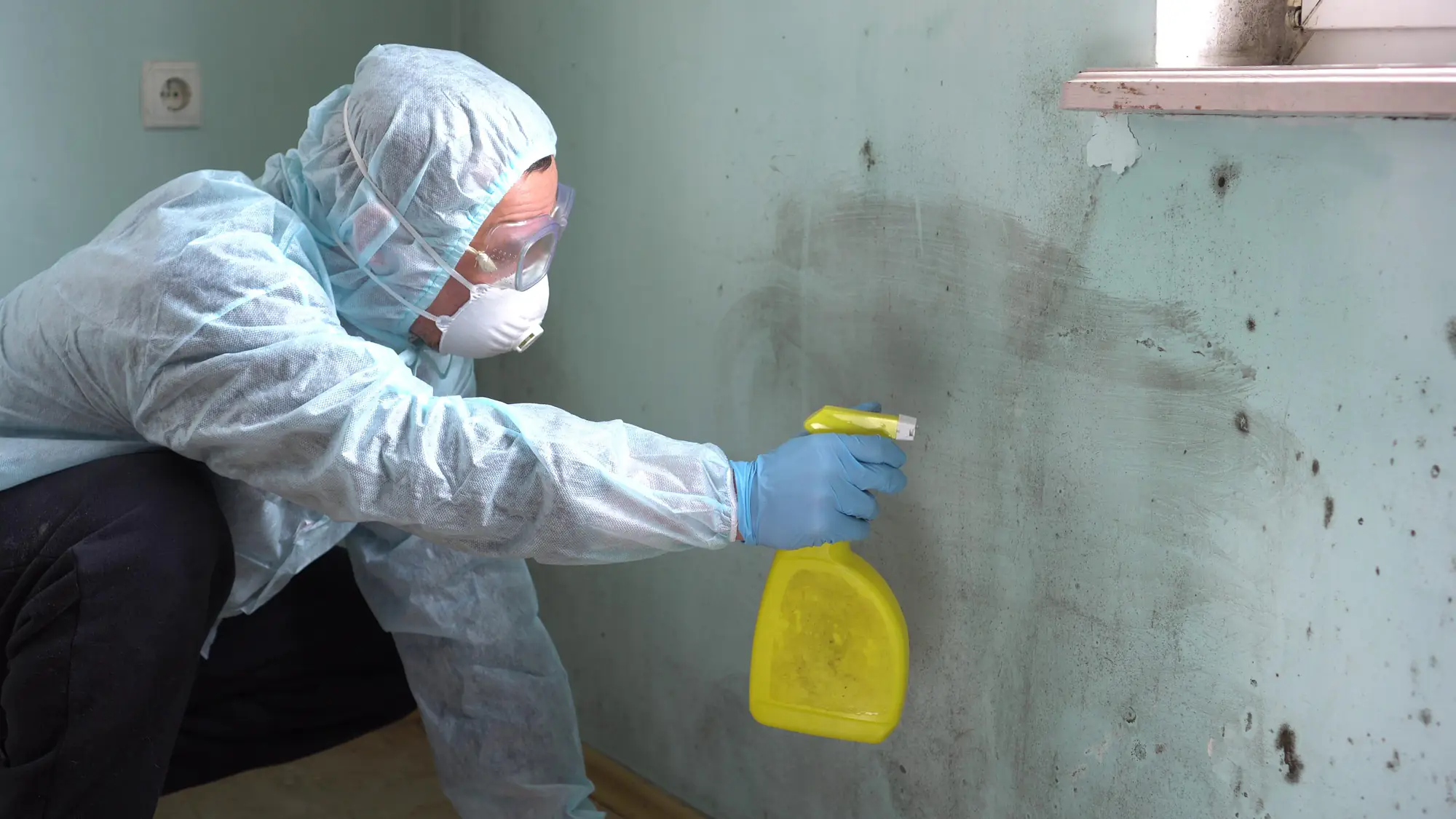
First, we come out and inspect your property. We’re looking for visible mold, but also testing air quality and checking hidden areas where mold loves to grow—behind walls, under floors, in HVAC systems. We use professional equipment to analyze what’s in your air and identify the moisture sources feeding the problem.
Once we know what we’re dealing with, we give you a clear remediation plan. No jargon, no upselling. Just what needs to happen, how long it takes, and what it costs. Then we contain the affected area to prevent spores from spreading during removal, use HEPA filtration to clean the air, and remove contaminated materials safely.
But here’s the part most companies skip: we fix the moisture problem that caused the mold in the first place. If your basement has humidity above 60%, if there’s a leak you didn’t know about, if your ventilation isn’t working—we address it. Otherwise, the mold just comes back in a few months, and you’re paying for the same job twice.
You get documentation of everything we did, which matters if you’re dealing with insurance claims or real estate transactions. Pennsylvania law requires sellers to disclose known mold issues, so having professional records protects you legally and financially.
Ready to get started?
You get a thorough inspection that covers every area where mold typically hides in Dolington homes. That means basements, crawl spaces, attics, behind appliances, inside HVAC systems, and anywhere water damage has occurred. We test air quality and take samples when needed to identify exactly what type of mold you’re dealing with.
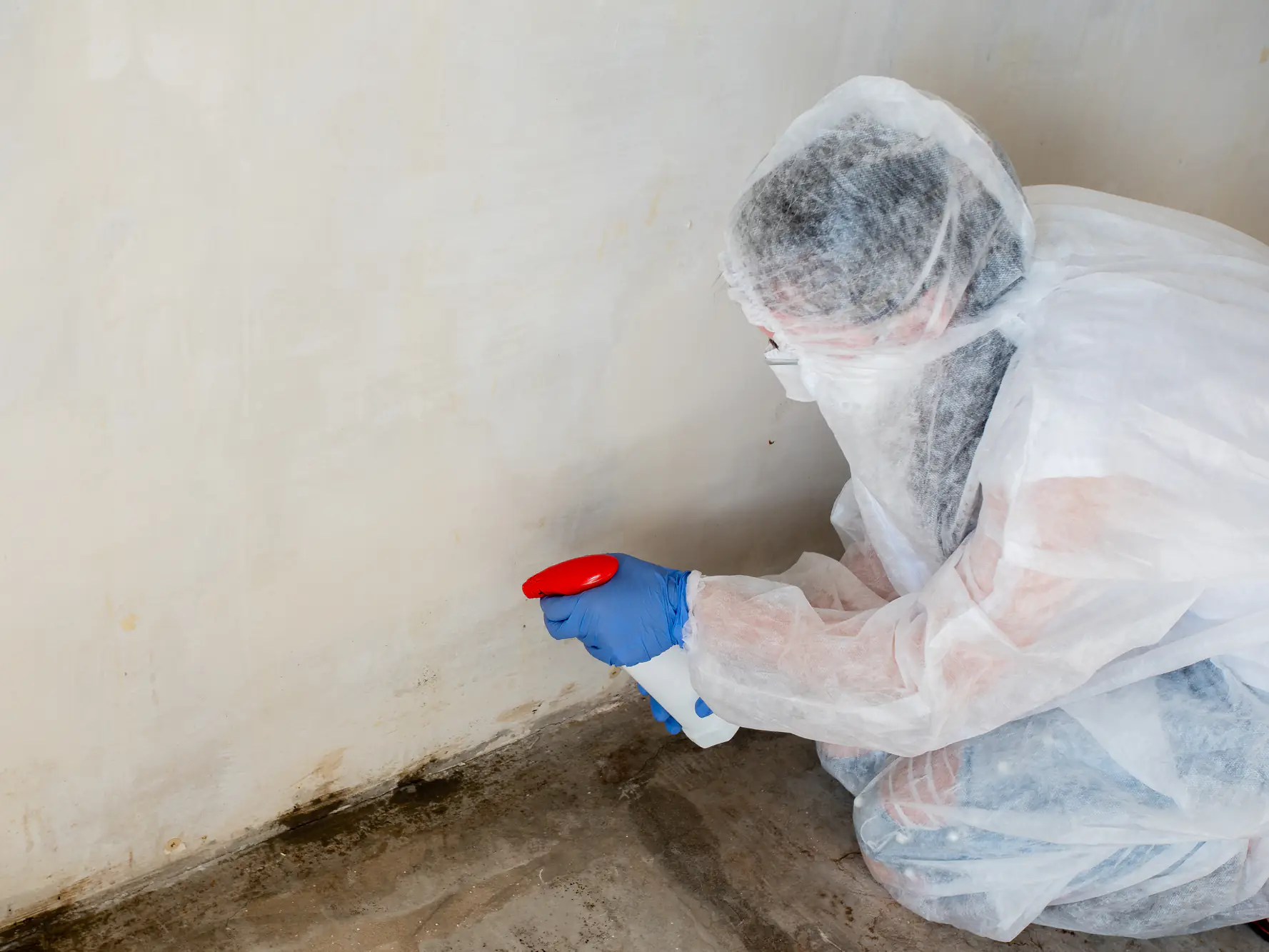
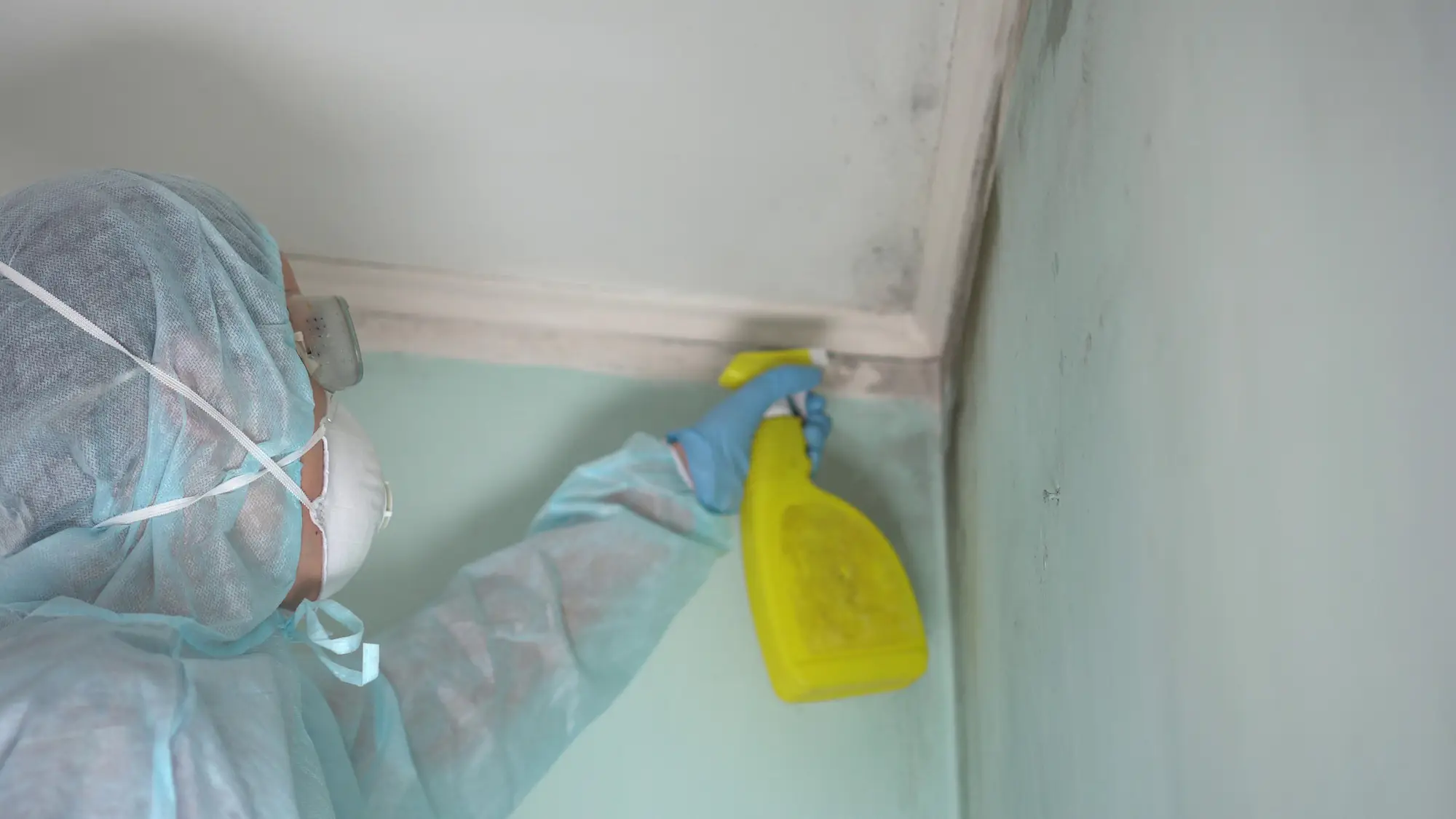
During remediation, we contain the work area with physical barriers and negative air pressure to keep spores from spreading to clean areas of your home. We remove all contaminated materials—drywall, insulation, flooring, whatever can’t be salvaged. Then we treat affected surfaces with antimicrobial solutions and use HEPA air scrubbers to clean the air.
The difference between mold removal specialists and general contractors is what happens next. We don’t just tear out moldy drywall and leave. We identify why moisture accumulated in that spot—whether it’s poor drainage around your foundation, a plumbing leak, condensation from inadequate ventilation, or Bucks County’s notoriously humid summer air. Then we give you a prevention plan so you’re not calling us back next year.
Timing matters here. Late March through early April is ideal for spring inspections after winter moisture accumulation. Mid-July catches summer humidity problems before they get worse. And September through November is when you want a comprehensive check before winter sets in. Mold spore counts in this area peak during humid months, so catching problems early saves you money and health headaches.

We typically respond within 24-48 hours for inspections and consultations. If you’ve just had water damage—from a burst pipe, flooding, roof leak, or sewage backup—that timeline matters because mold can start growing within 24-72 hours in the right conditions.
Speed matters most after water events. The longer moisture sits, the more mold spreads, and the more expensive remediation becomes. We prioritize emergency calls where active water damage is present or where health symptoms are severe.
For routine inspections or suspected mold that’s been there a while, we’ll schedule you as quickly as our calendar allows. Either way, when you call 215-431-4744, you’re talking to our local team, not a national call center that routes you to the next available contractor three states away.
Mold removal means getting rid of visible mold growth. Mold remediation means removing the mold and fixing the conditions that caused it so it doesn’t come back. Most homeowners need remediation, not just removal.
Here’s why that matters: if someone tears out your moldy drywall but doesn’t address the leak, poor ventilation, or humidity problem that caused it, you’ll have mold again within months. You’ve paid for temporary relief, not a solution.
Remediation includes identifying moisture sources, improving ventilation, controlling humidity levels (ideally between 30-50%), and treating affected areas with antimicrobial solutions. In Bucks County, where basements stay damp and summers get humid, this step is critical. Without it, you’re just paying for the same job twice.
If you can see mold, you don’t always need testing to confirm it’s there—you need it removed. But testing helps in a few specific situations: when you smell mold but can’t find it, when you’re experiencing health symptoms without an obvious source, or when you need documentation for insurance or real estate purposes.
Testing identifies what type of mold you’re dealing with and measures spore counts in your air. That matters because some molds produce mycotoxins that are more dangerous than others, and knowing what you’re dealing with helps us choose the right remediation approach.
For real estate transactions in Pennsylvania, testing and documentation are often required. Buyers want proof the problem is gone, and sellers need records showing they’ve disclosed and addressed known issues. We provide the reports you need to move forward with confidence.
It depends on what caused the mold. Most homeowners insurance policies cover mold remediation if it resulted from a “covered peril”—like a sudden pipe burst, storm damage, or appliance malfunction. They typically won’t cover mold from long-term neglect, poor maintenance, or flooding (which requires separate flood insurance).
The key is documenting everything and acting fast. Insurance companies want to see that you addressed water damage promptly and didn’t let mold grow for months before filing a claim. We provide detailed reports and documentation that support your claim and show we used EPA-approved methods.
Before we start work, review your policy or call your insurance agent to understand your coverage. We can work directly with your insurance company and provide the documentation they need, but knowing your coverage upfront prevents surprises. Some policies have specific limits on mold remediation costs, so it’s worth checking before we begin.
Common symptoms include sneezing, runny nose, red or itchy eyes, skin rashes, throat irritation, and persistent coughing—basically hay fever symptoms that don’t go away. If these symptoms improve when you leave your house and return when you come back, mold exposure is a likely cause.
More serious reactions include difficulty breathing, chest tightness, and asthma attacks, especially in children or people with existing respiratory conditions. Research on 40,000+ children found that 11% of those exposed to household mold developed asthma, compared to 7% who weren’t exposed. That’s a significant difference.
If you’re experiencing these symptoms, get a professional inspection. Mold often hides in places you can’t see—inside walls, under flooring, in HVAC ducts, behind cabinets. You might smell it (a musty, earthy odor) before you see it. Air quality testing identifies what’s in your air and confirms whether mold is the culprit. Don’t wait until symptoms get worse or until someone in your family ends up in urgent care.
Get it professionally remediated before listing, and keep all the documentation. Pennsylvania law requires sellers to disclose known defects, including mold problems. If you try to hide it, you’re opening yourself up to legal trouble and potentially killing the deal when the buyer’s inspector finds it anyway.
Mold is one of the fastest deal-breakers in Bucks County real estate. Buyers see it and either walk away or demand major price reductions—sometimes $20,000 or more. But when you handle it proactively with a mold remediation company, you show buyers the problem has been professionally resolved, and you have the documentation to prove it.
We provide detailed reports showing what we found, what we removed, how we treated affected areas, and what we did to prevent recurrence. That paperwork gives buyers and their lenders confidence. It also protects you from future liability claims. Handle it right, document everything, and you’ll close faster with fewer headaches.
Other Services we provide in Dolington