
Hear from Our Customers
You stop waking up congested. Your kids aren’t coughing at night. The musty smell in the basement finally disappears.
That’s what complete mold removal looks like. Not just scrubbing what you can see, but finding where it’s hiding, why it grew in the first place, and making sure it doesn’t come back.
Humidity in Hinkletown and across Bucks County creates the perfect conditions for mold growth. Basements, crawl spaces, bathrooms—anywhere moisture sits too long becomes a problem. Most homeowners don’t realize they have mold until someone gets sick or they smell something off.
When mold is removed correctly, your indoor air quality improves immediately. Allergy symptoms ease up. You’re not second-guessing whether your home is safe. And if you ever sell, you won’t be dealing with buyers backing out because of a mold history.
We’ve been helping Hinkletown and Bucks County homeowners deal with mold for years. We’re not a national franchise following a script. We’re local mold removal specialists who understand how Pennsylvania homes are built and where problems typically show up.
Our team includes certified mold remediation specialists who use EPA-approved methods and advanced detection equipment. We don’t guess where mold is—we test, we measure, and we document everything.
You’ll work with the same crew from inspection through final clearance. No handoffs, no confusion. Just clear communication and a home that’s actually safe when we’re done.
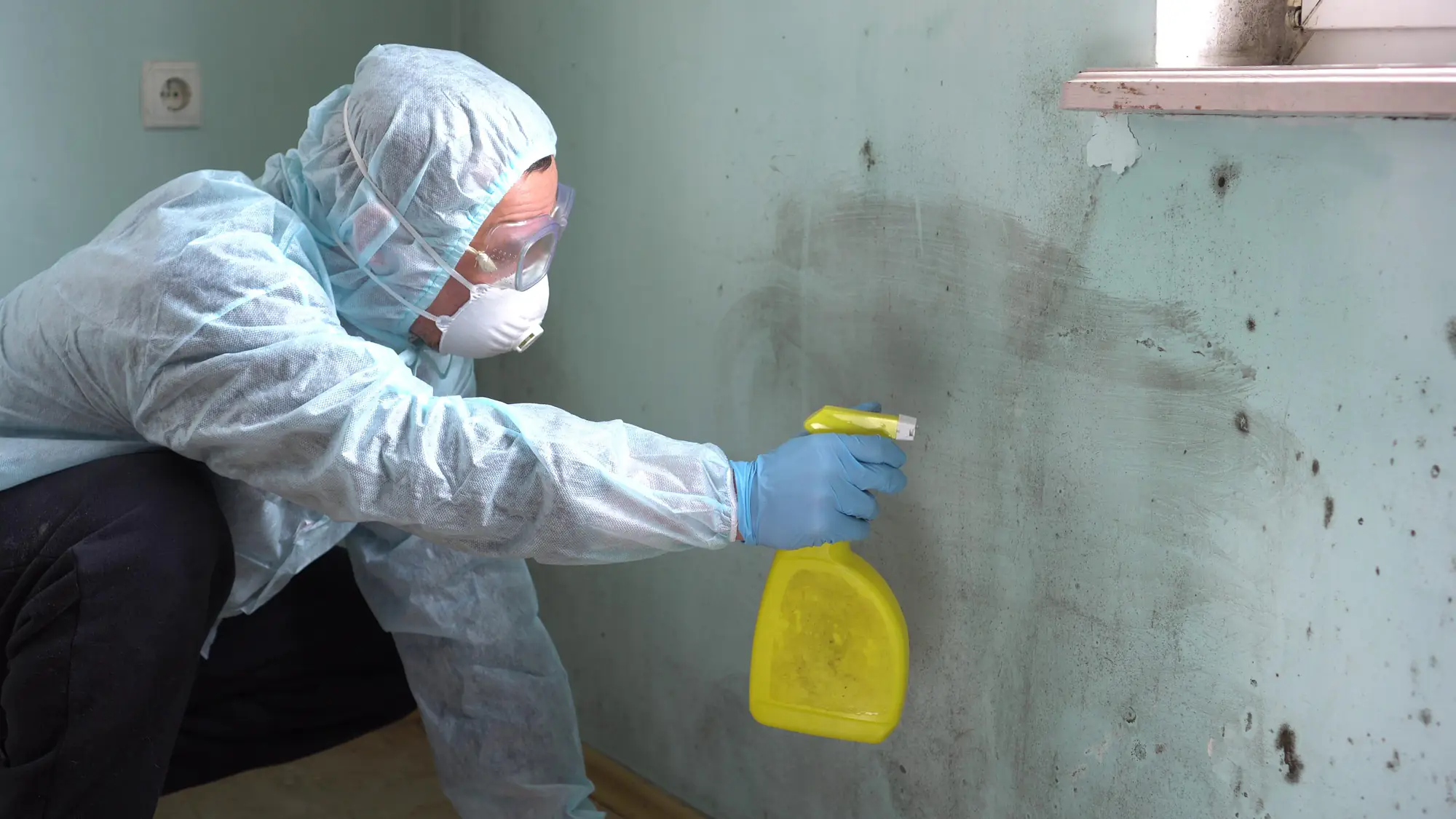
It starts with a free inspection. We come to your home, check the obvious spots and the hidden ones, and use moisture meters and air quality testing to find exactly what you’re dealing with. You get a written assessment that explains what type of mold we found and how far it’s spread.
Next comes containment and removal. We seal off the affected area so mold spores don’t spread to clean parts of your home. Then we remove contaminated materials safely, using HEPA filtration and proper disposal methods. If it’s black mold or another toxic variety, we follow strict protocols to protect your family and our crew.
After removal, we treat surfaces with antimicrobial solutions and address the moisture problem that caused the mold in the first place. That might mean fixing a leak, improving ventilation, or recommending a dehumidifier. We don’t just remove mold—we remove the conditions that let it grow.
Finally, we test the air again to confirm it’s clean. You get documentation showing the mold is gone and the space is safe. Most jobs in Hinkletown take two to five days depending on severity, and we work with your insurance company if you’re filing a claim.
Ready to get started?
Every mold remediation project includes a certified inspection with moisture mapping and mold testing to identify the exact type and concentration. You need to know what you’re dealing with before anyone starts tearing into walls.
We provide full containment using negative air pressure and physical barriers. This keeps mold spores from spreading to unaffected rooms while we work. It’s not optional—it’s how the job gets done right.
All removal follows EPA and Pennsylvania state guidelines. We’re talking proper PPE, HEPA-filtered vacuums, antimicrobial treatments, and safe disposal of contaminated materials. If drywall or insulation has to come out, it comes out. We don’t try to save materials that are too far gone.
In Bucks County, basement mold is common because of our humidity levels and older home construction. Many homes in Hinkletown were built before modern moisture barriers were standard, which means water intrusion is a recurring issue. We address that as part of the remediation—not just the mold itself, but why it happened.
You also get post-remediation air quality testing and a clearance report. That documentation matters if you’re selling your home or dealing with insurance. It proves the work was done and the air is clean.

If you can see mold, smell mold, or you’re experiencing unexplained respiratory symptoms, you need an inspection. Visible mold is obvious—black or green patches on walls, ceilings, or around windows. But mold often hides behind drywall, under flooring, or in HVAC systems.
The smell is a giveaway. That musty, earthy odor means mold is actively growing somewhere, even if you can’t see it. And if anyone in your home is dealing with constant congestion, coughing, or allergy symptoms that won’t go away, mold exposure could be the cause.
DIY mold removal works for very small areas—like a little spot on bathroom grout. But if it’s larger than a few square feet, if it’s black mold, or if it keeps coming back, you need a mold removal specialist. Scrubbing the surface doesn’t kill what’s growing inside porous materials, and disturbing mold without proper containment spreads spores throughout your home.
Most residential mold removal projects in Hinkletown take two to five days. Small jobs—like a bathroom with mold around the tub—might be done in a day. Larger projects involving multiple rooms, crawl spaces, or significant water damage can take a week or more.
The timeline depends on how much mold there is, where it’s located, and what caused it. If we’re just treating surface mold in a basement corner, that’s quick. If we’re removing drywall, treating framing, and addressing a plumbing leak, it takes longer.
Drying time matters too. After we remove the mold and treat the area, everything has to dry completely before we can close it back up. We use dehumidifiers and air movers to speed up the process, but we won’t rush it. Sealing in moisture just creates another mold problem down the road.
It depends on what caused the mold. If mold grew because of a sudden, covered event—like a burst pipe or storm damage—most policies will cover remediation. If it’s from long-term neglect or a maintenance issue like a slow leak you ignored, probably not.
Insurance companies want to see that the mold resulted from something unexpected, not from deferred maintenance. That’s why documentation matters. We provide detailed reports showing what caused the mold, how extensive it is, and what needs to be done to fix it.
We work with insurance companies regularly and can help you navigate the claims process. That includes providing estimates, photos, and test results your adjuster will need. Some homeowners try to skip the claim to avoid a rate increase, which is understandable. We offer financing options if you’re paying out of pocket, because waiting on mold only makes it worse and more expensive.
Mold removal means getting rid of visible mold. Mold remediation means fixing the entire problem—removal plus addressing what caused it and preventing it from returning. Remediation is the correct term because you can’t remove every single mold spore from a home. Mold spores exist everywhere. The goal is to get levels back to normal and eliminate active growth.
A mold removal specialist doing actual remediation will test the air before and after, contain the work area, remove contaminated materials, treat surfaces, fix moisture issues, and verify the air quality is safe. Just spraying bleach on mold or wiping it down doesn’t accomplish any of that.
In Bucks County, where humidity is a constant issue, remediation has to include moisture control. Otherwise, you’re just cleaning mold that will grow back in a few months. That might mean better ventilation, a dehumidifier, fixing grading around your foundation, or sealing a crawl space. The best mold remediation company doesn’t just remove mold—they make sure your home can’t support new growth.
Black mold—specifically Stachybotrys chartarum—can produce mycotoxins that cause serious health problems, especially with prolonged exposure. Symptoms include respiratory issues, chronic fatigue, headaches, and skin irritation. People with asthma, allergies, or weakened immune systems are at higher risk.
That said, not all black-colored mold is toxic black mold. There are other species that look similar but aren’t as dangerous. The only way to know for sure is through lab testing, which we do during the inspection process.
Regardless of the type, no mold belongs in your living space. Even non-toxic mold can trigger allergies and asthma. The CDC recommends addressing any mold growth as soon as you find it. If you’ve identified black mold or suspect it based on appearance and symptoms your family is experiencing, don’t try to remove it yourself. We use containment protocols and protective equipment specifically because of the health risks. Disturbing it without proper precautions makes exposure worse.
Control moisture and you control mold. Keep indoor humidity below 50% using dehumidifiers, especially in basements and crawl spaces. Fix leaks immediately—plumbing, roof, windows, anywhere water can get in. Make sure bathrooms and kitchens have working exhaust fans that vent outside, not into the attic.
Check areas prone to condensation regularly. That includes around windows, in corners of exterior walls, and anywhere warm air meets cold surfaces. Improve insulation if you’re getting consistent condensation. Make sure your gutters are clean and downspouts direct water away from your foundation.
In Hinkletown and throughout Bucks County, older homes often have poor ventilation and drainage issues. If your basement floods during heavy rain or you notice standing water around your foundation, that needs to be fixed. We’ll tell you the same thing—you can remove mold perfectly, but if moisture comes back, so does mold. We address these issues during remediation and give you specific recommendations based on your home’s construction and the problems we found. Following through on those recommendations is what keeps mold from returning.
Other Services we provide in Hinkletown