
Hear from Our Customers
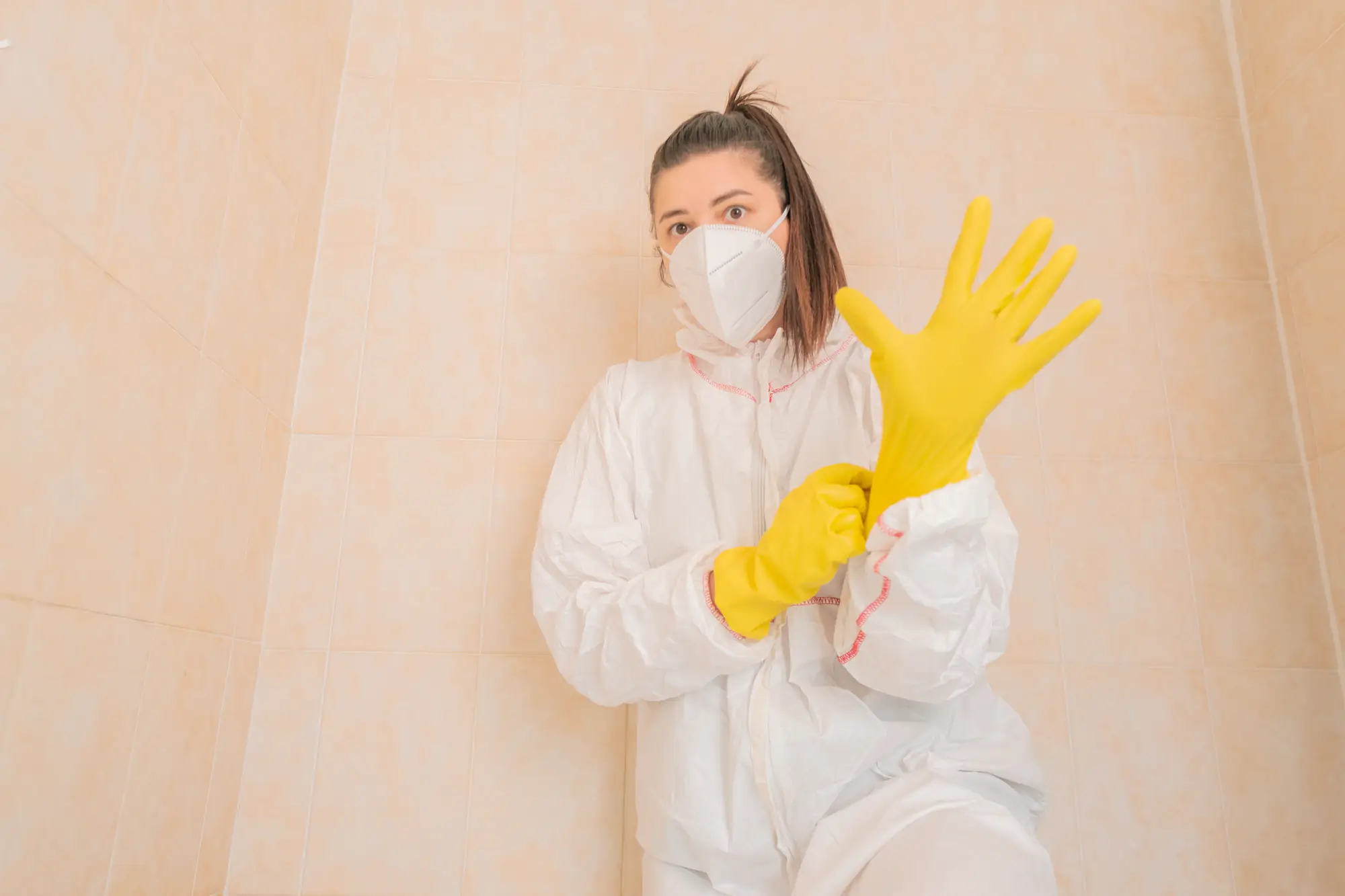
You stop wondering if that musty smell is in your head. You stop worrying every time your kid coughs or your sinuses flare up for no reason. You can finally breathe easier—literally.
Mold doesn’t just sit on surfaces. It spreads behind walls, under floors, into HVAC systems. And if it’s not removed the right way, it comes back worse than before. That’s why half-measures don’t work.
When mold removal is done right, your air clears up. Your home stops feeling damp and heavy. You’re not constantly second-guessing whether you should’ve called someone sooner. And if you’re selling, you’re not stuck explaining a mold problem to buyers who are already nervous.
We’ve been serving Plumsteadville and Bucks County since 2009. We’re not a franchise. We’re not a call center. You work directly with the owner, and problems get handled immediately.
Bucks County’s humidity and older housing stock create perfect conditions for mold. We’ve seen it all—basements that flood every spring, attics with poor ventilation, crawl spaces that haven’t been touched in decades. We know what to look for and how to fix it for good.
Our customers stick with us because we show up when we say we will, we explain what’s happening in plain terms, and we don’t upsell services you don’t need.
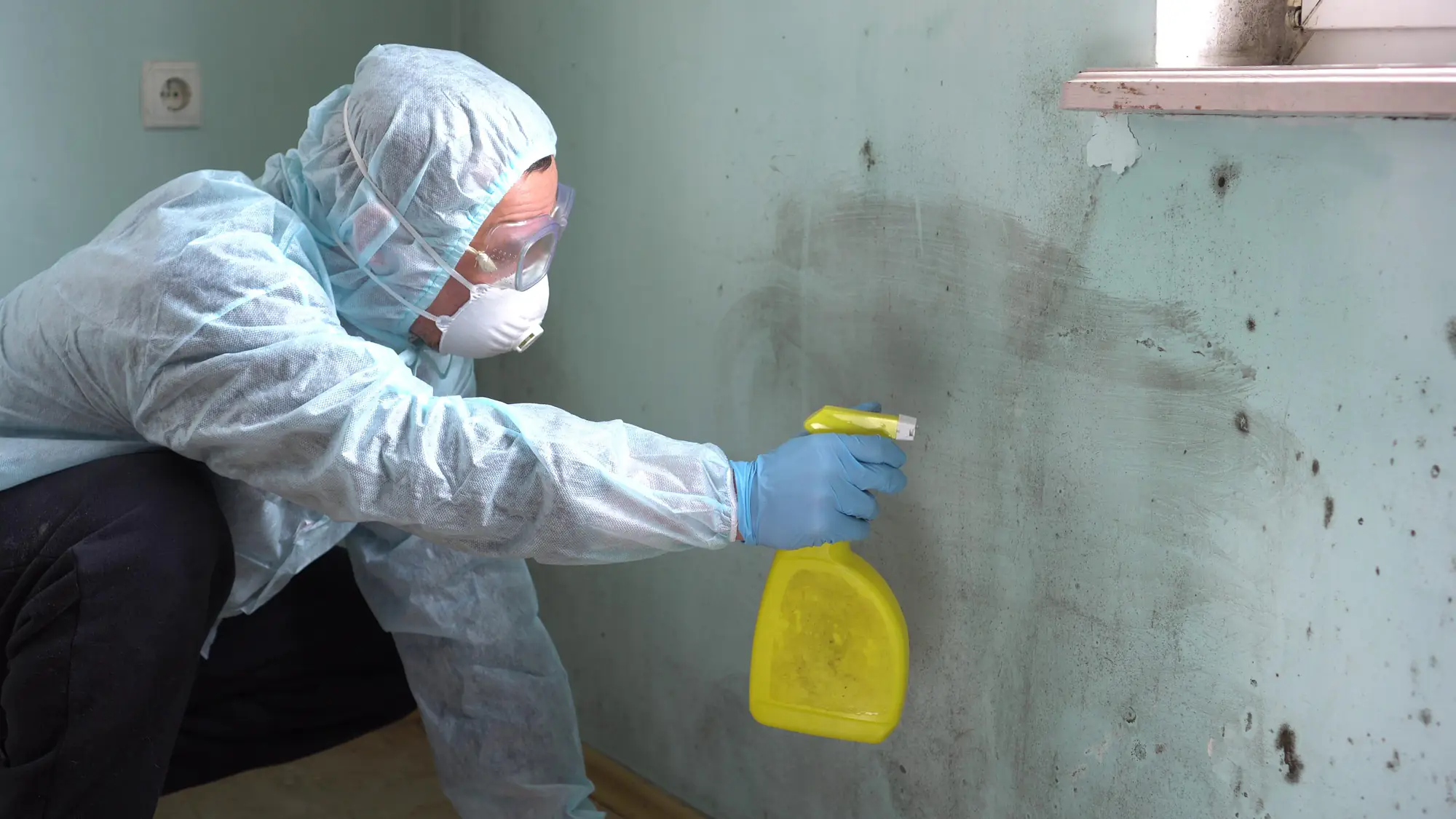
First, we inspect your property. Not just the obvious spots—we check behind walls, in crawl spaces, around HVAC systems, anywhere moisture hides. We use thermal imaging and moisture meters to find mold you can’t see.
Then we contain the area. Mold spreads through the air, so we seal off the workspace with plastic barriers and negative air pressure to keep spores from traveling to clean areas. This step is critical and often skipped by companies that don’t know better.
Next, we remove the mold and any materials that can’t be saved. Drywall, insulation, baseboards—if it’s contaminated, it goes. We don’t just clean the surface and hope for the best. After removal, we treat the area with antimicrobial solutions and verify the air quality before we’re done.
Finally, we help you understand what caused it and how to prevent it. Maybe it’s a leaky pipe, poor ventilation, or a grading issue outside. We’ll tell you what we found so it doesn’t happen again.
Ready to get started?
You get a full inspection with advanced detection tools, not just a visual walkthrough. You get containment that actually works. You get complete removal and proper disposal of contaminated materials. And you get documentation for insurance or real estate transactions if you need it.
In Plumsteadville and surrounding Bucks County, we see a lot of mold tied to basement moisture and poor attic ventilation. Older homes in the area weren’t always built with modern moisture barriers, and that catches up over time. We address the source, not just the symptom.
You also get same-day emergency service when it’s urgent. Mold doesn’t wait for business hours, and neither do we. We’re locally based, so we’re not driving in from two counties over when you need help fast.
Every job comes with a free estimate up front. No surprises, no hidden fees. And if you’re working with insurance, we’ll help you document everything they need to process your claim.

If you smell something musty, see discoloration on walls or ceilings, or notice your allergies acting up indoors, there’s a good chance mold is present. But you can’t always see it or smell it, especially if it’s growing inside walls or under flooring.
Normal moisture evaporates. Mold grows when moisture sticks around—usually because of a leak, condensation, or poor ventilation. If you’ve had any water damage in the past year, even something minor like a slow drip or a roof leak, mold could be developing behind the scenes.
The only way to know for sure is a professional inspection. We use moisture meters and thermal imaging to detect hidden mold and measure humidity levels. If your home has high humidity or a history of water issues, it’s worth checking before it becomes a bigger problem.
Small surface mold on a bathroom tile? You can probably handle that with the right cleaner. But if mold covers more than a few square feet, or if it’s on porous materials like drywall or wood, DIY removal usually makes things worse.
Here’s why: mold releases spores when it’s disturbed. If you don’t contain the area properly, those spores spread to other parts of your home and start new colonies. Most homeowners don’t have the equipment to seal off a workspace or filter the air during removal.
Also, if you don’t find and fix the moisture source, the mold just comes back. We’ve been called in plenty of times to redo jobs that homeowners or unqualified companies botched. It ends up costing more in the long run and puts your health at risk in the meantime.
It depends on the size of the problem and what caused it. A small, contained area might take a day or two. A larger job involving multiple rooms, structural materials, or ongoing moisture issues can take a week or more.
The inspection usually happens within 24 hours of your call. Once we know what we’re dealing with, we’ll give you a timeline before we start. Containment and removal are the most time-intensive parts, but we don’t rush through them just to finish faster.
After the physical removal, we need to verify that air quality is back to normal and that moisture levels are where they should be. If we’re also handling repairs—like replacing drywall or insulation—that adds time, but we’ll coordinate everything so you’re not left with an unfinished space.
Sometimes, but it depends on what caused the mold. If it’s from a sudden, covered event like a burst pipe or storm damage, there’s a good chance your policy will cover remediation. If it’s from long-term neglect or a maintenance issue like a slow leak you didn’t fix, probably not.
Insurance companies want documentation. That means photos, moisture readings, a written scope of work, and proof that the mold resulted from a covered peril. We provide all of that as part of our service, and we’ve worked with enough claims to know what adjusters are looking for.
The best move is to call your insurance company as soon as you discover mold and ask what’s covered under your specific policy. Then call us. We’ll assess the damage, document everything, and give you a detailed estimate you can submit. Even if insurance doesn’t cover it, you’ll know exactly what it costs to fix it right.
Mold affects people differently, but the most common issues are respiratory—coughing, wheezing, sinus congestion, throat irritation. If you have asthma or allergies, mold exposure can trigger attacks or make symptoms worse. Some people get headaches, skin rashes, or feel unusually tired.
Black mold gets a lot of attention, and yes, it can produce toxins that cause more serious reactions in some people. But even common household molds can be a problem if you’re exposed over time, especially for kids, elderly family members, or anyone with a compromised immune system.
If you’re experiencing symptoms that get better when you leave the house and worse when you’re home, that’s a red flag. You shouldn’t have to live like that. The health risks are real, and they don’t go away on their own. Getting the mold removed is the only way to eliminate the source.
Mold removal sounds like you’re getting rid of every single spore, but that’s not realistic. Mold spores exist everywhere—they’re in the air outside and inside. The goal isn’t to make your home 100% mold-free; it’s to bring mold levels back to normal and eliminate active growth.
Remediation is the correct term because it means we’re fixing the problem: removing contaminated materials, treating affected areas, controlling moisture, and restoring your indoor air quality to safe levels. It’s a process, not just a cleaning job.
Some companies use “removal” and “remediation” interchangeably, and that’s fine as long as they’re doing the work properly. What matters is that they’re addressing the source of the moisture, containing the workspace, removing mold safely, and preventing it from coming back. If a company just sprays something and calls it done, that’s not remediation—that’s a temporary cover-up.
Other Services we provide in Plumsteadville