
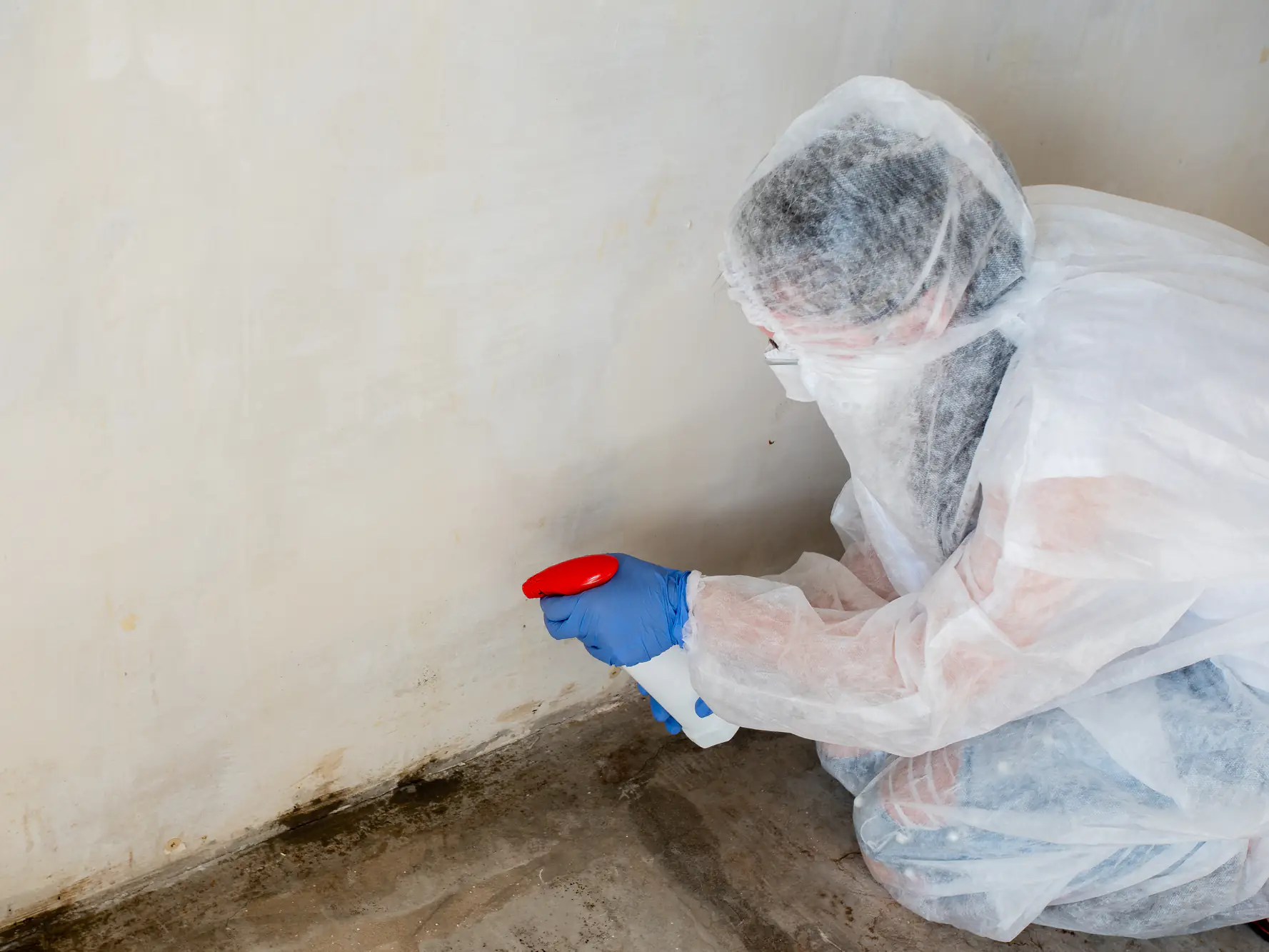
Hear from Our Customers
You stop worrying about what’s growing behind your walls. Your family breathes easier, especially if anyone’s been dealing with allergies or respiratory issues that won’t quit.
The musty smell disappears. You’re not embarrassed when people come over, and you’re not second-guessing every cough or headache anymore.
Your property value stays protected. If you’re thinking about selling down the line, you won’t have to disclose a mold problem or watch buyers walk away during inspection. And if you’re staying put, you’re not throwing money at a problem that keeps coming back because someone only cleaned the surface.
Most importantly, you get clarity. You know what caused it, what we did to fix it, and what to watch for so it doesn’t happen again. That’s the difference between a quick cleanup and actual mold remediation done right.
We work with homeowners throughout Dunlap and the surrounding Bucks County area who’ve dealt with mold before—or who are dealing with it for the first time and want it handled correctly. We’re not the cheapest option, and we’re upfront about that.
What you’re paying for is a mold removal specialist who finds the moisture source, removes contaminated materials safely, and treats the area so it doesn’t just grow back in six months. We’ve worked in plenty of Dunlap rowhomes and older properties where the issue isn’t obvious—it’s in the basement, behind old plaster, or tucked into areas that don’t get airflow.
We use EPA-approved methods. We don’t cut corners. And we explain what we’re doing and why, so you’re not left guessing whether the problem is actually solved.
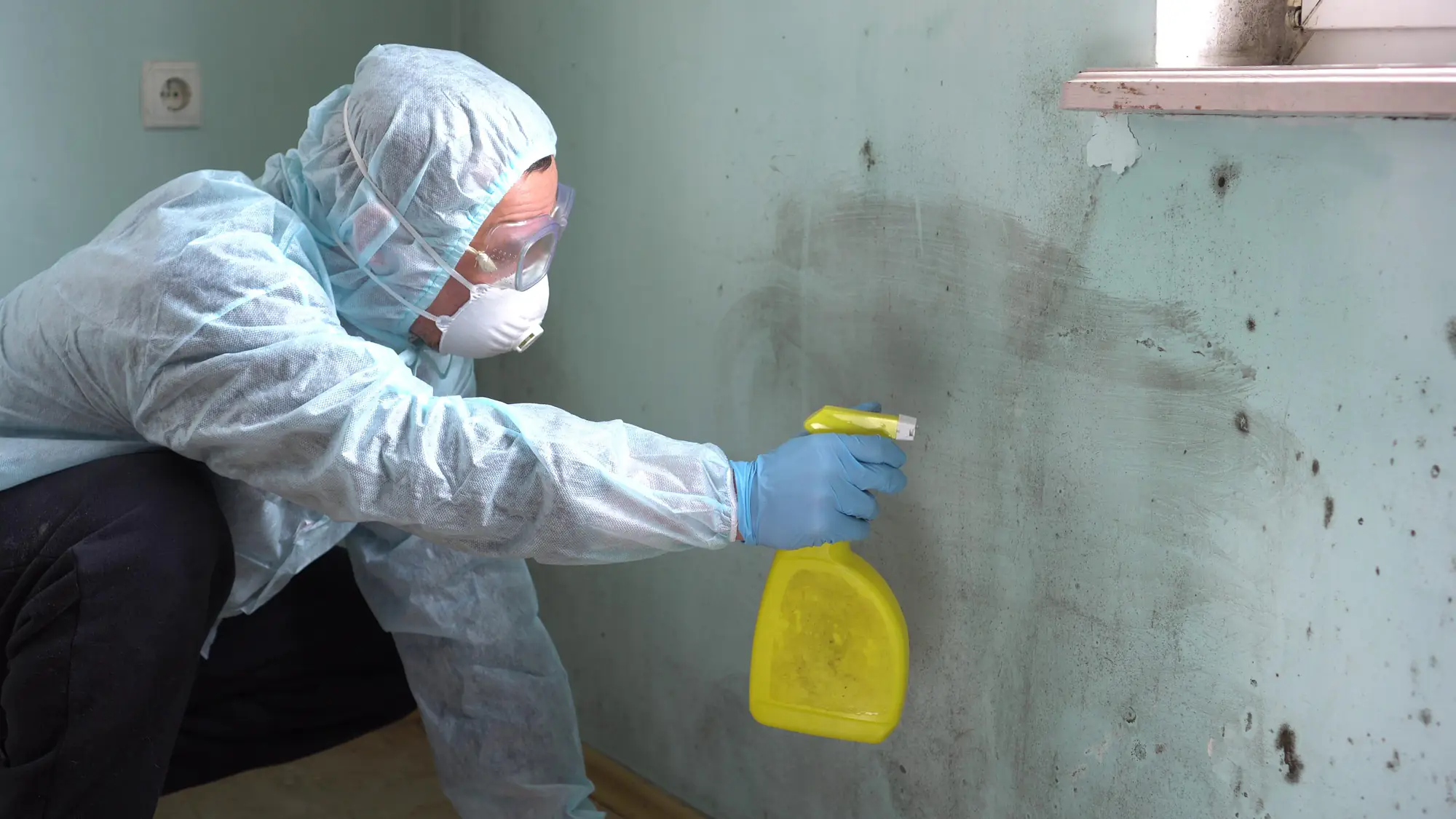
We start with a free inspection. That means we come out, assess the visible mold, check moisture levels, and figure out where the water is coming from. No mold problem gets fixed permanently without solving the moisture issue first.
Once we know what we’re dealing with, we give you a clear estimate. No surprises, no upselling. If your insurance covers it, we’ll work with them directly to make the claims process easier.
Then we contain the area to prevent mold spores from spreading to other parts of your home during removal. We remove contaminated materials—drywall, insulation, whatever’s affected—and treat surfaces with antimicrobial solutions. If there’s structural damage, we handle that too.
After removal, we dry everything thoroughly and test the air quality to make sure spore levels are back to normal. You’re not guessing whether it worked. You’ll know.
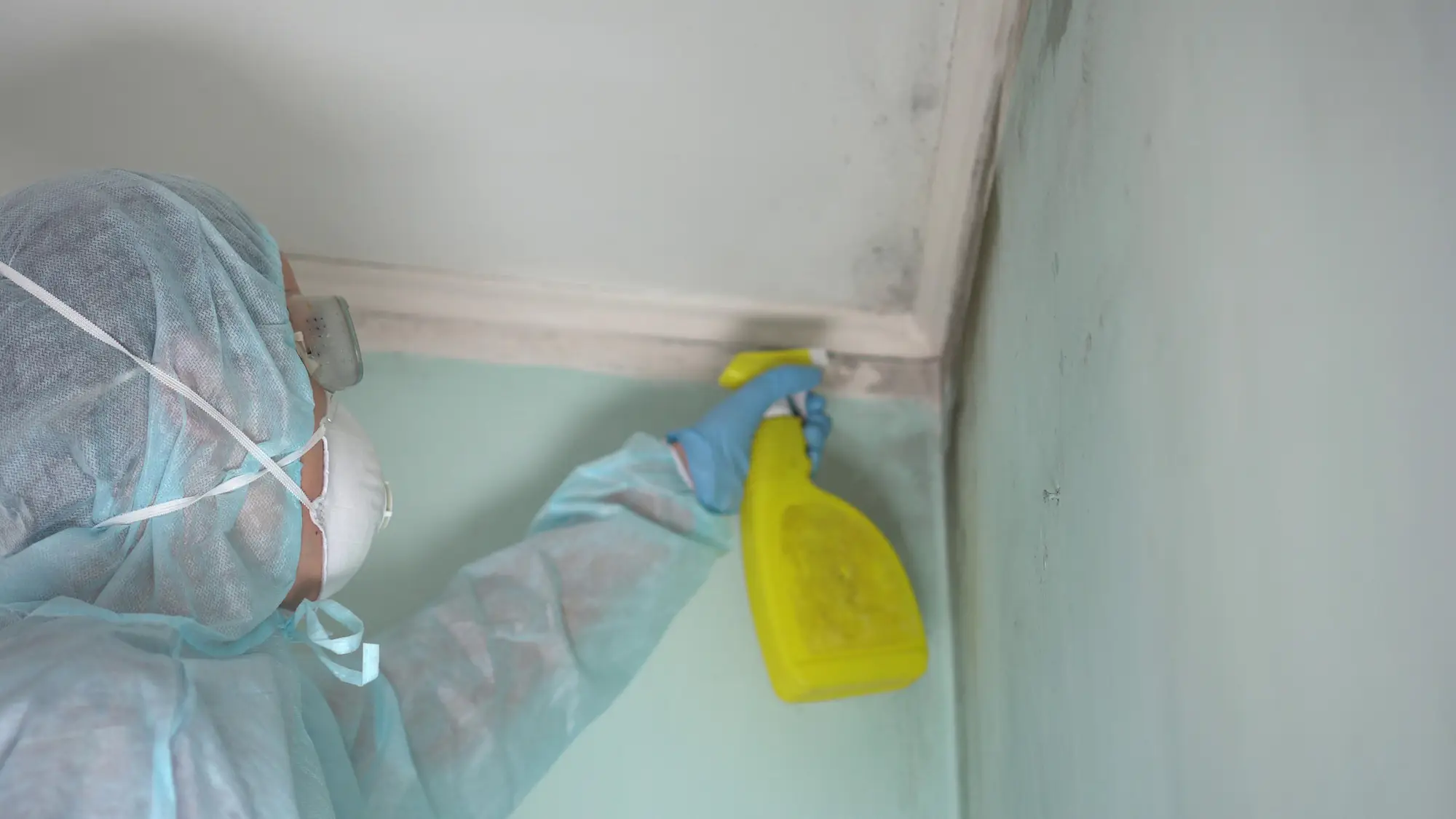
Ready to get started?
You get a full inspection that identifies the type of mold, the extent of the damage, and the source of moisture. We don’t just look at the visible stuff—we check behind walls, under floors, and in crawl spaces if needed.
Containment and air filtration happen before removal starts. We’re not spreading spores throughout your house while we work. Removal includes taking out affected materials, treating surfaces, and disposing of contaminated debris according to Pennsylvania regulations.
We also handle the rebuild. If we had to remove drywall or insulation, we put it back. You’re not left with a half-finished project or forced to hire someone else to close it up.
And because Dunlap has a lot of older rowhomes with basements that stay damp, we’ll walk you through what’s causing the moisture and what you can do to prevent future growth. Dehumidifiers, better ventilation, fixing leaks—we’ll tell you what actually matters for your specific property.

If you see visible mold, smell something musty that won’t go away, or you’ve had water damage in the last few months, you probably need someone to look at it. A lot of people try cleaning it themselves first, and that works if it’s a small surface issue—like mold on a bathroom tile from poor ventilation.
But if it keeps coming back, or if it’s covering more than a few square feet, that’s a sign the problem is deeper. Mold grows fast once it starts, especially in homes with poor airflow or moisture issues. In Dunlap, older rowhomes and basements are common trouble spots.
The biggest issue is that mold you can see is usually just part of the problem. It’s often growing inside walls or under flooring where moisture has been sitting unnoticed. A mold remediation specialist can test moisture levels, check hidden areas, and tell you whether it’s something you can manage or something that needs professional removal.
Mold removal usually means someone cleans or scrubs away the visible mold. Mold remediation means we remove it and fix the conditions that caused it in the first place. That’s an important difference, because if the moisture source isn’t addressed, the mold will come back.
Remediation involves containment, removal of contaminated materials, treatment with antimicrobial solutions, and drying out the affected area. It also includes air quality testing to confirm spore levels are safe again. Removal by itself might make things look better temporarily, but it doesn’t solve the underlying issue.
If you’re hiring someone, ask what their process includes. If they’re not talking about moisture control, ventilation, or finding the source, they’re probably not doing full remediation. You want a mold and mildew expert who understands that cleaning the surface isn’t enough—you need to eliminate what’s feeding the growth.
It depends on the size of the affected area and how much material needs to be removed. A small bathroom or closet might take a day or two. A basement or multiple rooms could take a week, especially if there’s structural damage or if we’re waiting for materials to dry completely before rebuilding.
The process can’t be rushed. Containment, removal, treatment, drying, and air testing all take time if you want it done right. If someone tells you they can knock it out in a few hours, they’re probably not doing full remediation.
For most Dunlap properties, especially older homes with plaster walls or finished basements, expect at least three to five days for a moderate job. We’ll give you a timeline upfront based on what we find during the inspection, and we’ll keep you updated if anything changes. The goal is to do it once and do it right, not to do it fast and have you call us back in six months.
It depends on what caused the mold. If it’s from a sudden, accidental event—like a burst pipe or storm damage—most policies will cover remediation. If it’s from long-term neglect, like a slow leak you didn’t fix, they probably won’t.
Insurance companies want to see that you acted quickly after discovering water damage. Mold can start growing within 48 hours, so the faster you report it and start the remediation process, the better your chances of coverage. We work with insurance companies regularly and can help document everything they need.
We’ll take photos, provide moisture readings, and give you a detailed estimate that breaks down what’s covered and what’s not. Some policies have mold caps—meaning they’ll only pay up to a certain amount—so it’s worth checking your policy or calling your agent before we start. If insurance doesn’t cover it, we’ll still give you transparent pricing so you know exactly what you’re paying for.
It depends on the size and location of the affected area. If it’s a small, contained space like a bathroom or closet, and we can seal it off properly, you can usually stay. If it’s a larger area or if mold spores are widespread, it’s safer to stay somewhere else until we’re done.
During remediation, we use containment barriers and air filtration to keep spores from spreading, but there’s still dust, noise, and disruption. If anyone in your household has asthma, allergies, or a compromised immune system, we usually recommend they stay elsewhere even for smaller jobs.
We’ll let you know during the inspection whether it makes sense to stay or go. For most Dunlap homeowners, if the work is in the basement or a back room, staying put is fine. If it’s in the main living area or near the HVAC system, leaving for a few days is the smarter move. We’re not going to tell you it’s safe to stay if it’s not.
Fix the moisture problem. That’s the entire answer. Mold needs water to grow, so if you eliminate the source of moisture, it won’t come back. That could mean fixing a leaky pipe, improving ventilation in your bathroom, sealing basement walls, or running a dehumidifier in damp areas.
In Dunlap, a lot of the older rowhomes have basements that stay humid year-round. If that’s your situation, a dehumidifier isn’t optional—it’s necessary. You also want to make sure gutters are clear and downspouts are directing water away from your foundation. Water pooling near the house will eventually find its way inside.
We’ll walk you through what’s causing moisture in your specific property and what you can do to manage it. Some fixes are simple, like improving airflow or using exhaust fans. Others, like waterproofing a basement, are bigger projects. But once the mold is gone, keeping it gone comes down to controlling humidity and addressing leaks as soon as they happen. If you do that, you won’t need to call us again.
Other Services we provide in Dunlap