

Hear from Our Customers
You stop waking up congested. Your kids’ asthma symptoms ease up. That musty smell in the basement finally disappears.
Real mold removal means you’re not just scrubbing visible spots off your wall. You’re eliminating what’s behind it, under it, and in the air you’re breathing. That’s what changes how your home feels.
When the source gets fixed—the leak, the humidity problem, the hidden moisture—mold doesn’t come back. You’re not repainting the same corner every six months or wondering if it’s safe to let your kids play downstairs. You know it’s handled.
We’ve been helping Dunlap and Bucks County homeowners deal with mold for years. We’ve seen what happens when summer humidity hits 90% and your basement starts growing things you didn’t plant.
We’re certified mold remediation professionals who understand how Pennsylvania’s climate works against your home. Warm, damp summers and wet winters create perfect conditions for mold to thrive. We’ve handled hundreds of these situations right here in your community.
You get a free inspection, clear pricing before we start, and a team that actually explains what’s happening in your house. No runaround. No upselling. Just straightforward removal that fixes the problem.

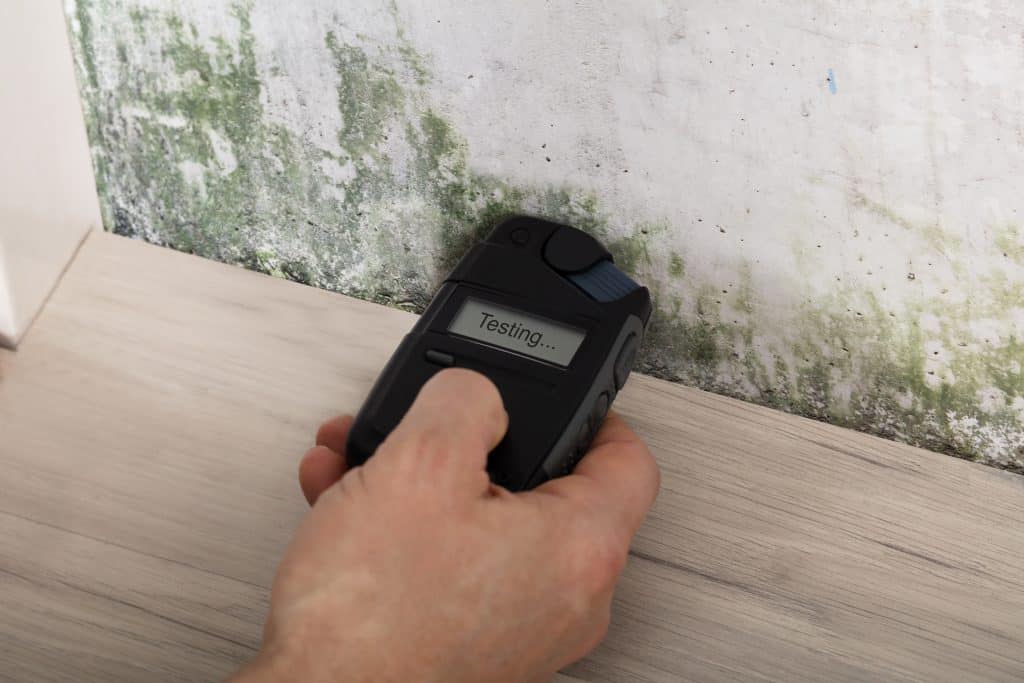
First, we come out and inspect your property at no cost. We’re looking for visible mold, but also using moisture meters and thermal imaging to find what’s hidden behind walls or under floors. You can’t fix what you can’t see.
Then we give you a detailed estimate. You’ll know what we found, why it’s there, and what it’ll take to remove it properly. No surprises on the bill later.
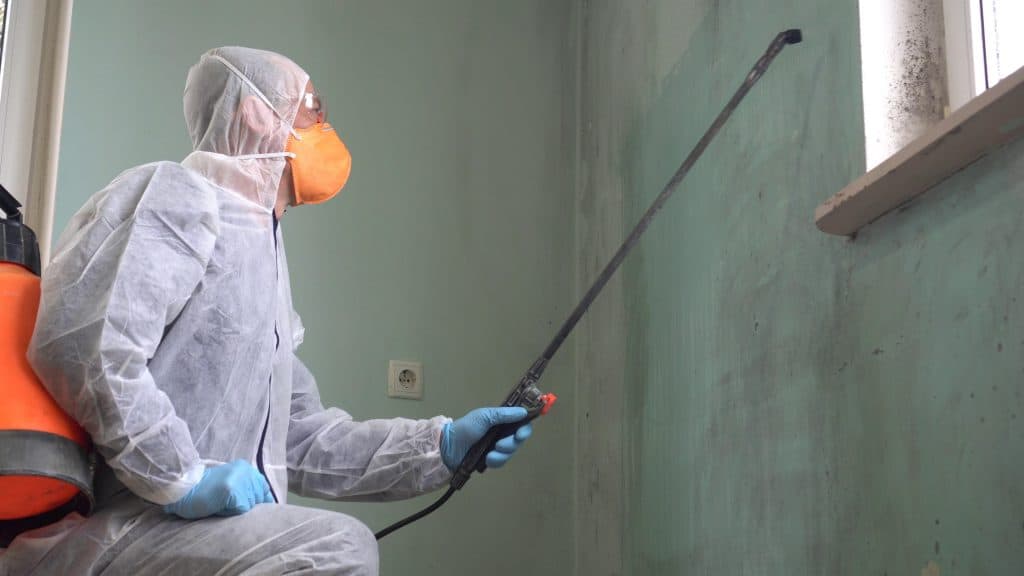
During remediation, we contain the area so mold spores don’t spread to clean parts of your home. We remove contaminated materials, treat affected surfaces with EPA-approved solutions, and use HEPA filtration to clean the air. Then we fix the moisture source—the leak, the ventilation issue, whatever caused it.
After removal, we test the air quality to confirm mold levels are back to normal. You get documentation showing the work was done right. If you’re selling your home or dealing with insurance, that matters.
Ready to get started?
Your inspection covers the entire property—attics, basements, crawl spaces, wall cavities. We test air quality to identify airborne spores you can’t see. You get a written report explaining what we found and where.
Remediation includes containment setup, removal of affected materials, antimicrobial treatment, HEPA air scrubbing, and source correction. We don’t just kill mold and leave. We fix why it grew in the first place.
In Dunlap and throughout Bucks County, basement mold is common because of how homes are built and how much rain we get. Spring flooding, summer humidity, fall dampness—your basement takes the hit. We see it constantly. Leaky foundations, poor drainage, inadequate ventilation. These aren’t just mold problems. They’re moisture problems that show up as mold.
We also help with insurance claims. Many policies cover mold removal when it’s caused by a covered event like a burst pipe. We’ll document everything and work with your adjuster to make the process less painful.
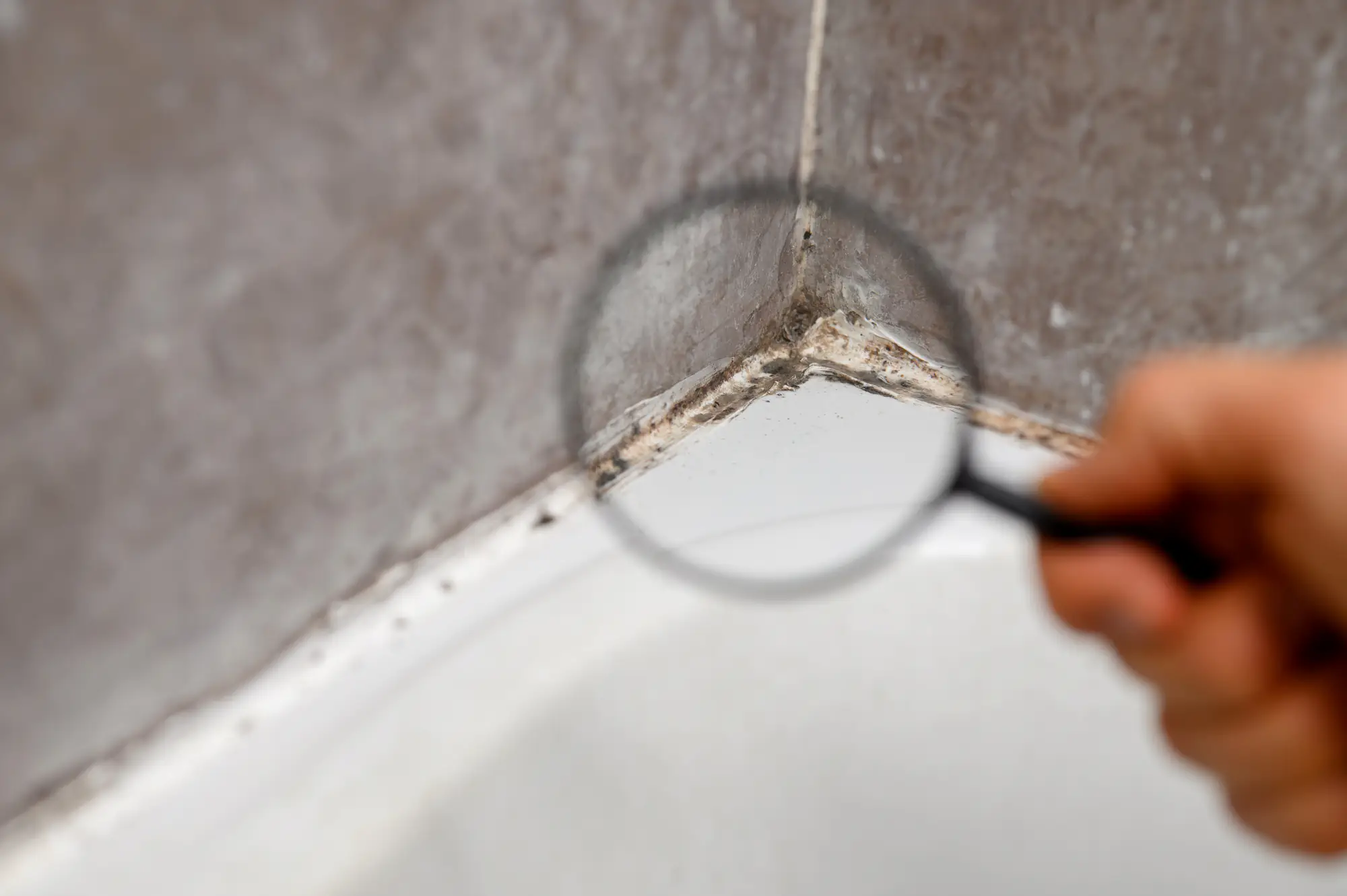
If the affected area is smaller than 10 square feet—roughly a 3×3 section—and it’s surface mold on a non-porous material like tile, you can probably clean it yourself with the right products and safety gear. That’s the EPA’s guideline.
But if it’s larger than that, if it’s black mold, if it’s inside walls or under flooring, or if anyone in your home has asthma or respiratory issues, call us. DIY mold removal often misses hidden growth. You scrub what you see, but the real problem is behind the drywall or in the insulation. Two months later, it’s back.
Also, if you’re dealing with mold from a sewage backup or contaminated water, don’t touch it yourself. That’s a health hazard that requires proper containment and disposal. Same goes for mold in your HVAC system—it’ll just spread spores throughout your house if you don’t handle it correctly.
Most residential mold removal jobs take one to three days, depending on how much mold there is and where it’s located. A single bathroom might take a day. A finished basement with mold throughout the walls and flooring could take a week.
You usually don’t have to leave for the entire process, but you should stay out of the work area. We seal it off with plastic sheeting and negative air pressure so spores don’t spread. If the mold is extensive or you have young children, elderly family members, or anyone with compromised immune systems, it’s smarter to stay elsewhere during active remediation.
The smell and dust are minimal because of our containment setup, but some people are more sensitive than others. We’ll walk you through what to expect during your inspection so you can plan accordingly. If you need to be out of the house, we’ll give you a realistic timeline—not best-case scenario, but what actually happens on jobs like yours.
It depends on what caused the mold. If it’s from a sudden, accidental event—like a burst pipe, roof leak during a storm, or appliance malfunction—most policies will cover remediation. If it’s from long-term neglect, poor maintenance, or gradual moisture buildup, they probably won’t.
Insurance companies want to see that you acted quickly after discovering water damage. Mold that grows because you ignored a leak for six months isn’t getting covered. But mold that appears after your water heater floods the basement? That’s usually covered.
We help with the claims process. We document everything with photos, moisture readings, and detailed reports. We’ll work directly with your adjuster if needed. Pennsylvania law requires disclosure of known mold issues when selling a home, so having professional documentation protects you if you’re in a real estate transaction. Even if insurance doesn’t cover it, we offer financing options to make remediation affordable. Letting mold sit because you’re worried about cost just makes it worse and more expensive later.
Mold removal means getting rid of visible mold growth. Remediation means removing the mold and fixing the conditions that allowed it to grow. One is a surface fix. The other is a real solution.
You can remove mold from a wall, but if you don’t fix the leak or humidity problem causing it, you’ll be removing it again in a few months. Remediation addresses the source. We find where moisture is coming from, eliminate it, and then remove the mold. That’s why it doesn’t come back.
In Bucks County’s humid climate, moisture control is critical. Your home needs proper ventilation, working gutters and downspouts, good grading around the foundation, and humidity levels below 60%. We check all of that during inspection. If your bathroom exhaust fan isn’t vented outside or your basement has no dehumidifier, we’ll tell you. Remediation isn’t complete until those issues are fixed. Otherwise, you’re just paying to clean mold that’ll regrow.
Mold can start growing within 24 to 48 hours after water exposure, especially in Pennsylvania’s humid climate. It doesn’t need much—just moisture, oxygen, and an organic material to feed on. Drywall, wood, carpet, insulation. All perfect food sources.
That’s why speed matters after a leak, flood, or pipe burst. If you dry everything out within 24 hours, you can often prevent mold growth entirely. After 48 hours, you’re likely dealing with remediation, not just water cleanup.
The longer water sits, the deeper it penetrates and the more extensive mold growth becomes. A small leak behind your washing machine that goes unnoticed for weeks can turn into a major remediation job. You’ll need to remove drywall, insulation, possibly flooring. What could’ve been a $500 repair becomes a $5,000 project. If you see water damage or smell mustiness, don’t wait to investigate. The cost and hassle only go up with time.
Mold exposure affects everyone differently, but common symptoms include sinus infections, watery eyes, coughing, skin rashes, headaches, and difficulty breathing. People with asthma or mold allergies have it worse—their symptoms can be severe and constant.
Black mold, specifically Stachybotrys chartarum, produces mycotoxins that can cause more serious reactions. Chronic exposure has been linked to neurological issues, persistent fatigue, and respiratory damage. Kids and elderly family members are especially vulnerable because their immune systems are weaker.
Here’s a stat that matters: of the 21.8 million people in the U.S. with asthma, 4.6 million cases are caused by mold exposure at home. Living with mold doubles your risk of developing asthma. If your kids are constantly sick, if you’re always congested, if symptoms improve when you leave the house and return when you come back—that’s mold. You’re not imagining it. Your home is making you sick, and removing the mold changes that. You’ll notice the difference within days of proper remediation.
Other Services we provide in Dunlap