
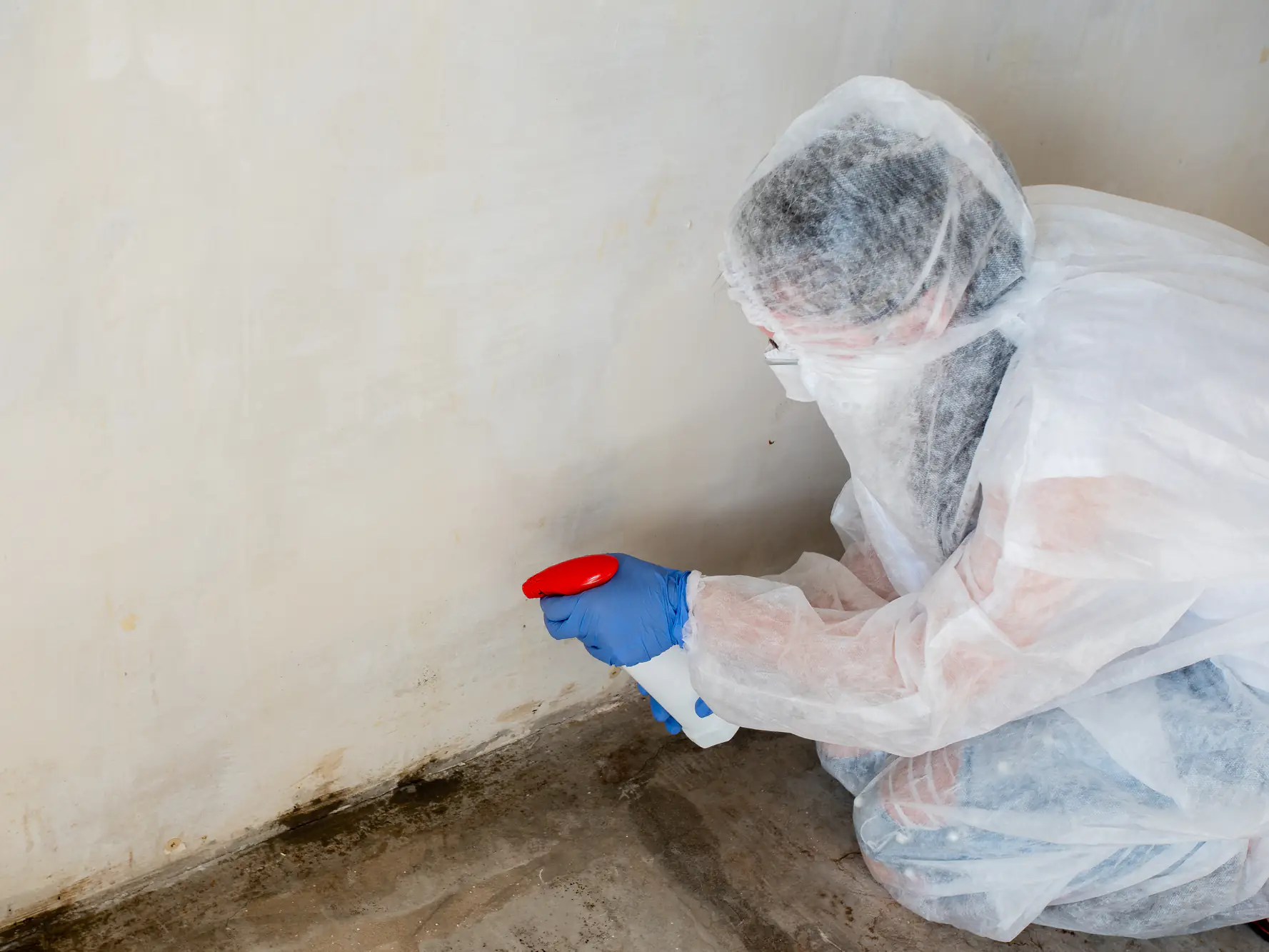
Hear from Our Customers
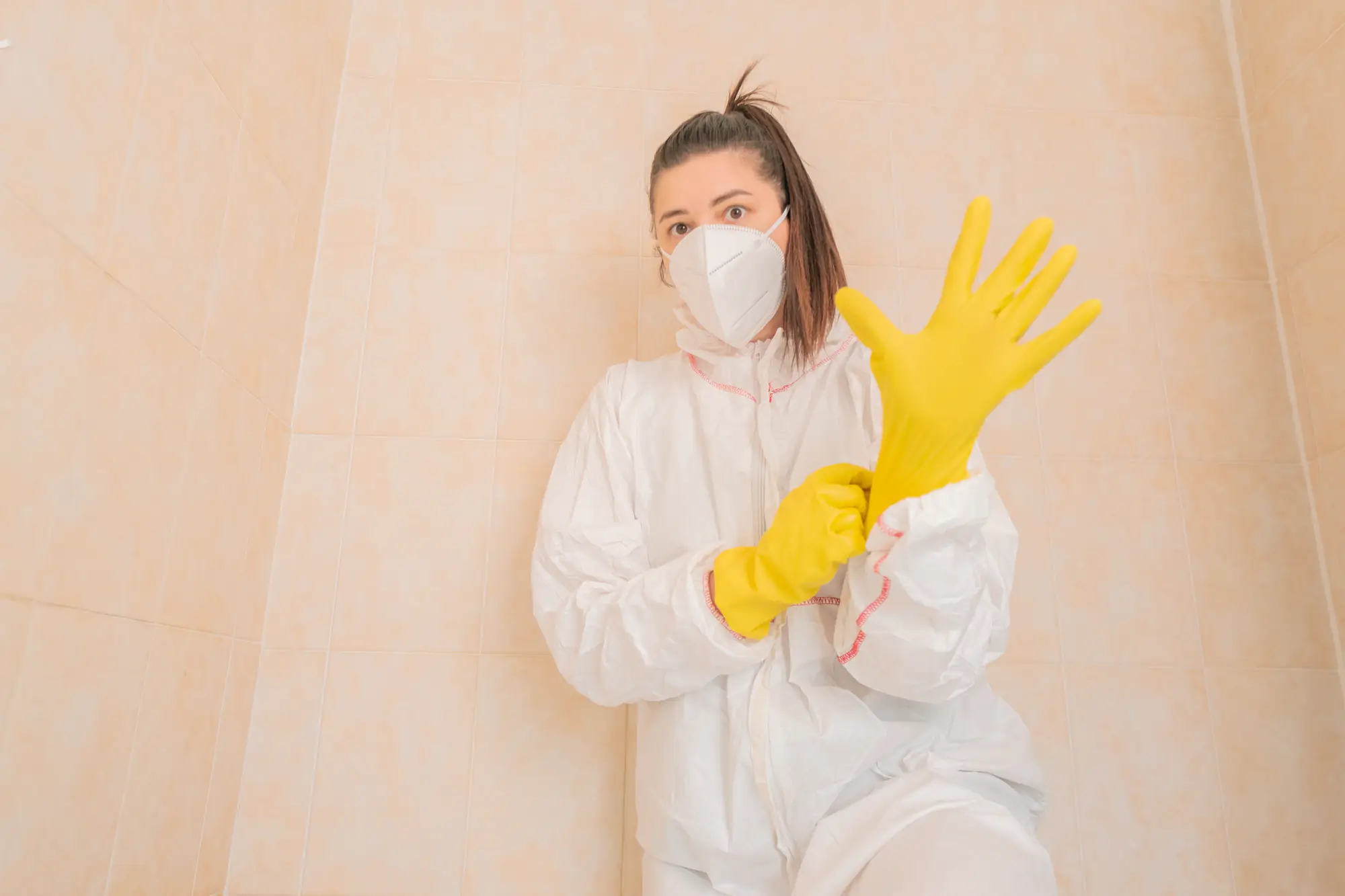
You stop wondering if that musty smell means something worse is growing behind your walls. Your allergies calm down when you’re home instead of getting worse. You breathe easier knowing your kids aren’t inhaling spores every night.
When mold is removed correctly, you’re not just masking symptoms. The air clears. The smell disappears. Your home feels safe again.
Most people don’t realize how much mold affects their daily comfort until it’s gone. Better sleep, fewer headaches, less coughing. That’s what proper mold remediation does. It gives you back the home you’re paying for.
We serve Point Pleasant, PA and the surrounding Bucks County area as a locally owned business. We’re not reading from a corporate manual or rushing through cookie-cutter inspections.
We know the homes here. Older construction, humid summers, basements that stay damp. These conditions create specific mold problems that require more than surface-level treatment.
When you call us, you’re talking to someone local who understands what you’re dealing with. We’ve seen what happens when mold gets ignored in this area, and we know how to stop it for good.
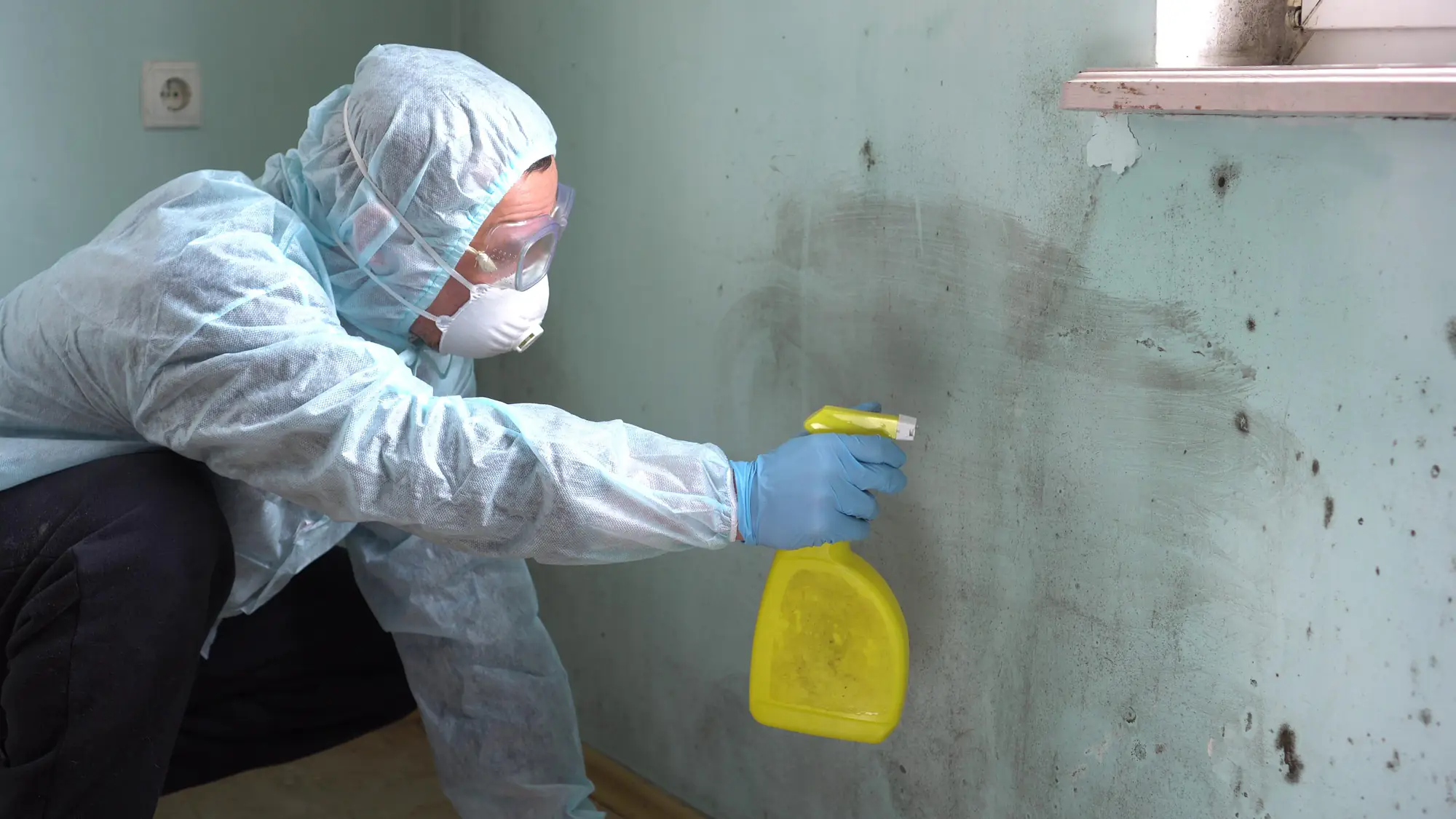
First, we inspect every area where mold typically hides. That means crawl spaces, behind walls, inside HVAC systems, under sinks. We use thermal imaging and moisture mapping to find what you can’t see.
Next, we identify the moisture source. Mold doesn’t grow without water. Whether it’s a slow leak, poor ventilation, or humidity buildup, we trace the problem back to its origin.
Then we remove the mold using containment methods that prevent spores from spreading to clean areas. We don’t just spray and wipe. We extract contaminated materials when necessary and treat affected surfaces properly.
Finally, we address the moisture issue so mold doesn’t return. That might mean recommending a dehumidifier, fixing drainage problems, or improving airflow. We tell you what needs to happen to keep your home mold-free long-term.
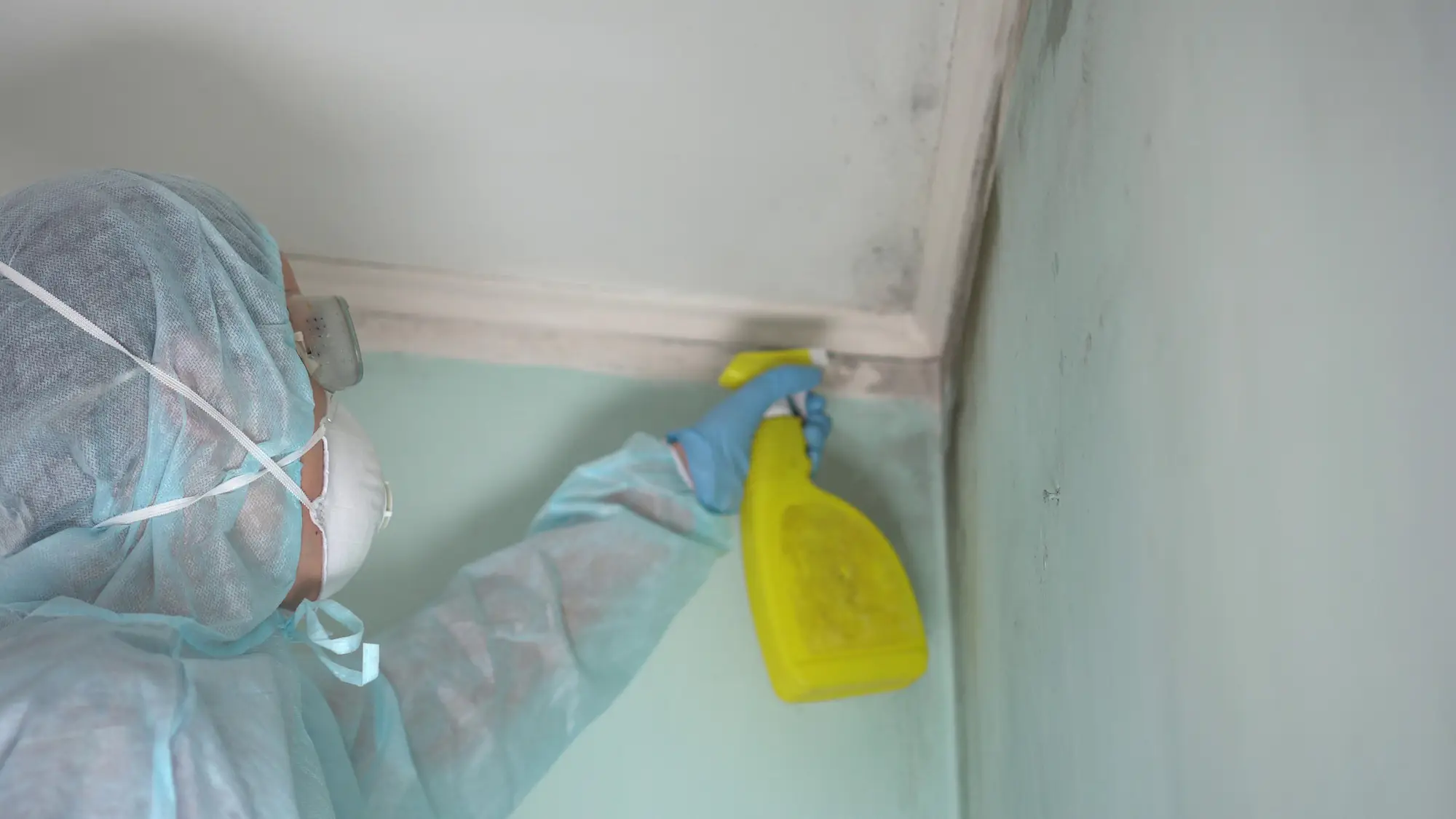
Ready to get started?
You get a complete visual inspection of your property, including areas most homeowners never check. We look in attics, basements, crawl spaces, and behind appliances where mold thrives.
We conduct moisture testing to pinpoint exactly where water is entering or accumulating. In Point Pleasant’s humid climate, keeping indoor humidity below 45% is critical. We measure levels and identify problem zones.
If needed, we take air samples to determine mold type and concentration. This matters for health concerns and helps us create a targeted removal plan. Not all mold requires the same treatment approach.
You’ll receive documentation of our findings, photos of affected areas, and a clear explanation of what needs to happen. If you’re filing an insurance claim, we provide the paperwork your carrier needs. We can also handle billing directly with your insurance company.

If you smell a persistent musty odor that doesn’t go away after cleaning, you likely have mold growing somewhere. That smell is mold releasing spores into the air.
Watch for visible signs like dark spots on walls, ceilings, or grout. Peeling wallpaper or bubbling paint often means moisture is trapped behind the surface, creating perfect conditions for mold growth.
Pay attention to your health. If your allergies, asthma, or respiratory symptoms get worse at home but improve when you leave, mold could be the culprit. Stuffy nose, sore throat, coughing, and eye irritation are common reactions to mold exposure.
Normal moisture dries quickly and doesn’t create ongoing problems. Mold-causing moisture lingers. It comes from leaks, poor ventilation, high humidity, or water damage that wasn’t properly dried. If you’re noticing any of these signs, it’s worth getting a professional inspection.
Bleach kills surface mold on non-porous materials, but it doesn’t penetrate porous surfaces like drywall or wood where mold roots grow. You might remove what you see, but the mold returns because the underlying growth remains.
DIY removal also risks spreading spores throughout your home. When you disturb mold without proper containment, spores become airborne and settle in new areas. You can turn a small problem into a whole-house issue.
The bigger concern is that DIY approaches rarely address the moisture source. You can scrub mold off your bathroom ceiling, but if the ventilation fan isn’t working or humidity stays high, the mold comes back within weeks.
Professional mold remediation includes containment, proper removal techniques, HEPA filtration, and fixing the root cause. For small surface mold on tile or glass, DIY might work. For anything behind walls, in HVAC systems, or covering large areas, you need a mold removal specialist who can do it right the first time.
Most homeowners insurance policies in Pennsylvania exclude mold damage or limit coverage to $1,000-$10,000. Insurance typically covers mold only if it results from a covered peril like a burst pipe or sudden water damage.
If mold develops from long-term neglect, poor maintenance, or gradual leaks you didn’t address, insurance usually won’t pay. They consider that a homeowner responsibility.
The key is documentation and timing. If you discover mold after a covered water event, report it immediately and document everything. Insurance companies want to see that you acted quickly to prevent further damage.
We work with insurance claims regularly and can help you understand what’s covered. We provide detailed reports, photos, and moisture readings that support your claim. If your policy covers the remediation, we can bill your insurance carrier directly. If not, we’ll give you a clear estimate upfront so you know exactly what you’re paying for.
A typical mold removal job takes anywhere from one to five days depending on the extent of contamination and the size of the affected area. Small, contained mold growth might be handled in a day. Extensive mold behind walls or throughout a basement takes longer.
The inspection and assessment usually happen on the first visit and take a few hours. We need time to check every potential problem area, test moisture levels, and sometimes collect air samples.
Actual remediation involves setting up containment barriers, removing contaminated materials, treating surfaces, and running air filtration equipment. We can’t rush this process. Proper containment prevents spores from spreading, and thorough treatment ensures mold doesn’t return.
After removal, affected areas need to dry completely before reconstruction begins. In Point Pleasant’s humid climate, this sometimes requires dehumidifiers running for several days. We verify moisture levels are back to normal before we consider the job complete. Rushing this step is how mold comes back.
Mold removal means getting rid of visible mold growth. Mold remediation means bringing mold levels back to normal, natural levels and addressing why it grew in the first place.
You can’t remove every single mold spore from a home. Mold exists naturally in outdoor and indoor air. Remediation focuses on reducing mold to safe levels and eliminating the conditions that allowed it to colonize.
The best mold remediation company doesn’t just scrape off what you see. We identify moisture sources, fix ventilation problems, remove contaminated materials that can’t be saved, and treat surfaces to prevent regrowth.
Think of it this way: mold removal is treating the symptom. Mold remediation is curing the disease. We focus on remediation because that’s what actually solves your problem long-term. We don’t want you calling us back in six months because the mold returned. We want to fix it right the first time.
Point Pleasant sits in a moderate humidity zone, but summer months bring conditions that are perfect for mold growth. When you run your AC, warm humid air meets cold surfaces, creating condensation. That moisture feeds mold.
Older homes in Bucks County often have basement moisture issues. Poor drainage, foundation cracks, and inadequate waterproofing let water seep in during heavy rains. Basements that stay damp year-round become mold breeding grounds.
Bathrooms and kitchens without proper ventilation trap moisture. If your exhaust fan isn’t vented outside or you don’t use it consistently, humidity builds up. Mold loves dark, damp spaces under sinks and behind appliances.
HVAC systems circulate air throughout your home. If mold grows in your ductwork or on your AC coils, spores spread to every room. Many homeowners don’t realize their heating and cooling system is distributing mold until they start having respiratory symptoms. Regular HVAC maintenance and keeping indoor humidity below 45% prevent most mold problems in this area.
Other Services we provide in Point Pleasant