
Mold Removal in Point Pleasant, PA

Your Home Cleared, Your Air Safe Again

Fast response to mold problems in Point Pleasant homes, with thorough removal and moisture control that actually stops it from coming back.
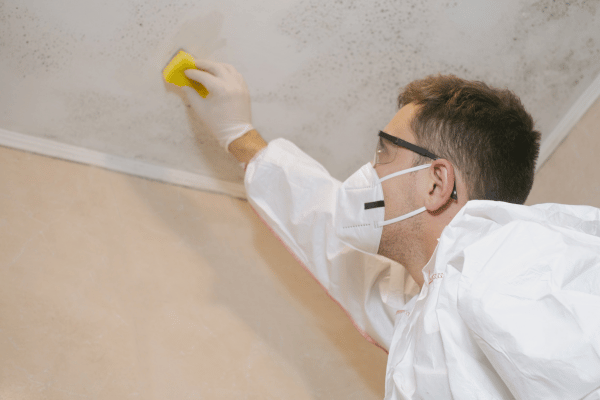
Protective worker spraying treatment on extensive black mold growth across an indoor wall or ceiling surface during professional mold remediation.

Hear from Our Customers

Hand using a digital moisture meter to test a mold‑affected interior wall near the floor, detecting damp conditions and potential water damage.

Professional Mold Removal Company

What Happens When Mold Is Actually Gone

You stop wondering if that smell is going to come back. Your kids aren’t coughing at night. The air in your basement doesn’t feel heavy anymore.

That’s what proper mold removal does. It doesn’t just wipe down visible spots or mask the problem with a coat of paint. It traces the moisture back to where it’s coming from, removes contaminated materials the right way, and dries everything out so spores can’t regrow.

In Point Pleasant and across Bucks County, humidity sits above 60% most of the summer. That’s the threshold where mold starts growing fast. If water got into your walls, floors, or HVAC system during a storm or from a slow leak, you’ve got maybe 24 to 48 hours before mold takes hold. After that, it’s not a cleaning job anymore—it’s remediation.

When the work is done right, you’re not just covering up a problem. You’re removing the contamination, controlling the moisture, and getting your indoor air quality back to where it should be.

Local Mold Specialist in Point Pleasant

We Live Here, We Know the Problems

We’re locally owned and based right here in Bucks County. We’ve worked in Point Pleasant homes long enough to know what causes mold here—older construction, summer humidity, basements that weren’t built with modern moisture barriers, and HVAC systems that haven’t been maintained in years.

We’re not a franchise following a script. We show up, assess what’s actually happening in your space, and handle it with the equipment and training it takes to do it right. That means IICRC-certified work, real testing when it’s needed, and no shortcuts.

You’ll talk to someone local when you call. You’ll get a free inspection. And if there’s mold, we’ll walk you through exactly what needs to happen and why.

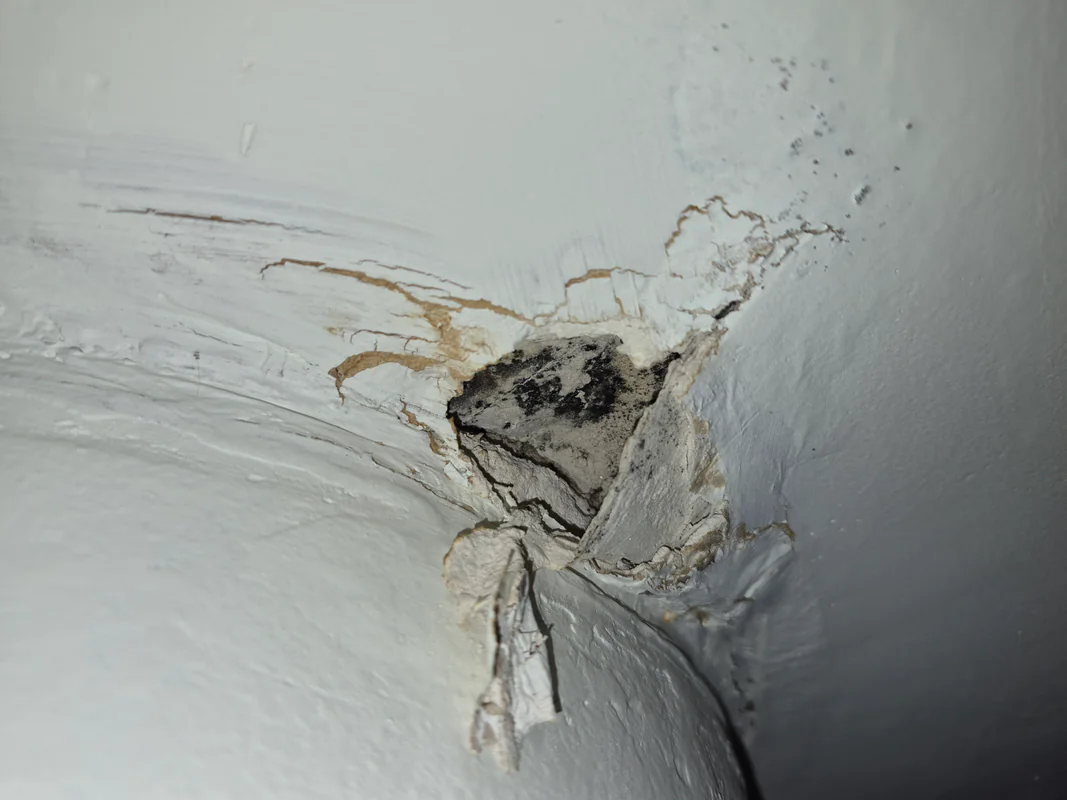
Protective worker wearing safety gear inspecting mold and moisture damage along an indoor wall and ceiling corner during a home mold assessment.

Our Mold Cleaning Services Process

Here's What Happens from Start to Finish

First, we come out and do a full inspection. That means checking the visible mold, but also using moisture meters and thermal imaging to find hidden water damage behind walls, under floors, or in your ductwork. Mold grows where moisture sits, so if we don’t find the source, the problem comes back.

Once we know what we’re dealing with, we contain the area to keep spores from spreading to clean parts of your home. Then we remove contaminated materials—drywall, insulation, flooring, whatever can’t be salvaged. We don’t just clean the surface. If it’s porous and it’s been wet for more than 48 hours, it has to go.

After removal, we use industrial air scrubbers and dehumidifiers to dry everything out and filter the air. Then we treat affected surfaces with antimicrobial solutions. If the job requires it, we’ll do post-remediation testing to confirm the air quality is back to safe levels.

Finally, we help you understand what caused it—whether it’s a roof leak, poor ventilation, or condensation from your AC—so you can prevent it from happening again. That’s the part most mold cleaning services skip, and it’s why people end up calling someone back six months later.

Protective worker spraying mold treatment on a damp interior wall using a long spray wand during professional mold remediation and moisture control.

Ready to get started?

Explore More Services

About Mack's Mold Removal

Black Mold Removal in Bucks County

What's Included in Professional Mold Removal

You’re not just paying for someone to spray bleach and leave. Professional mold removal in Point Pleasant includes a real assessment of your property, moisture mapping to find hidden problems, containment to protect the rest of your home, and safe removal of contaminated materials.

We use HEPA filtration and negative air pressure to keep mold spores from spreading during the work. All debris is bagged and disposed of properly. We don’t cut corners because we know how mold behaves in Pennsylvania’s climate—it spreads fast when humidity stays high, and it comes back if the moisture source isn’t fixed.

If you’re dealing with black mold, the process is the same, but the urgency is higher. Black mold releases mycotoxins that can cause serious respiratory issues, especially in kids or anyone with asthma or allergies. It’s not something to wait on.

We also work with your insurance company if the mold is related to a covered water damage event. That means documentation, photos, and communication with your adjuster so you’re not stuck handling that part on your own. Most homeowners don’t realize their policy might cover mold if they act fast—usually within that 24 to 48-hour window after water damage happens.

How do I know if I actually have a mold problem?

You’ll usually smell it before you see it. That musty, damp odor that doesn’t go away even after you clean is the biggest sign. You might also notice dark spots on walls, ceilings, or around windows—especially in bathrooms, basements, or anywhere that stays humid.

Health symptoms are another clue. If you or your family are dealing with persistent sneezing, coughing, itchy eyes, or sinus issues that get worse at home and better when you leave, mold exposure could be the cause. People with asthma or allergies tend to notice it first.

Sometimes mold hides. It grows behind drywall, under flooring, inside HVAC ducts, or in crawl spaces where you’re not looking. If you’ve had any water damage—roof leaks, burst pipes, flooding, even just high humidity for weeks—it’s worth getting an inspection. Mold starts growing within 24 to 48 hours of materials getting wet, and by the time you see it on the surface, there’s usually more behind it.

If it’s a small area—less than 10 square feet, like a little spot on a bathroom tile—you can usually handle it with the right cleaner and some scrubbing. But if it’s bigger than that, if it’s on porous materials like drywall or wood, or if you’re not sure how far it’s spread, you need a professional mold removal company.

Here’s why: mold grows deeper than what you see. If it’s on drywall, it’s probably inside the wall too. If it’s on your floor, it’s likely under it. Cleaning the surface doesn’t kill what’s underneath, and disturbing it without proper containment just spreads spores to other parts of your home.

DIY mold removal also doesn’t address the moisture problem. If you don’t find and fix the source—whether it’s a leak, condensation, or poor ventilation—the mold comes back. We use moisture meters, thermal imaging, and air scrubbers to do the job completely. We remove contaminated materials, dry out the space, and treat it so it doesn’t regrow. That’s not something you can do with a bottle of bleach.

It depends on how much mold there is and where it’s growing. A small bathroom or closet might take a day or two. A basement with widespread contamination or mold inside the HVAC system could take a week or more.

The process itself has a few stages. Inspection and containment usually happen on day one. Then we remove affected materials, which can take anywhere from a few hours to several days depending on the scope. After that, we run air scrubbers and dehumidifiers for 24 to 72 hours to dry everything out and filter the air. Finally, we treat surfaces and do any post-remediation testing if needed.

You won’t be able to use the affected area during the work, but the rest of your home stays accessible. We seal off the contaminated space with plastic barriers and negative air pressure so spores don’t spread. If you’re dealing with a larger job, we’ll give you a timeline upfront so you know what to expect. The key is doing it right, not doing it fast. Rushing mold remediation just means it comes back.

It depends on what caused the mold. If it’s from a sudden, covered event—like a burst pipe, storm damage, or appliance failure—most policies will cover the mold removal as long as you act quickly. That usually means within 24 to 48 hours of the water damage happening.

If the mold is from long-term neglect, poor maintenance, or ongoing moisture problems you didn’t address, insurance typically won’t cover it. They expect homeowners to take reasonable steps to prevent damage, and that includes fixing leaks and controlling humidity.

Pennsylvania doesn’t regulate mold the way some states do, so coverage varies by policy. Some insurers cap mold claims at a few thousand dollars. Others exclude it entirely unless you’ve added specific mold coverage. The best thing you can do is call your insurance company as soon as you discover water damage, document everything with photos, and get a professional mold removal company involved fast. We work with insurance adjusters regularly and can provide the documentation they need to process your claim. Waiting too long is the main reason claims get denied.

Humidity is the biggest factor. Point Pleasant and Bucks County sit in a humid continental climate, which means hot, sticky summers where indoor humidity easily climbs past 60%. That’s the threshold where mold spores start germinating. If your AC is running constantly but your home isn’t dehumidified properly, condensation builds up in ducts, on windows, and inside walls.

Older homes in the area make it worse. A lot of Point Pleasant’s housing stock was built before modern moisture barriers and ventilation standards. Basements weren’t waterproofed the way they are now. Crawl spaces weren’t sealed. Attics weren’t vented properly. That means water intrusion from rain, snowmelt, or groundwater has more pathways into your home—and once it’s in, it doesn’t dry out fast enough.

Storms are another factor. Bucks County gets substantial rainfall throughout the year, and when heavy storms hit, roof leaks and foundation cracks let water in. If materials stay wet for more than 48 hours, mold starts growing. HVAC systems that haven’t been maintained also create problems—dirty ducts and clogged drain lines turn into mold factories. The combination of climate, older construction, and weather patterns makes Point Pleasant homes more vulnerable than people realize.

Control the moisture. That’s it. Mold needs water to grow, so if you keep humidity below 60% and fix leaks as soon as they happen, you won’t have a mold problem.

Start by running a dehumidifier in your basement or any area that feels damp. Check your gutters and downspouts to make sure water is draining away from your foundation, not pooling next to it. Inspect your roof, windows, and plumbing regularly for leaks. If you spot water damage, dry it out within 24 to 48 hours—that’s the window you have before mold starts growing.

Your HVAC system matters too. Change filters regularly, have ducts cleaned every few years, and make sure your AC’s condensate drain line isn’t clogged. If you’ve had mold in your ducts before, it’ll keep spreading through your home every time the system runs unless it’s been properly cleaned and treated. Ventilation helps as well—use exhaust fans in bathrooms and kitchens, and don’t let steam or moisture sit in enclosed spaces. We take care of what’s already there, but keeping it gone is about managing the conditions that let it grow in the first place.

Other Services we provide in Point Pleasant