

Hear from Our Customers
Your kids stop waking up with sore throats. The musty smell in the basement finally disappears. You’re not checking corners every week wondering if it’s coming back.
That’s what proper mold removal does. Not just scrubbing visible spots, but tracking down where moisture gets in, eliminating the conditions mold needs to survive, and restoring your home to a place where you can breathe easy again.
Most families in Dublin don’t realize they’ve been living with mold for months. By the time you see it or smell it, it’s already spreading behind walls, under floors, in places you can’t reach with a bottle of bleach and a sponge. That’s why black mold removal requires more than surface cleaning—it requires finding the leak, the condensation point, or the humidity issue feeding it.
When the job’s done right, you’re not just mold-free today. You’re protected long-term because the source has been handled.
We’ve spent years working in Dublin and throughout Bucks County. We’ve pulled back drywall in hundred-year-old homes with stone foundations that sweat every summer. We’ve crawled through attics where roof leaks went unnoticed for seasons.
Bucks County’s humid summers and damp winters create perfect conditions for mold. Add in older housing stock, basements that weren’t built with modern waterproofing, and you’ve got a recipe for recurring problems if they’re not handled correctly the first time.
We’re not the cheapest option, and that’s intentional. You’re paying for technicians who know how to use thermal imaging to find hidden moisture, who follow EPA-approved protocols, and who won’t leave until the source is identified and addressed. That’s the difference between mold cleaning services that last and ones that don’t.

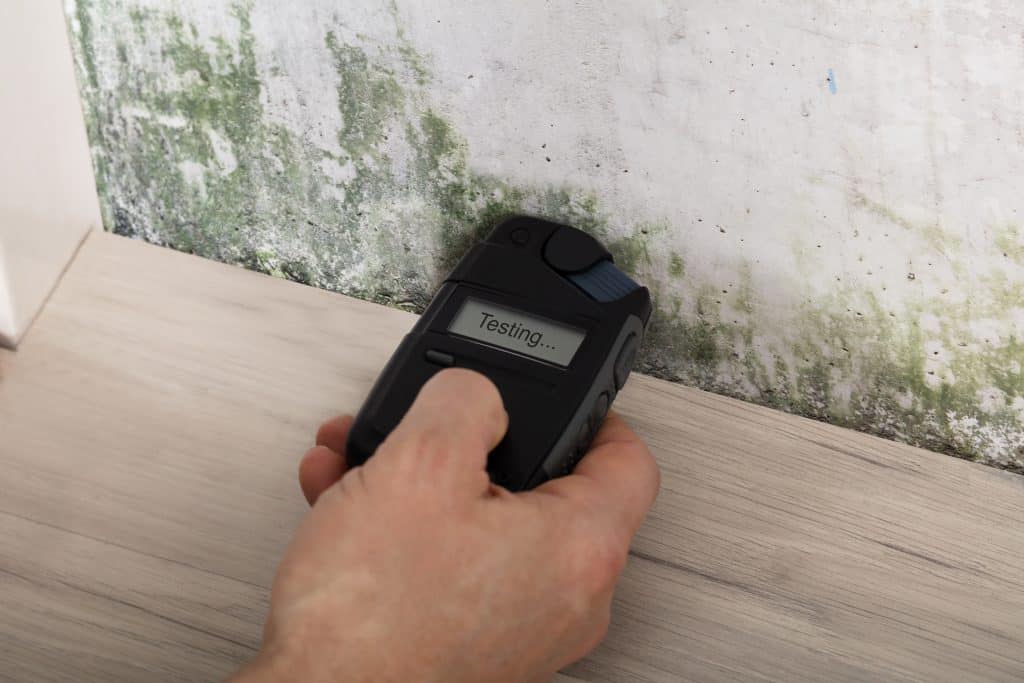
First, we inspect the entire affected area—not just where you see mold, but where it might be hiding. We use moisture meters and thermal imaging cameras to track down the water source. No guessing.
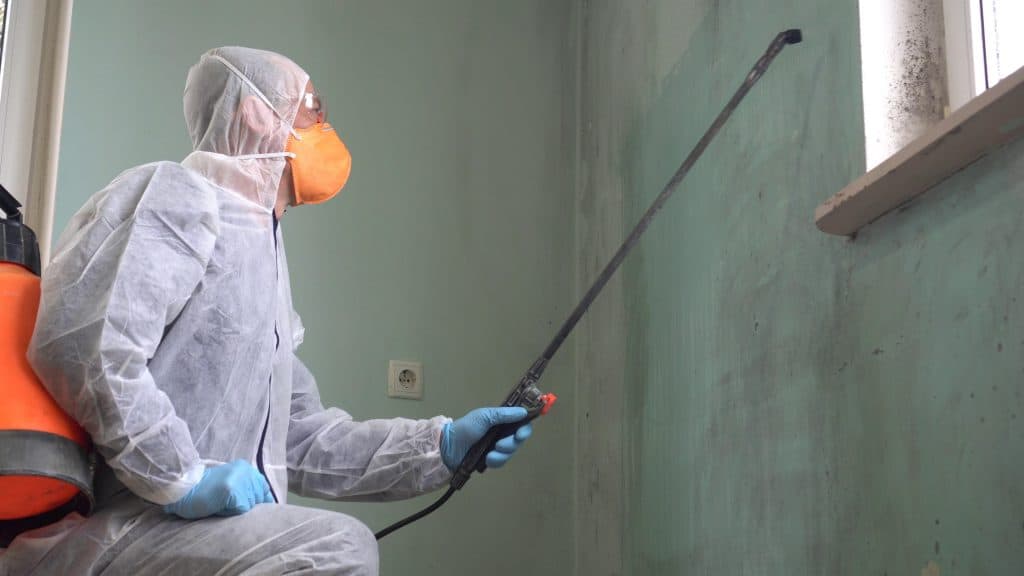
Then we contain the area to prevent spores from spreading to clean parts of your home during removal. We set up negative air pressure and HEPA filtration. This isn’t optional—it’s how you avoid contaminating the rest of the house.
Next comes removal. We safely extract mold-damaged materials, treat affected surfaces with EPA-approved solutions, and clean the air. If drywall or insulation has to come out, it comes out. Half-measures don’t work here.
Finally, we address the source. Whether it’s a plumbing leak, poor ventilation, or groundwater seeping through your foundation, we identify what’s feeding the mold and make sure it’s fixed. Otherwise, you’re just paying to remove mold that’ll grow back in six months.
Ready to get started?
You get a free inspection up front. No charge to assess the situation, identify the scope, and give you a clear picture of what needs to happen.
From there, the service includes containment, HEPA air filtration, safe removal of contaminated materials, antimicrobial treatment, source identification, and moisture control recommendations. If repairs are needed after removal, we handle that too—no need to coordinate with multiple contractors.
In Dublin and Bucks County specifically, we’re dealing with homes that face seasonal moisture challenges. Spring thaw, summer humidity, fall rains—each one brings a different risk. We factor that into every job because what works in a dry climate doesn’t always apply here.
You also get documentation. If you’re selling your home or dealing with insurance, you’ll have records showing the work was done correctly by certified professionals. That matters more than most people realize until they’re sitting across from a buyer’s inspector.
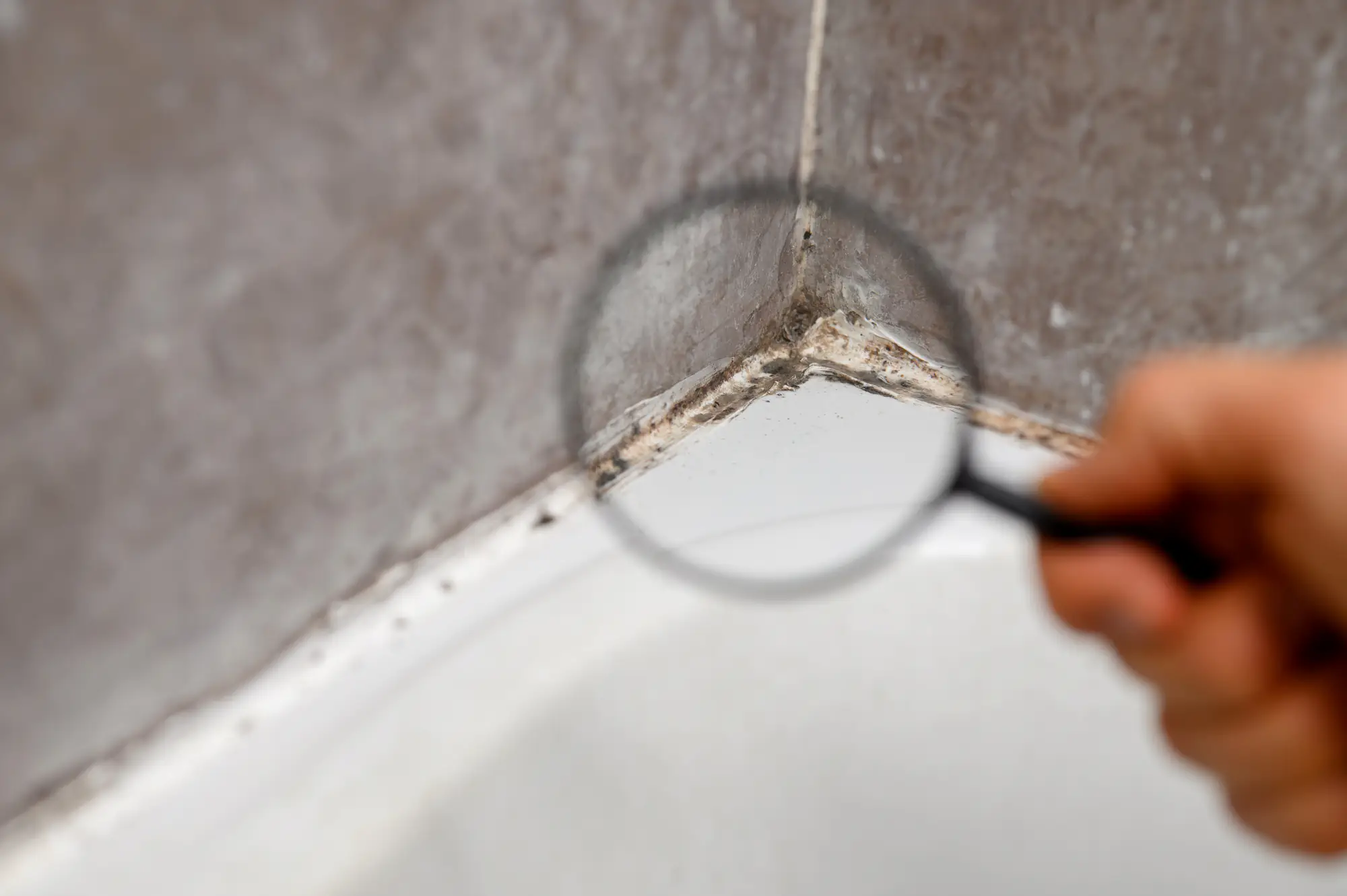
Mold growth is almost certain within 24 to 48 hours if the area isn’t dried properly. That’s not a scare tactic—it’s biology. Mold spores are everywhere, and they just need moisture and a surface to land on.
In Bucks County’s climate, that timeline can be even shorter during humid summer months when indoor conditions are already damp. A pipe leak, roof drip, or basement seep can turn into visible mold in under two days if it’s not caught and dried immediately.
If you’ve had any kind of water intrusion—flooding, leaks, even heavy condensation—don’t wait to see if mold appears. By the time it’s visible, it’s already established. Getting a professional inspection right away can save you thousands in remediation costs down the line.
Small surface mold on non-porous materials—like a little spot on a tile wall—can sometimes be handled with proper cleaning. But if it’s larger than a few square feet, if it’s on porous materials like drywall or wood, or if you’re not sure where it’s coming from, you need professional mold removal.
Here’s why: disturbing mold without proper containment spreads spores throughout your home. Scrubbing it without addressing the moisture source means it’ll be back in weeks. And if it’s black mold, the health risks aren’t worth the DIY savings.
Professional mold removal includes containment to prevent spread, HEPA filtration to capture airborne spores, safe disposal of contaminated materials, and—most importantly—identifying and fixing the source. Without that last step, you’re just treating symptoms. Most homeowners don’t have the equipment or training to do this safely or effectively.
Mold removal is the physical act of getting rid of visible mold. Mold remediation is the full process—removing the mold, addressing the moisture problem, restoring air quality, and preventing it from coming back.
Remediation is what you actually want. It’s comprehensive. It doesn’t just scrub away what you can see; it treats the underlying issue so mold doesn’t regrow. That includes moisture control, ventilation improvements, and sometimes structural repairs.
In Dublin, where older homes and humid conditions are common, remediation is especially important. Removing mold without fixing the leak or humidity problem is like bailing water out of a boat without plugging the hole. You’ll be doing it again soon. A proper mold remediation company handles both the symptom and the cause in one job.
Most residential mold removal jobs in the Dublin area range between $1,200 and $4,000, depending on the size of the affected area, the extent of contamination, and what caused it. Severe cases involving multiple rooms or structural damage can reach $10,000 or more.
The cost depends on how much material needs to be removed, how extensive the containment and air filtration setup needs to be, and whether repairs are required afterward. A small bathroom mold issue is very different from a finished basement that’s been damp for months.
Here’s what matters more than the price: whether the company is finding and fixing the source. If you pay $2,000 for mold removal but the leak isn’t addressed, you’ll pay another $2,000 in six months. Cheaper isn’t better if the problem comes back. You want a mold removal company that includes source identification and moisture control in the scope—not just surface cleaning.
Not if the source of moisture is fixed. Mold needs water to grow. Remove the water source, and mold can’t survive. That’s why professional mold removal includes identifying what’s feeding the mold—whether it’s a leak, condensation, poor ventilation, or groundwater intrusion.
If a company just removes visible mold and doesn’t address the moisture issue, yes, it’ll come back. That’s the most common complaint homeowners have after hiring the wrong contractor. They paid for mold cleaning services, but the root problem was ignored.
When we finish a job, we don’t just remove mold—we make sure the conditions that allowed it to grow are corrected. That might mean recommending a dehumidifier, repairing a gutter, sealing a foundation crack, or improving attic ventilation. Without that step, you’re not really done. With it, mold doesn’t come back.
Black mold—specifically Stachybotrys chartarum—produces mycotoxins that can cause serious respiratory issues, especially in children, elderly individuals, and anyone with asthma or weakened immune systems. It’s not a myth. The health risks are real.
Exposure can lead to chronic coughing, nasal congestion, throat irritation, headaches, and in severe cases, bleeding in the lungs. Kids are especially vulnerable because their respiratory systems are still developing. Long-term exposure has been linked to asthma development in children who didn’t have it before.
That said, not all black-colored mold is the toxic kind, and not all dangerous mold is black. You can’t identify mold species by color alone. If you see mold in your Dublin home and you’re not sure what it is, don’t mess with it. Get it tested and removed by a mold specialist who knows how to handle it safely. The health of your family isn’t worth the risk of guessing wrong.
Other Services we provide in Dublin