
Hear from Our Customers
Most Dublin homeowners don’t think about their ductwork until something forces them to a musty smell when the heat kicks on, allergy symptoms that won’t quit, or a mold problem they just had remediated somewhere else in the house. By that point, the HVAC system has often been quietly spreading the problem to every room for months.
Dublin sits in the heart of Bucks County, which gets close to 49 inches of rain a year well above the national average. That kind of sustained moisture doesn’t just affect basements and crawl spaces. It works its way into HVAC systems, especially in the older homes along Route 313 where ductwork was retrofitted into stone and masonry construction that was never designed to keep moisture out.
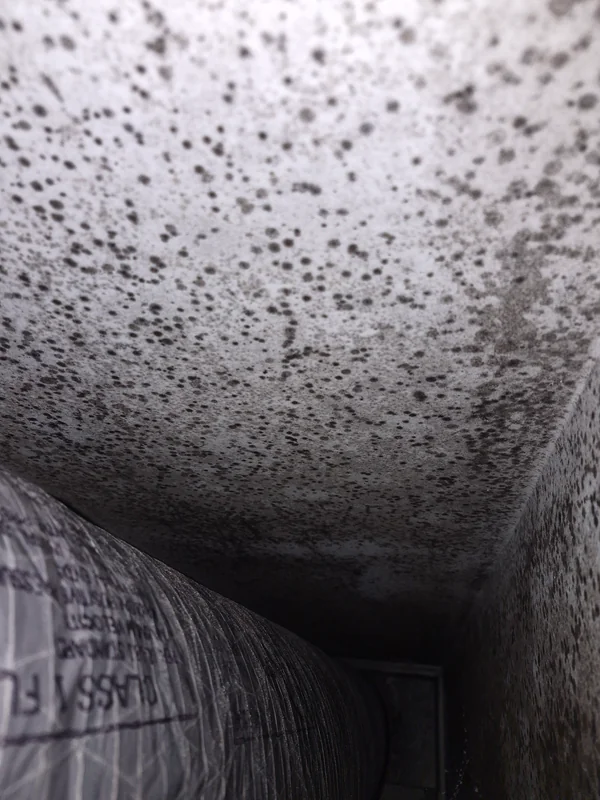
When that moisture meets the organic particulates blowing in from the dairy farms and plant nurseries surrounding Dublin Borough, you’ve got exactly the conditions mold needs to take hold inside your vents. Getting this handled means more than just cleaner air registers. It means your HVAC system stops acting as a delivery mechanism for whatever’s growing inside it.
Families with kids in the Pennridge School District who’ve been dealing with unexplained respiratory symptoms often find the answer isn’t outside it’s in the air cycling through the house every time the system runs.
We’ve been serving Bucks County homeowners for over 15 years, and we understand the specific challenges Dublin properties face. The difference between calling a mold specialist and calling a general duct cleaning company isn’t subtle it’s the difference between someone who knows how to contain a biological problem and someone who might accidentally spread it further by disturbing it without proper protocols.
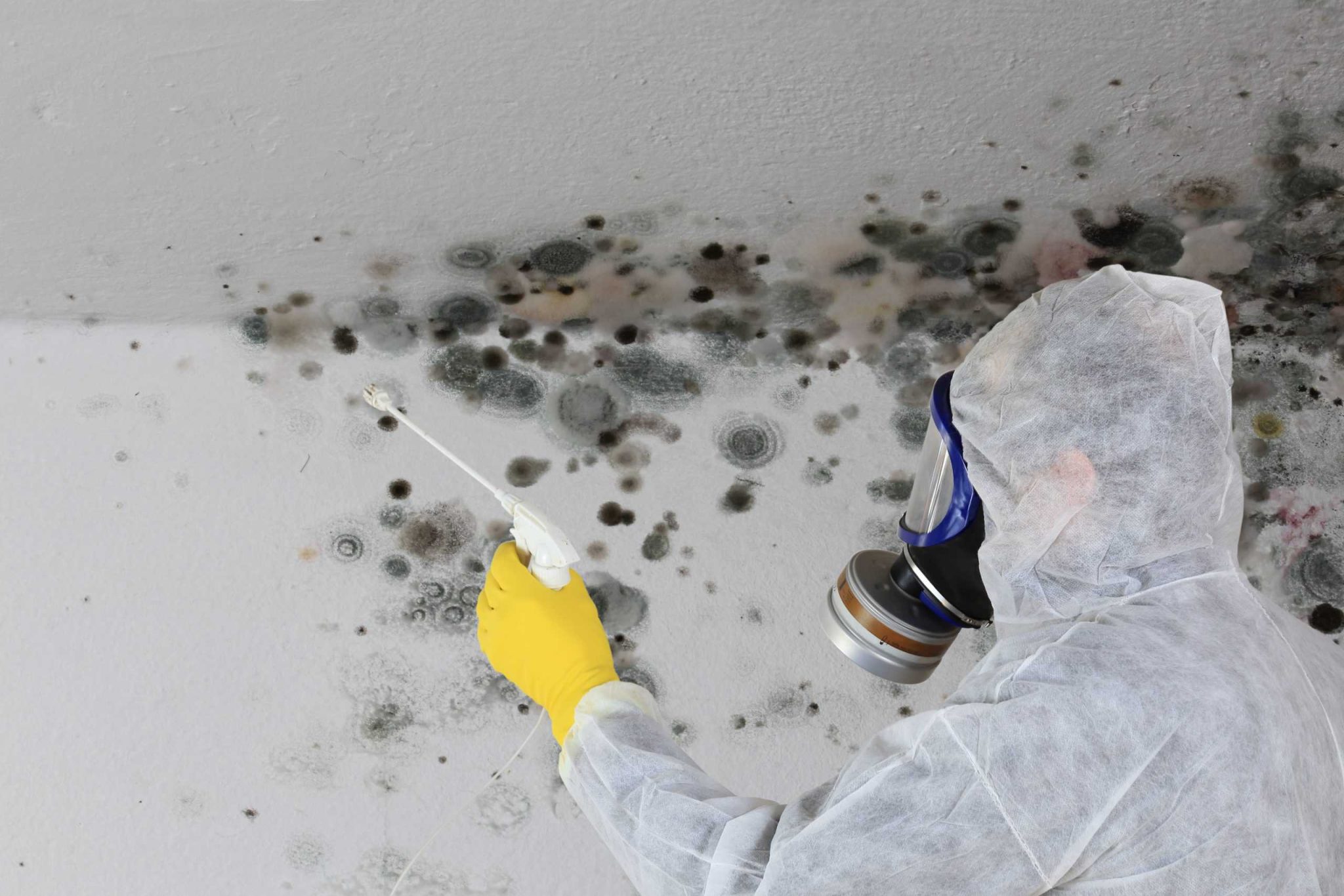
When mold is present in ductwork, vacuuming alone doesn’t cut it. Our certified inspectors assess the full picture: where the moisture is coming from, how far the contamination has traveled, and what it’s going to take to actually eliminate it not just clean around it. After the job, affected areas are tested to confirm the mold is gone. That’s not standard practice in this industry. At Mack’s, it’s the baseline.
Dublin homeowners dealing with the specific challenges of older Bucks County construction stone foundations, retrofitted duct runs, high-humidity summers get a team that understands those conditions specifically, not a franchise technician working from a generic checklist.

It starts with a free inspection. Before any work is quoted or scheduled, one of our certified inspectors takes a real look at your system not a five-minute walkthrough designed to justify a sale, but an actual assessment of what’s in your ductwork, where any contamination is concentrated, and whether the source of the problem (usually moisture) has been identified.
In Dublin’s older homes, that often means looking at how the ductwork was routed through the original stone structure, since retrofit installations in historic construction can create moisture traps that keep feeding the problem if left unaddressed.
Once the inspection is done, you get upfront pricing before anything starts. No surprises, no add-ons that weren’t discussed. The cleaning itself uses negative air pressure equipment and HEPA filtration to remove contaminants without pushing debris or spores into the living space which matters a great deal when mold is involved. Containment is part of the process, not an afterthought.
After the work is complete, we test the affected areas to verify the results. This is especially relevant heading into Bucks County’s humid spring and summer months, when HVAC systems transition from heating to cooling and condensation on cooling coils creates the exact conditions for mold to activate. Getting cleaned and verified before that seasonal shift is the right timing for most Dublin homeowners.

Ready to get started?
Air duct cleaning addresses the physical debris and biological contamination inside your ductwork. Air duct sanitizing goes a step further after mechanical cleaning, an antimicrobial treatment is applied to eliminate any remaining biological material that vacuuming alone can’t reach. When mold has been confirmed in the system, skipping the sanitizing step means leaving part of the problem behind. These are two distinct services, and in Dublin’s high-humidity environment, both are typically warranted when mold is part of the picture.
Dryer vent cleaning is a separate service that gets overlooked until it becomes a serious problem. The National Fire Protection Association reports roughly 15,970 dryer-related house fires per year nationally, with failure to clean the vent as the leading cause. In Dublin’s older housing stock where dryer vent runs may have been retrofitted through non-standard routes in historic structures, or where vents haven’t been inspected in years this isn’t routine maintenance. It’s a fire safety issue.
We work directly with insurance companies for clients whose mold issues stem from a covered water event, which is more common than most homeowners realize. If a pipe leak, storm infiltration, or basement flooding contributed to the contamination in your HVAC system, there may be a claim worth filing. Flexible financing is available for situations where insurance doesn’t apply, so cost doesn’t have to be the reason a Dublin family puts this off.
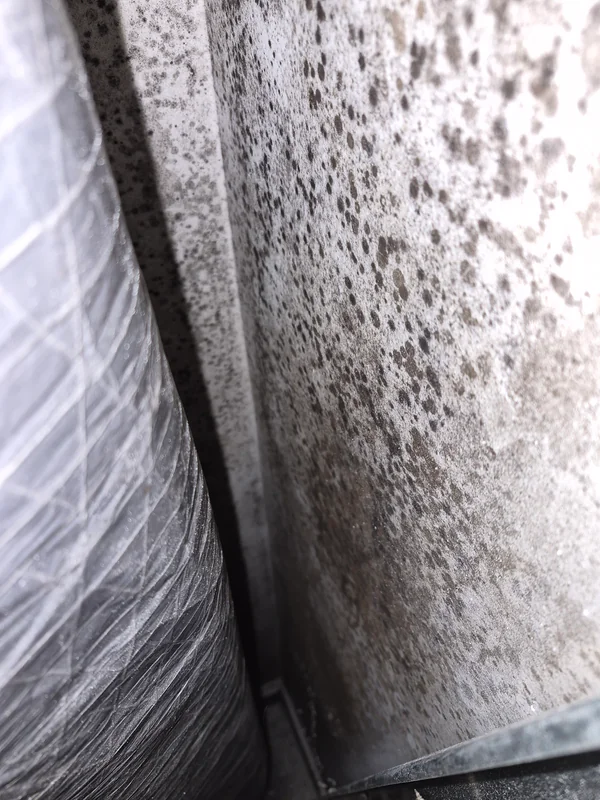
The most common sign is a musty or stale smell that appears specifically when your HVAC system is running not when the house is closed up, but when air is actively moving through the vents. If the smell fades when the system shuts off and returns when it kicks back on, that’s a strong indicator that something biological is living inside the ductwork rather than somewhere else in the house.
Other signs include worsening allergy or respiratory symptoms that don’t track with outdoor conditions, visible discoloration or dark residue around vent registers, and a history of moisture problems elsewhere in the home particularly in basements or crawl spaces. In Dublin’s older homes along Route 313, stone and masonry foundations are known to allow ground moisture to migrate upward, and that moisture often finds its way into duct runs before homeowners realize there’s a connection. A free inspection from us will give you a clear answer rather than a guess.
That’s a fair question, and the honest answer is: it depends on what’s in your ducts. The EPA’s position is nuanced routine cleaning in the absence of a specific problem has unclear benefits. But when mold is confirmed, when there’s been a pest or rodent issue, or when significant debris is blocking airflow, cleaning is explicitly warranted.
For Dublin homeowners, the mold scenario is the most relevant. Bucks County’s above-average rainfall and the agricultural surroundings near Dublin dairy farms, plant nurseries, open fields mean that HVAC systems here are pulling in more organic particulates than a typical suburban environment. When those particles settle in ductwork alongside normal condensation moisture, the conditions for mold growth are real and predictable, not hypothetical. If a certified inspection finds contamination, cleaning isn’t optional maintenance it’s the appropriate response to a documented problem.
Cleaning and sanitizing are two separate steps that address two different aspects of the same problem. Air duct cleaning is the mechanical process using negative air pressure equipment and HEPA filtration to physically remove debris, dust, and biological material from inside the ductwork. It’s thorough, but it’s physical removal, not elimination of what’s left behind at a microscopic level.
Air duct sanitizing is what happens after the cleaning. An antimicrobial treatment is applied to the interior surfaces of the duct system to kill any remaining mold spores, bacteria, or other biological contaminants that the mechanical cleaning process couldn’t fully extract. In a dry, low-humidity environment, cleaning alone might be sufficient. In Dublin’s climate where Bucks County averages close to 49 inches of rain annually and HVAC systems run through hot, humid summers sanitizing is the step that keeps the problem from returning quickly. If mold was confirmed in your system, doing the cleaning without the sanitizing is leaving the job half done.
Yes, and that’s precisely what makes HVAC mold more serious than mold confined to a single wall or corner. Every time your system runs, air is pushed through the full duct network and distributed to every room in the house. If mold is present anywhere in that network on the coils, in the ductwork, near the air handler the system is actively carrying spores to your bedrooms, living areas, and anywhere else air registers are open.
This is especially relevant for Dublin homeowners who’ve already had mold remediated somewhere else in the house. A basement mold job or a wall remediation doesn’t address what may have already traveled into the HVAC system. If the ducts weren’t inspected as part of that remediation, there’s a real possibility the system is recontaminating the spaces that were just cleaned. We can assess whether the ductwork was affected and handle both the inspection and the remediation under one roof, which eliminates the gap that separate contractors often leave behind.
NADCA, the industry’s primary professional association, generally recommends having your air ducts inspected every two to three years and cleaned when contamination is confirmed. That’s a baseline for average conditions. Dublin’s conditions aren’t average.
Between Bucks County’s higher-than-average annual rainfall, the organic particulates generated by the farms and nurseries surrounding Dublin Borough, and the older housing stock where ductwork was retrofitted into structures that weren’t designed for it, the factors that accelerate contamination are more present here than in a newer suburban development with tightly sealed construction. If your home is a historic property on or near Route 313, if you’ve had any water intrusion or basement moisture in the past few years, or if you’ve never had the ducts inspected since moving in, those are all reasons to get an assessment sooner rather than waiting for a symptom to force the issue. A free inspection is the right starting point it tells you what you’re actually dealing with before any cleaning is scheduled.
Dryer vent cleaning is one of the few home maintenance services with a direct, documented connection to house fires. The National Fire Protection Association tracks roughly 15,970 dryer-related structural fires per year in the United States, and failure to clean the dryer vent is consistently identified as the leading cause.
For Dublin homeowners, the concern is particularly real in older properties where dryer vents may have been installed as afterthoughts during renovations, routed through longer or more complex paths than current standards recommend, or left uninspected for years or decades. Lint accumulation in a long or kinked vent run creates a genuine fire hazard, and it also puts more wear on the dryer itself by forcing it to work harder to exhaust heat. We include dryer vent cleaning as part of our service scope because it fits naturally alongside the air quality and safety work already being done and because in Dublin’s older housing stock, it’s one of those things that often hasn’t been addressed since the home was last renovated.
Other Services we provide in Dublin