

Hear from Our Customers
You stop waking up congested. Your kids stop coughing at night. The musty smell in your basement finally disappears.
That’s what actually matters. Not the equipment we use or how long we’ve been in business—though both matter—but what your home feels like after we’re done.
When mold is completely removed and the moisture problem is fixed, your indoor air quality improves. You’re not breathing in spores every time you walk downstairs. Your home stops feeling like a health risk and starts feeling like a home again.
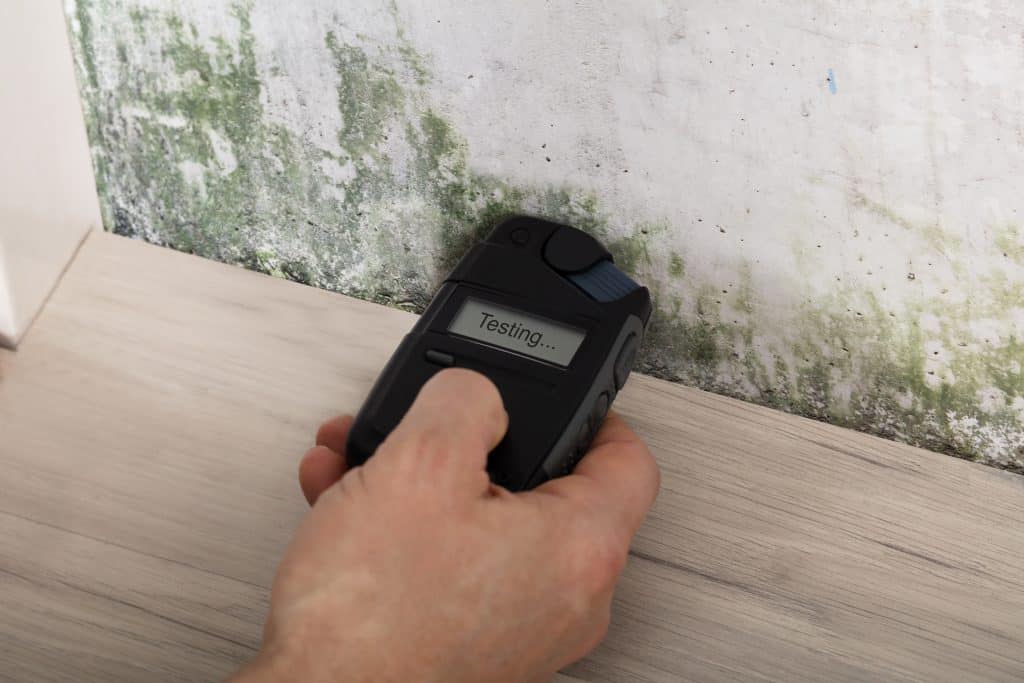
We don’t just scrub visible mold off your walls and call it done. We use moisture meters and infrared cameras to find hidden growth behind drywall, under flooring, and in crawl spaces. Then we remove it, treat the area, and address whatever’s feeding it—whether that’s a leaky pipe, poor ventilation, or basement moisture. If the source isn’t fixed, you’ll be dealing with this again in a few months.
Manayunk homes have character. They also have old brick, stone basements, and ventilation systems that weren’t designed for the humidity we get during Philadelphia summers. That’s why mold is so common here—and why surface-level cleaning doesn’t work.
We’ve worked in enough Manayunk rowhomes, twins, and older properties to know where mold hides and what’s usually causing it. We’re not a national franchise reading from a script. We’re a local mold removal company that understands how this area’s climate and housing stock create the perfect conditions for mold growth.
Our team is trained, certified, and equipped to handle everything from small bathroom mold issues to full basement remediation. We work with your insurance when applicable, offer financing, and provide free inspections so you know exactly what you’re dealing with before you spend a dollar.

First, we come out and do a free inspection. We’re looking for visible mold, but also using moisture meters and infrared cameras to find what you can’t see. We’ll tell you where the mold is, what’s causing it, and what it’ll take to fix it.
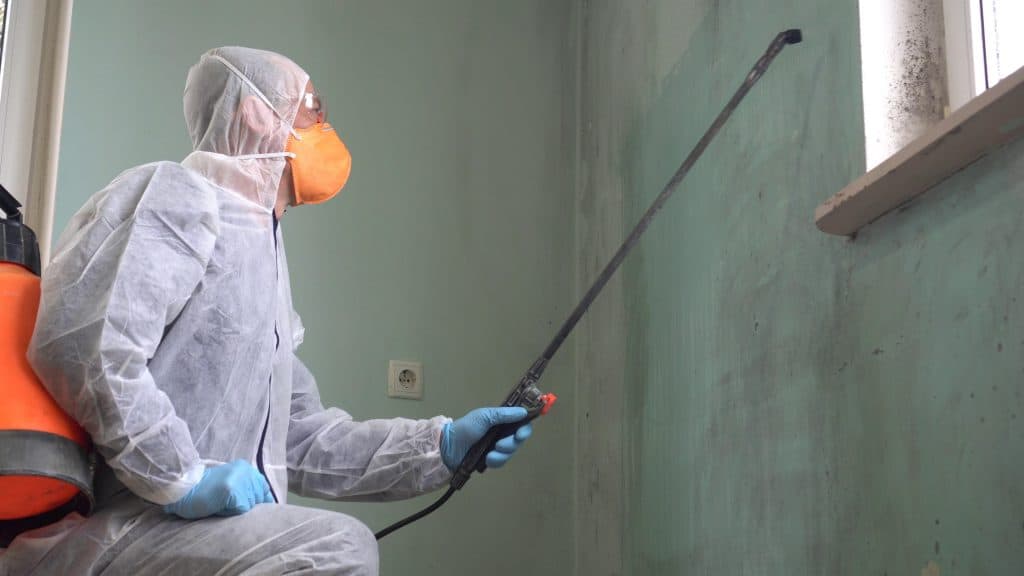
Once you approve the estimate, we contain the area to prevent spores from spreading during removal. We use HEPA air scrubbers to filter the air and physical barriers to isolate the workspace. Then we remove contaminated materials—drywall, insulation, flooring, whatever can’t be salvaged—and treat surfaces with antimicrobial solutions.
After the mold is gone, we address the moisture source. That might mean fixing a plumbing leak, improving ventilation, or waterproofing your basement. Without this step, the mold will return. We also clean and deodorize the space so it doesn’t smell musty anymore.
Finally, we test the air quality to confirm the mold is gone and the space is safe. You get documentation for your records or insurance claim, and we walk you through what to watch for going forward.
Ready to get started?
You’re not just paying for mold removal. You’re paying for a complete solution that keeps it from happening again.
That includes a thorough inspection with advanced detection equipment, full containment and air filtration during the job, safe removal of all contaminated materials, antimicrobial treatment of affected surfaces, and moisture source identification and repair. We also handle content cleaning for salvageable items, odor removal, air quality testing, and documentation for insurance purposes.
Manayunk’s location along the Schuylkill River and its older housing stock make moisture control especially important here. Many homes in this area have stone foundations or basements that weren’t built with modern waterproofing. When you combine that with Philadelphia’s humid summers and frequent rain, you get persistent moisture problems that feed mold growth.
We’ve seen it in finished basements, behind kitchen cabinets, in attics with poor ventilation, and under hardwood floors. The common thread is always moisture. If your home has had water damage, flooding, or ongoing humidity issues, mold is either already there or on its way. Our job is to eliminate what’s growing and stop new growth before it starts.
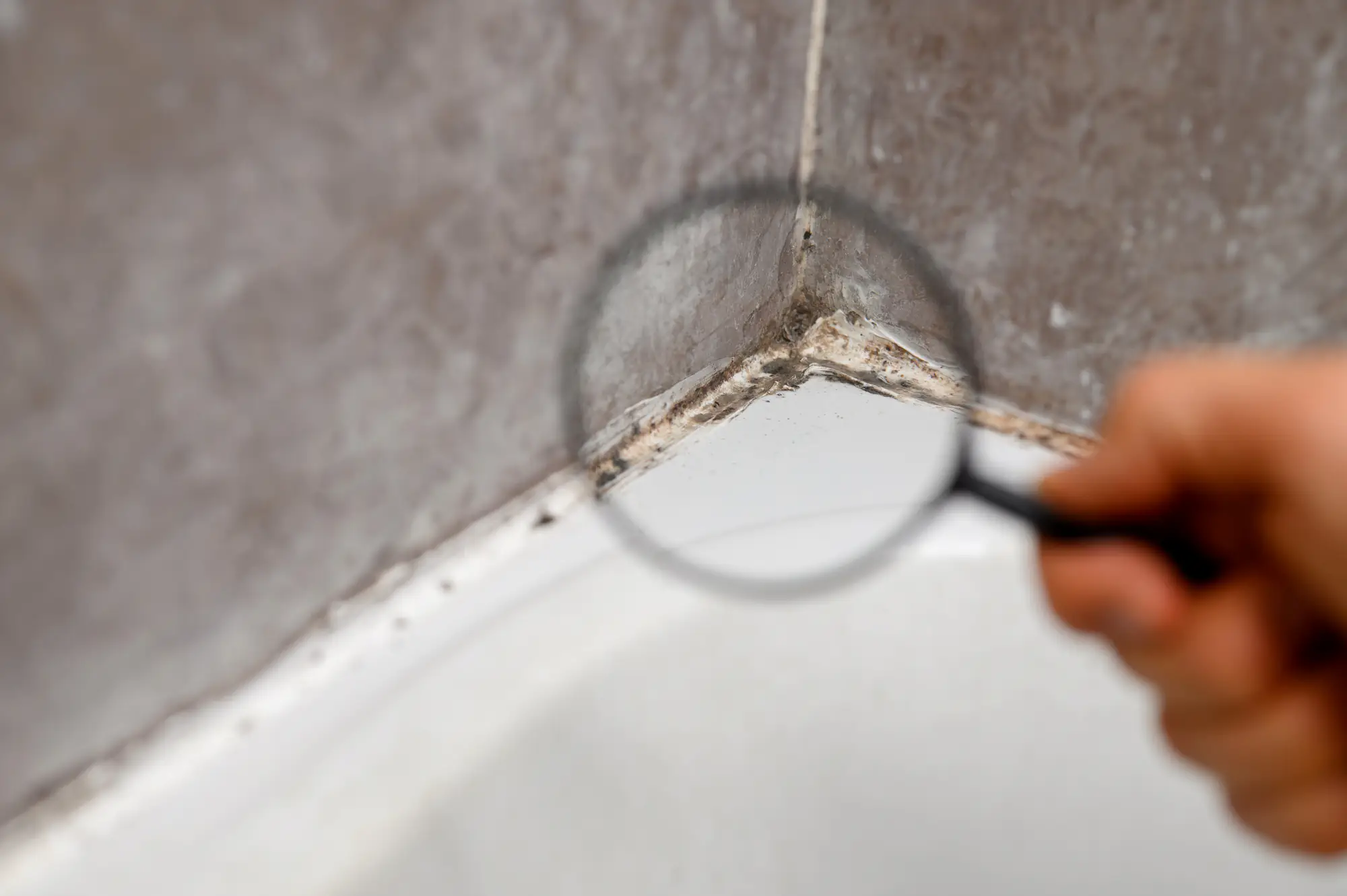
If the mold covers more than 10 square feet, you need a professional mold removal company. That’s the guideline from the EPA, and it’s based on health risk and the likelihood that there’s a bigger problem you can’t see.
Small spots on bathroom tile or a window sill? You can probably handle that with proper cleaning and ventilation. But if you’re seeing mold on drywall, insulation, carpeting, or multiple areas of your home, that’s a sign of a moisture problem that needs professional attention.
Also, if anyone in your home has asthma, allergies, or a compromised immune system, don’t try to remove mold yourself. Disturbing mold releases spores into the air, and that can cause serious respiratory reactions. Professional mold removal includes containment and air filtration to protect your health during the process.
Black mold—technically called Stachybotrys chartarum—always requires professional removal. It produces mycotoxins that can cause severe health issues, and it usually indicates significant water damage or ongoing moisture problems.
Most residential mold removal jobs take between one and three days, depending on the size of the affected area and what’s causing the moisture problem.
A small bathroom mold issue might be done in a day. A finished basement with mold behind drywall and under flooring could take three to five days, especially if we’re also addressing waterproofing or drainage issues.
The timeline also depends on how much material needs to be removed. If mold has gotten into insulation, subflooring, or structural wood, we have to remove and replace those materials. That takes longer than surface cleaning, but it’s the only way to completely eliminate the problem.
After the physical removal is done, we run air scrubbers and dehumidifiers to make sure the space is completely dry and the air quality is back to normal. We don’t consider the job finished until air testing confirms the mold is gone. Rushing this process just means you’ll be dealing with mold again in a few months, and nobody wants that.
It depends on what caused the mold. If it’s from a sudden, accidental event—like a burst pipe or storm damage—most homeowners insurance policies will cover mold removal. If it’s from long-term neglect or maintenance issues, probably not.
Insurance companies want to see that you’ve maintained your home and that the mold resulted from an unexpected event, not from ignoring a slow leak for six months. That’s why documentation matters. We provide detailed reports, photos, and moisture readings that show what caused the mold and what’s required to fix it.
We work directly with insurance companies and can help you navigate the claims process. We’ll provide the documentation your adjuster needs and communicate with them throughout the job. Many of our clients in Manayunk have successfully filed claims for mold removal after water damage from storms, plumbing failures, or roof leaks.
Even if insurance doesn’t cover it, we offer financing options to make professional mold removal affordable. Ignoring mold doesn’t make it go away—it makes it worse and more expensive to fix later.
Mold removal and mold remediation are often used interchangeably, but technically, remediation is the more accurate term. Here’s why: mold spores exist everywhere. You can’t remove every single spore from a building—that’s impossible.
What you can do is reduce mold levels to normal, safe levels and eliminate the conditions that allow it to grow. That’s remediation. It means removing visible mold growth, cleaning and treating affected surfaces, removing contaminated materials that can’t be saved, and fixing the moisture problem that caused it.
A mold specialist focused on true remediation doesn’t just kill what’s visible. We address the entire environment—moisture levels, ventilation, water intrusion, humidity control. Without that, you’re just treating symptoms.
Some companies will spray a biocide on visible mold and call it done. That might kill surface mold, but if the material underneath is still contaminated and the moisture source is still active, the mold will come back. Professional mold cleaning services include removal of affected materials, proper containment, air filtration, and source correction. That’s the difference between a temporary fix and a permanent solution.
Control moisture. That’s it. Mold needs moisture to grow, so if you keep your home dry, mold can’t establish itself.
That means fixing leaks as soon as you notice them—don’t wait. It means running exhaust fans in bathrooms and kitchens during and after showers or cooking. It means keeping indoor humidity below 50%, ideally between 30-45%. You can monitor this with a simple hygrometer from any hardware store.
In Manayunk, where many homes have basements and we get humid summers, dehumidifiers are essential. If your basement feels damp or smells musty, you need a dehumidifier running regularly. Make sure your gutters and downspouts are directing water away from your foundation, not pooling next to it.
Ventilation matters too. Attics need proper airflow to prevent condensation. Crawl spaces should be encapsulated or vented correctly. If you have rooms that don’t get much airflow, consider adding a fan or opening windows when weather permits.
After we complete a mold removal job, we’ll walk you through the specific conditions that caused your mold problem and what you need to do to prevent it. Most of our clients never deal with mold again because they address the moisture issues we identify.
Mold exposure affects everyone differently, but the most common symptoms are respiratory issues—stuffy nose, coughing, wheezing, throat irritation, and eye irritation. If you have asthma, mold can trigger attacks. If you have mold allergies, symptoms can be severe.
Children, elderly people, and anyone with a compromised immune system are at higher risk for serious reactions. For these groups, mold exposure can lead to lung infections or more severe respiratory problems.
Black mold is particularly concerning because it produces mycotoxins that can cause more serious health effects, including chronic fatigue, headaches, and respiratory distress. Not everyone reacts to black mold, but when someone does, the symptoms can be debilitating.
Here’s what most people don’t realize: even if you’re not experiencing symptoms now, long-term mold exposure can sensitize you over time. You might be fine for months, then suddenly start reacting. And once you’re sensitized, the reactions often get worse with continued exposure.
If anyone in your home is experiencing unexplained respiratory symptoms, allergies that won’t go away, or persistent headaches, and you suspect mold, get a professional inspection. The health risks aren’t worth ignoring, and the longer mold grows unchecked, the more expensive and complicated removal becomes.
Other Services we provide in Manayunk