

Hear from Our Customers
You stop worrying every time you walk past that basement corner or open the bathroom cabinet. The air smells normal again. Your family isn’t dealing with constant congestion or that nagging cough that won’t quit.
When mold is handled right, you’re not just covering up a problem. You’re eliminating the source, drying out the moisture that caused it, and restoring the parts of your home that got damaged. That means no more surprise patches showing up three months later because someone only wiped down the surface.
Your home value stays protected. If you ever sell, you won’t be scrambling to disclose mold issues or watching buyers walk away after an inspection. You’ll have documentation showing the work was done by certified professionals who knew what they were looking for and how to fix it permanently.
We work exclusively in Bucks County, which means we know exactly what causes mold problems in Solebury homes. The humid summers, the older basements with stone foundations, the crawl spaces that trap moisture after heavy rain. We’ve seen it all.
Our team uses thermal imaging and moisture mapping to find mold you can’t see yet. We’re certified in mold remediation, and we follow EPA-approved methods because your family’s health isn’t something to guess about. When we finish a job, you get a full report that shows what we found, what we removed, and what we did to prevent it from returning.
We’re local, we’re available when you need us, and we don’t disappear after the check clears. If you have questions two months later, you can still reach us.

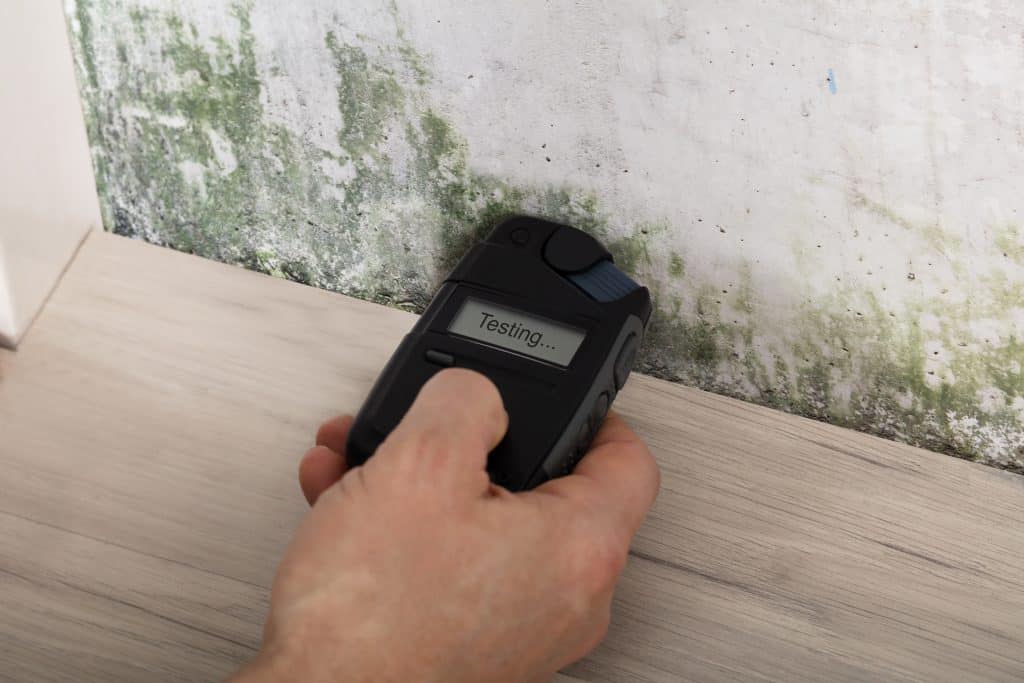
First, we come out and do a complete visual inspection of your property. We’re checking everywhere mold likes to hide: behind walls, under sinks, in HVAC systems, around windows, and in any area that’s seen water damage. We use moisture meters and thermal cameras to find problems you can’t see with your eyes alone.
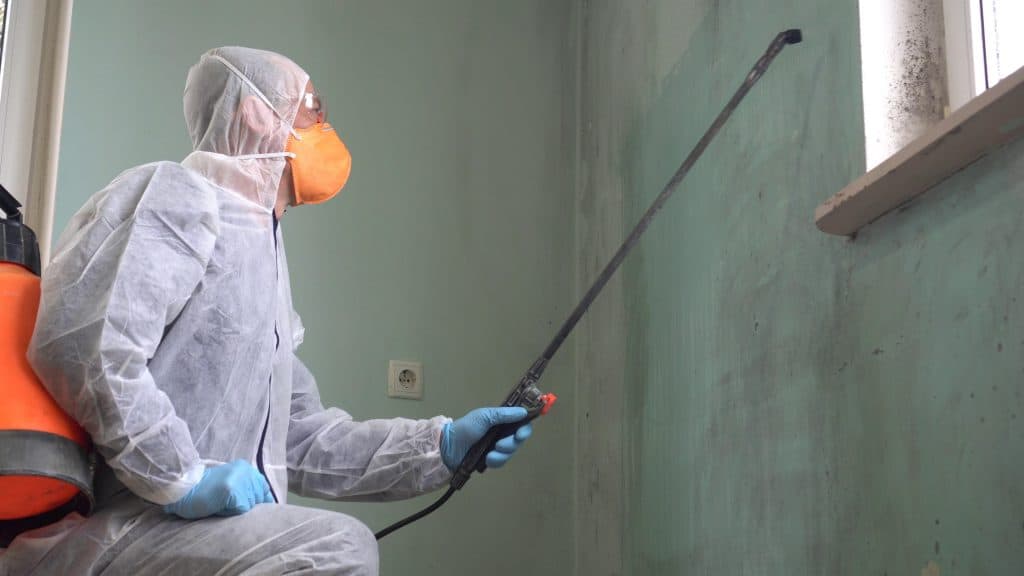
Once we know what we’re dealing with, we contain the area to prevent mold spores from spreading to clean parts of your home during removal. Then we remove all contaminated materials safely, treat affected surfaces with antimicrobial solutions, and use HEPA filtration to clean the air. If there’s structural damage, we handle that too.
After removal, we address the moisture problem that caused the mold in the first place. That might mean fixing a leak, improving ventilation, or installing a dehumidifier. Without this step, you’re just waiting for mold to come back. We also test the air quality after we’re done to confirm the space is safe. You get a detailed report with photos, lab results if we sent samples for testing, and our recommendations for keeping your home mold-free going forward.
Ready to get started?
You’re getting a full assessment with advanced diagnostic tools, not just someone eyeballing a stain. That includes moisture mapping, thermal imaging, and air quality testing when needed. If we need to send samples to a lab to identify the mold type, we do that too.
The removal process covers everything: containment setup, safe removal of contaminated materials, antimicrobial treatment, HEPA air scrubbing, and proper disposal. If mold damaged drywall, insulation, or flooring, we remove and replace it. We’re not leaving you with holes in your walls and a list of contractors to call.
In Solebury and throughout Bucks County, we’re seeing more mold cases tied to aging infrastructure and extreme weather patterns. Homes built in the 1960s and 70s often have basements that weren’t waterproofed to modern standards. When you combine that with the heavy rainfall we’ve had recently, you get the perfect conditions for mold growth. We factor in these local conditions when we assess your property and make recommendations. You also get a written report documenting everything we found and everything we did, which matters if you’re selling your home or dealing with insurance.
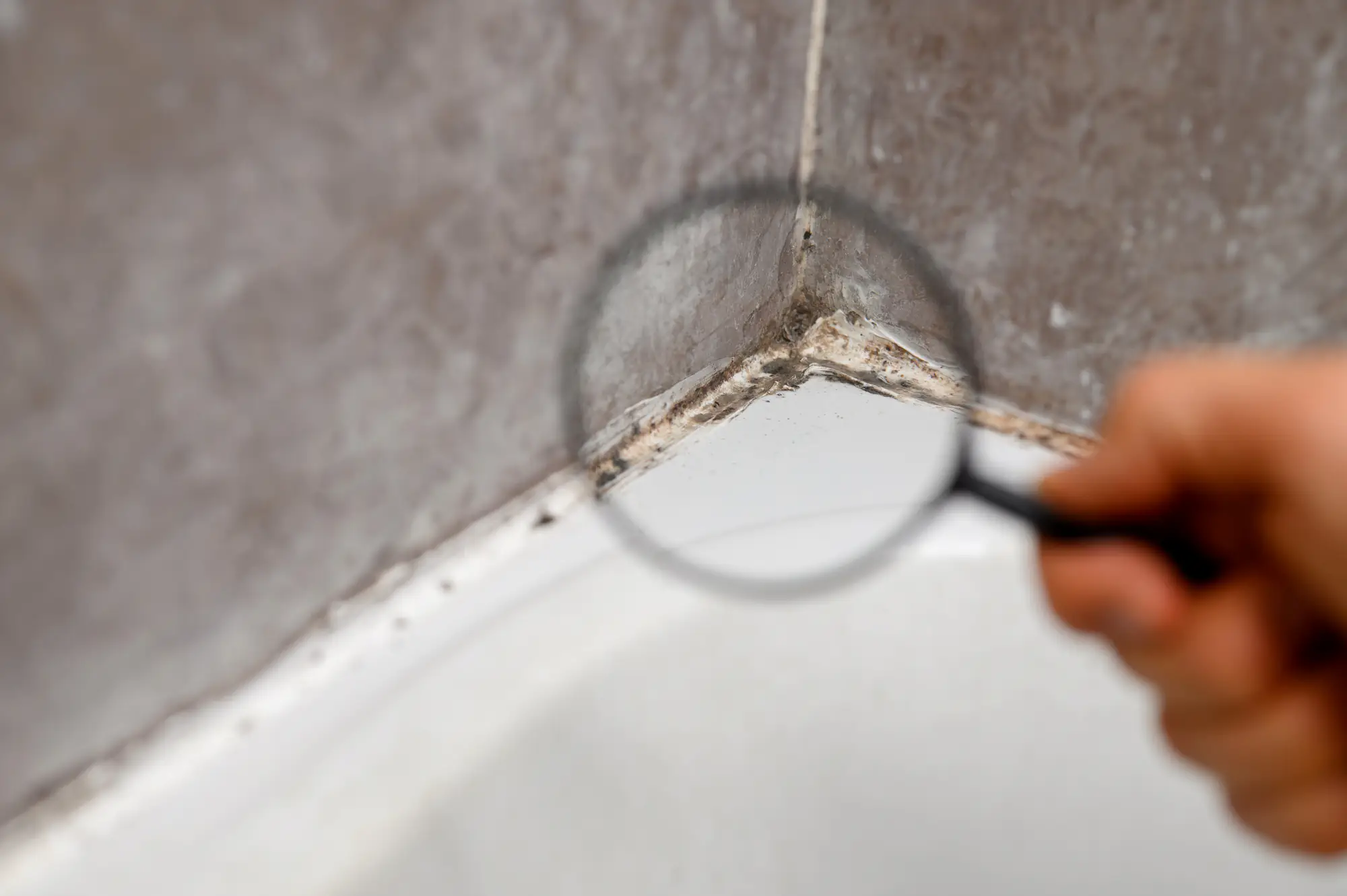
If you’re seeing visible growth that looks fuzzy, slimy, or discolored, that’s mold. If you smell a persistent musty odor even after cleaning, that’s usually mold growing somewhere you can’t see. If anyone in your home is experiencing unexplained respiratory issues, watery eyes, or skin irritation that gets better when they leave the house, mold exposure is a likely cause.
Normal moisture looks like condensation on windows or a damp basement after rain that dries out within a day or two. Mold needs sustained moisture over time. If an area stays damp for more than 48 hours, mold starts growing. That’s why leaks under sinks, slow drips inside walls, or basements with poor drainage turn into mold problems.
The tricky part is that mold often grows in places you don’t check regularly. Behind washing machines, inside HVAC ducts, under bathroom vanities, or in crawl spaces. A professional inspection with moisture meters and thermal imaging shows you what’s actually happening behind the surfaces. You’re not guessing based on a smell or a small stain you can see.
Bleach kills surface mold on non-porous materials like tile or glass, but it doesn’t penetrate porous surfaces like drywall, wood, or insulation. Mold has roots that grow deep into these materials. When you spray bleach on drywall, you’re killing what’s visible on top while the roots keep growing underneath. Two months later, it’s back.
Bleach also doesn’t address the moisture problem causing the mold. If you have a slow leak or humidity issue, cleaning visible mold is just temporary. The conditions that created the problem are still there. DIY cleaning also risks spreading mold spores throughout your home if you don’t contain the area properly. Every time you scrub or wipe, you’re releasing spores into the air that can land in new areas and start growing.
If the affected area is larger than 10 square feet, the EPA recommends professional remediation. If you’re dealing with black mold, if the mold is inside your HVAC system, or if it’s caused by contaminated water like a sewage backup, you need professionals with proper equipment and training. We use containment barriers, HEPA filtration, antimicrobial treatments, and we remove damaged materials that can’t be saved. You’re not just cleaning mold, you’re eliminating the source and preventing it from spreading or returning.
A typical residential mold removal project in Solebury takes between one and five days, depending on the size of the affected area and how much material needs to be removed. A small bathroom mold problem might be done in a day. A basement with widespread growth across multiple walls could take a week.
The inspection and testing happen first, usually within a few hours. Then we set up containment, which takes a few hours depending on the space. The actual removal and treatment process varies based on what we’re dealing with. If we’re just treating surface mold on concrete, that’s faster than removing drywall, insulation, and subflooring. After removal, HEPA air scrubbing runs for 24-48 hours to clean airborne spores.
If you need reconstruction after we remove damaged materials, that adds time. We handle that work too, so you’re not waiting for another contractor to fit you into their schedule. Most customers can return to the affected area within 3-5 days after we start. We’ll give you a specific timeline after the inspection when we know exactly what we’re dealing with. Emergency situations get priority scheduling, and we’re available 24/7 if you’re dealing with flooding or sudden water damage that needs immediate attention.
Mold comes back when the moisture source wasn’t fixed. You can remove every visible trace of mold, but if water is still leaking from a pipe, condensation is still forming on cold surfaces, or humidity levels are still too high, new mold will grow in the same spot. It’s not the same mold returning, it’s new growth in the same conditions.
Common moisture sources that get missed: slow leaks inside walls that aren’t visible, poor ventilation in bathrooms or kitchens, condensation on cold water pipes, groundwater seeping through basement walls, clogged gutters causing water to pool near the foundation, or HVAC systems that aren’t draining properly. If the company that removed your mold didn’t use moisture meters to track down the source, they probably missed something.
That’s why our process includes finding and fixing the cause, not just treating the symptom. We use thermal imaging to see temperature differences that indicate hidden moisture. We check humidity levels throughout your home. We look at drainage around your foundation and ventilation in problem areas. If you need a dehumidifier, better exhaust fans, or repairs to your waterproofing, we’ll tell you. Some companies just want to remove the mold and move on to the next job. We want to make sure you’re not calling us back in six months with the same problem.
Most residential mold removal projects in Bucks County range from $1,500 to $6,000, depending on the size of the affected area, the type of mold, and how much material needs to be removed and replaced. A small isolated area like under a sink might cost $1,500-$2,500. A full basement remediation with structural repairs can run $4,000-$8,000 or more.
The inspection and testing usually cost $300-$500 if you’re not moving forward with remediation, but we waive that fee if you hire us for the removal work. The bulk of the cost comes from labor, containment setup, specialized equipment like HEPA air scrubbers, safe disposal of contaminated materials, and reconstruction if walls or flooring need to be replaced.
Insurance sometimes covers mold removal if it’s caused by a covered event like a burst pipe, but most policies don’t cover mold resulting from long-term neglect or maintenance issues. We can work with your insurance company and provide the documentation they need. We also give you a detailed written estimate after the inspection so you know exactly what you’re paying for before any work starts. Delaying mold removal costs more in the long run because the affected area keeps growing, more materials get damaged, and health risks increase. The sooner you address it, the less expensive it is to fix.
Black mold, specifically Stachybotrys chartarum, produces mycotoxins that can cause serious health problems, especially with prolonged exposure. Symptoms include respiratory issues, chronic coughing, headaches, fatigue, skin irritation, and in severe cases, neurological problems. People with asthma, allergies, or weakened immune systems are at higher risk for serious reactions.
That said, not all black-colored mold is Stachybotrys. Several types of mold appear black or dark green. The only way to know for sure what you’re dealing with is lab testing. But here’s the thing: all mold growing indoors is a problem, regardless of type. Even non-toxic mold species cause allergic reactions, aggravate asthma, and damage your home’s structure over time.
The danger with black mold specifically is that it tends to grow on materials with high cellulose content like drywall, wood, and insulation, especially after water damage. If you’re seeing black mold, it usually means there’s been significant moisture exposure. Don’t try to remove it yourself. Disturbing black mold releases spores and mycotoxins into the air, increasing your exposure. Professional remediation with proper containment, protective equipment, and HEPA filtration is the safe approach. We test the air quality after removal to confirm the space is safe before you or your family go back in.
Other Services we provide in Solebury