

Hear from Our Customers

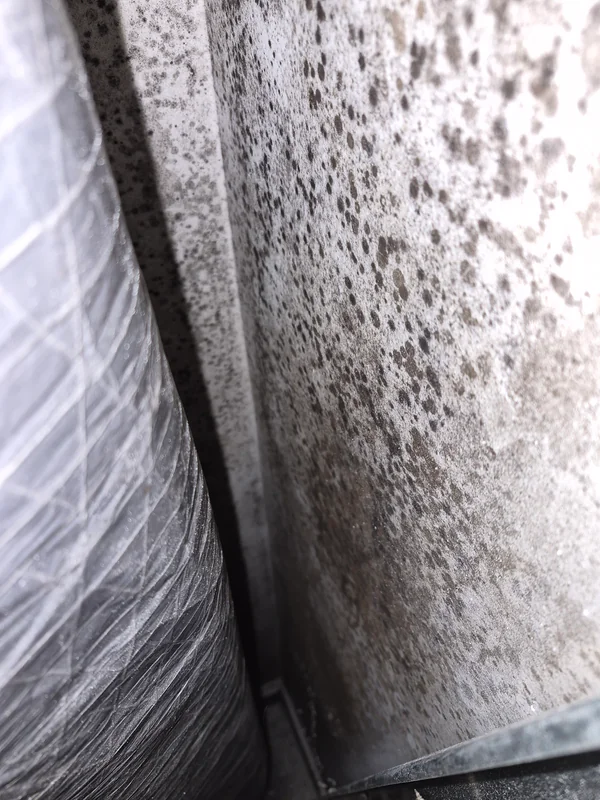
Most homeowners in Solebury discover mold in their HVAC system the same way a musty smell that intensifies when the heat or AC kicks on. By that point, the system has already been cycling spores into every room it serves. Professional cleaning and inspection stops the distribution before it becomes a household health issue.
For properties along the Delaware River corridor or near Aquetong Creek and Paunacussing Creek, this is especially critical. FEMA has formally designated Special Flood Hazard Areas throughout Solebury Township, and even minor moisture events a wet basement after a storm, high groundwater in spring can introduce mold into a crawl space or basement ductwork section within 24 to 48 hours. That moisture doesn’t announce itself. It quietly creates the right conditions for mold to grow in the parts of your HVAC system you’ll never see without professional inspection.
Solebury’s fieldstone farmhouses and older village properties in Carversville and Phillips Mill add another layer to this challenge. Historic stone construction holds moisture longer than modern materials. Retrofitted ductwork in these homes often runs through spaces that weren’t designed for it and those hidden dead zones are exactly where mold establishes first.
We’ve been based in Bensalem and serving Bucks County for over 15 years. That means our team has worked in the same Delaware River-corridor homes, the same creek-adjacent properties, and the same 18th-century fieldstone farmhouses that make Solebury Township unlike anywhere else in the county.
What separates us from a general HVAC contractor or a duct cleaning company is our mold certification. When a technician without remediation training disturbs mold inside a duct system, they can spread spores throughout the home. We bring containment protocols, certified inspectors, and lab testing to every job which means the work gets done right, and you get documentation proving it.
We already have an active presence in Solebury for mold removal work. This isn’t a company expanding into unfamiliar territory. We know the township, we know the housing stock, and we know what moisture from the Delaware River and its tributaries does to older homes over time.
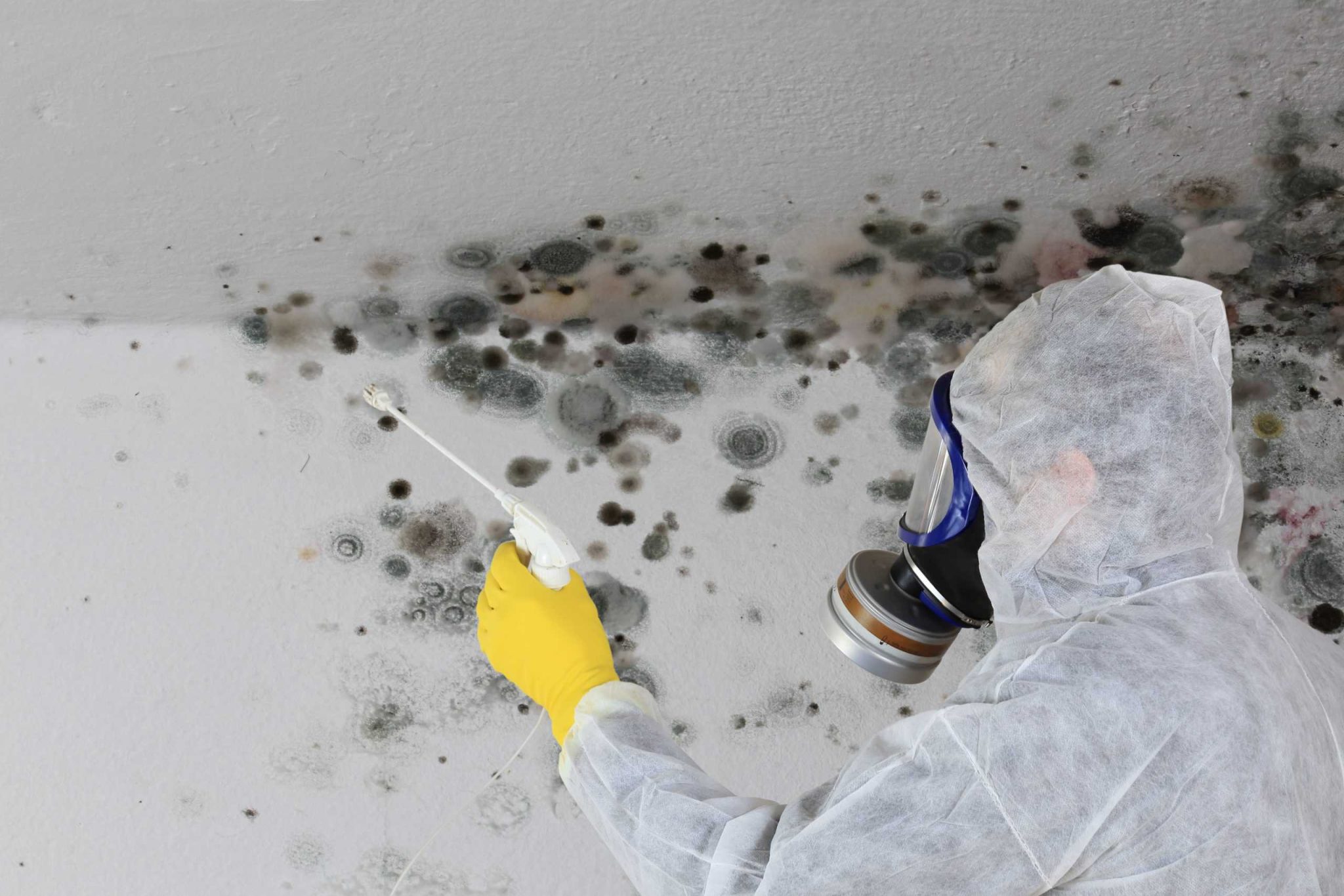
It starts with a free inspection. Before anything is quoted or scheduled, a certified inspector assesses the condition of your HVAC system looking at the ductwork, the registers, the areas near the air handler, and any sections of the system that run through crawl spaces or basement voids. In Solebury homes, that inspection often includes a close look at areas that have had any history of water intrusion, since the township’s flood-prone corridors along the Delaware River and its tributaries make moisture exposure a real and recurring factor.
If mold is found, the process shifts into remediation mode not just cleaning. Containment barriers go up to prevent spores from spreading to unaffected areas of the home. HEPA filtration equipment runs throughout the job. Antimicrobial treatments are applied after mechanical cleaning to address biological contamination that a vacuum alone won’t eliminate. This is where having a mold specialist rather than a general duct cleaner matters most.
After the work is done, we test the affected areas to confirm the mold is gone. That’s not standard practice in this industry most companies clean and leave. The post-job lab verification is something our customers have specifically called out in reviews, and it’s the difference between being told the job is done and actually knowing it. You get upfront pricing before the work starts and no surprises when it’s finished.
Ready to get started?
We handle the full range of what an older, moisture-exposed Solebury home typically needs. Air duct cleaning addresses the physical debris dust, particulate matter, and biological buildup that accumulates in ductwork over years of use. Air duct sanitizing goes further, applying antimicrobial treatments after mechanical cleaning to eliminate the mold spores and bacteria that remain after the visible contamination is removed. When mold has been confirmed in the system, both steps are necessary. Cleaning without sanitizing leaves the biological problem partially addressed.
Dryer vent cleaning is also part of our service. This one gets treated as optional maintenance by a lot of homeowners, but the fire risk is real the NFPA reports roughly 15,970 dryer-related house fires annually in the U.S., with failure to clean the vent as the leading cause. In larger Solebury estate homes where the laundry room is far from an exterior wall, dryer vent runs tend to be longer, which means lint accumulates faster and the hazard is more pronounced.
For Solebury homeowners who have recently renovated a historic property which is common in this market post-renovation duct cleaning is specifically recommended by the EPA. Construction debris like drywall dust and insulation particles contaminates ductwork during renovation work and circulates through the home every time the system runs. We address that too. Solebury Township maintains its own inspection and licensing standards, and we operate in full compliance with local requirements across Bucks County.
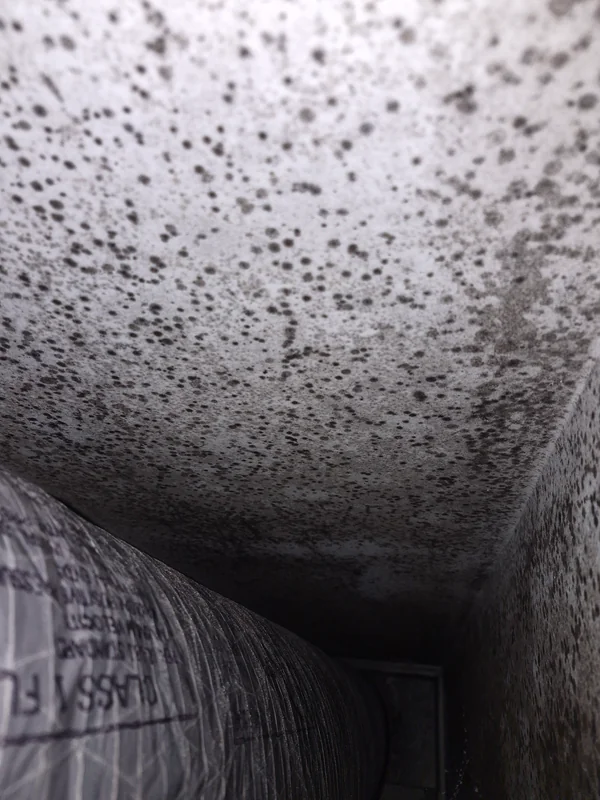
The most common sign is a musty odor that gets noticeably stronger when your HVAC system turns on. If the smell is present when the system is off but intensifies when it runs, that’s a specific indicator that something biological is in the ductwork not just general old-house character. Other signs include visible discoloration around registers, worsening allergy or respiratory symptoms indoors, or a history of water intrusion in the basement or crawl space.
In Solebury Township, the flood risk is formally documented. FEMA has designated Special Flood Hazard Areas throughout the township, and properties near the Delaware River, Aquetong Creek, or Paunacussing Creek are particularly vulnerable to the kind of moisture events that introduce mold into a home’s lower ductwork sections. If your home has experienced any basement flooding or sustained high groundwater even if it dried out a professional inspection of the HVAC system is worth doing. We offer free inspections, so you’re not paying anything to find out whether there’s actually a problem.
Yes, and this distinction matters. If mold has been found and remediated in a basement, crawl space, or wall cavity, the HVAC system needs to be evaluated as a separate concern. Mold spores are airborne, and the return air ducts pull air from throughout the home including from areas where mold was present. That means spores can be drawn into the system and deposited in the ductwork even if the visible mold was in a completely different part of the house.
A standard duct cleaning company will clean what’s accessible. A certified mold remediation specialist will assess whether the contamination has reached the duct interior, apply proper containment to prevent cross-contamination during the cleaning process, and follow up with lab testing to verify the system is clear. Skipping that step after a mold remediation job elsewhere in the home is one of the more common reasons homeowners end up dealing with recurring mold problems. We handle both the remediation and the duct cleaning, which means nothing falls through the gap between two separate contractors.
For most homes, the general industry recommendation is every three to five years under normal conditions. But “normal conditions” doesn’t describe most of Solebury Township’s older housing stock. Homes built in the 18th and 19th centuries the fieldstone farmhouses in Carversville, the village properties along River Road in Lumberville, the historic estates throughout the township have construction characteristics that create more moisture exposure than a standard modern home.
Stone holds humidity longer, retrofitted ductwork often runs through uninsulated spaces, and the proximity to the Delaware River and its tributaries means groundwater levels stay elevated longer after rain events. For homes in these conditions, a more frequent inspection cycle makes sense particularly after any moisture event, after a significant renovation, or if you’ve moved into a property and don’t have documentation of when the ducts were last cleaned. Bucks County receives about 49 inches of rain annually, well above the national average of 38 inches, which compounds the moisture exposure over time.
If you’re not sure where your home stands, a free inspection from us gives you a clear answer without any upfront cost.
Cleaning and sanitizing are two separate steps that address two different problems. Air duct cleaning is the mechanical process using professional equipment to remove the physical debris that has accumulated in the ductwork: dust, particulate matter, insulation fragments, and visible biological buildup. This is the step most people picture when they think about duct cleaning.
Air duct sanitizing happens after the mechanical cleaning is complete. It involves applying an antimicrobial treatment to the interior surfaces of the ductwork to eliminate the mold spores, bacteria, and other biological contaminants that remain even after the visible material has been removed. Spores are microscopic you can’t see them, and a vacuum won’t capture all of them. When mold has been confirmed in a duct system, sanitizing isn’t optional. Cleaning without it leaves the biological problem partially in place. For Solebury homes that have had any history of moisture intrusion which covers a significant portion of the township’s flood-adjacent and creek-adjacent properties the combination of cleaning and sanitizing is the complete answer, not just one or the other.
It can, and the effects tend to be gradual enough that people don’t immediately connect them to the HVAC system. The most common symptoms from mold exposure through ductwork are respiratory persistent coughing, wheezing, nasal congestion, sore throat, and eye irritation. For household members who already have asthma or other respiratory conditions, those symptoms can be significantly more pronounced. Research indicates that the risk of asthma attacks doubles in homes with active mold exposure.
The reason HVAC mold is particularly problematic compared to localized mold in a single room is the distribution mechanism. Every time your heating or cooling system runs, it pulls return air from throughout the home, passes it through the duct system, and pushes conditioned air back out through every supply register. If mold is present in the ductwork, that cycle distributes spores continuously to every room the system serves. The EPA notes that indoor air concentrations of some pollutants can be two to five times higher than outdoor levels, and a contaminated HVAC system is one of the primary drivers of that gap. For Solebury homeowners who are home most of the day whether retired or working remotely the daily exposure adds up quickly.
Yes. Dryer vent cleaning is part of our service offering, and it’s worth taking seriously as a fire safety issue rather than routine maintenance. The National Fire Protection Association reports approximately 15,970 home structure fires involving dryers each year in the U.S., with the leading cause being failure to clean the vent. Lint is highly combustible, and it accumulates in the vent line every time the dryer runs.
In Solebury’s larger estate homes and historic properties, dryer vent runs are often longer than in typical suburban construction the laundry room may be far from an exterior wall, or the vent may need to navigate around historic structural elements. Longer vent runs mean lint accumulates faster and the restriction builds up more quickly, which is both a fire hazard and a cause of reduced dryer efficiency. A clogged vent also traps heat and moisture inside the dryer, which shortens the life of the appliance. We clear the full length of the vent line and confirm proper airflow at the exterior termination point, so you’re not left guessing whether the job was actually complete.
Other Services we provide in Solebury