
Hear from Our Customers
You’re not looking for someone to spray bleach and call it done. You need mold gone at the source so your family stops dealing with allergies, your basement stops smelling like a wet basement, and you can stop worrying about what’s growing behind your walls.
Most mold problems in Solebury homes start where you can’t see them. Attics with poor ventilation. Crawl spaces sitting on clay soil that holds moisture. Older homes built before anyone cared about airflow. Bucks County’s humid summers don’t help—humidity above 60% is all mold needs, and we regularly hit 70% in July and August.
When we’re done, you’re not just getting a cleaner house. You’re getting air quality that doesn’t trigger asthma. Property value that doesn’t tank when an inspector shows up. Peace of mind that the problem isn’t just hidden better than before.
Mack’s Mold Removal isn’t a franchise with a call center three states away. We’re local to Bucks County, and our team knows exactly what happens to homes here when humidity spikes and basements flood.
We’ve seen what happens when someone tries the DIY route or hires the cheapest guy on Craigslist. The mold comes back. Sometimes worse than before. That’s why we use thermal imaging and moisture meters to find problems you didn’t even know existed, and why every job comes with a 5-year warranty.
You’re dealing with a significant investment—median home values in Solebury are over $700,000. We treat it that way. Our certified inspectors don’t rush. They document everything for insurance, explain what they find, and only recommend what actually needs to be done.
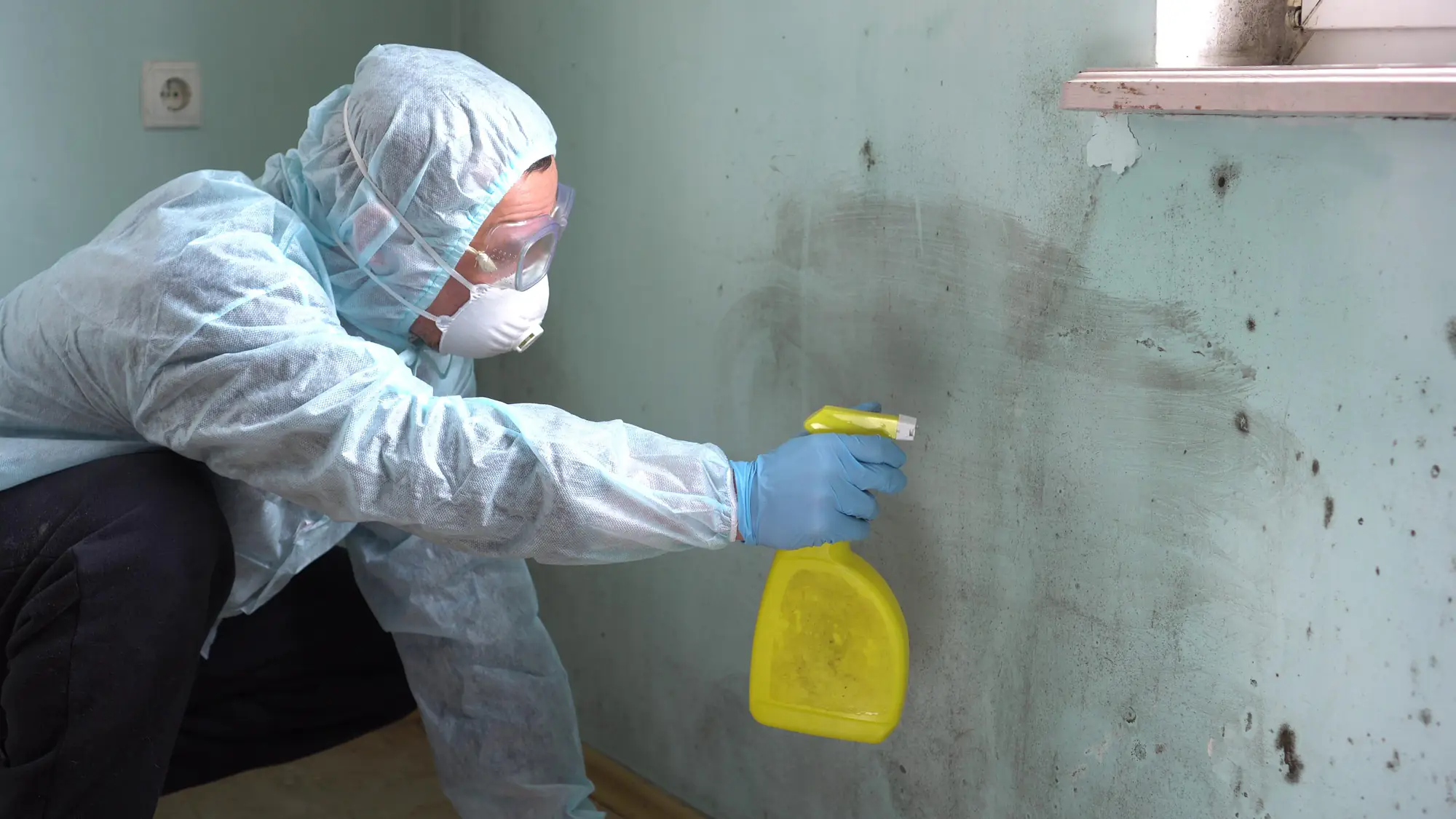
First, we come out for a free inspection. No pressure, no sales pitch—just a thorough look at what’s going on. We use moisture meters and thermal imaging to find mold you can’t see and identify where the moisture is actually coming from.
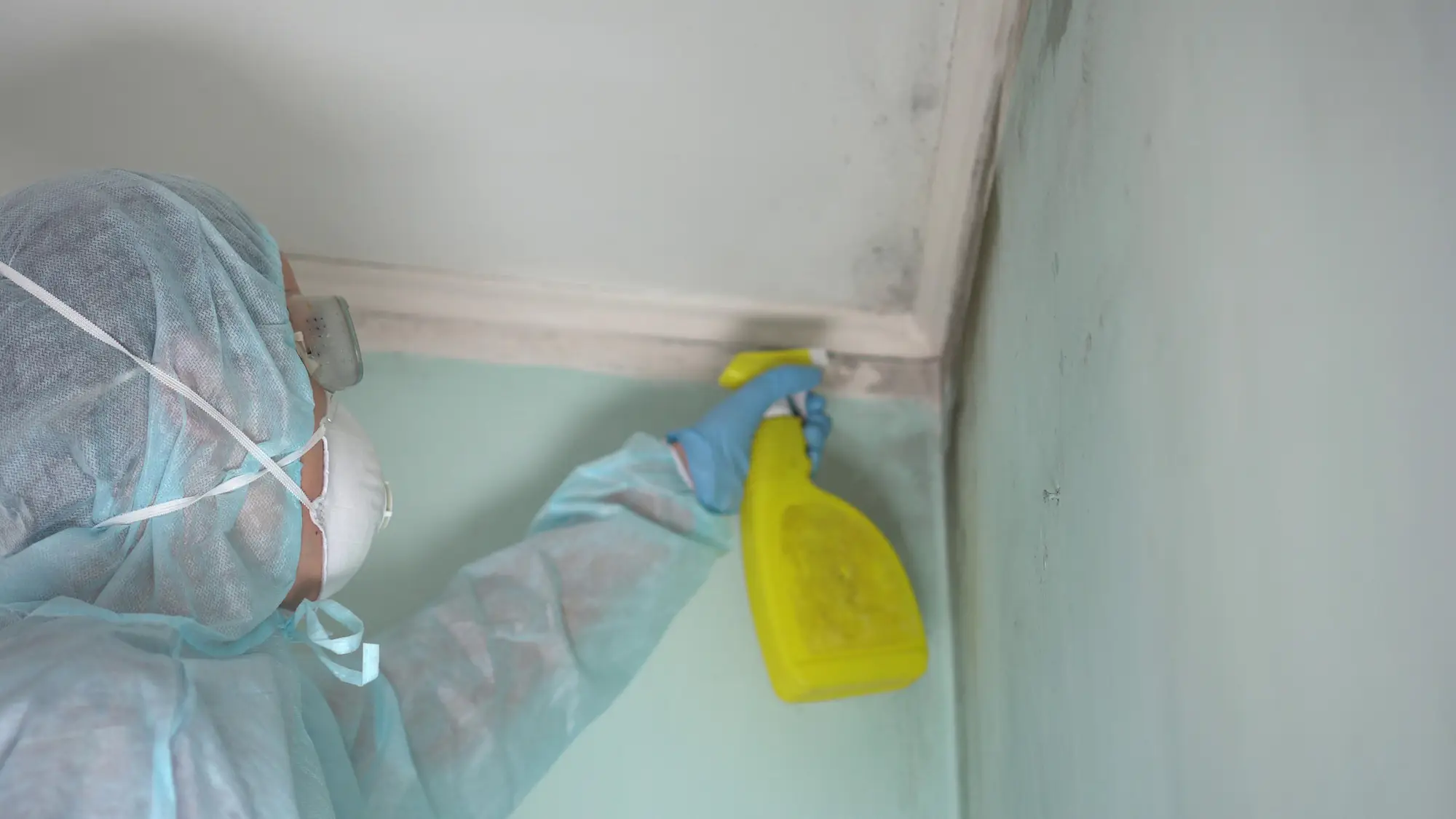
Once we know what we’re dealing with, we contain the area so mold spores don’t spread to the rest of your home during removal. Then we remove contaminated materials using EPA-approved methods, treat affected surfaces, and eliminate the moisture source—whether that’s a leaky pipe, poor ventilation, or groundwater seeping through your foundation.
After removal, we verify air quality and moisture levels are back to normal. You get full documentation for your records and insurance. And if mold comes back within five years, we come back and fix it. Most jobs take one to three days depending on the extent of the problem, and we’re available 24/7 if you’re dealing with an emergency situation like a burst pipe or major leak.
Ready to get started?
You’re getting a certified mold removal specialist who shows up with the right equipment, not someone guessing. That means thermal imaging cameras that detect temperature differences behind walls where mold hides. Moisture meters that measure exactly how wet your materials are. Air scrubbers with HEPA filters that capture mold spores during removal.
In Solebury, we’re dealing with specific challenges. Many homes here were built in the 1800s and early 1900s, long before modern building codes addressed ventilation and moisture barriers. Your basement might be sitting on clay soil that doesn’t drain well. Your attic might not have proper ventilation for Pennsylvania’s temperature swings. We’ve handled all of it.
You also get someone who works directly with your insurance company. We document everything they need to see, provide detailed estimates, and handle the back-and-forth so you don’t have to. About half of homebuyers walk away from a deal once they learn a property had mold—we make sure you have proof the problem was handled correctly if you ever sell.
And if you’re dealing with black mold specifically, we treat it seriously. Black mold can cause respiratory issues, trigger asthma attacks, and irritate eyes and skin. We don’t just clean what you can see—we test air quality, identify the species, and eliminate it completely.

If your basement smells musty, you have excess moisture—and where there’s moisture, there’s usually mold. Most people think they only have a problem if they see visible growth, but mold often hides behind walls, under flooring, or in HVAC systems.
The smell is caused by microbial volatile organic compounds (MVOCs) that mold releases as it grows. It’s not just unpleasant—it’s a sign that mold is actively breaking down organic materials in your home. In Bucks County, basements are especially prone to this because of our clay soil and high groundwater tables.
If you’re noticing the smell, increased allergy symptoms, or any visible discoloration on walls or ceilings, get a professional inspection. We use moisture meters to measure exactly how much water is in your building materials and thermal imaging to spot temperature differences that indicate hidden moisture. A free inspection tells you exactly what you’re dealing with—no guessing required.
Mold removal means getting rid of visible mold. Mold remediation means fixing the problem so it doesn’t come back. You want remediation.
Here’s why that matters: mold spores are everywhere. They’re in the air right now. The problem isn’t the spores—it’s when they land on a wet surface and start growing. If someone just removes the mold but doesn’t fix the leak, improve the ventilation, or address the humidity issue, you’re going to have mold again in a few months.
Remediation includes identifying the moisture source, eliminating it, removing contaminated materials, treating affected areas, and verifying that moisture and air quality levels are back to normal. That’s what we do. We don’t just make it look better temporarily—we actually solve the problem. And our 5-year warranty backs that up.
Most residential mold remediation jobs in Solebury run between $1,500 and $6,000, depending on the size of the affected area and what caused it. A small bathroom with surface mold costs less than an entire basement with structural damage.
The cost depends on a few factors: how much area is affected, what materials need to be removed (drywall is cheaper than hardwood flooring), whether we’re dealing with black mold or a less aggressive species, and what’s causing the moisture. Fixing a leaky pipe is straightforward. Addressing groundwater intrusion in a basement requires more work.
We provide a detailed estimate after the free inspection so you know exactly what you’re paying for and why. Many homeowners insurance policies cover mold remediation if it’s caused by a covered event like a burst pipe—we’ll document everything your insurer needs and work directly with them to make the claims process easier. Don’t skip professional remediation to save money. Mold can drop your property value by 20-37%, and half of potential buyers walk away once they learn a home had mold issues.
Bleach kills surface mold on non-porous materials like tile or glass, but it doesn’t work on porous materials like drywall, wood, or insulation—and that’s where most mold problems actually are. Bleach also doesn’t address the moisture source, so the mold just comes back.
Here’s what happens when you spray bleach on drywall: the chlorine stays on the surface and kills what you can see, but the water in the bleach solution soaks into the porous material and actually feeds the mold roots deeper in the wall. You’ve made the problem worse, not better.
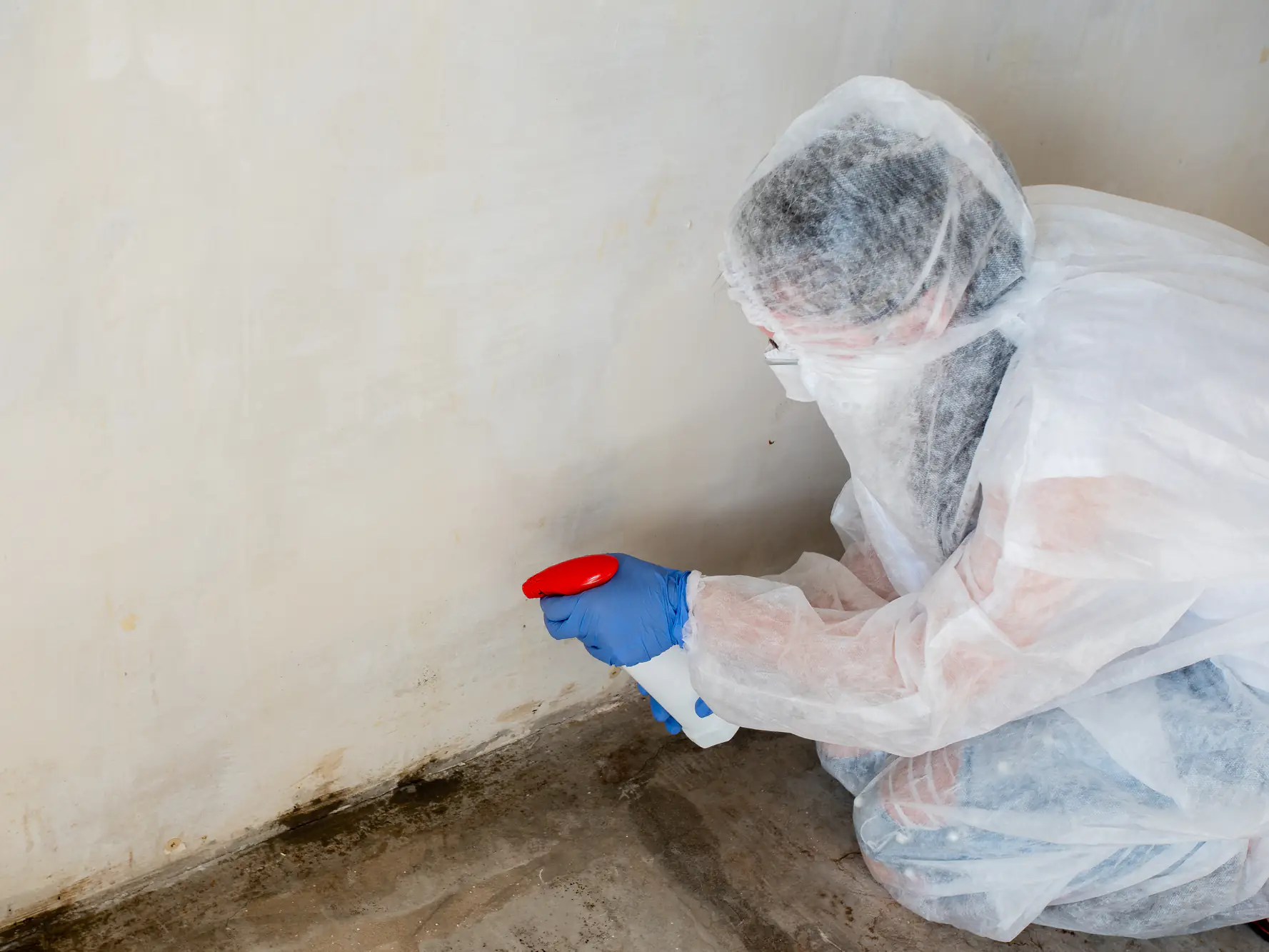
Professional mold remediation uses EPA-approved antimicrobial treatments designed for porous materials, removes contaminated materials that can’t be salvaged, and eliminates the moisture source. We also contain the work area so mold spores don’t spread to other parts of your home during removal. If you’re dealing with a small patch of surface mold on a bathroom tile, sure, clean it yourself. If it’s on drywall, wood, or covering more than 10 square feet, call us. Mold can start growing within 24-48 hours after materials get wet, and it spreads fast in humid climates like ours.
Most residential mold remediation projects take one to three days, depending on the size of the affected area and how extensive the damage is. A single bathroom might be done in a day. A full basement with structural issues might take a week.
The timeline depends on what we find during inspection. If it’s surface mold on a small area, removal and treatment are quick. If we’re dealing with mold inside wall cavities, we need to remove drywall, treat the framing, let everything dry completely, and verify air quality before closing things back up. Drying time alone can add a day or two.
We also offer 24/7 emergency service if you’re dealing with an urgent situation like a burst pipe or major leak. The faster you address water damage, the less likely you are to develop a serious mold problem—mold starts growing within 24-48 hours in humid conditions. We’ll give you a clear timeline after the inspection so you know what to expect and can plan accordingly.
It depends on how far the mold has spread and what materials are affected. In many cases, we can treat and save materials. In others, contaminated drywall or insulation needs to be removed and replaced.
Here’s the reality: if mold has been growing unchecked for months or years, it’s already damaged your home. Mold breaks down organic materials—wood, drywall, insulation, even carpet. The longer it grows, the more structural damage it causes. Professional remediation stops that damage and removes what can’t be saved.
We don’t remove materials unnecessarily. If we can treat and salvage something, we do. But if drywall is saturated or insulation is contaminated, leaving it in place just means the mold comes back. We’ll walk you through exactly what needs to happen during the inspection, explain why, and give you a detailed scope of work before we start. Most jobs require some material removal, but we’re not tearing apart your entire house unless the mold problem is severe. And everything we do is documented for insurance purposes.
Other Services we provide in Solebury