
Hear from Our Customers
Mold doesn’t just look bad. It spreads fast, damages your property, and puts your family’s health at risk every day it’s there.
You’re dealing with respiratory issues that won’t quit. Musty smells that won’t go away no matter how much you clean. Black spots creeping across walls or ceilings. Maybe you’ve tried bleach or a dehumidifier, but the problem keeps coming back because the real issue is hidden behind the drywall or under the floor.
That’s what professional mold remediation fixes. Not just the mold you see, but the moisture source feeding it. When the job’s done right, you’re not masking the problem. You’re eliminating it. Your air quality improves. The smell disappears. You stop worrying about what’s growing in places you can’t see.
Bucks County’s humidity averages 72% in late summer. Your basement gets damp. Your crawlspace traps moisture. Ice dams in winter lead to leaks in spring. These aren’t rare problems here. They’re constant, and mold thrives in exactly these conditions. You need someone who knows how to handle it the right way.
We’ve worked in Whitewood and throughout Bucks County long enough to know exactly where mold hides in homes around here. We know the basements that flood every spring. The older homes with poor ventilation. The crawlspaces that stay damp year-round.
Our technicians are trained in mold remediation, not just cleanup. That means we follow EPA standards, use professional-grade equipment, and don’t cut corners. We offer free inspections because we want you to know what you’re dealing with before you spend a dollar.
We’re local. We’re certified. And we’re available 24/7 when you have an emergency, because mold doesn’t wait for business hours.
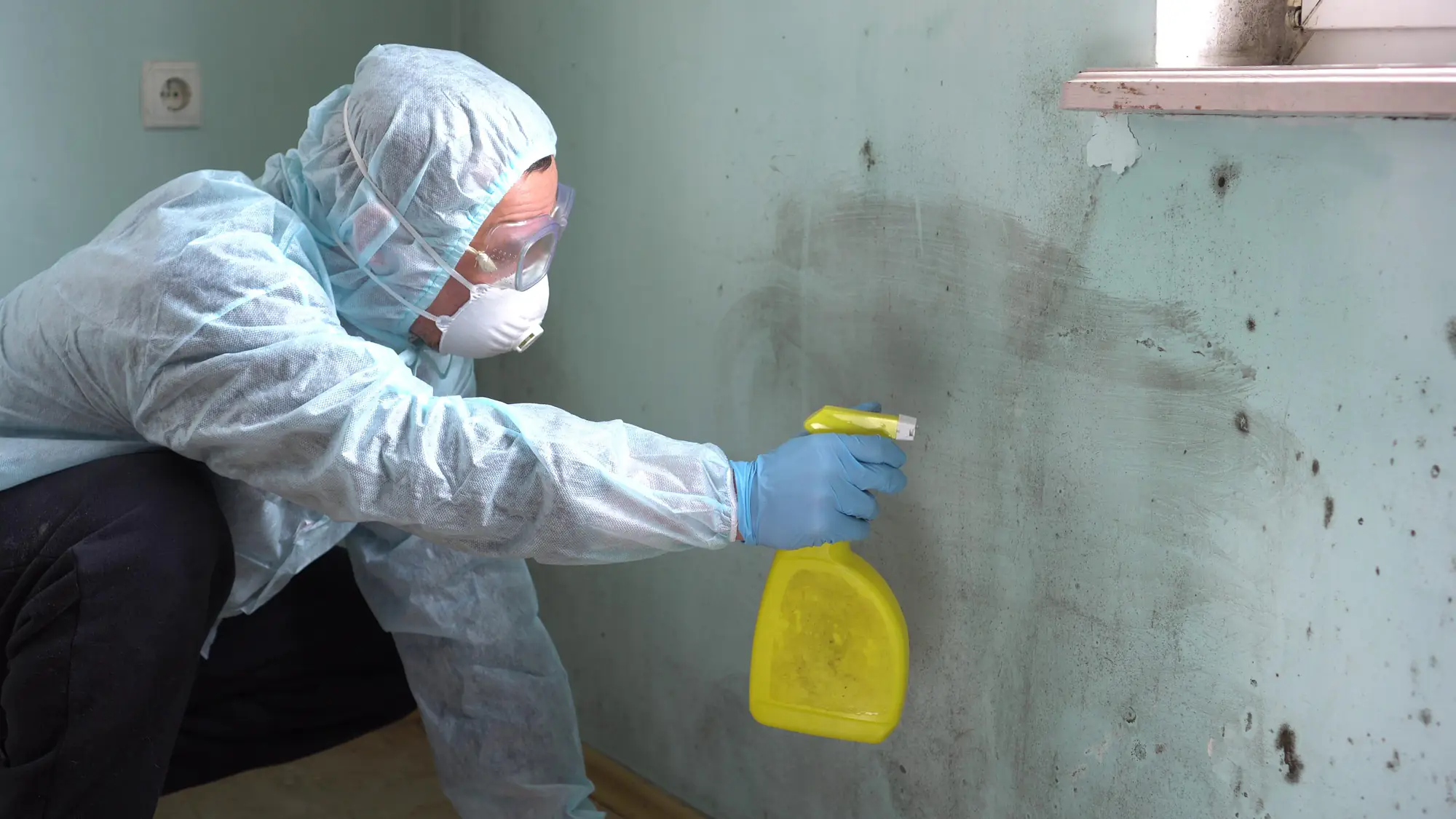
First, we inspect your property. We’re looking for visible mold, but also testing air quality and checking moisture levels in walls, floors, and ceilings. We use Instascope technology that analyzes airborne mold spores in real time without waiting days for lab results.
Once we know what we’re dealing with, we give you a clear estimate. No surprises. No upselling. Just an honest breakdown of what needs to happen and what it’ll cost.
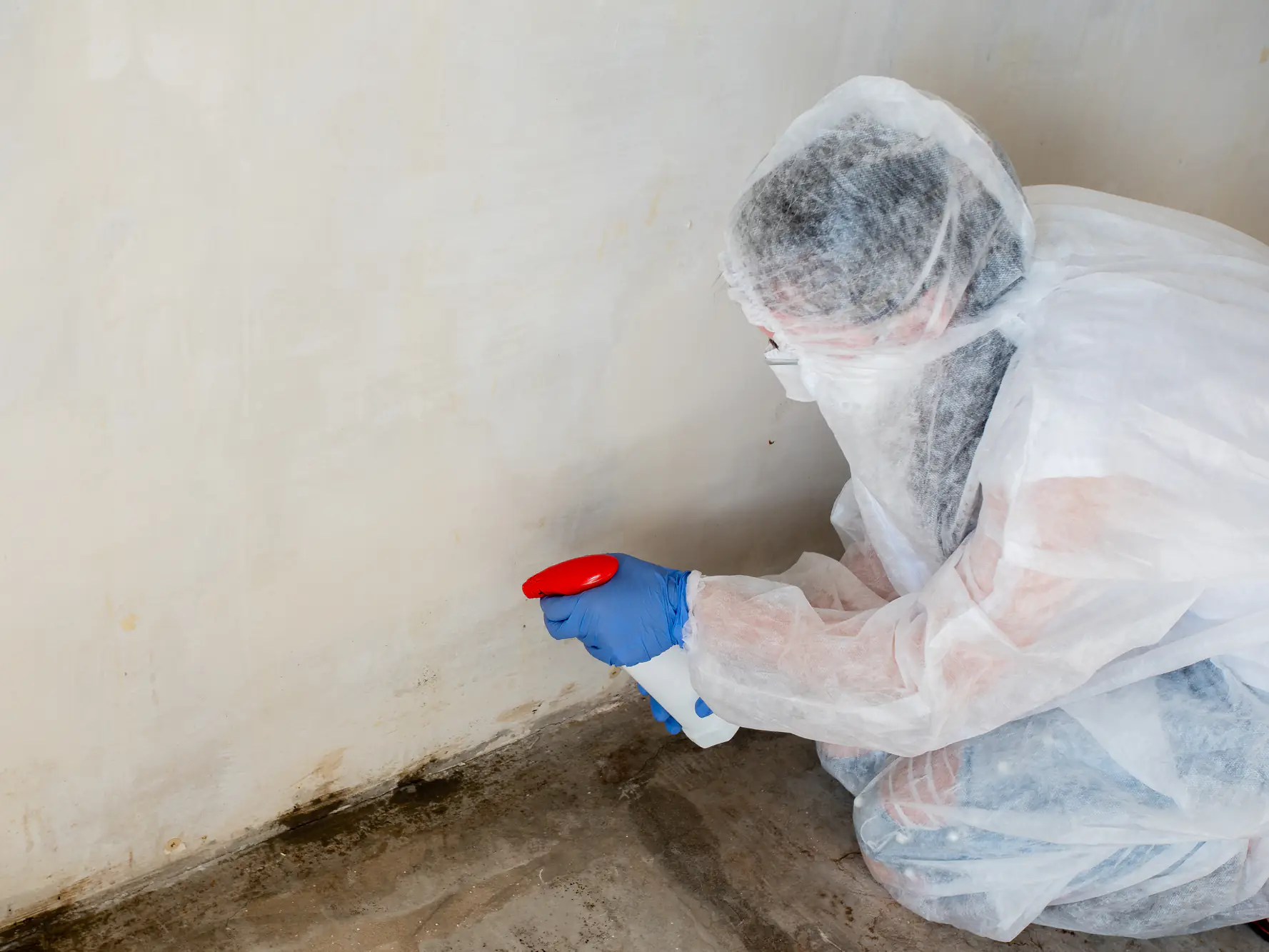
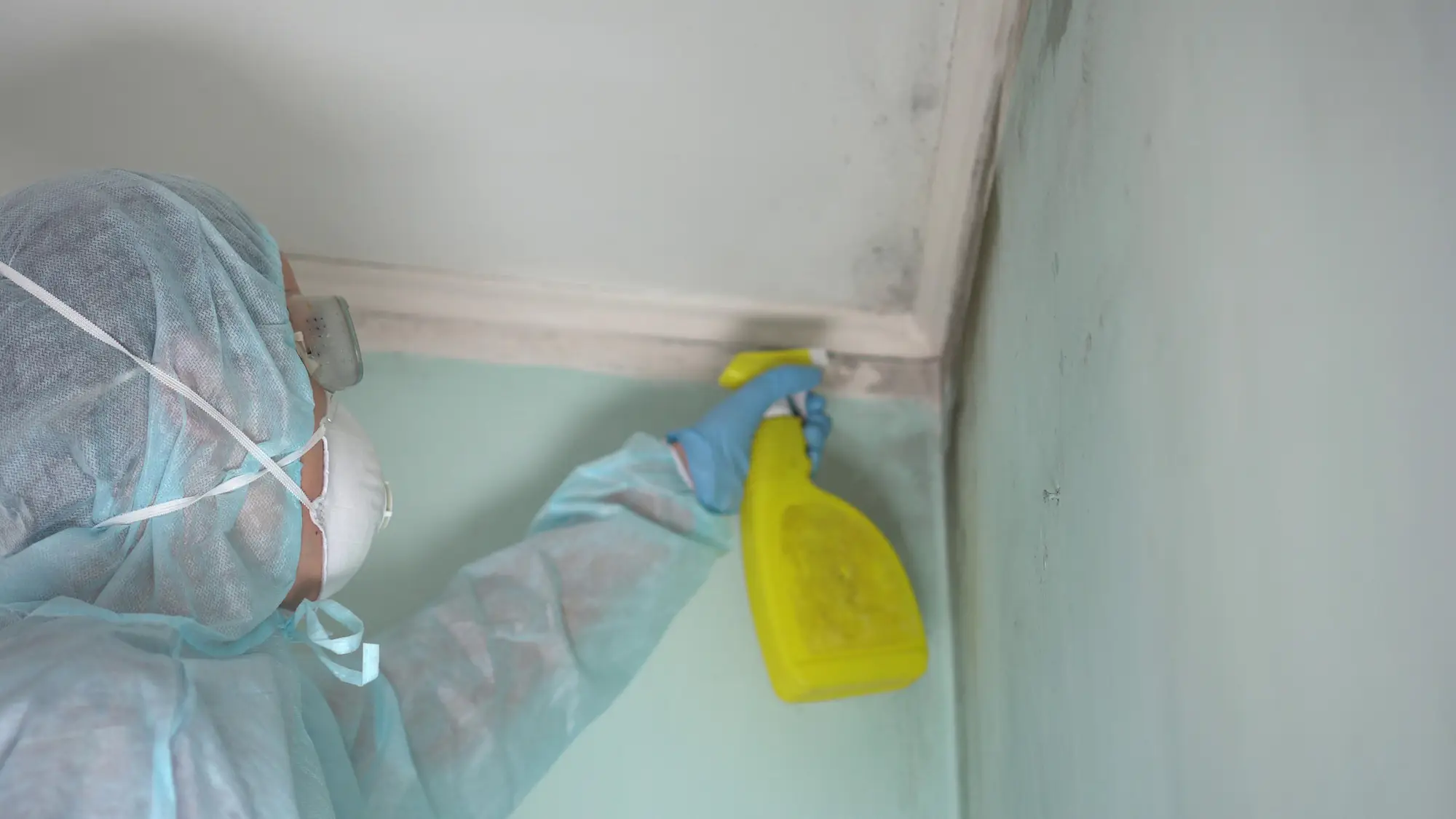
Then we contain the area to prevent mold spores from spreading during removal. We use HEPA filtration and negative air pressure to keep the rest of your home clean while we work. We remove contaminated materials, treat affected surfaces, and eliminate the moisture source so mold can’t grow back.
After remediation, we clean and sanitize the area. If there’s damage to drywall, flooring, or other materials, we handle the repairs too. You’re not juggling multiple contractors. We take it from mold discovery to finished restoration.
Finally, we do a post-remediation inspection to confirm the mold is gone and your air quality is back to safe levels. You get documentation for your records and for insurance if you need it.
Ready to get started?
You get a full mold inspection with moisture mapping and air quality testing. We identify every area where mold is growing, not just the spots you can see. That includes wall cavities, attics, crawlspaces, and HVAC ducts where mold hides and spreads through your home.
We handle black mold, which is toxic and requires specialized removal techniques. We also remove common molds that grow in damp basements and bathrooms throughout Whitewood. All work follows EPA guidelines and Pennsylvania regulations.
Our service includes containment setup, HEPA air filtration during the job, removal of contaminated materials, antimicrobial treatment, and moisture control solutions. If your basement needs better ventilation or your crawlspace needs encapsulation to prevent future mold, we’ll tell you.
We work with your insurance company if your mold problem is related to water damage or a covered event. We provide all the documentation they need. And if you need financing to make the work affordable, we offer payment plans.
The average mold remediation job in the Philadelphia area costs between $1,300 and $3,600 depending on the size and severity. You’ll know your exact cost upfront. No hidden fees. No change orders unless you approve them first.

If the mold covers more than 10 square feet, the EPA recommends professional remediation. That’s about a 3×3 area. Anything larger means the contamination is serious enough that DIY methods won’t cut it.
But size isn’t the only factor. If you’re dealing with black mold, you need a professional regardless of how much there is. Black mold releases mycotoxins that cause serious health problems, and disturbing it without proper containment spreads those toxins through your home.
You also need professional help if the mold keeps coming back after you clean it. That means there’s a hidden moisture source you haven’t found. We use thermal imaging and moisture meters to locate leaks inside walls, under floors, and in other places you can’t see. If you don’t fix the source, the mold will return no matter how many times you bleach the surface.
Finally, if anyone in your home has respiratory issues, allergies, or a compromised immune system, don’t risk DIY removal. The spores released during cleanup can trigger serious reactions. Professional remediation contains those spores so they don’t spread.
Most residential mold remediation jobs take between one and five days depending on how widespread the problem is. A small bathroom with surface mold might be done in a day. A basement with extensive growth behind walls could take a week.
You don’t always need to leave, but it depends on the location and severity. If we’re working in a basement or isolated area and can seal it off completely, you can usually stay in the rest of the house. We use containment barriers and negative air pressure to keep spores from reaching living areas.
If the mold is in your HVAC system or spread throughout multiple rooms, we’ll recommend you stay elsewhere during active removal. Disturbing large amounts of mold releases spores into the air, and even with containment, it’s safer to be out of the house until we’re done with the removal phase.
We’ll tell you upfront whether you need to relocate and for how long. We work fast because we know you want to get back to normal. Most families are back home within a few days.
It depends on what caused the mold. If it’s from a sudden, accidental water event like a burst pipe or storm damage, most policies cover the remediation. If it’s from long-term neglect or maintenance issues like a slow leak you didn’t fix, they typically won’t.
Insurance companies want to see that you acted quickly after discovering water damage. If you had a leak three months ago and didn’t address it, they’ll argue the mold is a maintenance issue. But if you’re calling us right after finding water damage, you’re in a much better position for coverage.
We work with insurance companies regularly. We provide detailed documentation, photos, moisture readings, and scope of work reports that adjusters need to process your claim. We’ll walk you through what your policy likely covers and help you file correctly.
Even if insurance doesn’t cover it, we offer financing options. Mold isn’t something you can ignore. It spreads fast and causes expensive structural damage the longer it sits. Getting it handled now costs less than waiting.
Bucks County’s climate is the biggest factor. Humidity here averages 72% in late summer, which is well above the 60% threshold where mold starts thriving. Add in cold winters with ice dams that cause roof leaks, and you’ve got year-round conditions that promote mold growth.
Basements in Whitewood are especially prone to mold because many older homes weren’t built with proper waterproofing or drainage systems. Water seeps through foundation walls during heavy rain. Condensation forms on cold concrete in humid months. Poor ventilation traps that moisture, and mold grows on walls, floors, and anything stored down there.
Crawlspaces are another common problem. They’re dark, damp, and often have exposed dirt that releases moisture into the air. If your crawlspace isn’t encapsulated, it’s probably growing mold right now even if you can’t see it.
HVAC systems spread mold too. If you’ve had water damage or high humidity, mold can grow inside ducts and get blown throughout your house every time the system runs. That’s why whole-house mold problems often start with a small issue in one area that gets distributed everywhere.
Prevention starts with finding and fixing the moisture source. Mold needs water to grow. If we remove the mold but don’t stop the leak, condensation, or humidity problem causing it, you’ll have mold again in weeks.
We use moisture meters and thermal imaging to locate hidden water sources. That might be a slow pipe leak inside a wall, condensation from poor insulation, groundwater seeping through your foundation, or humidity from a crawlspace. Once we identify it, we fix it or tell you exactly what needs to be fixed.
We also treat surfaces with antimicrobial solutions that inhibit future mold growth. This isn’t a permanent shield, but it buys you time while you address ventilation or dehumidification needs. In basements, we often recommend dehumidifiers that maintain humidity below 50%. In crawlspaces, encapsulation with a vapor barrier stops moisture from entering your home.
Proper ventilation matters too. Bathrooms need exhaust fans that actually vent outside, not into the attic. Kitchens need range hoods. Attics need adequate airflow to prevent condensation. We’ll point out ventilation issues during our inspection so you know what to address.
Mold removal sounds like you’re getting rid of every single mold spore, but that’s not realistic. Mold spores exist everywhere outdoors and indoors. Complete removal is impossible and unnecessary.
Mold remediation is the correct term because it means bringing mold levels back to normal, safe levels. We remove mold growth, clean affected areas, and restore your indoor air quality to what it should be naturally. The goal isn’t zero mold spores. It’s eliminating the active growth and returning your home to a healthy state.
This distinction matters because companies promising complete mold removal are either misleading you or don’t understand the science. Professional remediation focuses on removing contaminated materials, killing mold on surfaces that can be saved, and controlling moisture so new growth doesn’t start.
After remediation, we test air quality to confirm spore counts are back to normal levels. That’s the standard the industry uses, and it’s what insurance companies and home inspectors look for. You want a mold remediation specialist who understands this, not someone making impossible promises about eliminating every spore.
Other Services we provide in Whitewood