
Hear from Our Customers
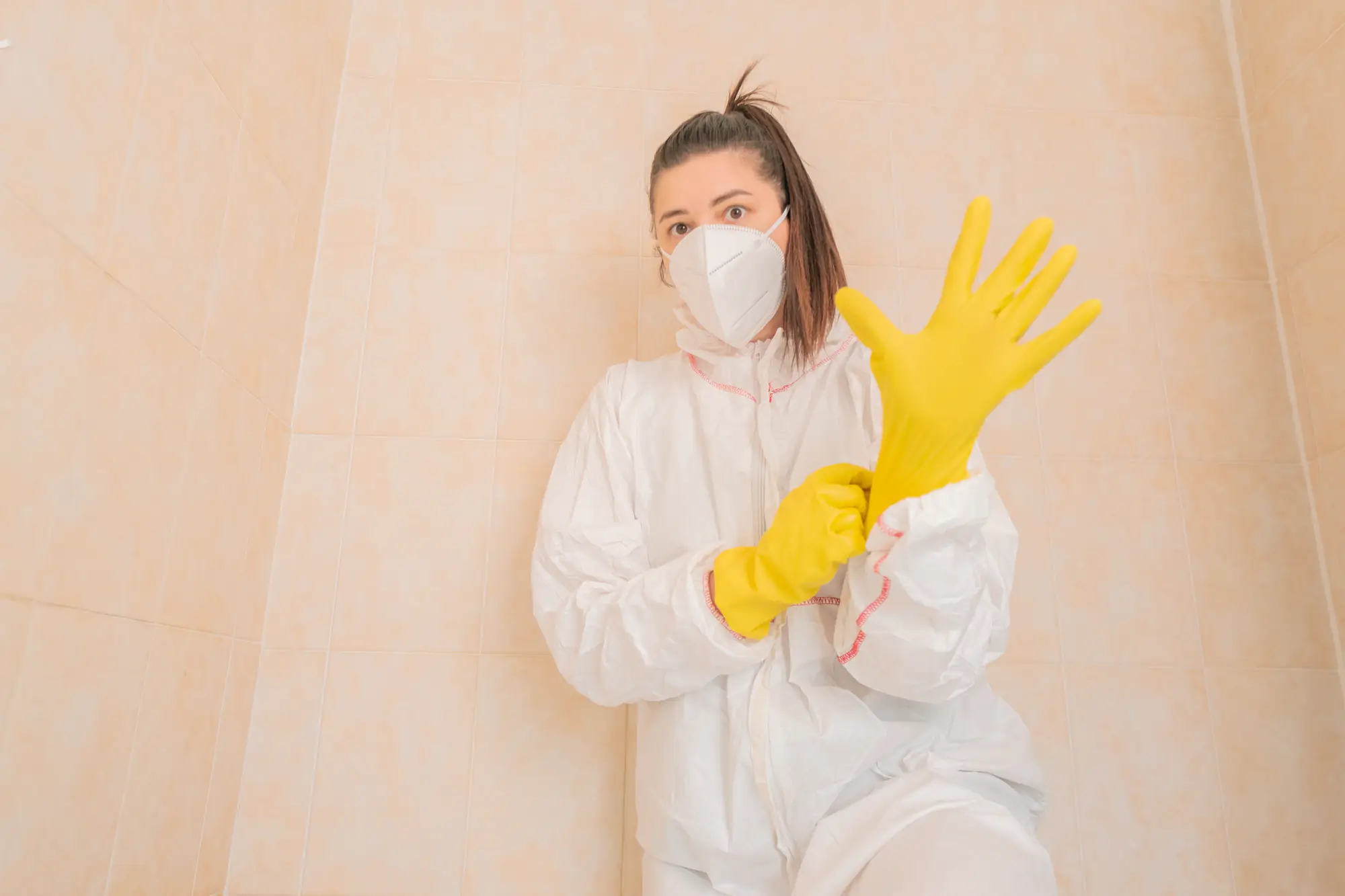
You’re not just dealing with visible spots on the wall. Mold affects the air your family breathes, triggers allergies and asthma, and spreads fast when humidity stays above 60%. In Bucks County homes, especially those built before 1980, basements stay damp through spring and summer, creating perfect conditions for growth behind drywall and under carpets.
Professional mold remediation means finding the moisture source, eliminating it, and treating affected areas with EPA-approved methods. You get air quality back to normal, reduce respiratory symptoms by up to 45%, and protect your home’s value from structural damage that only gets worse with time.
The difference is immediate. No more musty smell. No more wondering if that cough is from mold exposure. Just a home that feels clean and safe again.
We work exclusively in Bucks County because we understand what causes mold problems here. Older housing stock, fluctuating temperatures, and high summer humidity create conditions that most homeowners can’t control without professional intervention.
We’re not a national franchise following a script. We’re mold removal specialists who know that Little Italy basements have specific vulnerabilities, that spring storms create moisture intrusion points, and that Pennsylvania’s climate makes prevention just as important as removal.
When you call us, you’re working with certified professionals who use advanced detection technology and EPA-registered treatments. We respond within 24 hours because mold grows fast, and waiting costs you more in repairs and health risks.
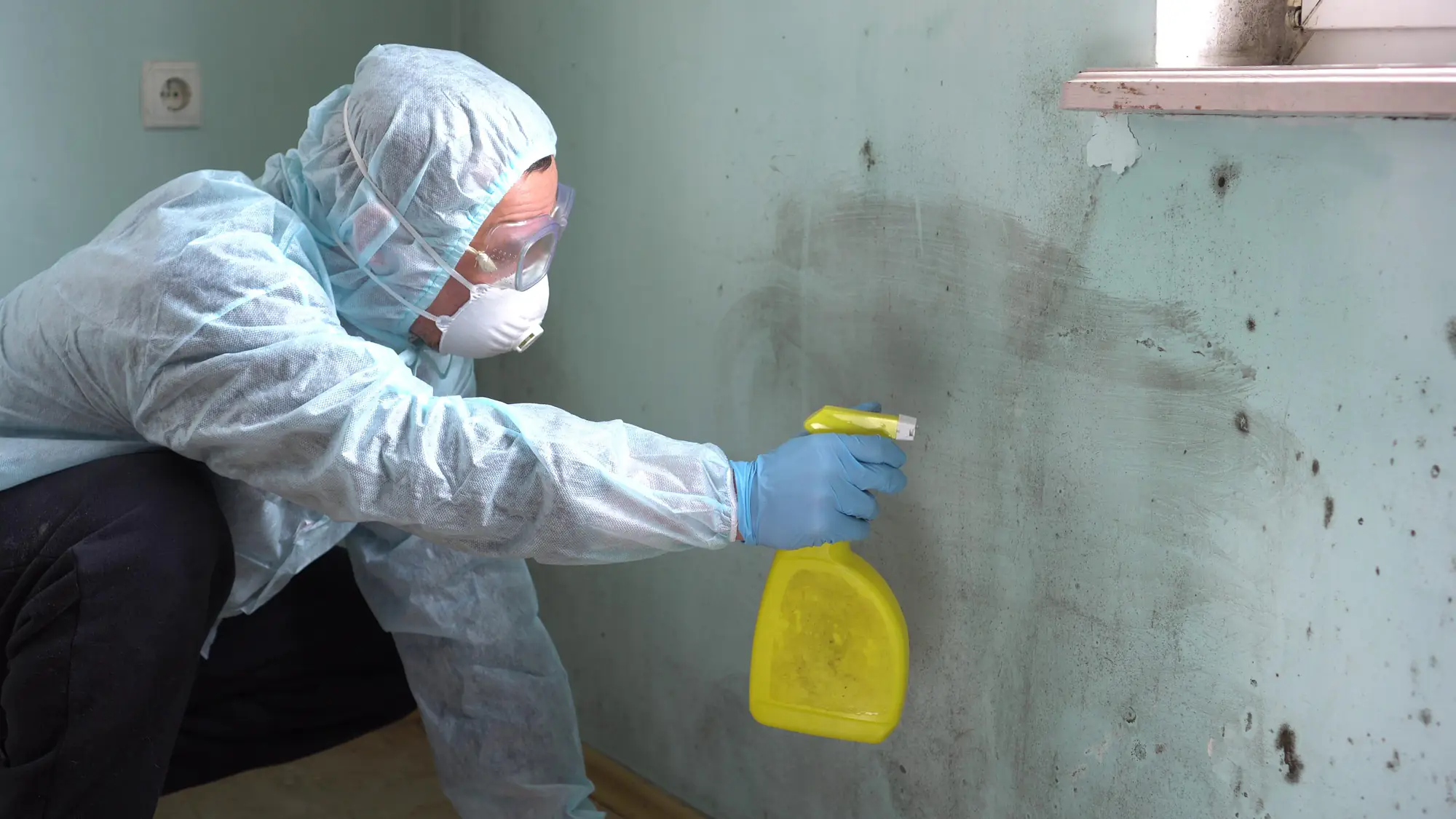
First, we inspect your property with Instascope technology that analyzes airborne mold spores in real time. No waiting for lab results. We identify the type of mold, the extent of growth, and the moisture source feeding it.
Next, we contain the affected area to prevent spores from spreading during removal. We use negative air pressure and physical barriers, then remove contaminated materials if necessary. For many situations, we use EPA-registered dry fogging that treats mold without tearing out drywall or flooring.
Then we fix the moisture problem. That might mean improving ventilation, sealing foundation cracks, or addressing drainage issues. Without eliminating the source, mold returns within weeks.
Finally, we verify air quality meets safe standards and provide documentation for your records or insurance claim. The entire process typically takes 2-5 days depending on severity, and we’re available 24/7 for emergency situations where water damage creates immediate mold risk.
Ready to get started?
You get a free comprehensive inspection that identifies all mold growth, including hidden colonies behind walls or under flooring. We test air quality, measure moisture levels, and document everything with photos and reports you can share with insurance companies.
The remediation itself includes containment, removal or treatment of affected materials, HEPA air filtration during the process, and antimicrobial application to prevent regrowth. We handle black mold, which is particularly common in Bucks County basements and requires careful removal to avoid health risks.
We also address the root cause. In Little Italy homes, that often means basement waterproofing recommendations, improved ventilation systems, or repairs to foundation issues allowing moisture intrusion. Research shows only 8% of basements test mold-free, so prevention work is critical.
You receive documentation of all work completed, air quality test results showing safe levels, and a plan for keeping your home mold-free long-term. We work directly with your insurance company when coverage applies, handling the paperwork so you don’t have to navigate claims alone.

Mold spores start growing within 24 to 48 hours once humidity exceeds 60%. That’s why EPA guidelines emphasize drying materials within that window.
In Bucks County’s climate, especially during humid summer months, conditions are ideal for rapid growth. A small leak from a pipe, roof damage after a storm, or even condensation in a poorly ventilated basement can create enough moisture for mold to establish colonies.
The problem is that early growth often happens where you can’t see it. Behind drywall, under carpet padding, inside wall cavities. By the time you notice a musty smell or visible spots, the infestation is usually larger than it appears. That’s why immediate response matters. Waiting even a few days turns a manageable problem into one requiring extensive remediation and higher costs.
Mold removal means cleaning visible mold off surfaces. Mold remediation means eliminating the mold and fixing what caused it in the first place.
You can scrub mold off a wall with bleach, but if you don’t address the moisture source, it grows back within weeks. Remediation involves identifying why mold is growing, whether that’s a foundation leak, poor ventilation, or humidity issues, and correcting those problems.
Professional mold remediation specialists also handle containment so spores don’t spread during cleanup, use EPA-approved treatments that work on porous materials like wood and drywall, and verify air quality after the work is done. It’s the difference between a temporary fix and actually solving the problem. Most homeowners who try DIY removal end up calling professionals later when the mold returns worse than before.
Black mold, specifically Stachybotrys chartarum, produces mycotoxins that can cause more severe health effects than common molds. But all mold growth in your home is a problem worth addressing.
Black mold thrives in consistently damp environments, which is why it’s common in Bucks County basements and areas with water damage. Exposure can cause respiratory issues, chronic headaches, fatigue, and skin irritation. For children, elderly family members, or anyone with weakened immune systems, the risks are higher.
That said, you shouldn’t ignore other mold types. Aspergillus and Penicillium species also cause allergic reactions and asthma symptoms. The key is that any mold growing indoors indicates a moisture problem that needs professional attention. Trying to identify the specific type yourself wastes time. We test samples, determine what you’re dealing with, and use appropriate removal methods for the situation.
Coverage depends on what caused the mold. If it resulted from a sudden, accidental event like a burst pipe or storm damage, most policies cover remediation. If it developed from long-term neglect or maintenance issues, they typically don’t.
Insurance companies want to see that you acted quickly after discovering water damage. That’s another reason the 24-48 hour window matters. Delayed response can give insurers grounds to deny claims.
We document everything from the initial inspection, provide detailed reports showing the cause and extent of damage, and work directly with your insurance adjuster. We handle that process regularly for Little Italy homeowners. The key is calling professionals immediately when you discover water damage or mold growth, not waiting to see if it gets worse. Early action protects both your health and your coverage.
Musty odors are the most common sign of hidden mold growth. If a room smells like mildew but you don’t see visible mold, it’s likely growing inside wall cavities or under flooring.
Other indicators include water stains or discoloration on walls and ceilings, peeling or bubbling paint, warped drywall, and increased allergy symptoms when you’re in specific rooms. In Little Italy homes with older construction, check basements and areas near plumbing or exterior walls where moisture intrusion is common.
We use moisture meters and thermal imaging to detect hidden growth without tearing into walls unnecessarily. Instascope technology analyzes airborne spore counts in real time, showing exactly where mold is active. That targeted approach saves you money and prevents unnecessary demolition. If you suspect hidden mold, inspection costs far less than ignoring the problem until it causes structural damage or serious health effects.
Control moisture and improve ventilation. Those two factors determine whether mold returns or stays gone.
Keep indoor humidity below 50% using dehumidifiers, especially in basements during Bucks County’s humid summers. Fix leaks immediately, even small ones. Ensure bathrooms and kitchens have working exhaust fans that vent outside, not into attics. Clean gutters and downspouts so water drains away from your foundation.
In Little Italy homes with basements, consider a sump pump if you don’t have one, and check that existing pumps work properly before spring storms. Seal foundation cracks and improve grading around your home so water flows away from the building.
After professional remediation, we provide specific recommendations based on what caused your problem. Following that guidance matters. We can eliminate existing growth, but long-term prevention requires addressing the environmental conditions in your home. Most homeowners who experience repeat mold issues skipped the moisture control steps after remediation.
Other Services we provide in Little Italy