
Hear from Our Customers
You’ve noticed the smell. Maybe some discoloration near a window or in the basement. Now you’re wondering if it’s actually mold, if it’s dangerous, and how much fixing it is going to cost.
Here’s what happens when mold gets handled correctly. Your air quality improves within days. Those headaches and sinus issues your family’s been dealing with start clearing up. The musty smell disappears completely.
Your home value stays protected. Because here’s something most people don’t know: undetected mold can drop your property value by 20-37%. In Hilltown, where the median home value reflects significant investment, that’s not a small number.
You get documentation that proves the problem was identified and resolved properly. That matters when you eventually sell, refinance, or just want peace of mind that your biggest investment is sound.
We work exclusively in Bucks County. That means understanding how Hilltown’s humid continental climate creates perfect conditions for mold growth, especially in basements, crawl spaces, and around older windows.
Pennsylvania ranks in the top 60% of states most susceptible to mold. The humidity here averages 72% in September alone. Older homes in the area face higher risk due to aging pipes and poor air circulation in certain spaces.
We use thermal imaging cameras and moisture meters to find problems you can’t see. Every sample gets analyzed by a certified laboratory so you know exactly what species you’re dealing with and what health risks it poses. No guessing. No pass-fail tests that leave you wondering.
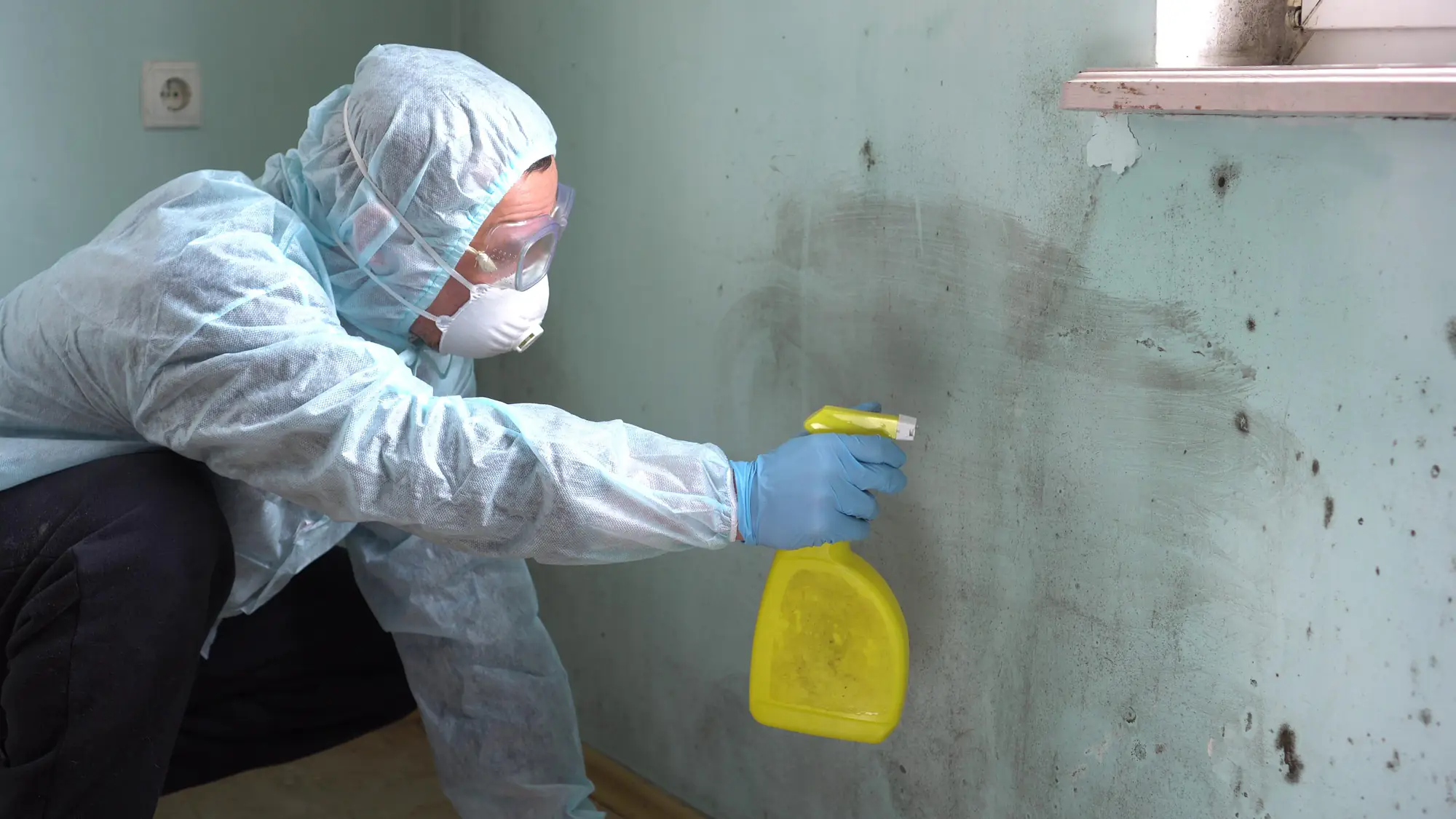
First, you get a free inspection. We come out, use infrared cameras and digital moisture meters to check the obvious spots and the hidden ones. Attics, basements, behind walls, under sinks, around HVAC systems.
If mold is found, samples go to an independent lab. You receive a detailed report identifying the specific mold species and concentration levels. This isn’t a yes-or-no answer. It’s data you can actually use to make informed decisions.
Before any work starts, you see transparent pricing. No hidden fees. No surprises halfway through the job. If insurance is involved, we help navigate that process too.
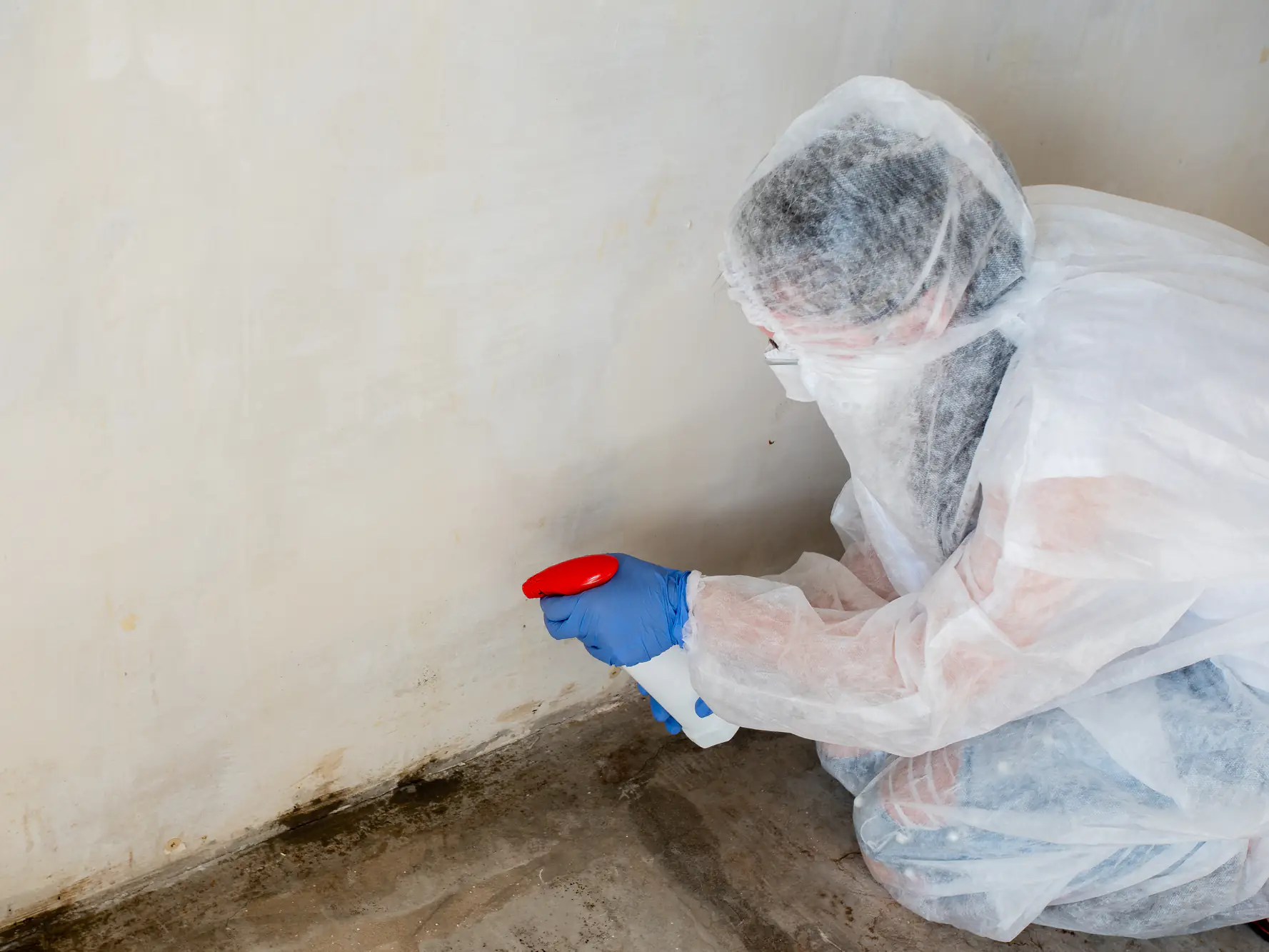
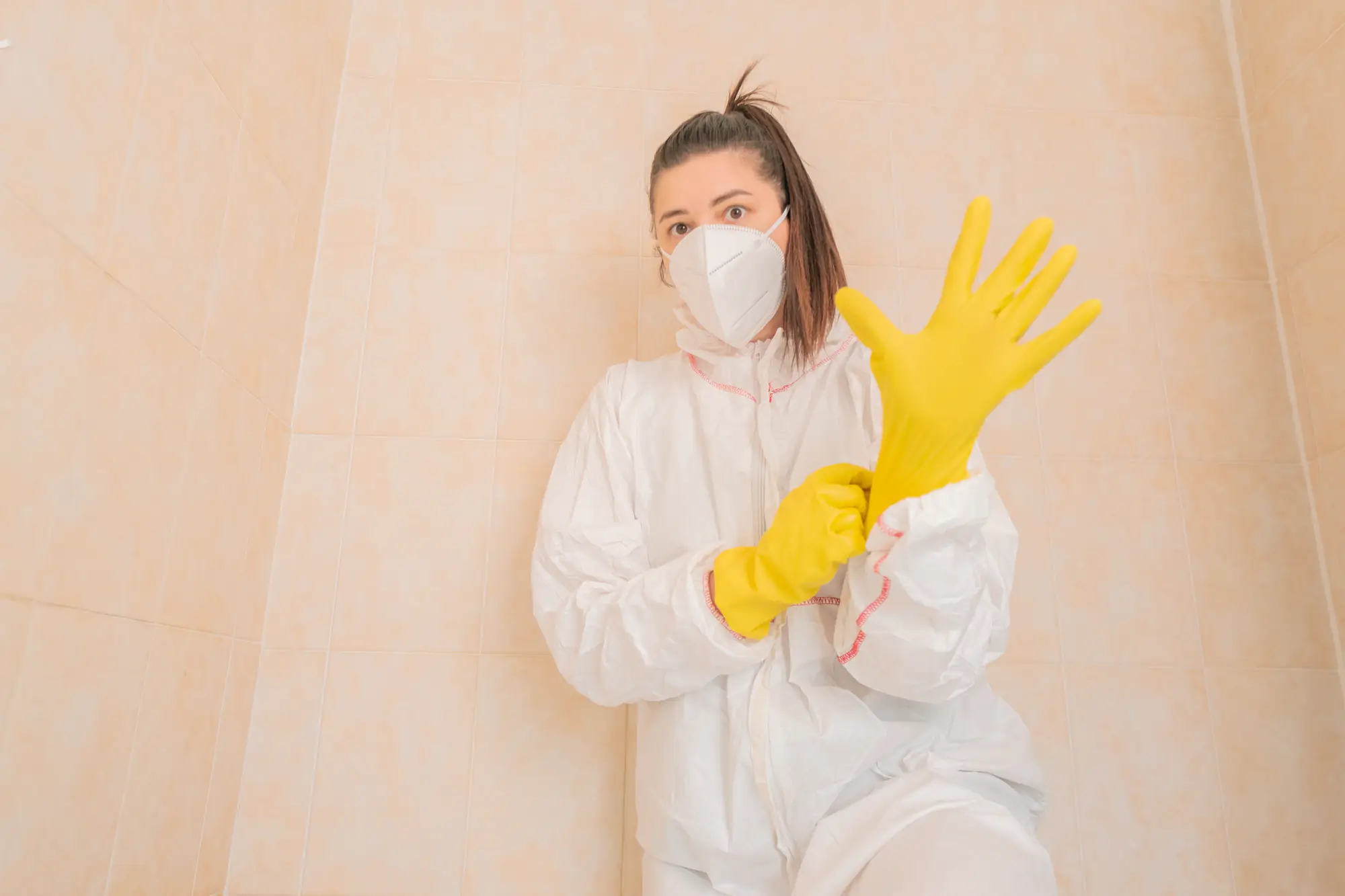
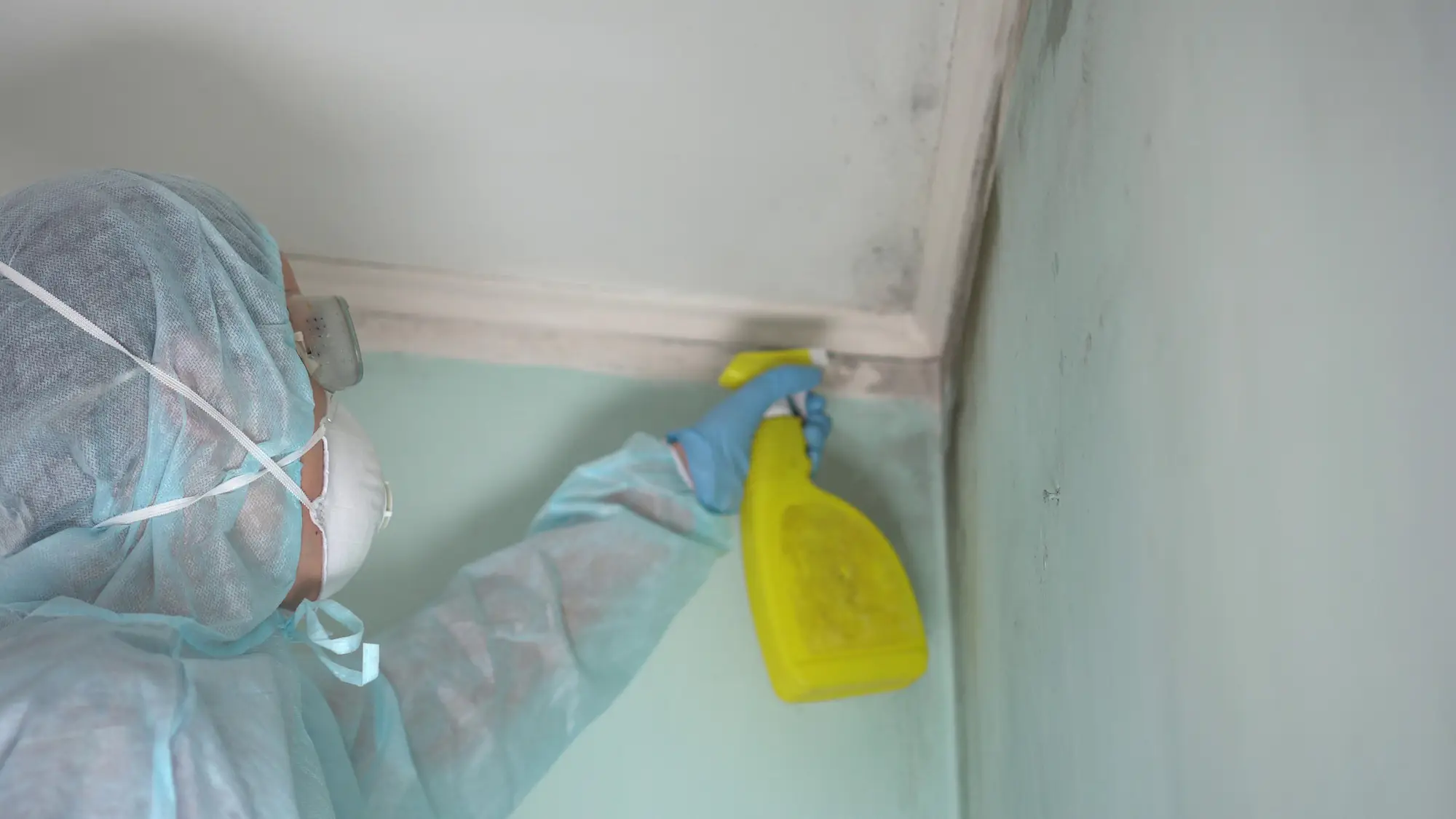
The actual remediation follows industry protocols. Containment gets set up to prevent spores from spreading to clean areas. HEPA filtration runs continuously. Affected materials get removed or treated depending on severity. Then everything gets cleaned, dried, and verified.
You receive documentation of the entire process. That matters for your records, for future buyers, and for your own confidence that it was done right.
Ready to get started?
Professional mold removal in Hilltown means more than just scrubbing visible spots. It starts with detection technology that identifies moisture problems before they become major issues. Thermal imaging reveals temperature differences that indicate water intrusion. Moisture meters measure humidity levels in materials like drywall and wood framing.
Lab analysis tells you if you’re dealing with common mildew or toxic black mold. That distinction matters for health risks and remediation approach. Certified laboratories provide species identification and concentration data, not vague assessments.
The remediation itself includes containment barriers, negative air pressure systems, HEPA filtration, removal of contaminated materials, antimicrobial treatment, and thorough cleaning of all affected areas. In Bucks County’s climate, addressing the moisture source is just as critical as removing the mold itself.
Older homes in Hilltown often have specific vulnerabilities. Basements with stone foundations, crawl spaces with inadequate ventilation, attics with insufficient insulation. We know where to look because we’ve seen these patterns repeatedly in the area.
Emergency response is available 24/7 because mold doesn’t wait for business hours. Water damage from a burst pipe or severe storm can lead to mold growth within 48 hours. Fast response prevents small problems from becoming expensive ones.

Most mold remediation projects in Hilltown run between $500 and $6,000 depending on the extent of growth and affected area. A small bathroom with surface mold might cost $500-$1,500. A finished basement with hidden mold behind walls could run $3,000-$6,000 or more.
The cost depends on several factors: square footage affected, type of materials involved, accessibility of the area, and whether structural repairs are needed after removal. Drywall is easier and cheaper to treat than mold inside HVAC systems.
Here’s what drives costs up: delayed action. Mold spreads fast in humid conditions. What starts as a small patch near a window can colonize an entire wall cavity within weeks. Early detection and treatment always costs less than waiting until the problem becomes obvious.
Get a free inspection first. That gives you actual numbers based on your specific situation, not rough estimates. We provide detailed pricing before starting work.
Black mold produces mycotoxins that cause respiratory problems, chronic sinus infections, headaches, fatigue, and skin irritation. Research shows 93% of chronic sinus infections are attributed to mold exposure. Infants exposed to mold have nearly three times greater risk of developing asthma.
The severity depends on exposure duration, concentration levels, and individual sensitivity. Some people react strongly to small amounts. Others don’t notice symptoms until exposure has been prolonged.
Common health complaints include persistent coughing, wheezing, throat irritation, nasal congestion, eye irritation, and worsening of asthma symptoms. If multiple family members are experiencing unexplained respiratory issues, mold is worth investigating.
Not all black-colored mold is the toxic variety. That’s why lab testing matters. Visual identification isn’t reliable. Certified laboratory analysis identifies the specific species and determines actual health risk rather than relying on appearance alone.
Mold can start growing within 24 to 48 hours after water intrusion. In Hilltown’s humid climate, conditions are often ideal for rapid colonization. A small leak that goes unnoticed for a week can result in significant mold growth behind walls or under flooring.
The speed depends on temperature, humidity levels, and available organic material. Drywall, wood, carpet, and insulation all provide food sources for mold. Warm temperatures between 60-80 degrees accelerate growth. Pennsylvania’s humidity levels, especially during summer and fall, create perfect conditions.
This is why emergency response matters. A burst pipe at 2 AM needs immediate water extraction and drying, not a callback on Monday morning. Every hour of moisture exposure increases the likelihood of mold colonization.
Even after visible water is cleaned up, moisture can remain trapped in wall cavities, under flooring, or in insulation. Professional moisture meters detect these hidden wet spots that lead to mold problems weeks later.
Pennsylvania homeowners insurance typically covers mold removal if it results from a covered peril like a burst pipe or storm damage. It usually won’t cover mold from long-term neglect, maintenance issues, or flooding.
The key is proving the mold resulted from a sudden, accidental event. A washing machine hose that bursts and causes water damage leading to mold would likely be covered. Mold from a slow leak that went unaddressed for months probably wouldn’t be.
Most policies have mold coverage limits, often between $10,000 and $25,000. Some exclude mold entirely unless you purchase additional coverage. Check your specific policy or call your insurance agent to understand your coverage.
Documentation helps with claims. Professional inspection reports, lab analysis, photos of the damage, and detailed remediation records all support your case. Insurance companies want proof that the mold resulted from a covered event and that remediation was necessary and reasonable.
Working with us makes the insurance process smoother. We know what documentation insurers require and can communicate directly with adjusters when needed.
Musty odors are the most common indicator of hidden mold. If you smell something earthy or damp but can’t identify the source, mold is likely growing somewhere out of sight. Common hiding spots in Hilltown homes include basement wall cavities, crawl spaces, attic insulation, and inside HVAC ductwork.
Visible signs include water stains on ceilings or walls, peeling paint or wallpaper, warped wood, and discoloration around windows or pipes. These indicate moisture problems that often lead to mold growth behind the surface.
Health symptoms can also signal hidden mold. If respiratory issues, headaches, or sinus problems improve when you leave the house and return when you come back, indoor air quality is worth investigating.
Professional detection uses thermal imaging cameras to identify temperature differences that indicate moisture intrusion. Moisture meters measure humidity levels inside walls and other materials without causing damage. These tools find problems before they become visible or cause structural damage.
Older homes in Bucks County face higher risk due to aging plumbing, inadequate ventilation in certain areas, and construction methods that didn’t prioritize moisture control the way modern building does.
Mold removal refers to cleaning visible mold from surfaces. Mold remediation addresses the entire problem: identifying the moisture source, containing the affected area, removing contaminated materials, treating surfaces, and preventing future growth.
You can’t actually remove all mold spores from a home. They’re everywhere in the environment. Remediation brings spore levels back to normal, safe concentrations and eliminates active colonies. It’s about restoring your indoor environment to healthy conditions, not achieving a completely sterile space.
True remediation includes moisture control. If the underlying water problem isn’t fixed, mold will return. That might mean repairing a leaky pipe, improving ventilation in a bathroom, redirecting exterior drainage away from the foundation, or installing a dehumidifier in a damp basement.
Professional remediation follows industry protocols: containment to prevent cross-contamination, HEPA filtration to capture airborne spores, removal of porous materials that can’t be adequately cleaned, antimicrobial treatment of affected surfaces, and verification testing to confirm the work was successful.
DIY mold removal might work for very small surface areas under 10 square feet. Anything larger, anything inside walls or HVAC systems, or any situation involving black mold should be handled by certified mold remediation specialists with proper equipment and training.
Other Services we provide in Hilltown