

Hear from Our Customers
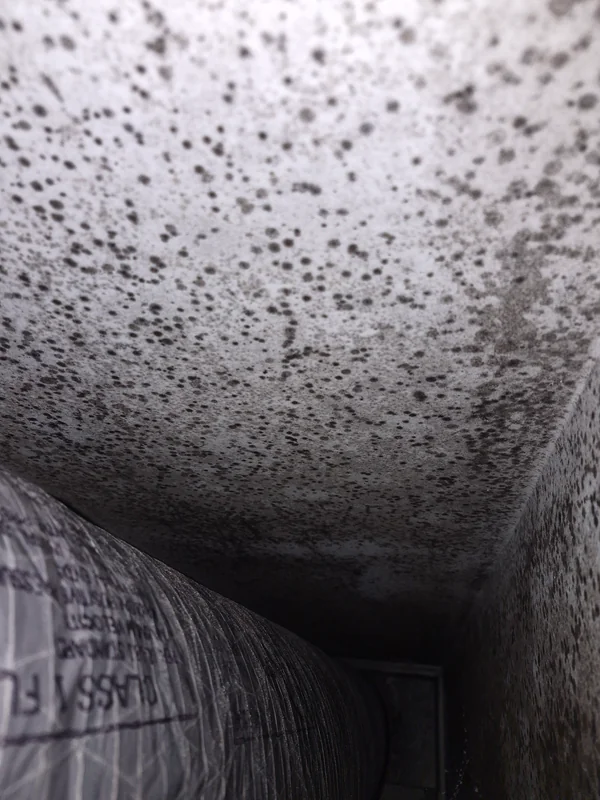
Most homeowners think about their ducts when they notice a smell or when allergy symptoms won’t quit. What they don’t always think about is how that ductwork connects every room in the house meaning whatever’s growing inside gets distributed everywhere, every time the system runs. Once that’s cleaned out and verified, the difference is immediate. You’re not managing symptoms anymore. You’re addressing the source.
In Hilltown Township, that source is often tied to something specific: the hot, humid summers that push condensation deep into ductwork, and the older housing stock that came with the area’s post-war development wave. A lot of homes here were built between the late 1970s and 1990s. The furnaces have been replaced. The ductwork, in many cases, hasn’t been touched since installation. Decades of Bucks County humidity have a way of leaving their mark inside those systems.
There’s also the creek factor. Homes near Deep Run, Hardiaken Creek, or the East Branch Perkiomen Creek itself have dealt with water intrusion events over the years and water in a basement or crawl space doesn’t stay there. HVAC systems pull air from lower levels, and if that air carries mold spores from a past flood or moisture event, those spores travel. Getting your ducts inspected and cleaned after any water event isn’t overcautious. It’s the logical next step.
We’ve been serving Bucks County for over 15 years, which means we’ve seen what happens to ductwork in Hilltown’s humid continental summers, in homes that back up to farmland along Route 113, and in creek-adjacent neighborhoods that have been through more than one flooding event. This isn’t a national franchise reading off a script. We’re a certified mold remediation operation that knows Hilltown, knows the housing stock, and shows up personally.
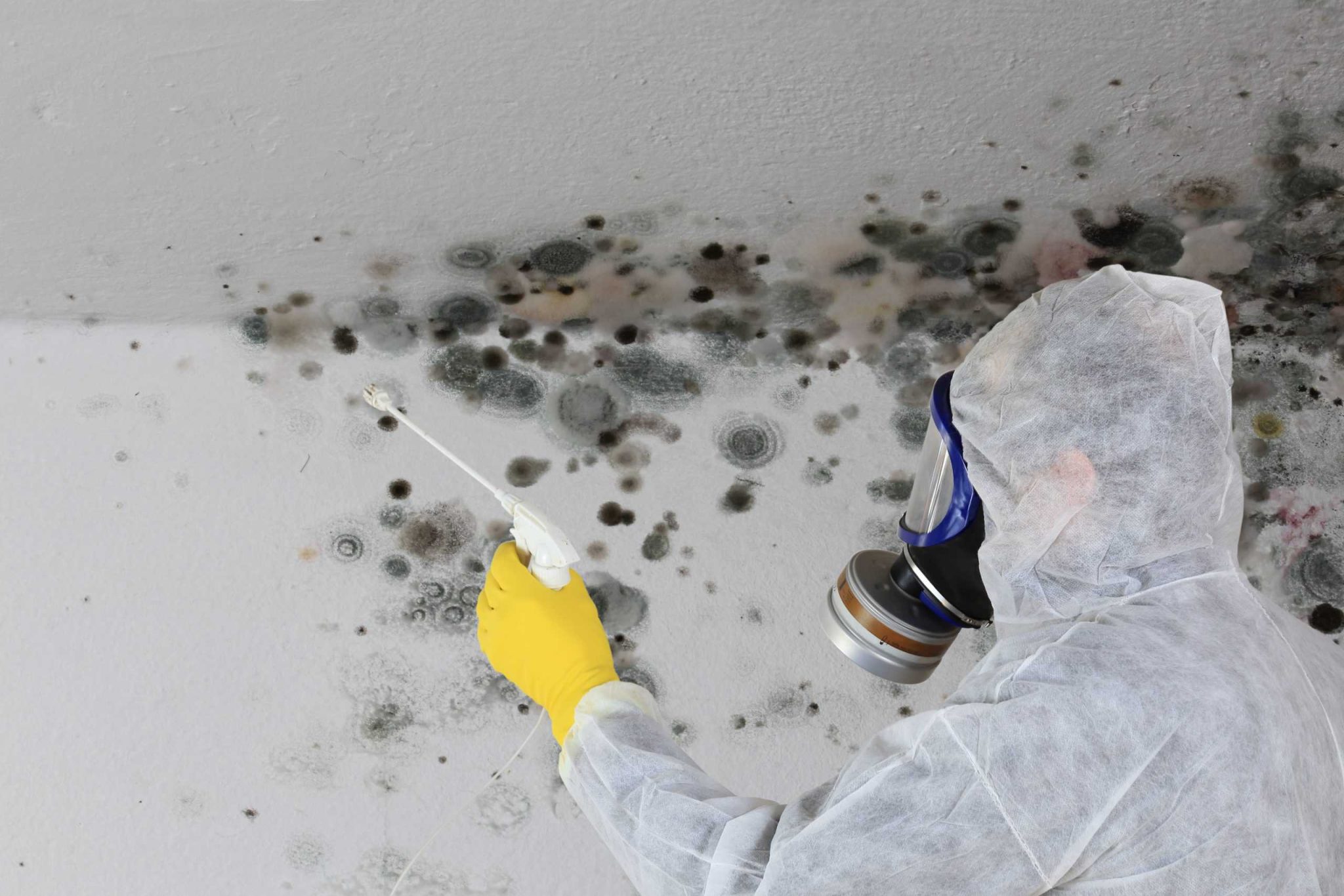
Every inspection is handled by a certified mold specialist not a general technician running a vacuum through your vents. When mold is found, we contain it properly before anything is disturbed. That matters because disturbing mold without containment spreads spores. A lot of companies skip that step. We don’t.
The work comes with post-cleaning verification. After the job is done, affected areas are tested to confirm the mold is actually gone not just cleaned around. If you’ve had water in your basement near Blooming Glen or Line Lexington and you’re not sure what made it into your ducts, that verification step is the only way to know for certain.
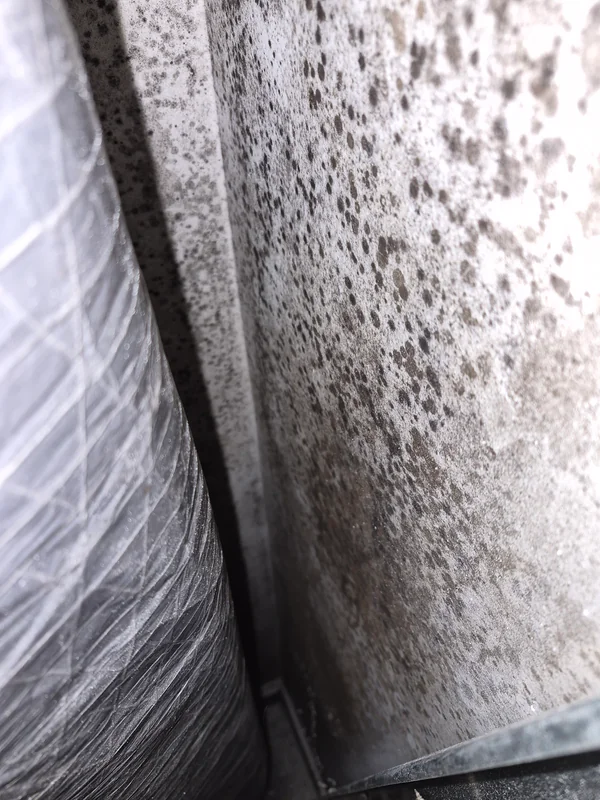
It starts with a free inspection. A certified specialist comes out, looks at your system, and tells you what’s actually there not what we’re hoping to upsell you on. You get upfront pricing before any work begins. The price you’re quoted is the price you pay.
If cleaning is warranted, the process is thorough and takes time. A proper air duct cleaning done correctly runs four to six hours for most homes. Both supply and return ducts are addressed. Containment is set up before anything is disturbed, which is especially important when mold is involved. This isn’t a crew running a shop vac through your registers and calling it done. The equipment we use creates negative air pressure inside the duct system, pulling debris and biological material out rather than pushing it further in.
For Hilltown homes specifically, the inspection often turns up things that are easy to miss: gaps in older ductwork where conditioned air has been picking up attic or crawl space moisture, or sections near exterior walls where temperature differentials have caused repeated condensation. After cleaning, if mold was present, samples are sent to a lab for analysis and post-remediation testing confirms the system is clear. That documentation is yours to keep useful for insurance purposes, and useful if you ever sell the home in a market where buyers are asking questions.
Ready to get started?
Air duct cleaning addresses the ductwork itself the supply lines, return ducts, and the interior surfaces where dust, debris, and biological growth accumulate over years of use. But in Hilltown, where a lot of homes sit on larger lots with mature trees and longer duct runs, there are a few additional things worth knowing about.
Dryer vent cleaning is one of them. The NFPA reports over 15,000 dryer-related house fires per year in the U.S., and failure to clean the vent is the leading cause. In homes with longer dryer vent runs which are common in ranch-style layouts and larger properties along Hilltown’s rural-suburban roads lint buildup happens faster, and the debris that collects at the exterior exit point compounds the problem. We handle dryer vent cleaning as part of the same visit when needed, and it’s a straightforward service that addresses a real fire risk, not a theoretical one.
Air duct sanitizing is also available as a step beyond mechanical cleaning. Cleaning removes the physical material. Sanitizing applies an antimicrobial treatment to the interior surfaces to address the biological contamination that Hilltown’s humid summers leave behind. For households with young children, elderly residents, or anyone dealing with respiratory conditions, that extra step is worth understanding. We can walk you through whether it makes sense for your specific system after the inspection no pressure, just information.

The most common sign is a musty smell that shows up specifically when your HVAC system kicks on not a general basement smell, but something that follows the airflow. You might also notice that allergy or respiratory symptoms are worse indoors than outside, or that they flare up when the heat or AC runs. Visible discoloration around vent registers is another indicator, though by the time you can see something at the register, the problem inside the duct is usually more significant than what’s visible.
In Hilltown Township, there are a few local conditions that raise the likelihood. The hot-summer humid continental climate means evaporator coils and ductwork interiors stay damp during long AC cycles in July and August. Homes near the East Branch Perkiomen Creek or its tributaries Deep Run, Mill Creek, Hardiaken Creek that have had any basement or crawl space water intrusion are at elevated risk, because HVAC systems pull air from lower levels and can carry mold spores from flood-affected areas directly into the duct system. A free inspection is the only way to know for certain what’s actually in there.
That’s a fair question, and the honest answer is: it depends on what’s in your ducts. The EPA’s position is nuanced routine cleaning in the absence of a specific problem has unclear benefits. But the EPA also explicitly recommends cleaning when mold is confirmed, when there’s been a pest or rodent infestation, or when significant debris is clogging the system. Those aren’t edge cases. They’re the situations that actually drive most service calls.
The concern about unnecessary upselling is legitimate, and it’s a real problem in this industry. The $99 bait-and-switch a low advertised price followed by aggressive add-ons once a technician is in your home is well-documented. The way to protect yourself is to work with a company that offers a free inspection upfront and gives you a written quote before any work begins. That’s how we operate. You find out what’s actually there, you get a price, and you decide. No pressure, no surprise invoice at the end.
Yes, this is worth taking seriously. When water enters a basement or crawl space, mold can begin developing within 24 to 48 hours on organic materials insulation, wood framing, dust that’s accumulated on surfaces. HVAC systems that draw return air from lower levels of the home can pull mold spores from those affected areas directly into the duct system, where they get distributed to every room in the house with every heating or cooling cycle.
The East Branch Perkiomen Creek and its tributaries have a documented flooding history in Hilltown Township. If your home experienced any water intrusion even a small amount in a crawl space and you haven’t had your ducts inspected since, that’s a gap worth closing. A certified mold inspection of the HVAC system will tell you whether spores made it into the ductwork and what, if anything, needs to be done about it.
A thorough air duct cleaning for a typical home takes four to six hours. That’s the industry standard for a job done correctly both supply and return ducts addressed, proper containment set up, and the system inspected before and after. If you’ve seen companies advertising a whole-house cleaning in under two hours, that’s a red flag. You can’t do this job properly that fast.
You don’t necessarily need to be home for the entire duration, but someone does need to be present at the start to walk our technician through the home and identify the system layout. For older homes in Hilltown particularly those built in the late 1970s and 1980s where ductwork configurations can be non-standard that walkthrough helps our technician understand what they’re working with before the job begins. If mold remediation is part of the scope, containment setup and post-cleaning verification add time to the process, and it’s helpful to be available at the end to review what was found and what was done.
They’re two different steps that address two different problems. Cleaning is mechanical it removes the physical debris, dust, biological material, and buildup from inside the ductwork using negative air pressure and specialized equipment. Sanitizing is a separate treatment applied after cleaning, using antimicrobial solutions to address the biological contamination that remains on interior duct surfaces after the visible debris is gone.
Whether you need both depends on what’s in your system. If the inspection turns up mold growth, sanitizing is the step that actually kills what’s left behind after the physical cleaning. In Hilltown’s climate hot, humid summers with extended AC cycles ductwork interiors are exposed to the kind of sustained moisture that allows mold and bacteria to colonize surfaces, not just accumulate as loose debris. For homes that have been through a water event, or where mold has been confirmed anywhere in the property, sanitizing is the step that completes the job. We’ll tell you after the inspection whether it applies to your specific situation.
Most manufacturers recommend annual dryer vent cleaning, and for homes in Hilltown Township, that recommendation is worth following. The township’s suburban-rural character means a lot of homes sit on larger lots with longer vent runs particularly ranch-style homes where the laundry room is positioned far from an exterior wall. Longer runs mean lint has more distance to accumulate before it exits the home, and the wooded, heavily landscaped surroundings common in Hilltown mean debris collects at exterior vent exits faster than it would in a more open suburban environment.
The fire risk is real and specific. The National Fire Protection Association reports more than 15,000 dryer-related house fires per year in the U.S., with failure to clean the vent as the leading cause. A blocked dryer vent also makes your dryer work harder and run hotter, which shortens its lifespan and raises your energy costs. If your dryer is taking two cycles to dry a load that used to take one, that’s often the first sign the vent needs attention. For Hilltown homeowners, getting the dryer vent cleaned at the same time as the air ducts is a straightforward way to address both issues in a single visit.
Other Services we provide in Hilltown