
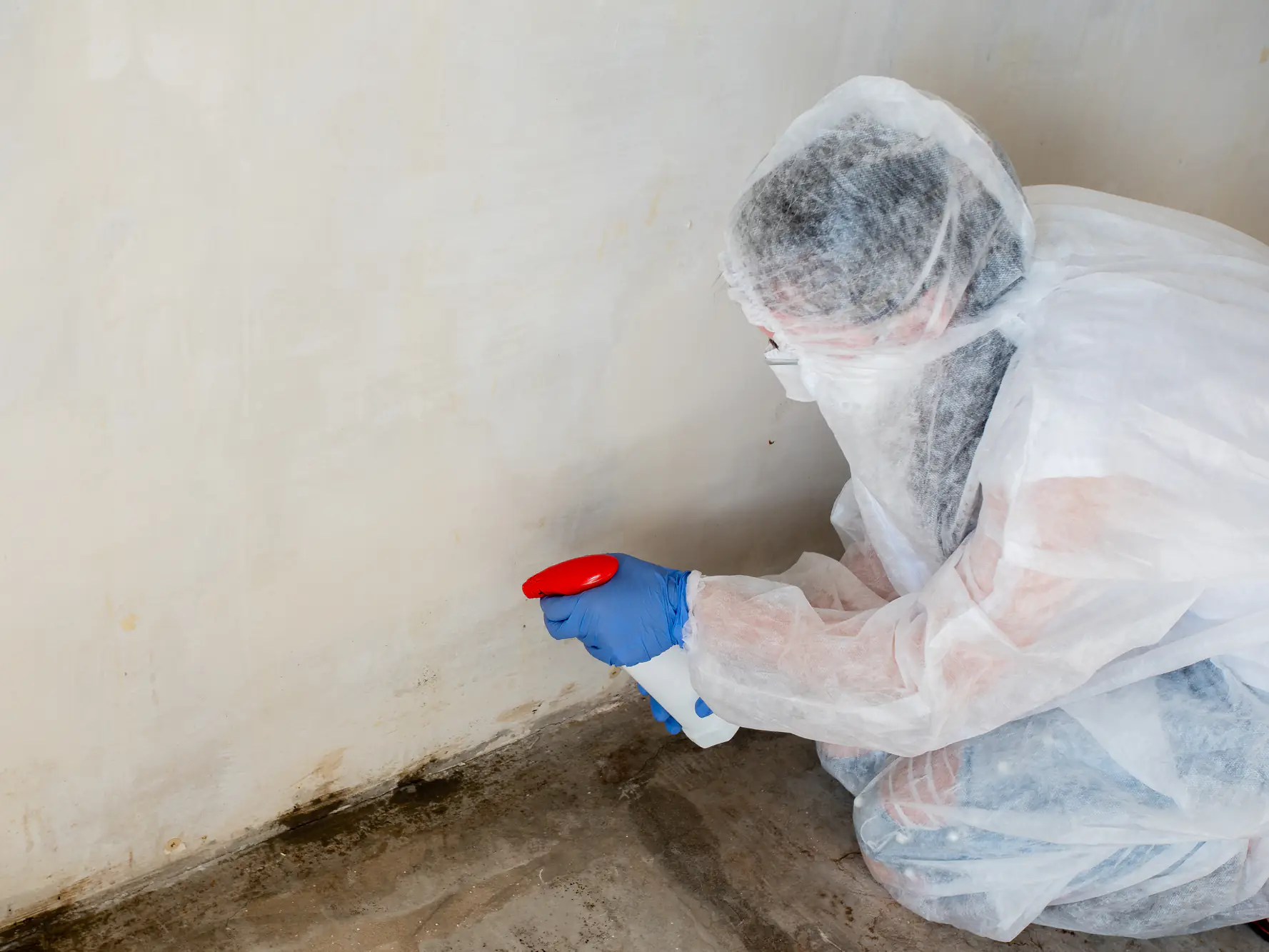
Hear from Our Customers
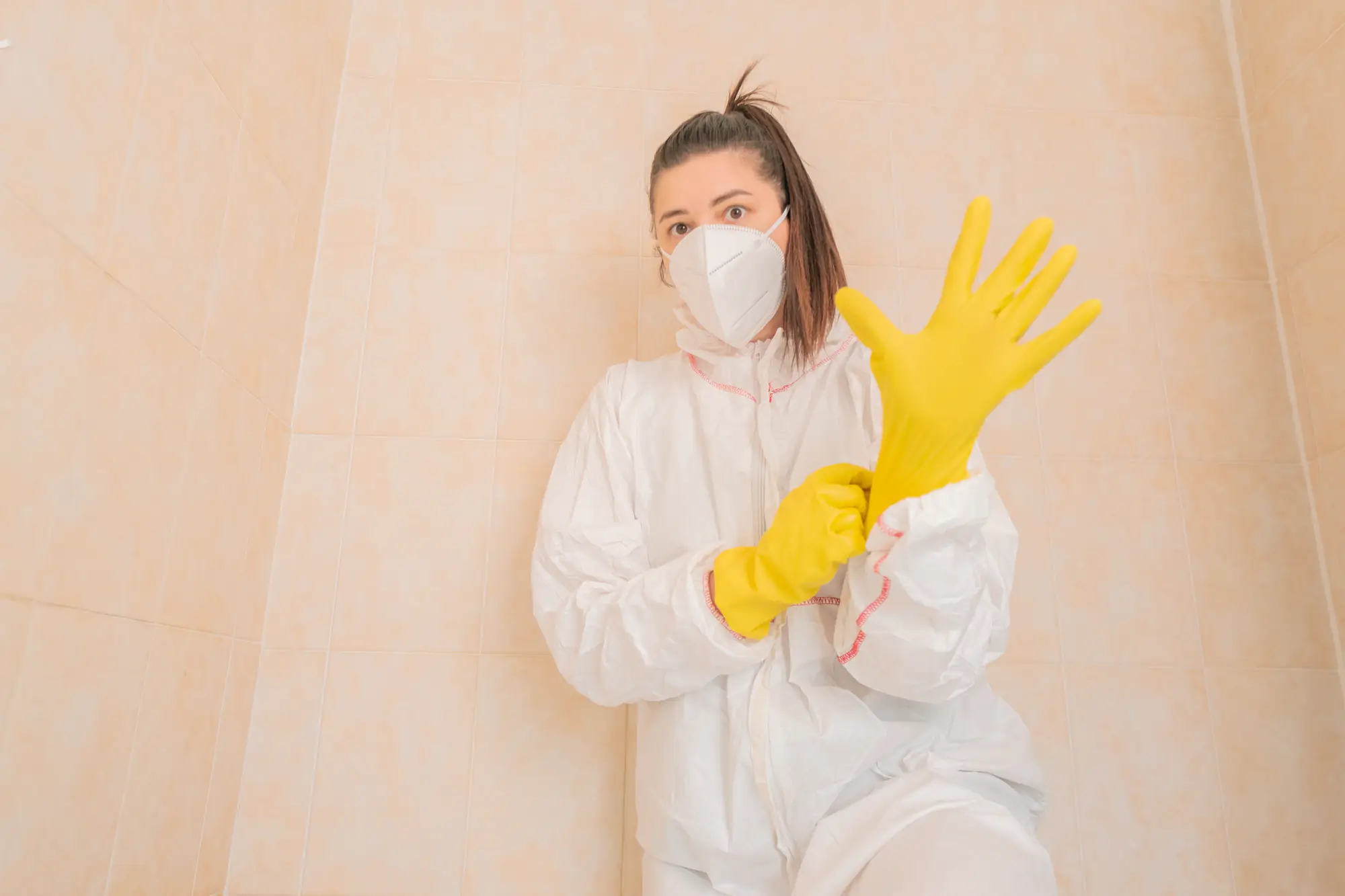
Mold doesn’t just sit on surfaces. It spreads behind walls, into HVAC systems, and through the air you’re breathing right now. You might see a small patch in your bathroom or smell something musty in the basement, but that’s rarely the full picture.
When mold gets removed the right way, your home feels different. The air clears up. That constant worry about what’s growing where you can’t see it goes away. Your family stops dealing with unexplained allergies or respiratory issues that doctors can’t quite pin down.
In Chalfont, where summer humidity regularly creates perfect conditions for mold growth, you’re not just dealing with a cosmetic issue. You’re dealing with a health risk that compounds every day it’s ignored. Professional mold remediation means identifying the moisture source, containing the affected area, removing contaminated materials, and treating surfaces so it doesn’t come back. That’s the difference between a temporary fix and actually solving the problem.
We’ve been handling mold problems in Bucks County for over 50 years. That’s five decades of dealing with Pennsylvania’s humid summers, basement moisture issues, and the specific challenges that come with older homes in this area.
Every technician on our team is certified and background-checked. They’ve been through comprehensive training at our facility, and they know how to handle everything from small bathroom mold to extensive remediation projects that involve structural materials.
We’re local to Chalfont and the surrounding areas. We understand that mold doesn’t wait for business hours, which is why we offer 24/7 emergency response. When you call, you’re getting people who know this region’s climate, housing stock, and the most common places mold hides in homes like yours.
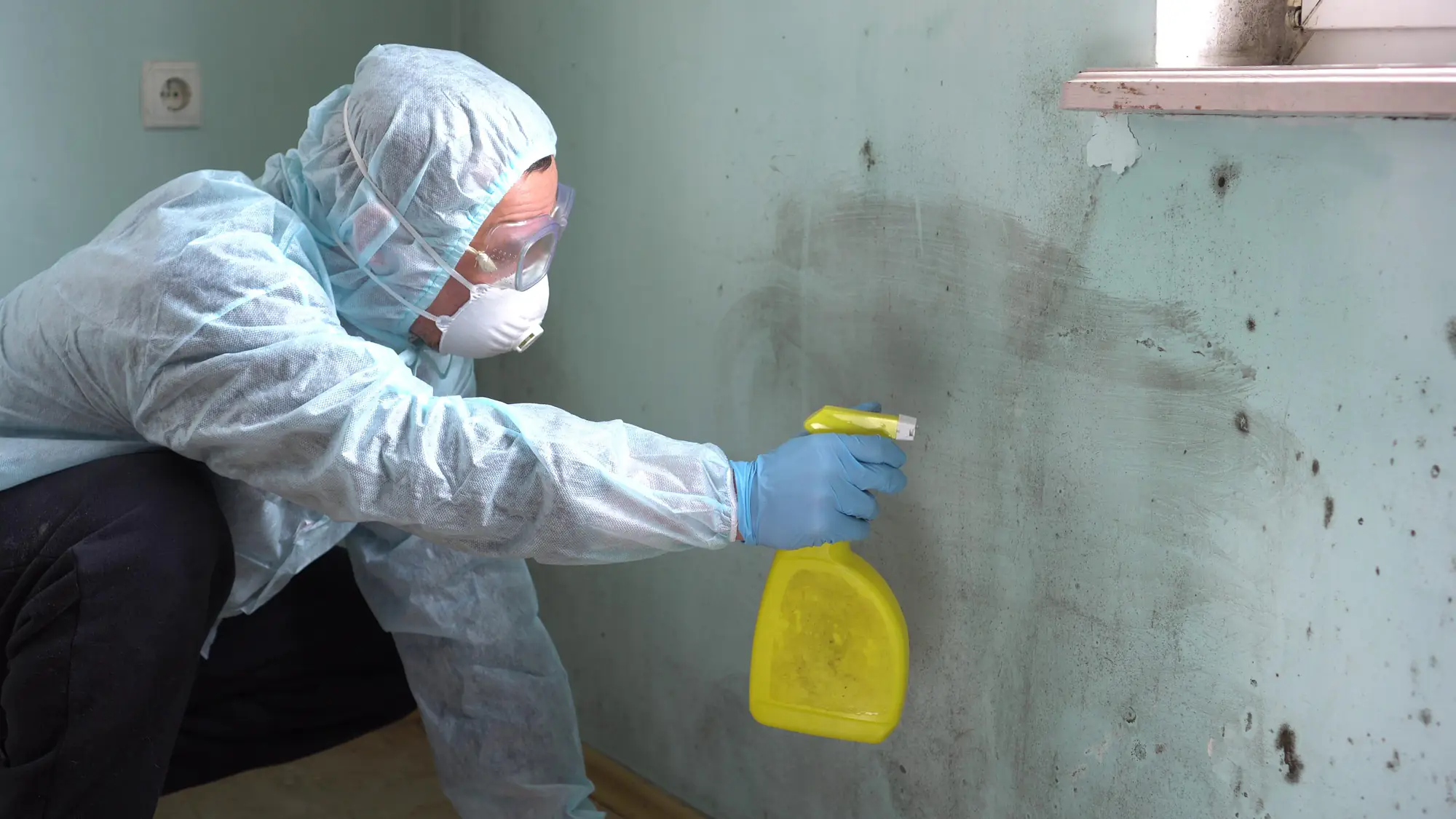
First, we inspect your property to find all the mold, not just what you can see. We use advanced detection equipment to identify hidden growth in walls, crawl spaces, and ventilation systems. This step matters because treating visible mold without addressing hidden colonies means you’ll be calling someone back in six months.
Next, we contain the affected area. Mold spreads through spores, and disturbing it without proper containment turns a localized problem into a whole-house issue. We seal off the work area and use negative air pressure to prevent cross-contamination.
Then comes removal. We don’t just clean surfaces. If materials like drywall or insulation are contaminated, they get removed and disposed of properly. We treat remaining surfaces with EPA-approved antimicrobial solutions that kill mold at the root.
Finally, we address the moisture source. Mold needs water to grow, so if we’re not fixing the leak, improving ventilation, or solving the humidity problem, we’re just setting you up for round two. We identify what caused the mold and give you clear recommendations to prevent it from returning.
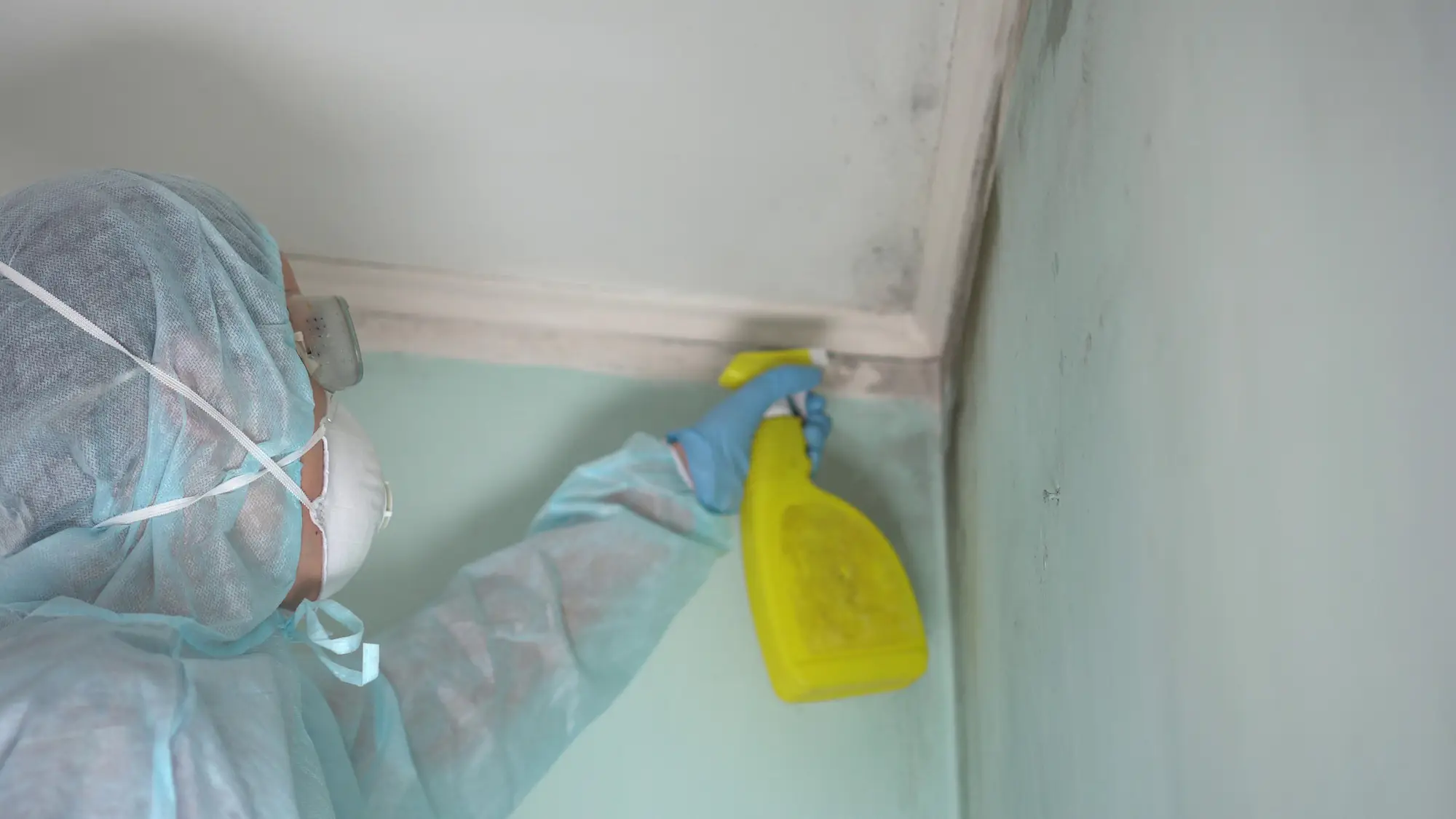
Ready to get started?
When you hire us, you should know exactly what you’re getting. Our service includes a complete inspection with moisture mapping, identification of mold types, and documentation for insurance purposes if needed. We work directly with insurance companies to handle claims, so you’re not stuck playing middleman.
In Chalfont and throughout Bucks County, we see the same patterns. Basements with poor drainage. Attics with inadequate ventilation where Pennsylvania’s humid summers create perfect growing conditions. Bathrooms in older homes where exhaust fans either don’t exist or haven’t worked in years. We’ve handled all of it.
You also get containment and air filtration during the removal process. We’re not spreading spores throughout your home while we work. All contaminated materials are bagged and removed according to EPA guidelines. Surfaces get treated with professional-grade antimicrobials that actually work, not hardware store sprays.
After remediation, you receive a detailed report of what was found, what was done, and what you need to monitor going forward. We don’t disappear after the job. If you have questions three months later about a smell or a spot, you can call. That’s part of doing this right.

Most mold remediation projects in the Chalfont area run between $1,100 and $3,300, with the average around $2,200. That’s based on typical residential jobs involving 100 to 300 square feet of affected area.
Pricing depends on how much mold you’re dealing with, where it’s located, and what materials need removal. A small bathroom with surface mold costs significantly less than a finished basement where mold has gotten into drywall, insulation, and flooring. If we need to remove and replace building materials, costs go up.
The industry standard is roughly $10 to $25 per square foot, but that’s just a baseline. Hidden mold behind walls, contaminated HVAC systems, or situations requiring extensive structural work can push costs higher. The good news is we inspect first and give you a clear estimate before any work starts. You’ll know what you’re paying and why. If insurance is involved, we document everything and work with your provider to help get the claim processed.
Mold can start growing within 24 to 48 hours after water exposure. If you’ve had a leak, flood, or even persistent condensation, the clock is already ticking. That’s why water damage needs immediate attention, not next week when you have time to deal with it.
Mold needs three things: moisture, organic material to feed on (like drywall, wood, or carpet), and temperatures between 77°F and 88°F. Pennsylvania summers provide the perfect temperature range, and most homes are full of organic materials. The only variable is moisture, and once that shows up, mold moves fast.
This is especially true in Chalfont and Bucks County, where humidity levels during summer months create conditions where moisture doesn’t evaporate quickly. A small leak that might dry out in a drier climate can become a mold problem here in two days. If you’ve had any water intrusion, you need to either dry it completely within 24 hours or call someone who can assess whether mold has already started. Waiting to see if it becomes a problem guarantees it will.
The EPA says you can handle mold yourself if the affected area is less than 10 square feet and you don’t have asthma or respiratory sensitivities. Anything larger than that, or mold that’s gotten into building materials or HVAC systems, requires professional remediation.
Here’s the issue with DIY mold removal: you’re probably not seeing all of it. Mold grows in hidden areas like wall cavities, under flooring, and in ventilation systems. Treating what you can see without addressing what you can’t just means it comes back. You also risk spreading spores throughout your home if you don’t contain the area properly during cleaning.
We use equipment you don’t have access to: moisture meters, thermal imaging cameras, negative air machines, and commercial-grade antimicrobials. We know where to look, how to contain the work area, and how to remove mold completely instead of just scrubbing the surface. If you’re dealing with black mold, extensive growth, or mold that’s come back after you’ve tried cleaning it, call us. The cost of doing it right the first time is less than the cost of doing it wrong twice.
Mold releases spores into the air that can cause respiratory issues, trigger allergies, and worsen asthma. If anyone in your home has a compromised immune system or existing respiratory conditions, the risks are higher. Symptoms often include persistent coughing, sneezing, throat irritation, and congestion that doesn’t go away.
Black mold gets the most attention, but all mold types can cause health problems depending on exposure levels and individual sensitivity. Some people experience headaches, fatigue, or difficulty concentrating. Kids and elderly family members are typically more vulnerable to mold-related health issues.
The problem is that symptoms are often vague and easy to dismiss as seasonal allergies or a cold that won’t quit. If multiple people in your household are experiencing unexplained respiratory issues, especially if symptoms improve when you leave the house, mold might be the cause. You can’t see spores in the air, but you’re breathing them in constantly if there’s active mold growth. The only way to eliminate the health risk is to eliminate the mold completely, which means professional remediation and fixing whatever moisture problem caused it in the first place.
You might smell it before you see it. A persistent musty odor, especially in areas like basements, bathrooms, or exterior walls, usually means mold is growing somewhere you can’t see. Discoloration, bubbling paint, or warping on walls and ceilings are also red flags that moisture has gotten into building materials.
If you’ve had any water damage, roof leaks, plumbing issues, or flooding, there’s a good chance mold is growing in wall cavities even if the surface looks fine. In Chalfont’s humid climate, condensation alone can create enough moisture for mold to grow inside walls, especially in poorly ventilated areas.
We use thermal imaging cameras and moisture meters to detect hidden mold without tearing apart your walls. We can identify temperature differences and moisture levels that indicate mold growth behind surfaces. If you’re buying or selling a home, getting a mold inspection before closing can save you from expensive surprises later. Most lenders actually require mold clearance reports before funding mortgages on properties with any history of water damage or mold issues.
Mold will come back if the moisture source isn’t fixed. Remediation removes existing mold, but it doesn’t make your home immune to future growth. If you still have a leaky pipe, poor ventilation, or drainage problems, you’re just creating the same conditions that caused mold in the first place.
That’s why we don’t just remove mold and leave. We identify what caused it and give you specific recommendations to prevent it from returning. Sometimes that means fixing a plumbing leak, improving attic ventilation, installing a dehumidifier in the basement, or regrading soil around your foundation to direct water away from the house.
Pennsylvania’s climate means you need to stay vigilant about moisture control. Humid summers, wet springs, and homes with older construction create ongoing challenges. After remediation, monitor areas that were previously affected. Check for new water stains, musty odors, or condensation. If you address moisture problems quickly, mold won’t have a chance to reestablish. The remediation itself, when done correctly with proper antimicrobial treatment, prevents mold from regrowing in treated areas as long as those areas stay dry.
Other Services we provide in Chalfont