
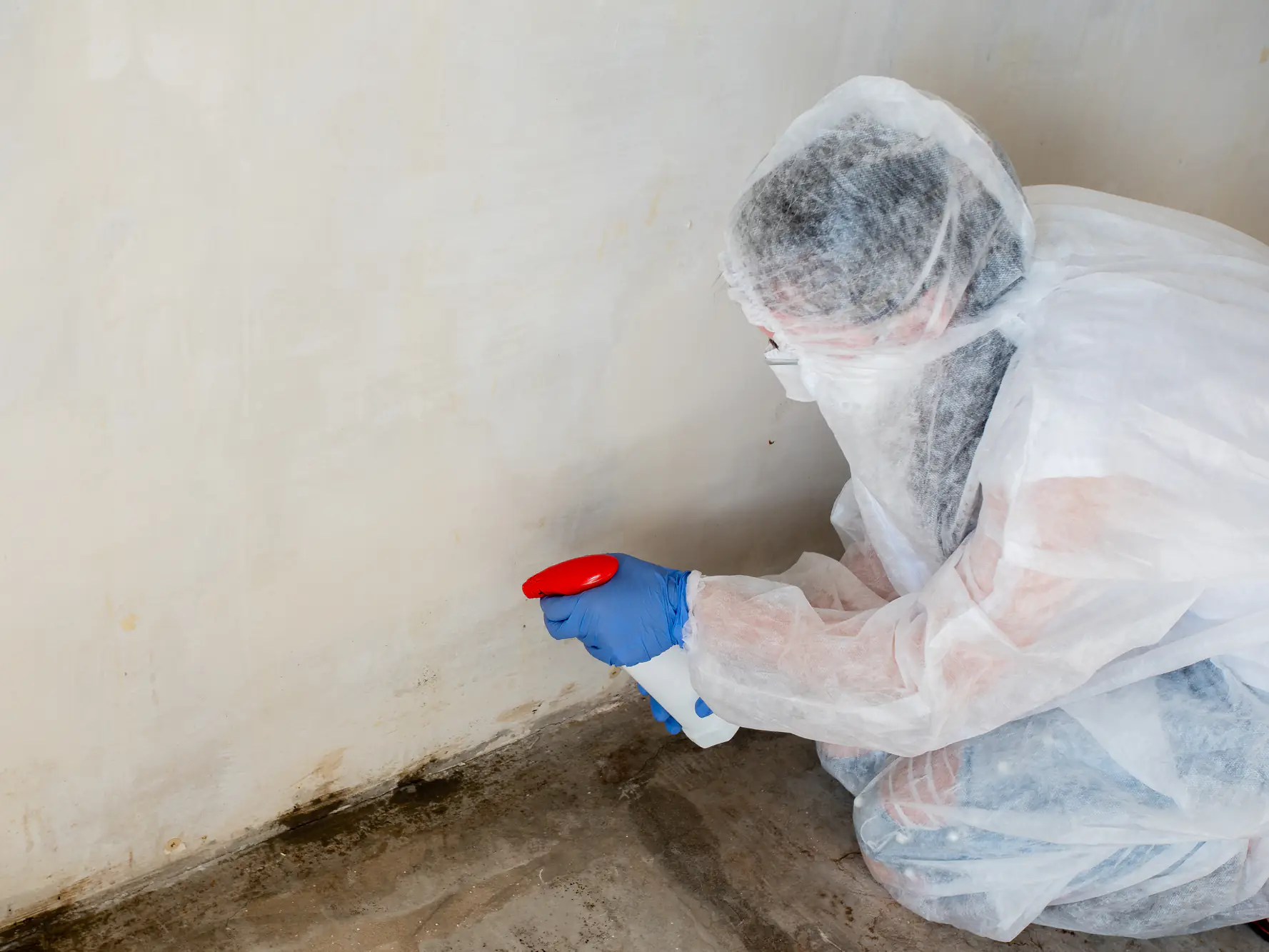
Hear from Our Customers
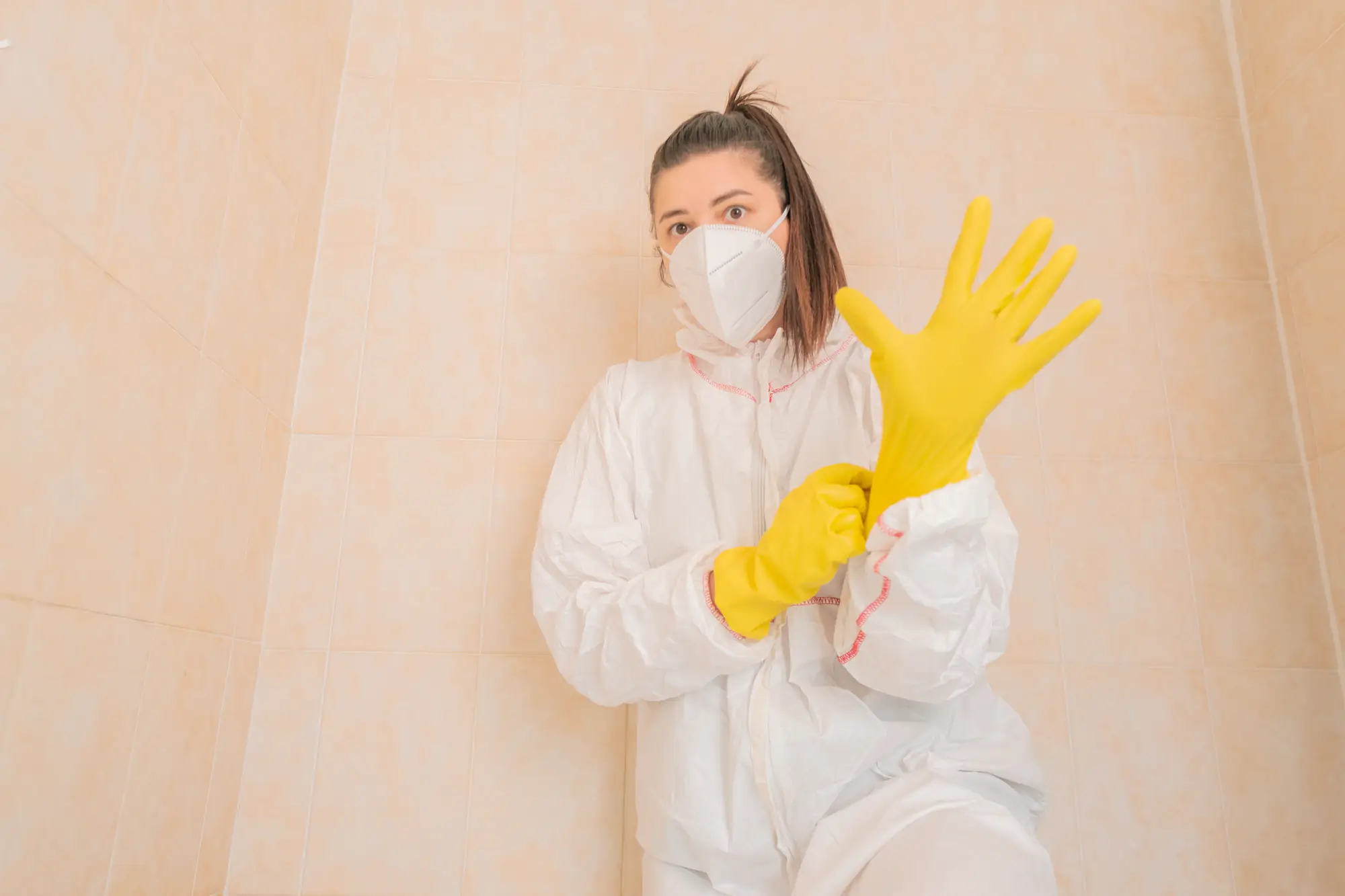
You stop wondering if that musty smell is dangerous. You stop worrying every time your kid coughs or your allergies flare up for no clear reason. You get confirmation that what’s behind your walls, under your sink, or in your attic isn’t quietly making your family sick.
That’s what complete mold remediation looks like. Not a quick patch job. Not a surface scrub that leaves the real problem untouched.
You get a home where the air quality is measurably better. Where you’re not second-guessing whether you should’ve handled it sooner. Where the next buyer’s inspector won’t find something you missed. And where you’re not dealing with the same issue six months from now because the source was never addressed.
We work throughout Glen Ashton Farms and the surrounding Bucks County area. We’re not a national franchise with a local sticker on the truck. We’re mold removal specialists who understand how Pennsylvania’s climate creates the exact conditions mold loves—and how to eliminate it properly.
Glen Ashton Farms is known for well-maintained homes and families who care about keeping them that way. That’s exactly who we work with. Homeowners who want the job done right, not just done fast.
We use advanced inspection tools to find mold you can’t see. We remove it using methods that actually work. And we help you understand what caused it so you’re not stuck in a cycle of temporary fixes.
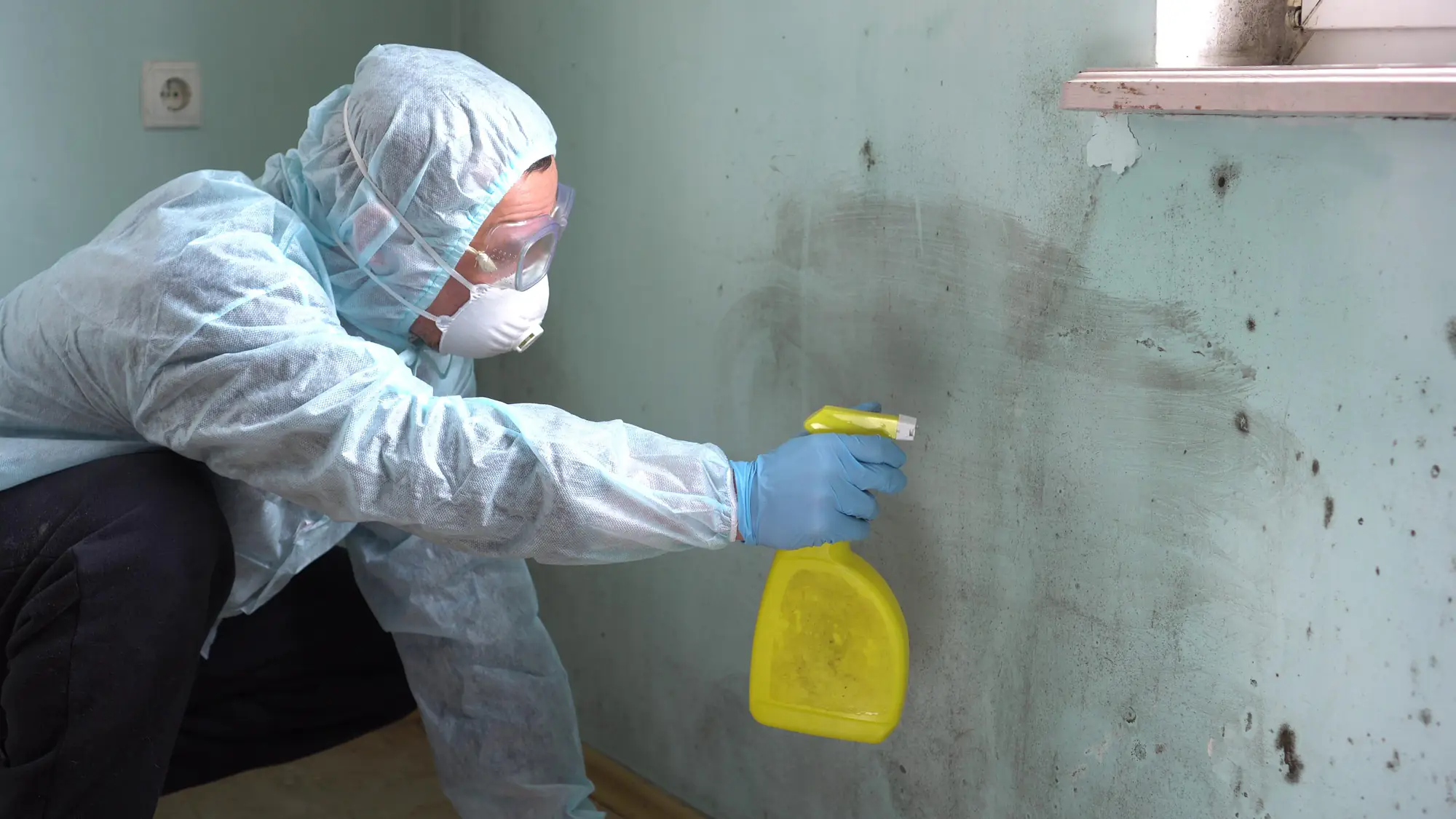
First, we come out for a free inspection. We’re looking for visible mold, but also the hidden stuff—behind drywall, under flooring, in crawl spaces. We use thermal imaging and moisture meters to find what most people miss.
Once we know what we’re dealing with, we give you a detailed assessment. Not a vague estimate. A real breakdown of what’s there, why it’s there, and what it’s going to take to remove it completely.
Then we contain the area to prevent spores from spreading during removal. We remove contaminated materials, treat affected surfaces, and address the moisture source that caused the problem in the first place. Because if you don’t fix the “why,” you’re just buying time.
After removal, we verify the air quality and make sure the job is actually done. You’re not guessing. You’re not hoping. You know your home is clear.
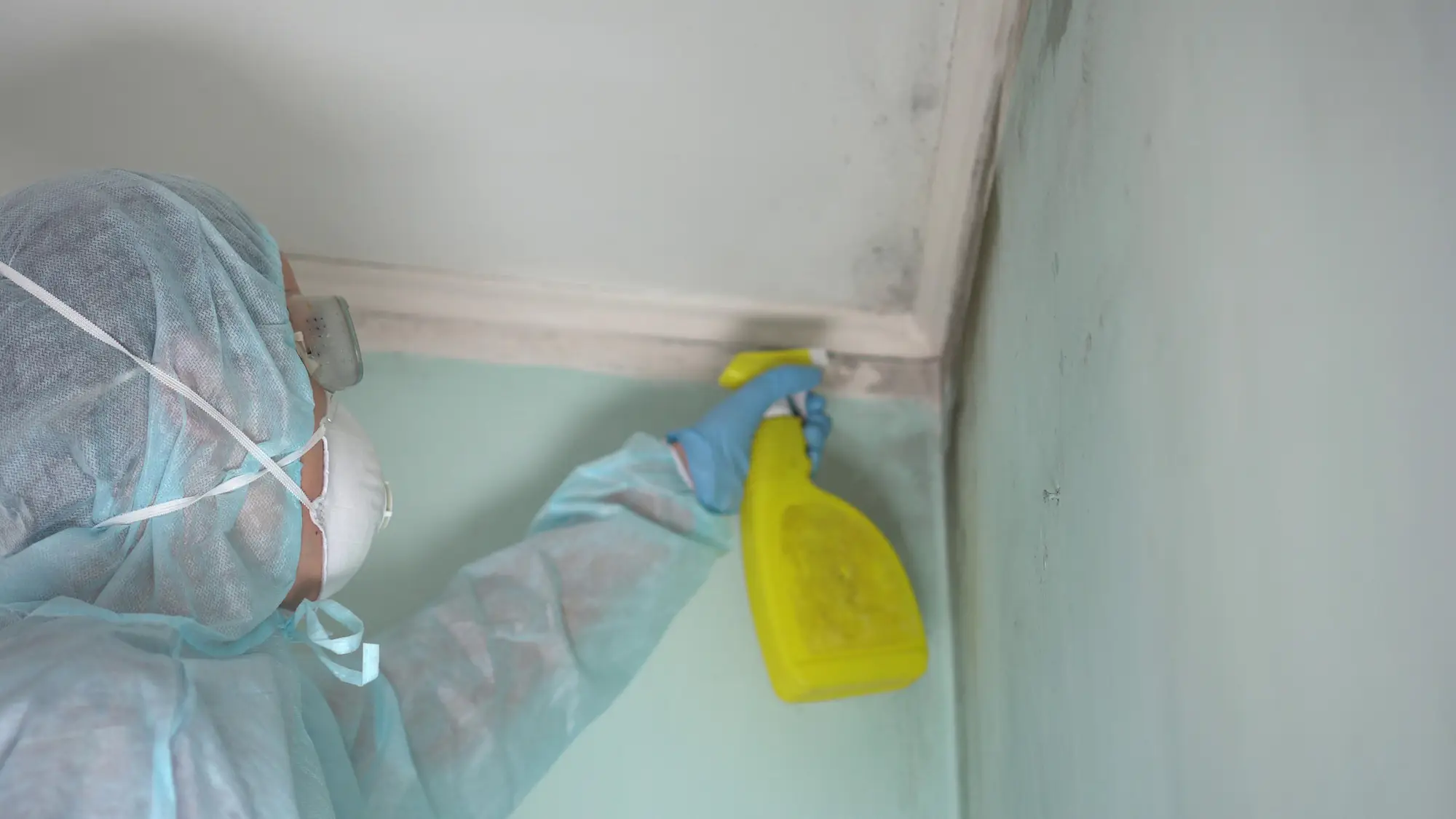
Ready to get started?
You get a thorough inspection using tools that detect moisture and temperature variations most companies don’t bother with. You get a customized remediation plan based on your specific situation—not a one-size-fits-all approach.
In Glen Ashton Farms, we see mold most often in basements, bathrooms, and attics. Pennsylvania’s humidity and older home construction create perfect conditions for growth, especially after wet winters or humid summers. We account for that.
You also get documentation. If you’re dealing with insurance, selling your home, or just want proof the work was done right, we provide it. And you get prevention guidance—what to watch for, how to manage moisture, and when to call us back if something changes.
The goal isn’t just to remove mold. It’s to give you a home that stays safe and a process you actually understand.

Normal moisture dries. Mold grows when moisture sticks around long enough to create an environment where spores can colonize and spread.
If you’re seeing discoloration on walls, ceilings, or grout, that’s often mold. If you smell something musty that doesn’t go away after cleaning, that’s a red flag. If anyone in your house is dealing with unexplained respiratory issues, headaches, or allergy symptoms that get worse at home, mold could be the cause.
But here’s the tricky part—mold often hides. You might not see it on a surface. It could be growing behind drywall, under flooring, or in your HVAC system. That’s why a professional inspection matters. We use moisture meters and thermal imaging to find problem areas before they become visible disasters.
If it’s a tiny spot on a tile grout line, sure—you can probably handle that with the right cleaner. But if you’re dealing with anything larger than a few square feet, or if it’s black mold, or if you don’t know the full extent of it, calling a mold removal specialist is the smarter move.
Here’s why: DIY mold removal often makes things worse. Scrubbing mold releases spores into the air, which then spread to other areas of your home. If you don’t address the moisture source, it just comes back. And if you’re not wearing proper protection, you’re exposing yourself to health risks.
Professional remediation includes containment, proper removal techniques, air filtration, and treatment of the underlying cause. It’s not just about killing what you see. It’s about making sure it doesn’t come back and that your air quality is actually safe again.
It depends on how much mold there is and where it’s located. A small bathroom issue might take a day or two. A basement with widespread contamination could take a week or more.
The inspection itself usually takes a couple of hours. Once we know what we’re dealing with, we can give you a realistic timeline. Most jobs in Glen Ashton Farms homes fall somewhere in the 3-5 day range, but that’s not a rule—it’s a reflection of what we typically see.
What takes time is doing it right. Containment, removal, treatment, drying, and air quality verification all take time. Rushing through it means you’re likely to have the same problem again in six months. We’d rather take the extra day and know it’s handled completely than cut corners and leave you with a recurring issue.
Sometimes. It depends on what caused the mold and what your policy actually covers.
If the mold resulted from a sudden, accidental event—like a burst pipe or storm damage—there’s a good chance your insurance will cover at least part of the remediation. If it’s from long-term neglect, poor ventilation, or a slow leak you didn’t address, most policies won’t cover it.
The key is documentation. Insurance companies want proof of the damage, the cause, and the scope of work. We provide detailed assessments and can work with your adjuster to make sure everything is documented properly.
Before you file a claim, it’s worth calling your insurance company to ask what’s covered. Some policies have mold caps or exclusions. Knowing that upfront helps you make better decisions about how to move forward.
Mold comes back when the moisture source isn’t fixed. You can scrub every visible spot, but if water is still getting in, condensation is still forming, or humidity is still too high, mold will return.
Common culprits in Glen Ashton Farms homes include poor ventilation in bathrooms, basement humidity, roof leaks, and plumbing issues that go unnoticed for months. Sometimes it’s as simple as a dryer vent that’s not venting outside or a gutter that’s dumping water right next to your foundation.
That’s why our process includes identifying and addressing the source. We don’t just treat the symptom. If there’s a leak, we’ll tell you. If your crawl space needs better ventilation, we’ll explain why. If your basement needs a dehumidifier, we’ll recommend one.
Mold removal without moisture control is just temporary. Fixing both is how you actually solve the problem.
Black mold—specifically Stachybotrys chartarum—can produce mycotoxins that are harmful, especially with prolonged exposure. It’s been linked to respiratory problems, chronic headaches, fatigue, and more serious health issues in people with compromised immune systems, young children, and the elderly.
That said, not all black-colored mold is Stachybotrys. There are other types of mold that appear black but aren’t as toxic. The problem is, you can’t tell just by looking at it. You’d need lab testing to confirm the species.
Regardless of the type, mold in your home is a problem. Even non-toxic molds can trigger allergies, asthma, and other respiratory issues. The color matters less than the fact that it’s growing in a place where you and your family are breathing.
If you see black mold, don’t try to handle it yourself. Call a black mold expert who has the equipment and training to remove it safely. The health risks aren’t worth the DIY experiment.
Other Services we provide in Glen Ashton Farms