
Hear from Our Customers
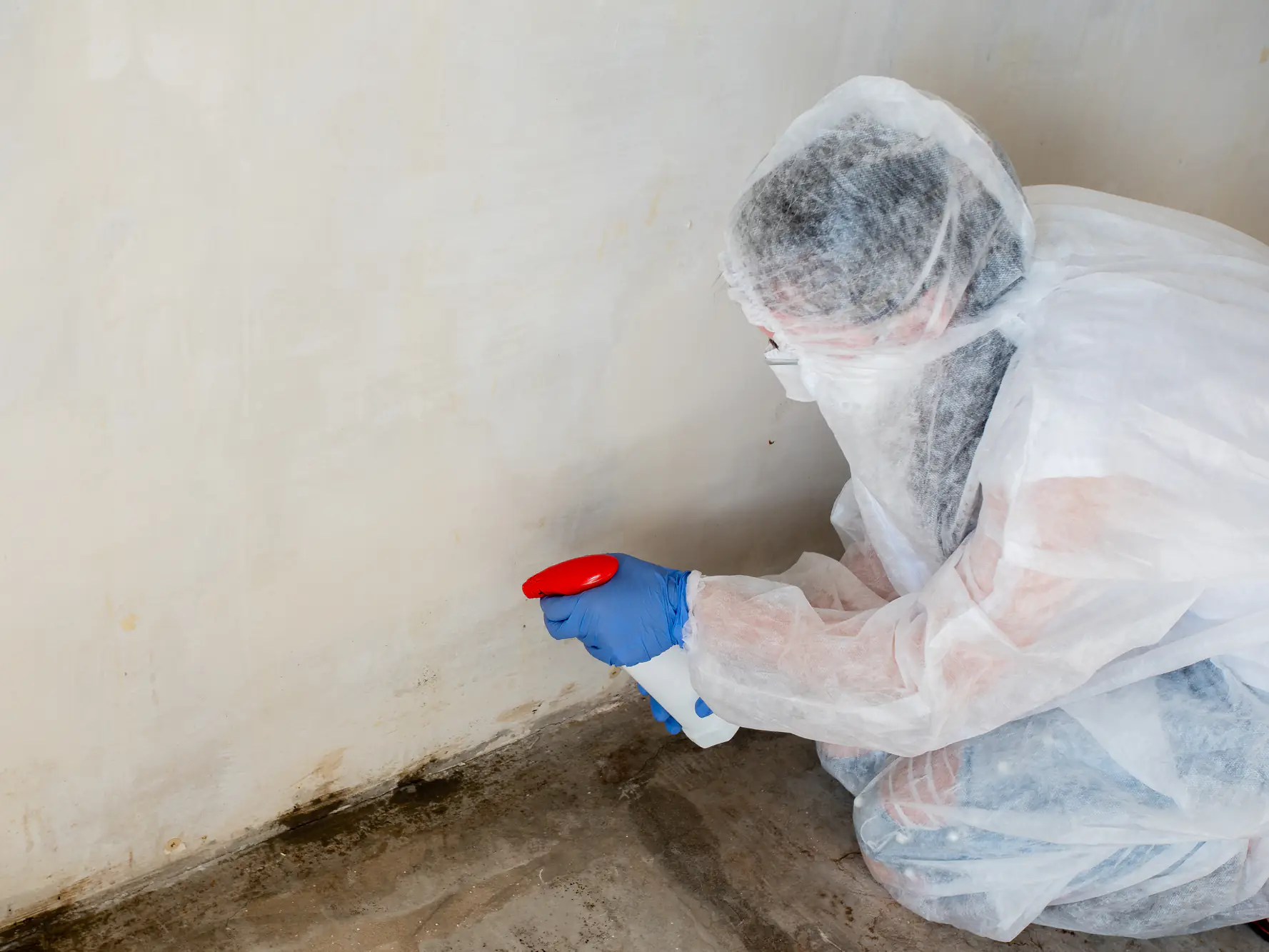
You’ve seen the dark spots. Maybe you’ve noticed the musty smell that won’t go away no matter how much you clean. Or maybe someone in your house has been dealing with respiratory issues that doctors can’t quite explain.
Mold grows fast in Bucks County. Pennsylvania’s humid summers and temperature swings create perfect conditions for spores to take hold within 24 to 48 hours of water exposure. Once it starts, it spreads through walls, under floors, and into HVAC systems where you can’t see it.
The health risks are real. Black mold and other toxic varieties cause allergic reactions, asthma attacks, chronic respiratory problems, and worse outcomes for kids, elderly family members, and anyone with a compromised immune system. The longer it sits, the more damage it does to both your health and your home’s structure.
Professional removal stops the spread, eliminates the source, and prevents it from coming back. More importantly, it gives you certainty that your indoor air is safe to breathe again.
We’ve been serving Magnolia Hill and the greater Bucks County area with one focus: getting mold out of homes and businesses completely. We’re IICRC-certified, which means we follow the industry’s strictest standards for containment, removal, and prevention.
Pennsylvania doesn’t regulate mold contractors, which means anyone can claim they know what they’re doing. That’s a problem for homeowners trying to find qualified help. We’ve built our reputation on transparency, proper training, and doing the work right the first time.
We understand Bucks County properties. The older homes in this area, the basement moisture issues common to the region, the way weather patterns affect indoor humidity levels. That local knowledge matters when you’re trying to solve a mold problem for good, not just cover it up temporarily.
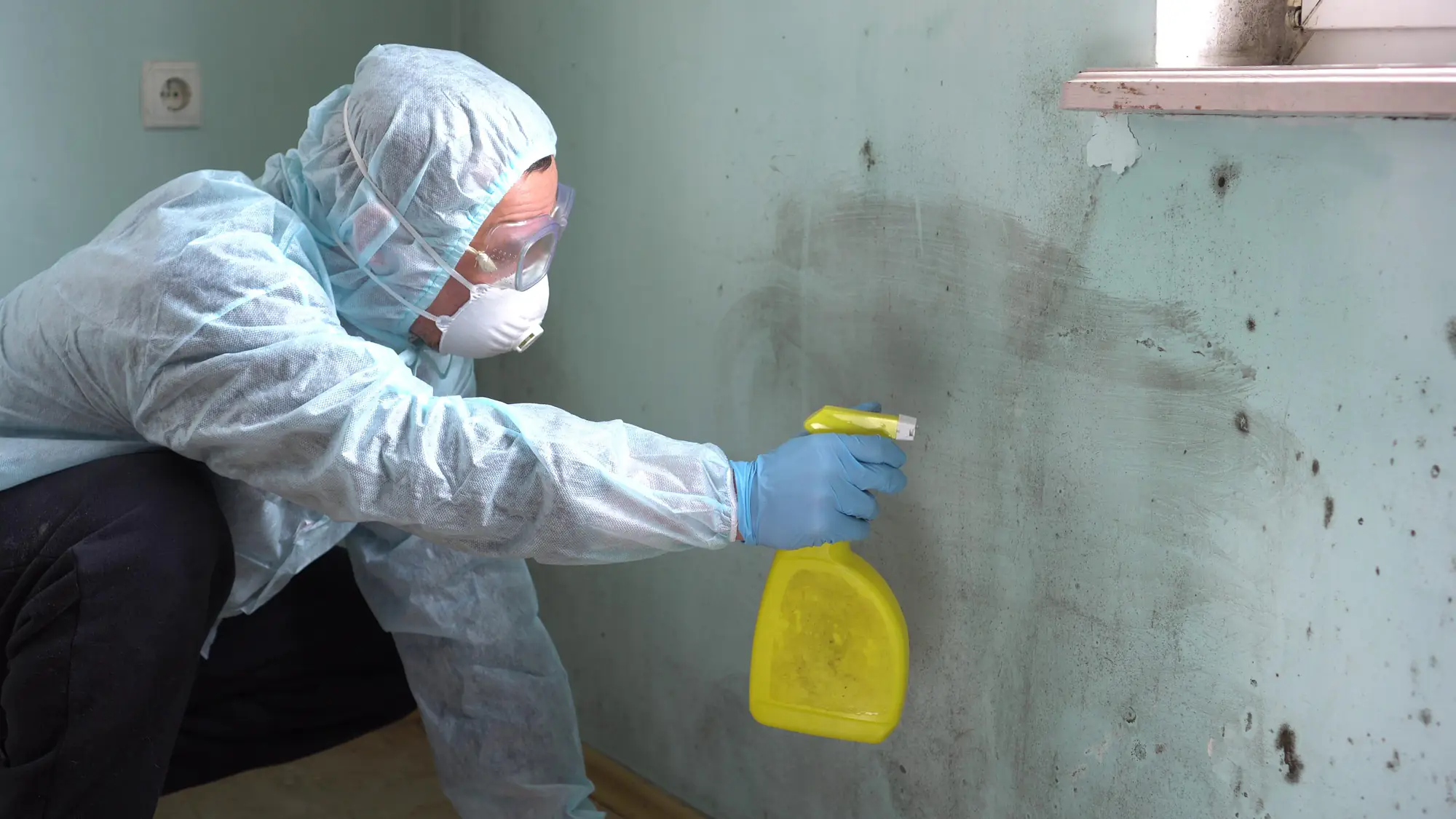
First, we inspect the entire property to find all the mold, not just the visible growth. We use moisture meters and thermal imaging to locate hidden problem areas behind walls, under flooring, and in crawl spaces. This step determines the full scope before we start any removal work.
Next comes containment. We seal off affected areas with physical barriers and negative air pressure systems to prevent spores from spreading to clean parts of your home during removal. This is critical and it’s where a lot of unqualified companies cut corners.
Then we remove all contaminated materials. Drywall, insulation, carpet, whatever can’t be properly cleaned gets bagged and disposed of safely. For surfaces we can save, we use EPA-approved antimicrobial treatments that kill mold at the root level.
After removal, we dry and dehumidify the space completely. Mold needs moisture to survive, so eliminating the water source is how we prevent it from returning. We also identify what caused the moisture problem in the first place, whether that’s a leak, poor ventilation, or drainage issues.
Finally, we test the air quality to confirm the mold is gone and the space is safe to rebuild. You get documentation of the entire process, which is important if you’re dealing with insurance claims or planning to sell your property.
Ready to get started?
Every job starts with a detailed inspection and moisture assessment. We document everything with photos and written reports that you can use for insurance claims or real estate transactions. This documentation matters because most homeowners insurance in Pennsylvania doesn’t cover mold unless it resulted from a covered event like a burst pipe.
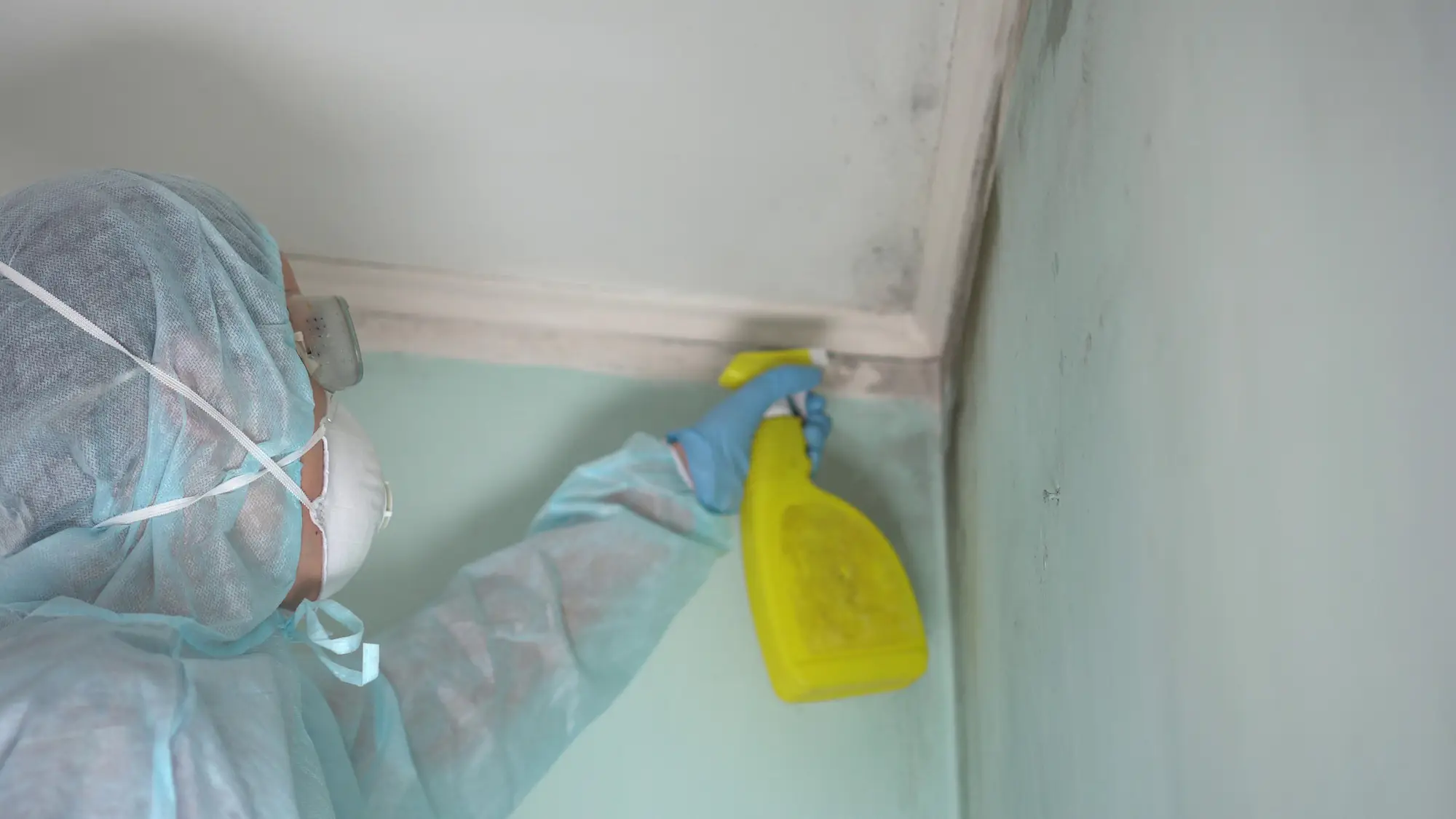
The remediation itself includes full containment setup, HEPA air filtration during the work, removal of all affected materials, antimicrobial treatment of salvageable surfaces, and proper disposal of contaminated debris. We don’t just clean what you can see. We address the entire contaminated area and the moisture source feeding it.
Magnolia Hill properties, especially older homes in the area, often have basement moisture issues or poor attic ventilation that creates ongoing mold risk. We identify these problems during our inspection and give you practical recommendations for long-term prevention. That might mean better dehumidification, fixing drainage around your foundation, or improving airflow in problem areas.
You also get post-remediation verification. We don’t consider the job done until air quality testing confirms the mold is eliminated and your indoor environment is back to safe levels. That final clearance gives you proof the work was completed properly.

Cost depends entirely on how much mold you have and where it’s located. A small bathroom mold issue might run $500 to $1,500. Extensive contamination that’s spread through multiple rooms or into your HVAC system can cost $10,000 or more.
The size of the affected area drives the price. So does the type of materials involved. Removing mold from a concrete basement wall costs less than tearing out contaminated drywall, insulation, and flooring in a finished living space.
We offer free inspections so you know exactly what you’re dealing with before any money changes hands. We give you a detailed written estimate that breaks down the work and the cost. No surprises, no pressure. Just clear information so you can make an informed decision about how to move forward.
Usually not, but sometimes yes. Pennsylvania insurance policies typically exclude mold coverage unless the mold resulted from a covered peril. If a pipe bursts and that water damage leads to mold growth, your policy might cover the remediation. If the mold grew because of long-term humidity or a slow leak you didn’t address, you’re probably paying out of pocket.
The key is proving the mold came from a sudden, accidental event rather than neglect or maintenance issues. That’s where documentation matters. We provide detailed reports, photos, and moisture readings that show what caused the problem and when it likely started.
Even if your insurance denies the claim initially, having professional documentation gives you leverage to appeal. We’ve worked with plenty of Bucks County homeowners through the claims process. We know what insurance adjusters look for and how to present the information in a way that supports your case.
Small jobs take one to three days. Larger remediation projects can take a week or more, depending on how much material needs to be removed and how long the drying process takes.
The inspection and assessment usually happen on day one. If the contamination is limited and straightforward, we can often start remediation the same day or next day. More complex situations require time to set up proper containment and coordinate the work, especially if we’re dealing with occupied homes where people need to stay out of certain areas.
Drying time is the variable that’s hardest to predict. We can’t rush it. The space has to be completely dry before we give final clearance, or the mold will just come back. We use commercial dehumidifiers and air movers to speed up the process, but humidity levels and the extent of water damage determine the timeline. We’ll give you a realistic estimate upfront and keep you updated if anything changes.
If it’s a very small area, less than 10 square feet, and it’s on a hard, non-porous surface like tile, you can probably handle it yourself with proper protection. Anything larger or more complicated needs professional help.
Here’s why. Disturbing mold releases millions of spores into the air. Without proper containment and air filtration, you’re spreading contamination throughout your home. You’re also exposing yourself to high concentrations of spores that can cause serious respiratory problems, especially with toxic varieties like black mold.
Most DIY attempts fail because people treat the symptom, not the cause. You can scrub visible mold off a wall, but if you don’t fix the moisture problem and remove contaminated materials behind the surface, it grows back within weeks. Professional mold removal specialists have the equipment to find hidden growth, the training to remove it safely, and the knowledge to prevent recurrence. The cost of doing it right the first time is almost always less than the cost of doing it wrong twice.
Mold removal means physically taking mold out of your property. Mold remediation means returning the mold levels in your indoor environment back to normal, natural levels. It’s a more complete process.
You can’t remove every single mold spore from a building. Spores exist naturally in outdoor and indoor air. Remediation focuses on eliminating the mold growth, removing contaminated materials, cleaning salvageable surfaces, and controlling moisture so new growth doesn’t start. The goal is getting your indoor mold levels back to what they’d be in a healthy home.
True remediation also addresses the source. If water is leaking from somewhere, if humidity is too high, if ventilation is inadequate, those problems need solutions or the mold returns. A mold removal specialist who only scrapes off visible growth and doesn’t fix underlying issues isn’t doing remediation. They’re doing temporary cleanup that won’t last.
Visible growth is the most obvious sign. Dark spots or discoloration on walls, ceilings, or floors, especially in bathrooms, basements, or around windows. But plenty of mold grows where you can’t see it.
Smell is often the first clue. That musty, earthy odor that doesn’t go away even after cleaning usually means mold is growing somewhere. If the smell is strongest in certain rooms or gets worse when you run your heating or cooling system, mold might be in your HVAC or behind walls.
Health symptoms are another indicator. If people in your home are experiencing unexplained allergies, respiratory issues, headaches, or fatigue that improve when they leave the house, mold exposure could be the cause. Water damage history matters too. If you’ve had any leaks, flooding, or moisture problems in the past year, there’s a good chance mold started growing within 24 to 48 hours. Even if you dried things out, mold may have taken hold in hidden areas. A professional inspection finds problems before they become major health hazards or structural issues.
Other Services we provide in Magnolia Hill