
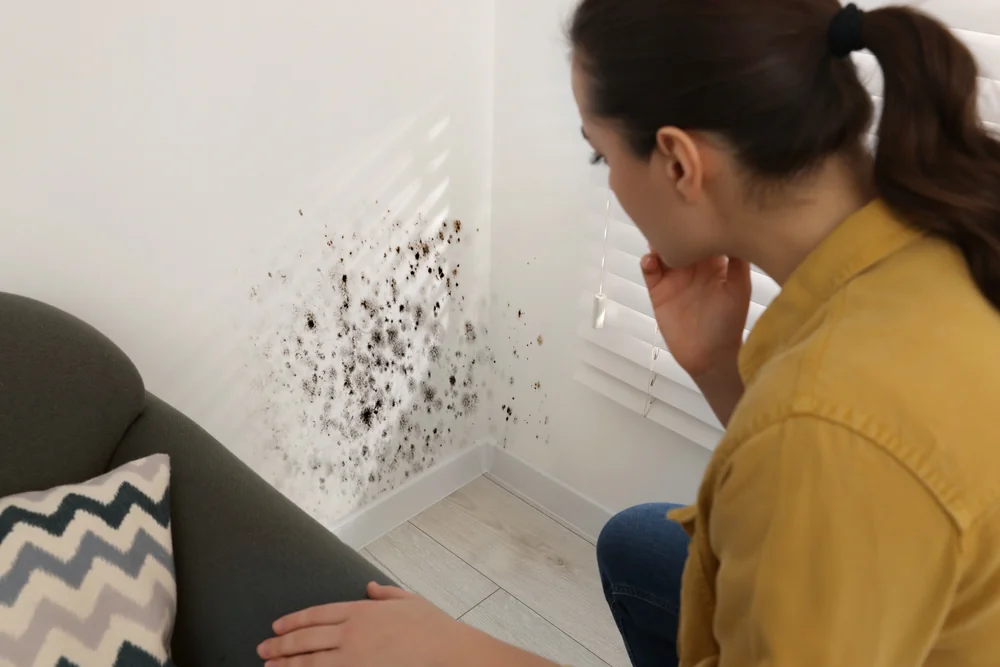
Hear from Our Customers
You’ve noticed the symptoms. Allergies that won’t quit. Headaches that start after you’ve been home for a few hours. Kids coughing more than usual, especially at night.
You open windows, change filters, buy air purifiers. Nothing changes. That’s because you’re treating symptoms without knowing the actual problem.
A home air quality test identifies what’s actually in your air—mold spores, allergens, VOCs, particulates. Not guesses. Not assumptions. Real data from lab analysis that shows contamination levels and compares them to safe outdoor baselines.
Once you know what you’re dealing with, you can fix it. Until then, you’re just hoping things get better while your family keeps breathing whatever’s floating around in there.
Indoor air can contain two to five times more pollutants than outdoor air. That’s not a scare tactic—it’s what happens when moisture, poor ventilation, and everyday household products concentrate inside sealed spaces. Professional air quality testing shows you exactly where you stand.
We’ve been testing indoor air quality in Magnolia Hill and throughout Bucks County for over two decades. We use the same equipment and methods that Certified Industrial Hygienists and Certified Mold Inspectors use—not consumer-grade kits that give you vague results and no context.
We know what normal looks like in Pennsylvania homes. We know how seasonal changes affect indoor air, what basements in this area tend to develop, and which HVAC issues show up most often in homes built in the last thirty years versus older construction.
You get results within 72 hours, a detailed report that explains what we found, and a clear recommendation on whether you need remediation or just better ventilation. We’re fully insured, and our work meets or exceeds EPA guidelines. No upselling. No panic language. Just honest testing and straightforward answers about what’s happening in your home.
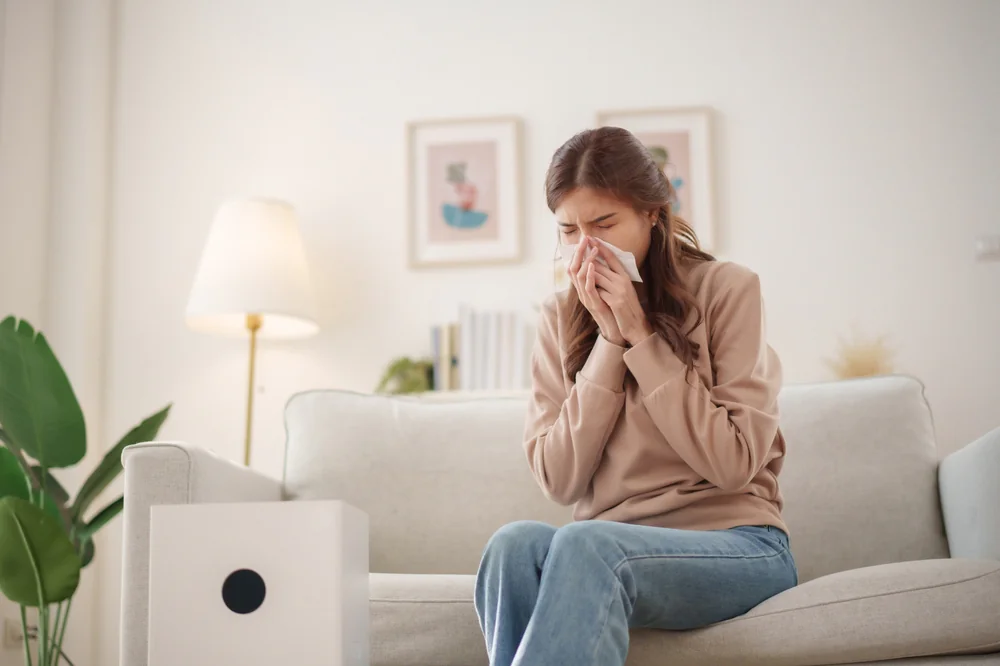
We start with a visual inspection of your home—checking for obvious moisture issues, ventilation problems, visible mold, or areas where air quality is likely compromised. This takes about 30 minutes and helps us understand what we’re testing for.
Then we collect air samples using professional-grade equipment. We take samples from problem areas and from outdoor air as a baseline comparison. Surface samples may also be collected if we see visible growth or suspect hidden contamination. The samples go to an accredited lab for analysis.
Within 72 hours, you get a detailed report showing exactly what’s in your air, at what concentrations, and how that compares to safe levels. We walk you through the results and explain what they mean in plain language—not lab jargon.
If the results show elevated mold spores, allergens, or other contaminants, we’ll recommend next steps. Sometimes it’s as simple as fixing a leak and improving ventilation. Other times, you need professional remediation. Either way, you’ll know exactly what you’re dealing with and what it’ll take to fix it.
Ready to get started?
Your residential air quality testing includes a complete visual inspection of your home, professional air sampling from multiple locations, outdoor baseline samples for comparison, and surface testing if needed. All samples are analyzed by an accredited laboratory, not an in-house kit.
You receive a comprehensive written report detailing everything we found—mold species, spore counts, allergen levels, and any other contaminants detected. The report includes comparison to outdoor levels and safe thresholds, so you can see exactly where problems exist.
In Magnolia Hill and throughout Bucks County, we see common patterns. Spring and fall bring elevated pollen that gets trapped indoors. Humid summers create ideal conditions for mold growth, especially in basements and crawl spaces. Older homes often have ventilation issues that concentrate pollutants. Your test accounts for these local factors.
We also provide clear recommendations based on results. If levels are elevated, we explain why and what needs to happen to bring them down. If your air quality is fine, we tell you that too. The goal is accurate information, not unnecessary services.
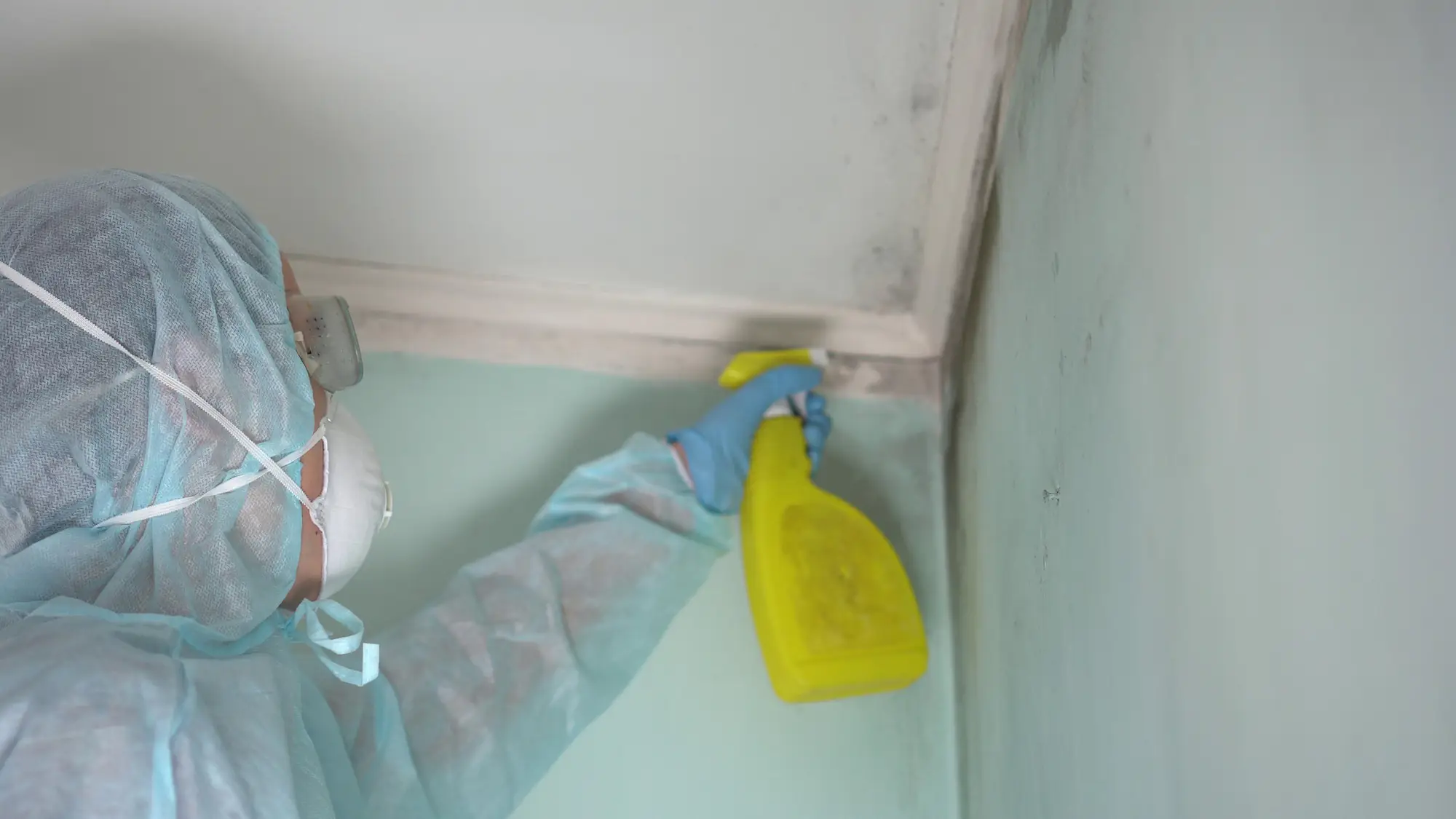
If anyone in your home has unexplained respiratory symptoms, worsening allergies, persistent headaches, or fatigue that improves when they leave the house, that’s a strong indicator. Visible mold growth, musty odors, recent water damage, or chronic humidity issues are also clear reasons to test.
DIY test kits from hardware stores aren’t reliable. They lack proper controls, don’t include outdoor comparison samples, and give you numbers without context. You need professional equipment and lab analysis to get results you can actually use.
Even if you don’t see obvious problems, testing makes sense if you’re buying a home, have young children or elderly family members, or someone in the household is immunocompromised. Indoor air pollution is often invisible, and symptoms can take time to develop. Testing gives you a baseline and catches problems before they become health issues.
A mold air test specifically looks for mold spores in your air—identifying species present and measuring concentration levels. It tells you if you have a mold problem and how severe it is.
Air quality testing is broader. It checks for mold, but also measures other contaminants like allergens, dust, VOCs from household products, and particulates from poor ventilation. It gives you a complete picture of what you’re breathing.
Most people who suspect mold should start with comprehensive air quality testing. If you only test for mold and miss elevated allergens or chemical pollutants, you’re still dealing with symptoms and don’t know why. Full testing costs slightly more upfront but saves you from guessing or running multiple tests later. You get one clear answer about everything affecting your indoor air.
The actual testing appointment takes about an hour. We inspect your home, collect air samples from multiple locations, take outdoor baseline samples, and do surface testing if needed. You don’t need to do anything special to prepare—just normal living conditions give us the most accurate results.
Samples go to an accredited lab for analysis. You’ll have results within 72 hours. The report shows exactly what was found, at what levels, and how that compares to outdoor air and safe thresholds.
We schedule a follow-up call to walk through results and answer questions. If levels are elevated, we discuss next steps—whether that’s simple fixes like improving ventilation and controlling moisture, or professional remediation for more serious contamination. You’re not left trying to interpret lab data on your own.
Consumer kits have major limitations. They don’t include outdoor comparison samples, so you have no baseline to know if indoor levels are actually elevated. They often lack proper controls, which means results can be wildly inaccurate. And they give you numbers without context—you’re left Googling what the results mean.
Professional testing uses the same equipment and methods that Certified Industrial Hygienists use. Samples are analyzed by accredited labs with quality controls and standardized procedures. You get a detailed report that explains findings in plain language and compares them to established safety thresholds.
The bigger issue is what you do with results. If a DIY kit shows elevated mold, you still don’t know where it’s coming from, what species it is, or how to fix it properly. Professional testing includes visual inspection that identifies moisture sources and problem areas. You get actionable information, not just a number that tells you there’s a problem without explaining how to solve it.
First, you get a clear explanation of what was found and what it means for your health. Not every mold species is dangerous, and not every elevated reading requires major remediation. We tell you what actually needs to be addressed versus what’s just noise.
If you need remediation, we walk through the process—what needs to happen, realistic timelines, and what it costs. We address the source of contamination, not just visible growth. That means fixing leaks, improving ventilation, controlling humidity, and removing affected materials properly.
After remediation, we do post-testing to confirm levels are back to normal. You’re not guessing whether the work was effective—you have lab results showing your air is clean. The goal is solving the problem completely so it doesn’t come back. Most mold issues return because the moisture source wasn’t fixed. We handle both the contamination and the cause.
Cost depends on the size of your home and how many samples we need to collect for accurate results. A typical residential air quality test runs between $400 and $800. That includes visual inspection, multiple air samples, outdoor baseline samples, lab analysis, and a detailed written report.
If you’re comparing that to a $50 hardware store kit, remember what you’re actually getting. Professional testing uses accredited lab analysis, includes outdoor comparison samples, and comes with expert interpretation of results. You’re paying for accuracy and actionable information, not just a vague reading.
We offer free consultations to assess your situation and give you an honest quote before any work starts. If your air quality is fine, we’ll tell you that and save you money. If testing shows problems, you’ll know exactly what needs to be fixed and what it’ll cost. No surprises, no upselling services you don’t need.
Other Services we provide in Magnolia Hill