
Hear from Our Customers
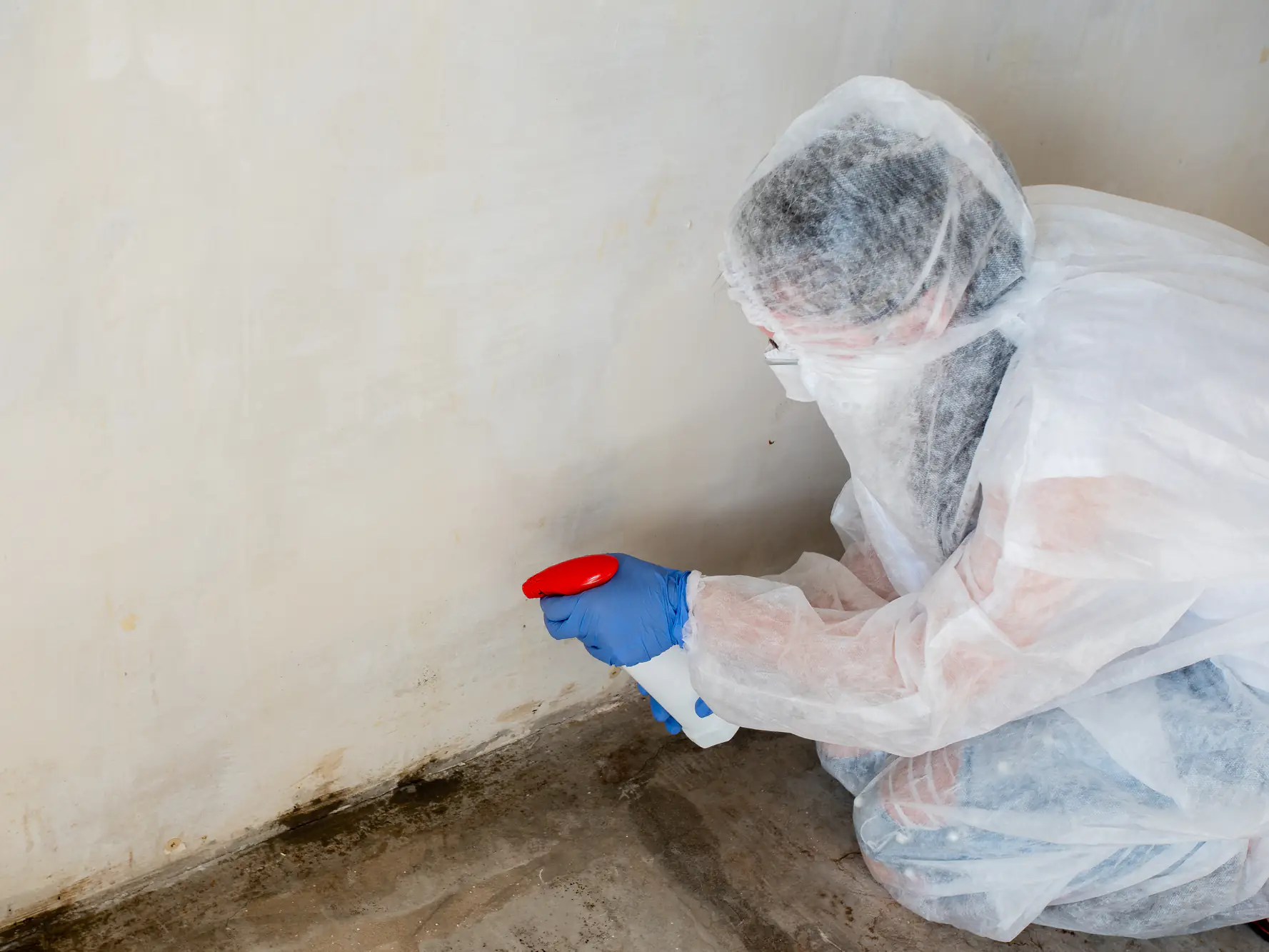
You’re not just dealing with a stain on the wall. Mold affects your air quality, your family’s health, and your home’s value. Every day it sits there, it spreads.
The good news? Professional mold removal fixes the problem at the source. That means no more musty smell in the basement. No more worrying about what’s growing behind the drywall. No more explaining mold issues to potential buyers if you’re selling.
When mold is removed correctly, you get your peace of mind back. The air feels cleaner. Your home feels safer. And you’re not wondering if it’s going to show up again next season.
That’s what happens when mold remediation specialists handle it right the first time. You move on with your life, and the mold doesn’t.
We’ve been helping homeowners in Traymore and across Bucks County deal with mold the right way. We’re local, we’re certified, and we understand how quickly mold can take over in this climate.
Humid summers and damp basements are part of life here. So is older housing stock that wasn’t built with today’s moisture barriers. We’ve seen it all, from crawl space mold to attic condensation to post-flood cleanup.
Our team uses EPA-approved methods, moisture detection technology, and a process that actually works. We don’t just spray and pray. We find out why the mold showed up, remove it completely, and help you prevent it from coming back.
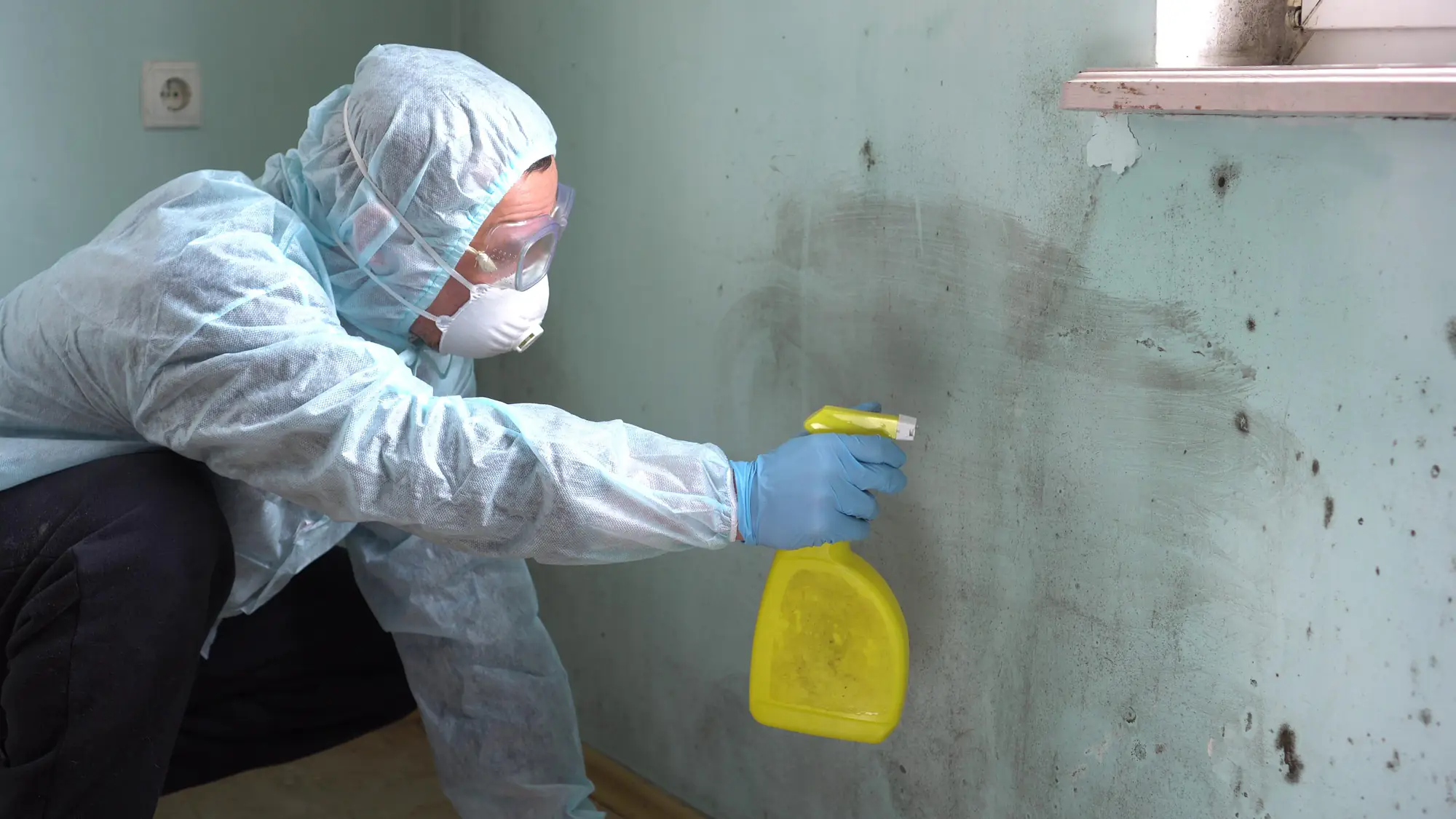
First, we inspect your property with moisture meters and thermal imaging cameras. Mold doesn’t always grow where you can see it. We check behind walls, under floors, and in crawl spaces to find the full extent of the problem.
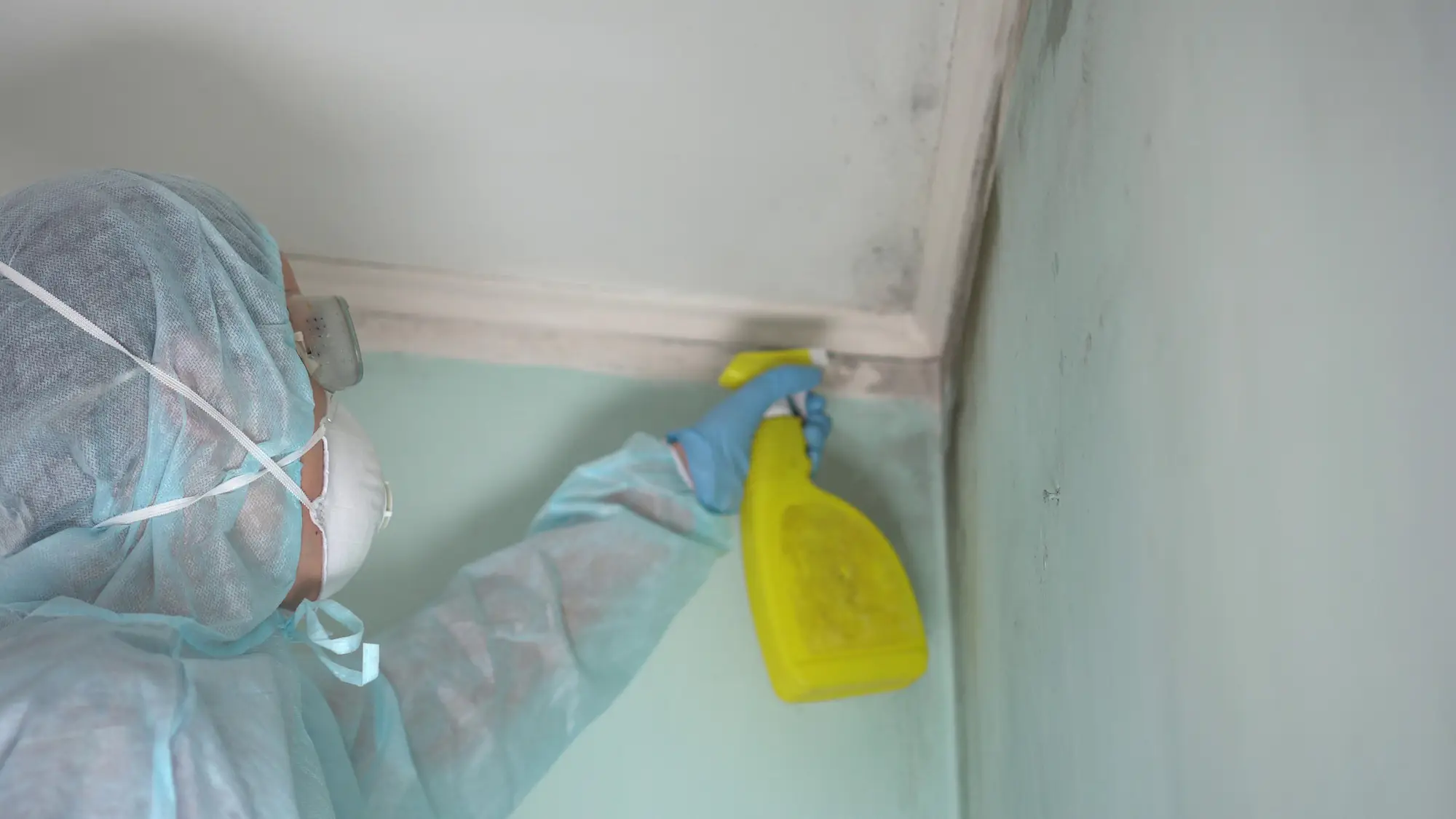
Once we know what we’re dealing with, we contain the area to prevent spores from spreading during removal. Then we remove the mold using HEPA filtration and EPA-approved cleaning agents. If materials like drywall or insulation are too damaged, we remove and dispose of them properly.
Next, we address the moisture source. Maybe it’s a leaky pipe, poor ventilation, or groundwater seeping through the foundation. If we don’t fix that, the mold will come back.
Finally, we test the air quality to confirm the mold is gone. You get documentation of everything we did, which is helpful if you’re dealing with insurance or selling your home later. The whole process is thorough because shortcuts don’t work with mold.
Ready to get started?
When you hire mold removal experts, you’re getting a complete solution. That includes the initial inspection, lab testing if needed, containment setup, removal of contaminated materials, HEPA air filtration, antimicrobial treatment, and final clearance testing.
In Traymore and Bucks County, we also look at the bigger picture. Older homes here often have basement moisture issues, poor attic ventilation, or outdated plumbing that creates ongoing problems. We’ll point those out so you can make informed decisions about prevention.
You also get documentation. Before and after photos, moisture readings, air quality test results, and a detailed report of what we found and what we did. This matters if you’re filing an insurance claim or if a buyer’s inspector asks questions down the road.
And if you need help navigating an insurance claim, we can assist with that too. Most homeowners don’t realize that mold coverage depends on the cause. We’ve worked with enough claims to know what documentation insurers want to see.

Most mold remediation projects in Bucks County run between $1,500 and $6,000, depending on the size of the affected area and how much material needs to be removed. The industry standard is about $10 to $25 per square foot.
A small bathroom mold issue might cost $1,500 to $3,000. A full basement remediation could run $4,000 to $8,000 or more if there’s structural damage. The price depends on how far the mold has spread, what caused it, and whether we’re dealing with porous materials like drywall that need to be removed.
We offer free inspections so you know exactly what you’re dealing with before any work starts. No surprises, no pressure. Just a clear assessment and an honest quote.
Most residential mold removal projects take between two and five days. Smaller jobs, like a single bathroom or closet, might be done in one or two days. Larger projects involving multiple rooms or extensive water damage can take a week or more.
The timeline depends on the size of the area, how much material needs to be removed, and how long it takes to dry everything out. Drying is critical. If we don’t get moisture levels below 60%, the mold will just come back.
We’ll give you a realistic timeline during the inspection. We don’t rush the process because doing it right matters more than doing it fast. That said, we know you want your home back to normal, so we work efficiently without cutting corners.
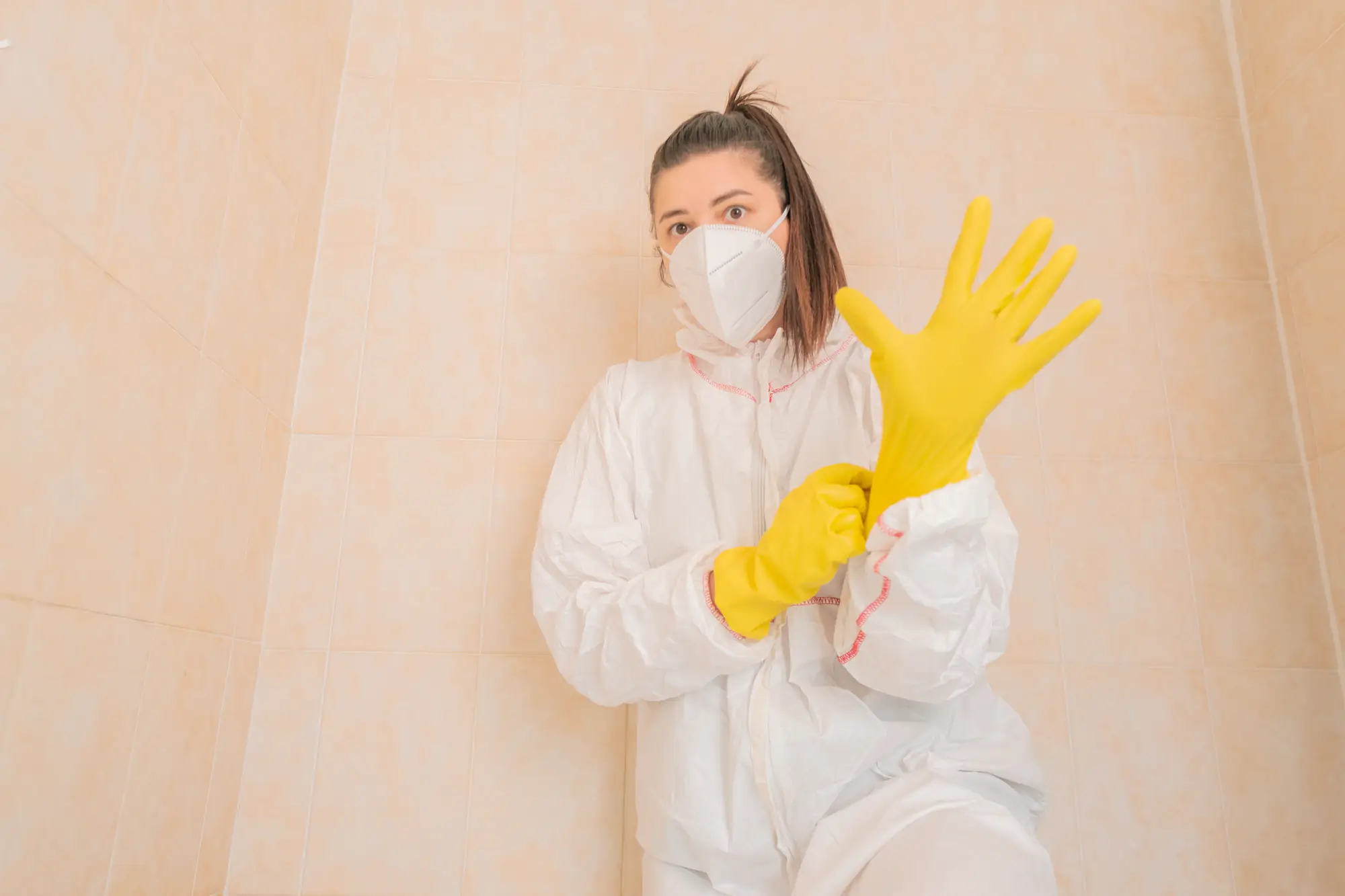
If the affected area is smaller than 10 square feet and it’s not in your HVAC system, you can probably handle it yourself with proper safety gear and EPA-approved cleaners. Anything larger than that, you should call professional mold remediation specialists.
Black mold, or Stachybotrys, releases spores when disturbed. Without proper containment and filtration, you’re spreading those spores throughout your home. You’re also putting yourself at risk if you’re not wearing respiratory protection.
The bigger issue is finding the source. Most homeowners treat the visible mold but miss the moisture problem causing it. Then it comes back in a few months. We use moisture meters and thermal imaging to find hidden water intrusion that you can’t see. That’s the difference between a temporary fix and actually solving the problem.
It depends on what caused the mold. If it’s from a sudden, covered event like a burst pipe or storm damage, most policies will cover remediation. If it’s from long-term neglect, poor maintenance, or flooding, probably not.
Insurance companies want to see that you acted quickly after water damage. Mold can start growing within 24 to 48 hours, so timing matters. If you waited weeks to address a leak, they might deny the claim.
We help homeowners document everything properly. Photos, moisture readings, timelines, and detailed reports of what we found. This documentation strengthens your claim and shows the insurer that you took appropriate action. We’ve worked with enough insurance adjusters to know what they’re looking for.
Moisture. That’s it. Mold needs water, organic material to feed on, and temperatures between 60 and 80 degrees. Traymore homes have all three, especially during humid Bucks County summers.
Common causes include basement water seepage, leaky roofs, condensation in poorly ventilated attics, plumbing leaks, and high indoor humidity. Older homes here weren’t built with modern moisture barriers, so groundwater intrusion is common. Add in aging plumbing and you’ve got a recipe for mold growth.
The fix isn’t just removing the mold. It’s controlling moisture. That might mean better ventilation, fixing drainage around your foundation, repairing leaks, or running a dehumidifier in the basement. We identify the source during our inspection so you know exactly what needs to happen to keep mold from coming back.
You’ll usually smell it before you see it. That musty, earthy odor is a dead giveaway. Visible signs include discoloration on walls or ceilings, peeling paint, warped drywall, or fuzzy growth in corners and along baseboards.
Health symptoms are another clue. If you’re experiencing more allergies, respiratory issues, headaches, or eye irritation at home than when you’re away, mold could be the culprit. Some people are more sensitive than others, but prolonged exposure affects everyone eventually.
Sometimes mold grows in hidden areas like behind walls, under flooring, or in crawl spaces. If you’ve had water damage, a leak, or flooding in the past year, there’s a good chance mold is growing somewhere. A professional inspection with moisture detection equipment will find it even if you can’t see it.
Other Services we provide in Traymore