
Hear from Our Customers

Most homeowners in Traymore have replaced their furnace, maybe their water heater, probably their roof. But the ductwork the one system that connects every single room in the house often hasn’t been touched since the home was built. You can’t see inside it. You can’t smell what’s growing in the sections behind your walls. And when your HVAC kicks on, whatever is in those ducts moves through your entire home in minutes.
Bucks County gets around 49 inches of rain per year, well above the national average. Northampton Township sits within the Neshaminy Creek watershed, and after heavy rain seasons, moisture works its way through foundations and into the lower levels of these 1960s homes right where most return air intakes are located. That moisture gets pulled into the duct system, meets cool metal surfaces, and creates exactly the conditions mold needs to grow. It’s not a random problem. It’s a predictable one, given where Traymore sits and how old these homes are.
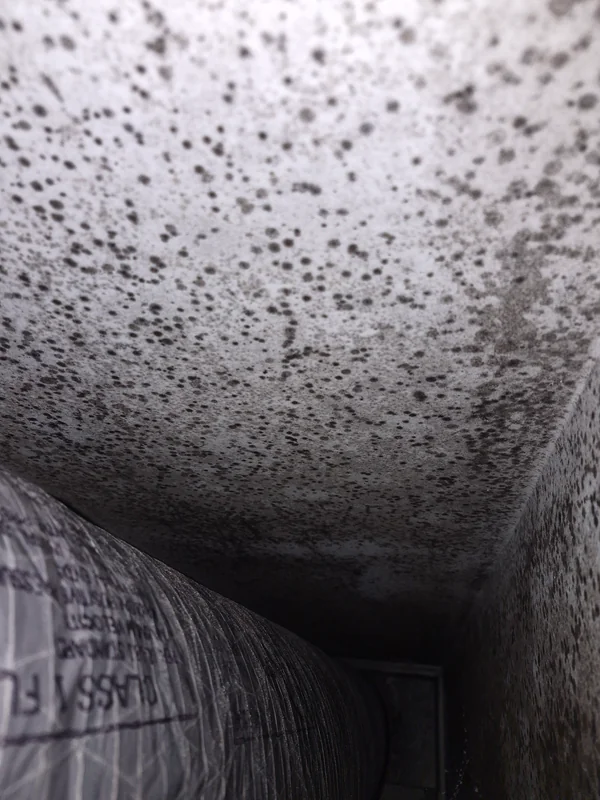
After a professional air duct cleaning from Mack’s Mold Removal, that cycle stops. The contamination is gone not masked, not temporarily suppressed, but removed and verified. You get documentation. You get lab results if mold is involved. And the air moving through your home stops carrying whatever has been accumulating in those ducts for the past several decades.
We’re based in Bensalem about 15 to 20 minutes from Traymore via Route 332. We’re not a regional franchise dispatching from somewhere else. We’re a Bucks County company that has spent over 15 years working in homes like yours throughout Northampton Township and the surrounding area, understanding the specific moisture patterns that affect Traymore and neighborhoods like it, and building a reputation one job at a time.
The difference between Mack’s Mold Removal and a general duct cleaner matters when mold is involved. A standard duct cleaning technician can vacuum debris. We’re certified mold remediation specialists who know how to contain it, identify the source, and verify it’s actually gone after the work is done. We bring that level of training to every air duct cleaning job which is especially relevant in Traymore Manor, where aging ductwork and persistent regional humidity create real biological risk, not just routine dust buildup.
Our customers have specifically called out the post-cleaning verification step the fact that we test to confirm the mold is gone, not just that the cleaning happened. That’s the kind of accountability that matters when you can’t see the work yourself.
It starts with a free inspection. Before any work begins, we evaluate the current state of your ductwork what’s in there, where the contamination is, and what the right approach looks like for your specific home. For a house built in 1965 with original ductwork, that inspection often surfaces things you had no idea were there. You get upfront pricing before anything moves forward. No surprises.
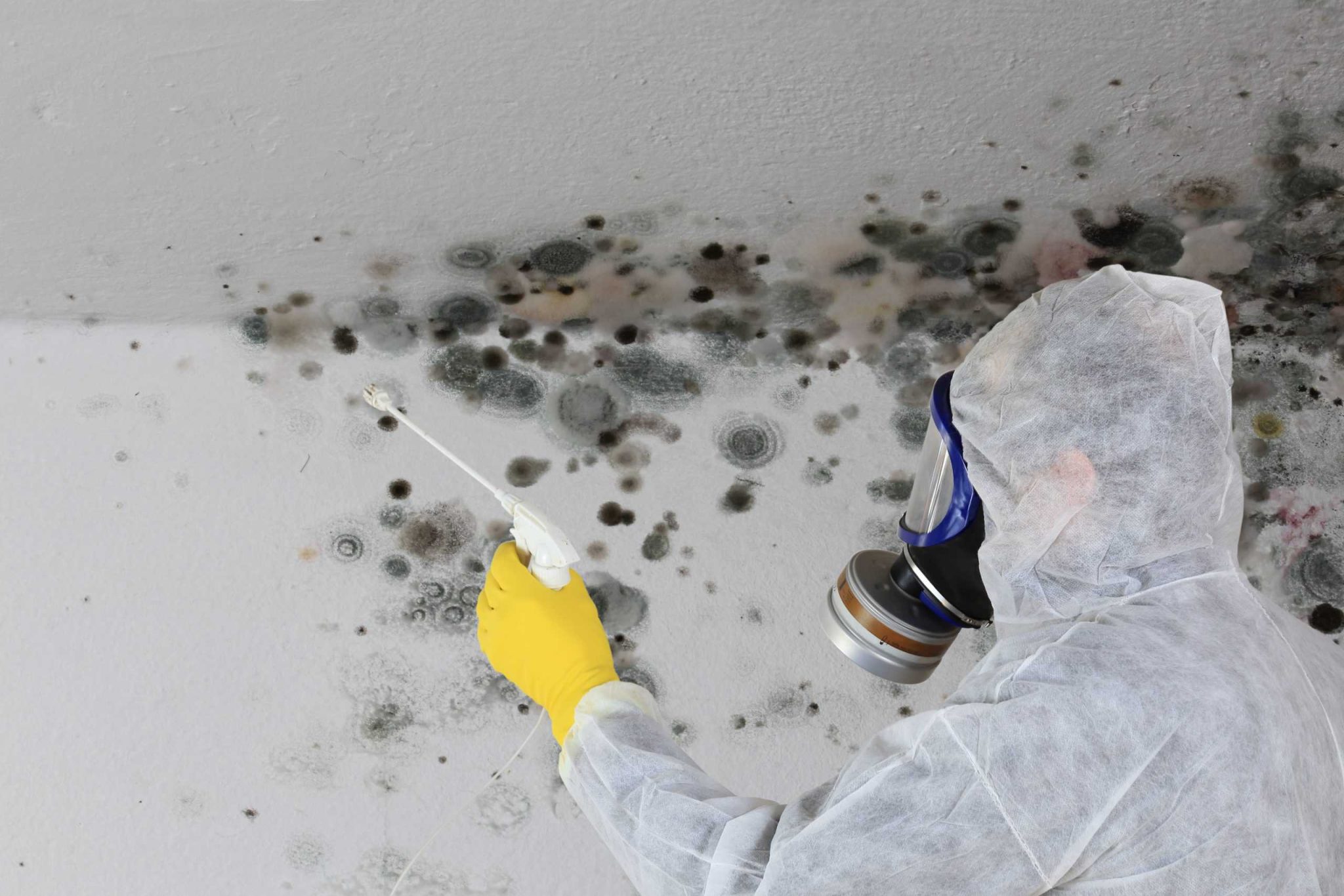
The cleaning itself uses professional-grade equipment negative air pressure systems and HEPA vacuums that pull contamination out of the duct system rather than just disturbing it. This matters especially when mold is present. Disturbing mold without proper containment spreads spores. We use containment protocols drawn from certified mold remediation practice, not standard HVAC cleaning procedure. For homes in Traymore, where the fall-to-winter HVAC switchover often brings the first sign of a mold problem that musty smell when the heat kicks on for the first time getting the process right is what separates a fix from a temporary cover-up.
If mold is confirmed in the ductwork, air duct sanitizing follows the mechanical cleaning. That step applies antimicrobial treatment to the interior surfaces of the duct system, addressing biological contamination that a vacuum alone can’t eliminate. After everything is done, affected areas are tested to confirm the results. You don’t have to take anyone’s word for it.

Ready to get started?
Air duct cleaning from Mack’s Mold Removal & Inspections covers the full system supply ducts, return ducts, and the components in between. Both sides of the system matter. Cleaning only the supply side and leaving the return ducts untouched is a shortcut that leaves half the contamination in place, and it’s a common one in this industry. We don’t work that way.
For Traymore homeowners dealing with confirmed or suspected mold, our service extends beyond mechanical cleaning into air duct sanitizing antimicrobial treatment applied after the physical debris is removed. In a climate where indoor humidity in Bucks County can reach 75 to 80 percent during summer months without active humidity control, a cleaned-but-not-sanitized duct system can be recolonized within a single season. The sanitizing step addresses that risk directly.
Dryer vent cleaning is also available and worth taking seriously in homes of this age. The National Fire Protection Association reports roughly 15,970 dryer-related house fires per year, with failure to clean the vent as the leading cause. In a 60-year-old home where the original dryer vent routing may never have been professionally inspected, lint accumulation over decades is a genuine fire hazard not a maintenance preference. We also work directly with insurance companies when a mold discovery turns into a larger claim, and flexible financing is available if the scope of the work is more than you expected going in.
The most common sign is a musty smell that appears when your HVAC system turns on especially the first time you run the heat after a long summer, or the first time the AC kicks in after a wet spring. If the smell fades once the system has been running for a while and then comes back the next time it cycles on, that pattern is a strong indicator that something biological is growing inside the ductwork rather than just on a surface you can clean.
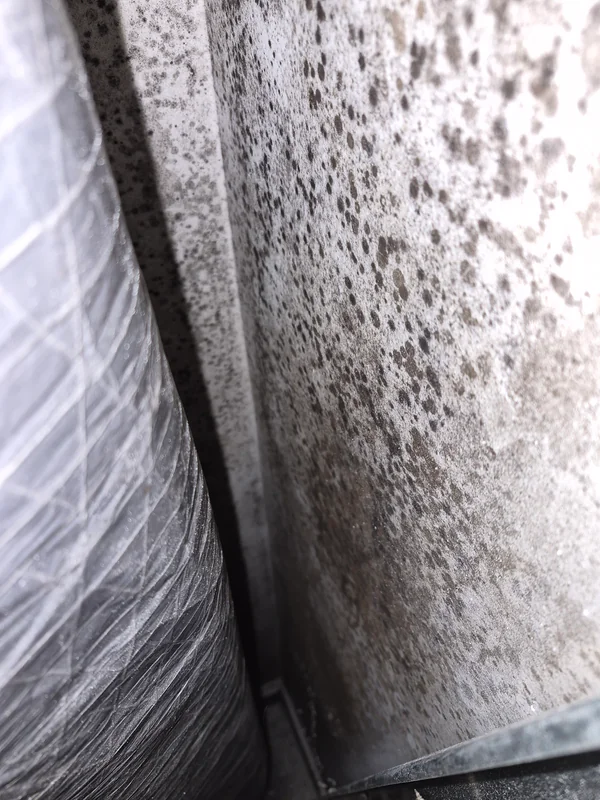
In Traymore Manor specifically, homes built around 1965 have ductwork that has been in place for roughly six decades. The interior of older duct systems particularly fiberglass-lined sections provides the kind of surface where mold can establish itself and go undetected for years. Bucks County’s above-average rainfall and the Neshaminy Creek watershed geography mean moisture infiltration into basements and lower levels is a recurring condition in this area, and return air intakes in those lower levels pull that moisture directly into the duct system. If you’re noticing worsening allergy symptoms, unexplained respiratory irritation, or visible discoloration near any of your registers, a professional inspection is the right next step. We offer free inspections, so there’s no cost to finding out what’s actually in there.
It depends on why you’re considering it. The EPA’s position is nuanced routine cleaning in the absence of a specific problem has unclear benefits. But the EPA explicitly recommends cleaning when mold is confirmed in the duct system, when there’s evidence of pest or rodent infestation, or when debris is substantially clogging the registers. Those aren’t edge cases in older homes. They’re common findings in houses that have been in place for 50 or 60 years without a duct inspection.
For a home in Traymore Manor built around 1965, sitting in a county that gets 49 inches of rain per year the question isn’t really whether duct cleaning is a good idea in general. The question is what’s actually in your specific system. A free inspection answers that. If the ducts are clean, we’ll tell you. If there’s contamination, you’ll know exactly what it is and what it would take to address it. The industry does have a well-documented problem with low-ball offers the “$99 air duct cleaning” that turns into aggressive upselling once a technician is in your home. We work the opposite way: inspection first, upfront pricing before any work begins, and a written quote that doesn’t change.
For most homes in the 2,000 to 2,800 square foot range which covers the majority of single-family homes in Traymore Manor a thorough air duct cleaning takes roughly four to six hours. That’s the industry standard for a job done properly, covering both supply and return ducts with professional-grade equipment. If the inspection reveals mold and the scope expands to include air duct sanitizing or additional containment work, the timeline can extend beyond that.
Homes built in the 1960s sometimes have longer or more complex duct runs than newer construction, particularly if the original layout included multiple HVAC zones or if additions were made to the home over the years. The inspection at the start of the job gives you a realistic timeline before work begins. One thing worth knowing: a job that’s done in under two hours almost certainly isn’t covering the full system. If a quote seems fast and cheap, ask what’s actually being cleaned.
Cleaning and sanitizing are two different steps that address two different problems. Mechanical cleaning using negative air pressure and HEPA vacuums removes the physical debris from inside the duct system: dust, lint, biological matter, and accumulated particulate from years of use. That’s the foundation of any proper duct cleaning job.
Sanitizing goes further. After the physical debris is removed, antimicrobial treatment is applied to the interior surfaces of the ductwork to address biological contamination that mechanical cleaning alone can’t fully eliminate. Mold spores, bacteria, and other biological material can persist on duct surfaces even after a thorough vacuuming. In a climate like Bucks County’s where indoor humidity regularly climbs to 75 or 80 percent during summer without active dehumidification a system that’s been cleaned but not sanitized can be recolonized relatively quickly. For homeowners in Traymore dealing with confirmed mold in their ducts, both steps are necessary. Cleaning removes what’s there; sanitizing addresses what could come back. If the inspection reveals only dust and debris without biological contamination, mechanical cleaning alone may be sufficient and we’ll give you an honest read on that during the free inspection.
Yes, and this is one of the more important things to understand about mold in ductwork. When mold colonizes a section of your duct system, every time your HVAC runs, it distributes spores through every room the ductwork reaches which in a typical Traymore Manor home is the entire house. You might have a contained mold problem in one section of the basement ductwork, but the air moving through that section is being delivered to your bedrooms, your living areas, and everywhere else your system serves.
This is why a general duct cleaner disturbing mold without proper containment protocols can actually make things worse. Mack’s Mold Removal & Inspections approaches air duct mold removal with the same containment methodology used in full mold remediation jobs because the risk of spreading spores during the cleaning process is real. The ductwork in a 1965 home runs throughout the entire structure, and treating it as a simple cleaning job when mold is involved understates the scope of the problem. If you’ve already had mold remediated somewhere else in your home a basement wall, a crawl space, a bathroom and didn’t have the ducts inspected at the same time, that’s worth addressing. Mold in the duct system can recontaminate a space that was otherwise properly remediated.
Honestly, yes. Dryer vent systems in homes built in the 1960s present a different set of concerns than those in newer construction. Original vent routing from that era was often longer, more convoluted, and sometimes routed through interior wall cavities in ways that don’t match current best practices. Over 60 years, lint accumulates in those longer runs, and in sections that are difficult to access, it can build up to the point where airflow is significantly restricted which is both a fire risk and a dryer performance issue.
The National Fire Protection Association tracks roughly 15,970 dryer-related house fires per year in the U.S., and the leading cause is failure to clean the dryer vent. In a neighborhood like Traymore Manor where many homes have had multiple owners over six decades, there’s a reasonable chance the dryer vent has never been professionally serviced regardless of how well the current owner maintains everything else. A professional dryer vent cleaning clears the accumulated lint, checks the vent routing for any restrictions or damage, and confirms the system is exhausting properly. It’s a straightforward job that removes a genuine risk from a home that’s otherwise well cared for.
Other Services we provide in Traymore