
Hear from Our Customers
You stop worrying every time someone in your house coughs. The air smells clean again, not musty or damp. Your basement or bathroom doesn’t feel like a health risk anymore.
That’s what proper mold remediation gets you. Not just removal, but peace of mind that the problem won’t come back next summer when Pennsylvania humidity kicks in again.
When mold is handled correctly, you’re protecting your family’s health and your property value at the same time. No more wondering if there’s something growing behind the walls. No more avoiding certain rooms because they smell off. Just a home that feels safe again.
The difference between a mold removal specialist and a general cleaner is simple: one treats the symptom, the other solves the problem. You want the latter.
We’ve been handling mold problems across Bucks County for years. We’re not a national franchise following a script—we’re local mold and mildew experts who understand how Pennsylvania’s humid summers create the perfect conditions for mold growth in Maple Point homes.
Our team uses EPA-approved methods, advanced detection equipment, and a process that goes beyond what you can see. We’re certified, insured, and focused on doing the job right the first time.
You’re not getting a sales pitch when you call us. You’re getting a free inspection, upfront pricing, and a clear explanation of what’s happening in your home and how to fix it.
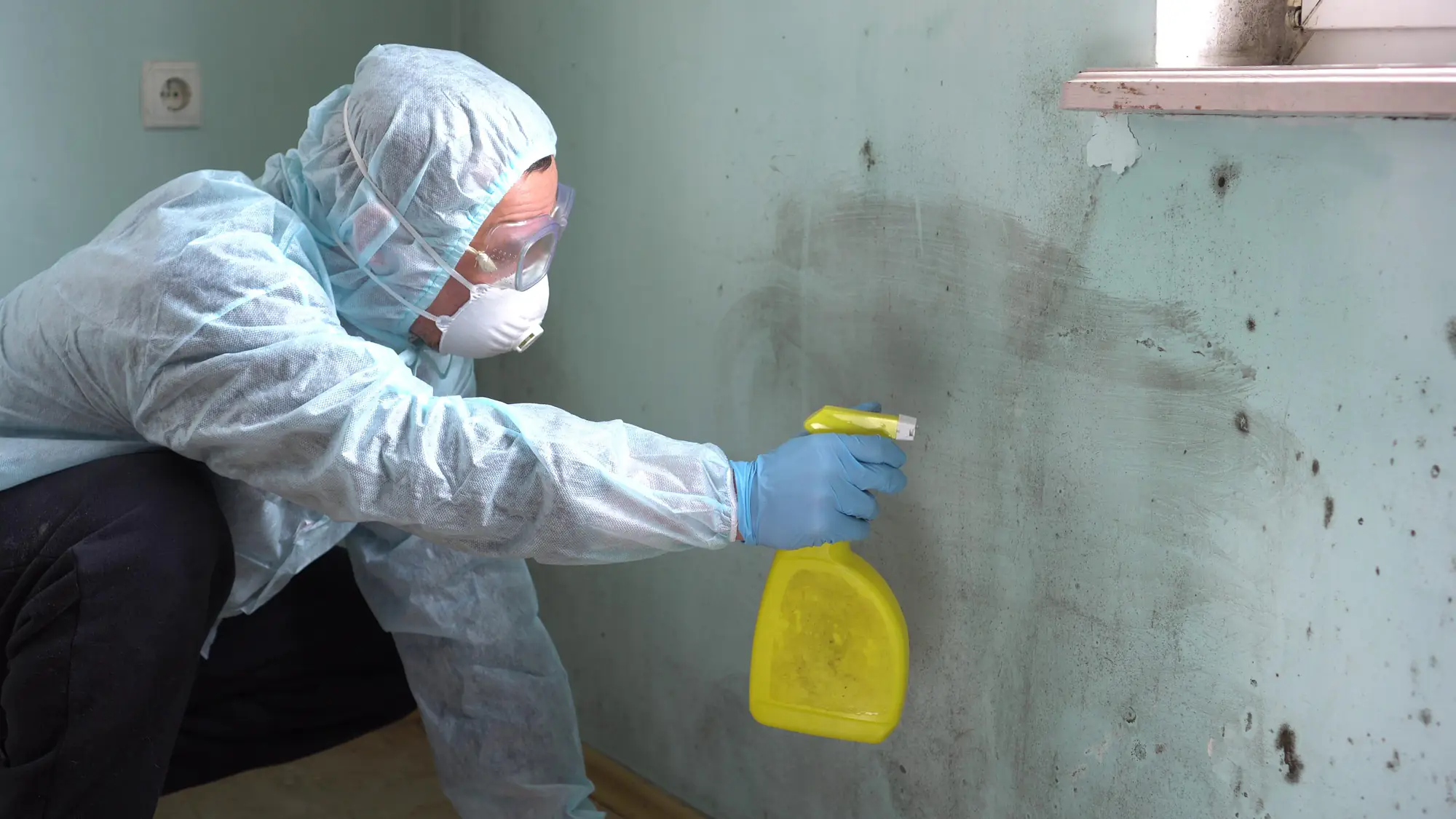
First, we come out and do a thorough inspection—no charge. We’re looking at the obvious spots and the hidden ones: behind walls, in crawl spaces, around HVAC systems. We use moisture meters and thermal imaging to find where water is getting in, because that’s where mold starts.
Once we know what we’re dealing with, we give you a detailed estimate. No surprises, no upselling. Just a clear breakdown of what needs to happen and what it costs.
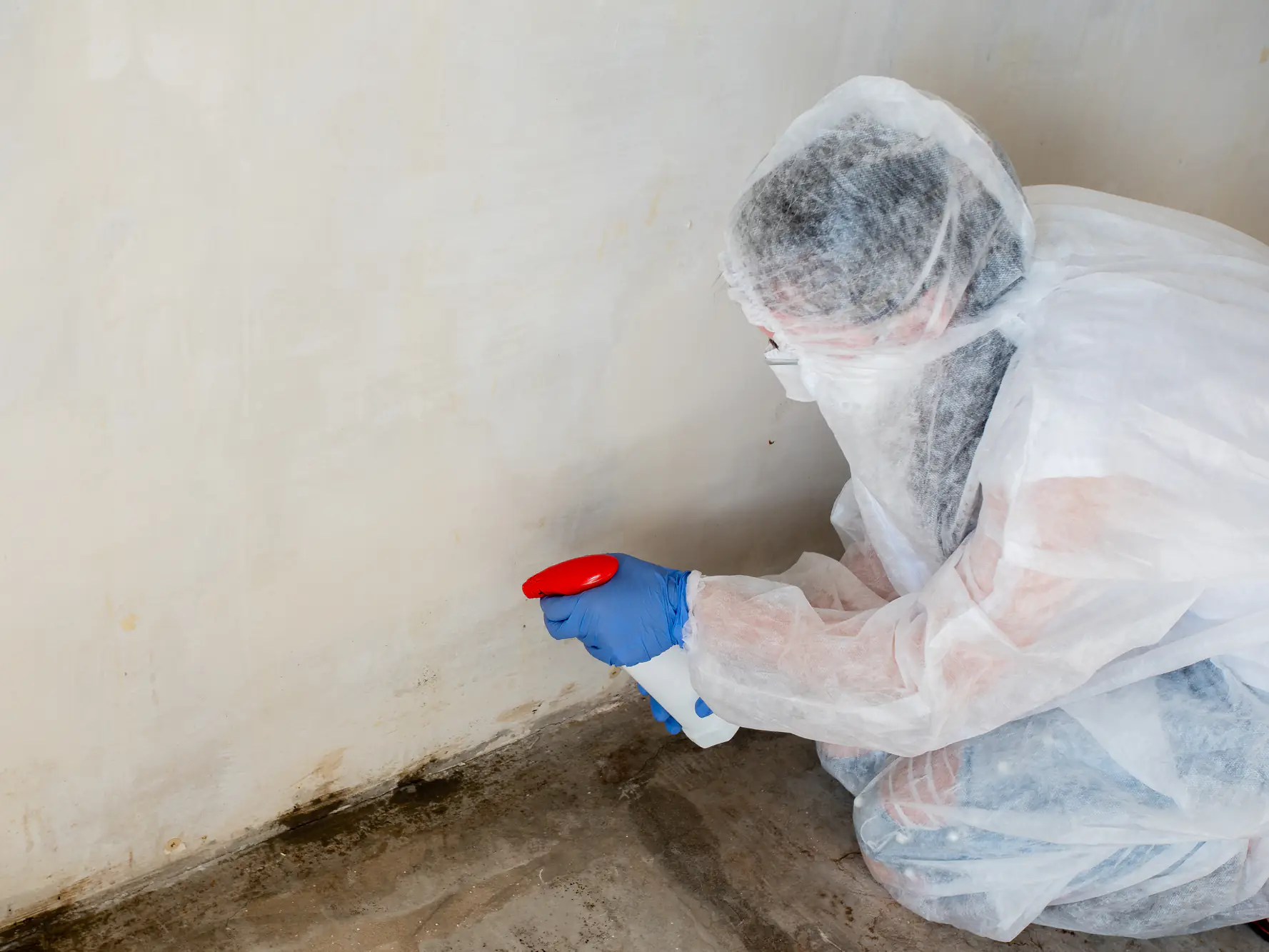
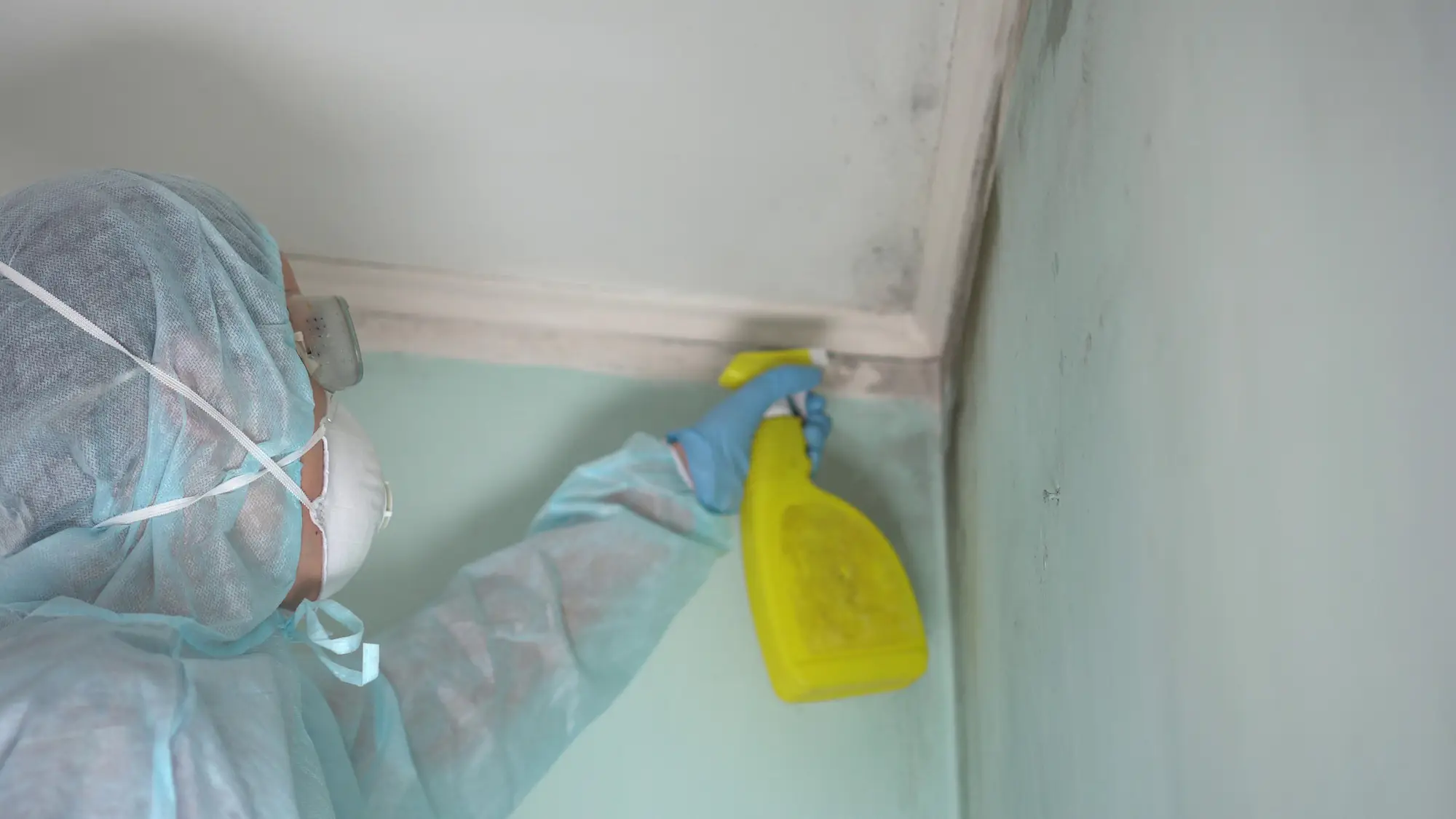
Then we contain the area to prevent mold spores from spreading during removal. We remove all contaminated materials safely, treat affected surfaces with antimicrobial solutions, and address the moisture source—whether that’s a leak, poor ventilation, or humidity issues.
After removal, we verify the air quality and make sure the space is completely clear. You get documentation of everything we did, which matters if you’re selling your home or dealing with insurance. The whole process is designed to be fast, thorough, and transparent.
Ready to get started?
Every mold remediation job includes a complete inspection of your property, not just the area where you spotted growth. In Maple Point and throughout Bucks County, we see mold pop up in basements, attics, bathrooms, and around windows—especially in older homes where ventilation wasn’t built to handle Pennsylvania’s summer humidity.
We’re looking for the moisture source first. Could be a roof leak, condensation from your AC, poor grading around your foundation, or just inadequate airflow in a damp space. If we don’t fix that, the mold comes back no matter how well we clean.
You also get containment and air filtration during the removal process, so mold spores don’t spread to clean areas of your home. We remove and dispose of contaminated materials according to EPA standards, treat all affected surfaces, and verify air quality before we’re done.
And if you’re dealing with insurance, we’ll work with your provider and document everything properly. We also offer flexible payment options because we know mold remediation isn’t usually a planned expense. The goal is to make this as straightforward as possible while actually solving the problem.

Mold can start forming within 24 to 48 hours after water exposure. That’s not a lot of time, especially in Pennsylvania’s humid climate where conditions are already favorable for growth.
If you’ve had a leak, flood, or even just persistent condensation, the clock is ticking. The longer moisture sits, the more likely you are to have a mold problem that goes beyond surface cleaning.
This is why immediate action matters. Even if you don’t see visible mold yet, it could be starting behind walls or under flooring. A professional inspection catches it early, which saves you money and hassle down the road.
Yes, and significantly. Mold issues can reduce home values by 20% or more when discovered during a sale. Worse, if you’re selling in Bucks County and you know there’s mold, you’re legally required to disclose it.
Buyers will either walk away or demand a major price reduction to cover remediation costs—and they’ll probably add extra on top for the hassle and uncertainty. It’s one of the most common deal-breakers in local real estate.
The smarter move is to handle it before listing. You’ll have documentation showing the problem was professionally resolved, which is far better than trying to negotiate during inspection. Most buyers can accept that a home had mold if they can see it was properly remediated by certified professionals.
Common symptoms include persistent sinus infections, watery eyes, skin rashes, headaches, difficulty breathing, and fatigue that doesn’t have another clear cause. Kids, elderly family members, and anyone with respiratory issues or weakened immune systems are especially vulnerable.
Here’s the thing: not everyone reacts to mold the same way. One person might feel fine while another in the same house is constantly sick. If symptoms improve when you leave the house and return when you’re home, that’s a red flag.
The risk of asthma doubles in homes with mold, according to health studies. If you’re seeing symptoms and you’ve noticed musty smells, visible growth, or past water damage, it’s worth getting a professional mold inspection. You need to know what you’re dealing with, not just guess.
Mold removal usually means cleaning visible mold off surfaces. Mold remediation means finding the source, removing contaminated materials, treating affected areas, and fixing the moisture problem so it doesn’t come back.
You can remove mold yourself with bleach and a scrub brush, but if you don’t address why it’s growing there, you’re just buying time until it returns. Remediation is the complete solution.
Professional mold remediation also includes containment so spores don’t spread during removal, proper disposal of contaminated materials, air quality testing, and documentation. It’s the difference between a temporary fix and actually solving the problem. For black mold or extensive growth, remediation isn’t optional—it’s the only safe approach.
It depends on the size of the affected area, the type of mold, and what’s causing it. Small jobs might run a few hundred dollars. Larger projects involving multiple rooms, structural materials, or serious moisture issues can cost several thousand.
We know that’s not what you want to hear, but here’s why it varies: if mold is just on a bathroom wall from shower steam, that’s straightforward. If it’s throughout your basement because of foundation leaks, that’s a bigger job requiring more labor, materials, and possibly repairs to stop water intrusion.
We provide free inspections and upfront pricing so you know exactly what you’re looking at before any work starts. We also offer financing options and work with insurance companies when coverage applies. The cost of not fixing it—health problems, property damage, lost home value—is usually much higher than the cost of doing it right the first time.
Painting over mold doesn’t kill it or stop it from growing. It just hides it temporarily. The mold will continue growing underneath the paint, and eventually it’ll break through or spread to other areas.
Mold needs moisture to grow, so if the moisture source is still there, paint won’t help. You’re also trapping mold spores and potentially making air quality worse because the problem is still active—you just can’t see it anymore.
The right approach is to remove the mold, treat the surface with antimicrobial solutions, fix whatever moisture issue caused it, and then paint with mold-resistant primer and paint. Anything less is a temporary cover-up that’ll cost you more later when the problem gets worse. If you’re seeing mold, you need a mold removal specialist to assess it properly, not a paint job.
Other Services we provide in Maple Point