

Hear from Our Customers
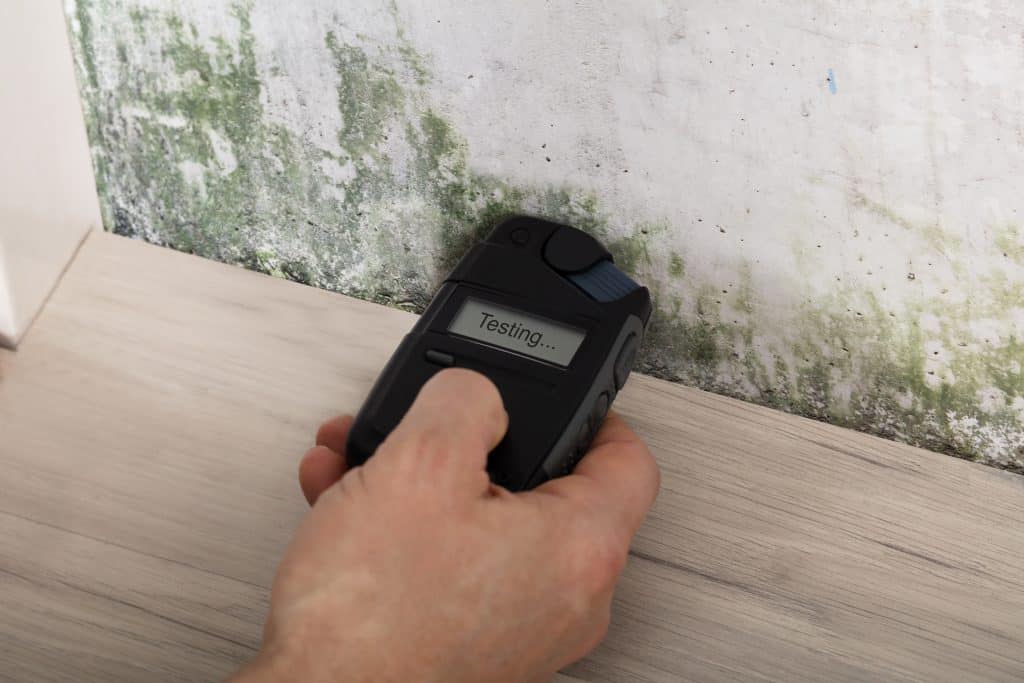
Your basement floods Monday night. By Wednesday morning, mold colonies are already growing behind your drywall. That’s the reality in Bucks County, where humidity regularly tops 70% in summer and Pennsylvania soil stays damp year-round.
When you catch it in those first 24 to 48 hours, you’re looking at a manageable remediation job. Wait a week, and you’re dealing with structural damage, spreading spores, and a much bigger bill.
Professional mold removal means finding every spot where moisture is getting in—not just treating what you can see. It means using thermal imaging to detect hidden water intrusion and moisture meters to confirm the source. It means your kids stop coughing at night because the air quality in your home actually improves.
And it means your property value stays intact. Homes with documented mold problems lose 20% to 37% of their value when they hit the market. Getting ahead of it now saves you tens of thousands later.
We work exclusively in Bucks County because we know this area. We know how basements flood after spring storms. We know how older homes in Maple Point trap humidity in crawl spaces. We know the building styles that create ventilation problems.
Our team uses EPA-approved methods and the same equipment commercial restoration companies use—thermal cameras, industrial dehumidifiers, HEPA filtration systems. We’re certified mold remediation specialists, and we’re available 24/7 when you have an emergency.
We offer free inspections because we want you to know exactly what you’re dealing with before you spend a dollar. And we work directly with your insurance company to handle claims, so you’re not navigating that process alone.

First, we inspect your property at no cost. We’re looking for visible mold, but also using moisture meters and thermal imaging to find hidden problems—water behind walls, condensation in your attic, humidity trapped under flooring.
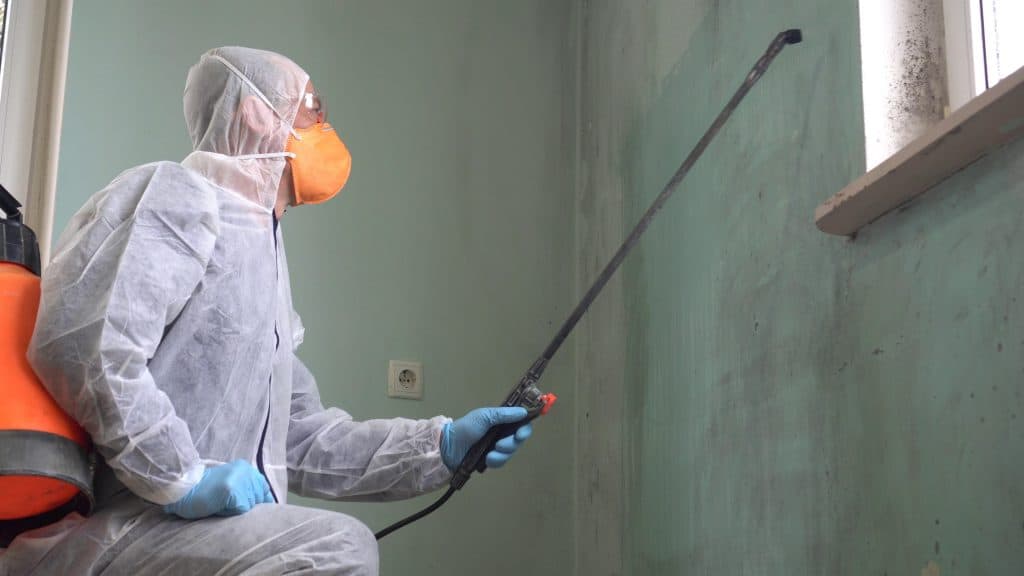
Once we identify the source, we contain the affected area to prevent spores from spreading to clean parts of your home. Then we remove contaminated materials safely, following Pennsylvania regulations for mold remediation.
Next comes the actual cleaning. We use HEPA vacuums and antimicrobial treatments on surfaces that can be saved. Air scrubbers run continuously to filter spores out of your indoor air.
The last step is fixing what caused the mold in the first place. That might mean sealing a foundation crack, improving ventilation, or repairing a roof leak. If we don’t address the moisture source, the mold comes back. We also handle any necessary repairs or remodeling after remediation is complete, so you’re not coordinating multiple contractors.
Ready to get started?
Every mold removal job starts with a full property assessment. You get a written report detailing what we found, where the moisture is coming from, and what needs to happen to fix it. No surprises, no upselling.
The remediation itself includes containment barriers, negative air pressure systems to prevent cross-contamination, removal of affected materials, HEPA filtration, and antimicrobial treatment. We test air quality before and after to confirm the mold is actually gone.
In Maple Point and throughout Bucks County, we see the same problems repeatedly. Basement moisture from poor grading or foundation cracks. Attic mold from inadequate ventilation combined with Pennsylvania’s temperature swings. Bathroom mold from exhaust fans that vent into the attic instead of outside.
We also handle black mold removal, which requires extra precautions due to potential toxicity. Stachybotrys chartarum—the technical name for black mold—thrives in consistently damp environments and produces mycotoxins that cause respiratory problems, especially in children and people with compromised immune systems.
After the mold is gone, we help you prevent it from returning. That might mean installing a dehumidifier, improving drainage around your foundation, or upgrading your ventilation system.
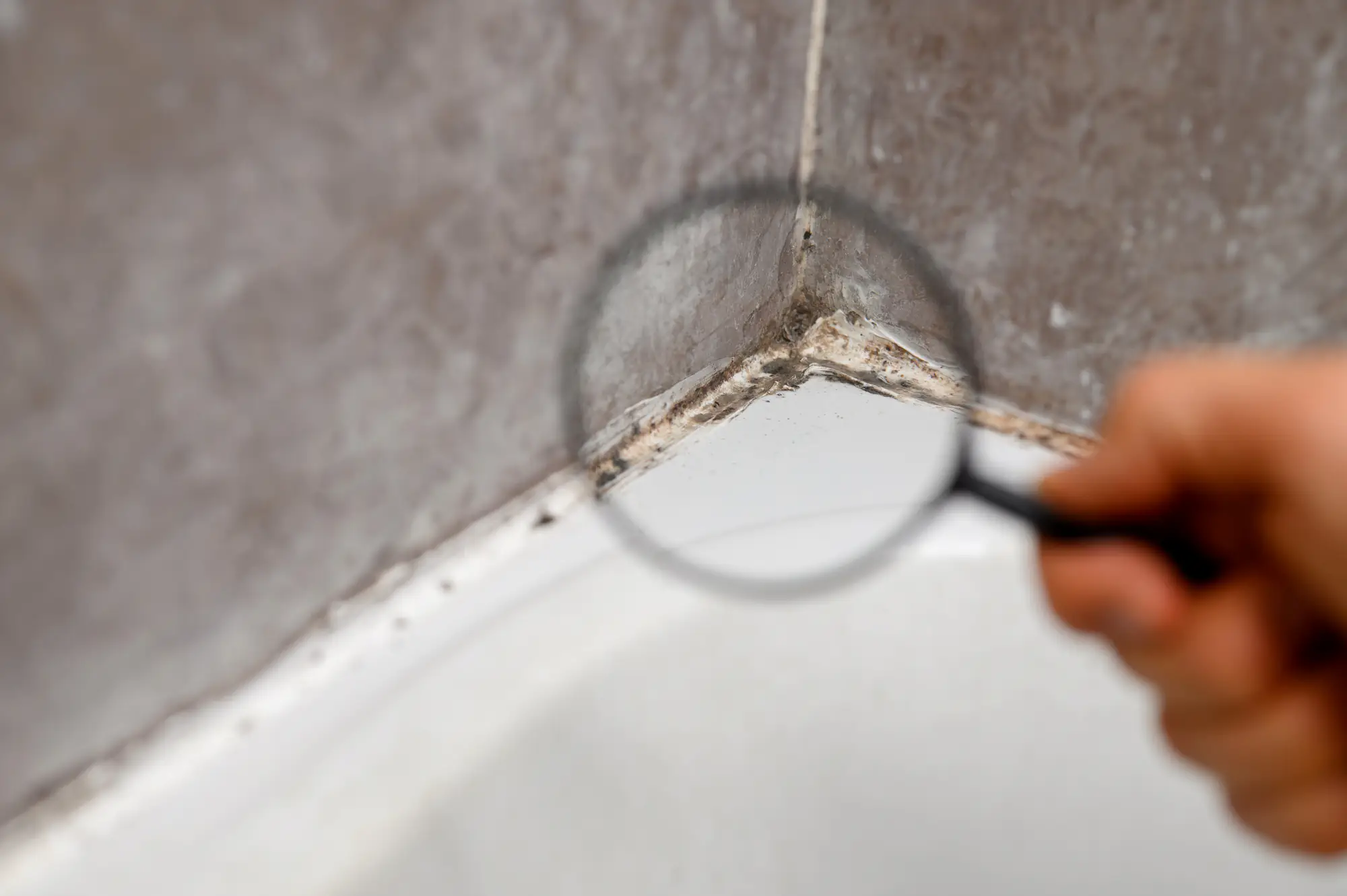
Most residential mold removal jobs in Bucks County run between $1,500 and $6,000, depending on how much area is affected and where the mold is growing. A small bathroom with surface mold on tile grout costs far less than a finished basement with mold behind drywall and inside insulation.
The size of the contaminated area matters most. Remediation companies measure in square footage, and jobs under 100 square feet are considered small. Once you’re dealing with multiple rooms or an entire basement, costs increase because we need more containment, more equipment, and more labor hours.
Your insurance may cover mold removal if it resulted from a covered event like a burst pipe or storm damage. We work with insurance companies regularly and can help you navigate the claims process. We also offer financing options if you’re paying out of pocket, because waiting to fix mold only makes it worse and more expensive.
Small jobs take one to two days. Larger remediation projects can take a week or more, depending on how extensively mold has spread and how long materials need to dry after we remove the source of moisture.
The actual removal process moves quickly once we’ve contained the area. But drying everything out thoroughly takes time. We can’t just pull out wet drywall and call it done—the framing, insulation, and subfloor all need to reach safe moisture levels, or mold will grow back.
We use commercial dehumidifiers and air movers to speed up drying, but Pennsylvania’s humidity works against us, especially in summer. We monitor moisture levels daily with meters and don’t consider the job complete until readings confirm everything is dry. Rushing this step is how homeowners end up with recurring mold problems six months later.
If you’re dealing with a small surface area—less than 10 square feet—and the mold is on a non-porous surface like tile, you can handle it yourself with proper protection and cleaning products. But if mold is growing on drywall, insulation, carpet, or wood, you need professional mold removal.
Here’s why: mold you can see is usually just part of the problem. Spores spread through air and settle in places you can’t access without opening walls or ceilings. DIY cleaning removes surface mold but doesn’t address the colony growing inside your wall cavity or the moisture source feeding it.
Professional mold remediation includes containment to prevent spreading spores throughout your house during removal. It includes HEPA filtration to clean the air. And it includes finding and fixing the water intrusion point so mold doesn’t return. Most importantly, certified mold specialists know how to protect themselves and your family from exposure during the removal process, which matters especially with black mold or large infestations.
Visible mold growth is obvious, but you might have a problem even if you don’t see anything. A persistent musty smell—especially in your basement, bathroom, or attic—usually means mold is growing somewhere. That smell is actually microbial volatile organic compounds (MVOCs) that mold releases as it grows.
Water stains on ceilings or walls indicate moisture intrusion, and where there’s moisture, mold follows within 24 to 48 hours. Peeling paint or wallpaper, warped wood, and condensation on windows all point to humidity problems that create ideal conditions for mold.
Health symptoms matter too. If your family experiences unexplained coughing, wheezing, eye irritation, or worsening asthma symptoms that improve when you leave the house, mold exposure might be the cause. Children are especially vulnerable because their lungs are still developing. If you’ve had any flooding, roof leaks, or plumbing problems in the past year, it’s worth getting a free inspection even if you don’t see mold yet.
Mold comes back if the moisture source isn’t fixed. That’s the difference between mold cleaning services that just treat what’s visible and professional mold removal that addresses the underlying problem.
Spores are everywhere—in outdoor air, on your clothes, floating through your house right now. They’re harmless until they land on a damp surface and start growing. Remove the moisture, and spores can’t establish colonies. Leave a foundation crack leaking groundwater into your basement, and mold will return no matter how thoroughly we clean.
That’s why our process includes identifying and repairing what caused the mold initially. We seal entry points, improve drainage, upgrade ventilation, and install dehumidifiers when needed. We also provide guidance on maintaining proper humidity levels in your home—keeping it below 60% prevents most mold growth. When remediation is done correctly and moisture is controlled, mold doesn’t come back.
Yes, we’re available 24/7 for emergency situations. If you’ve just discovered extensive mold growth, experienced flooding, or have a water leak that’s been running for days, immediate response matters.
The 24 to 48 hour window after water exposure is critical. Mold begins forming fast in Pennsylvania’s humid climate, and once colonies establish themselves, remediation becomes more complex and expensive. Emergency response means we can start containment and drying immediately, before minor water damage turns into major contamination.
We prioritize emergency calls because we know what’s at stake—your family’s health, your property value, and the scope of repairs needed. Our trucks carry containment materials, moisture detection equipment, and industrial drying gear so we can begin work immediately. Even if you call at 2 AM on a Sunday, someone answers and we dispatch a team. For urgent mold situations in Maple Point and throughout Bucks County, don’t wait until Monday morning.
Other Services we provide in Maple Point