
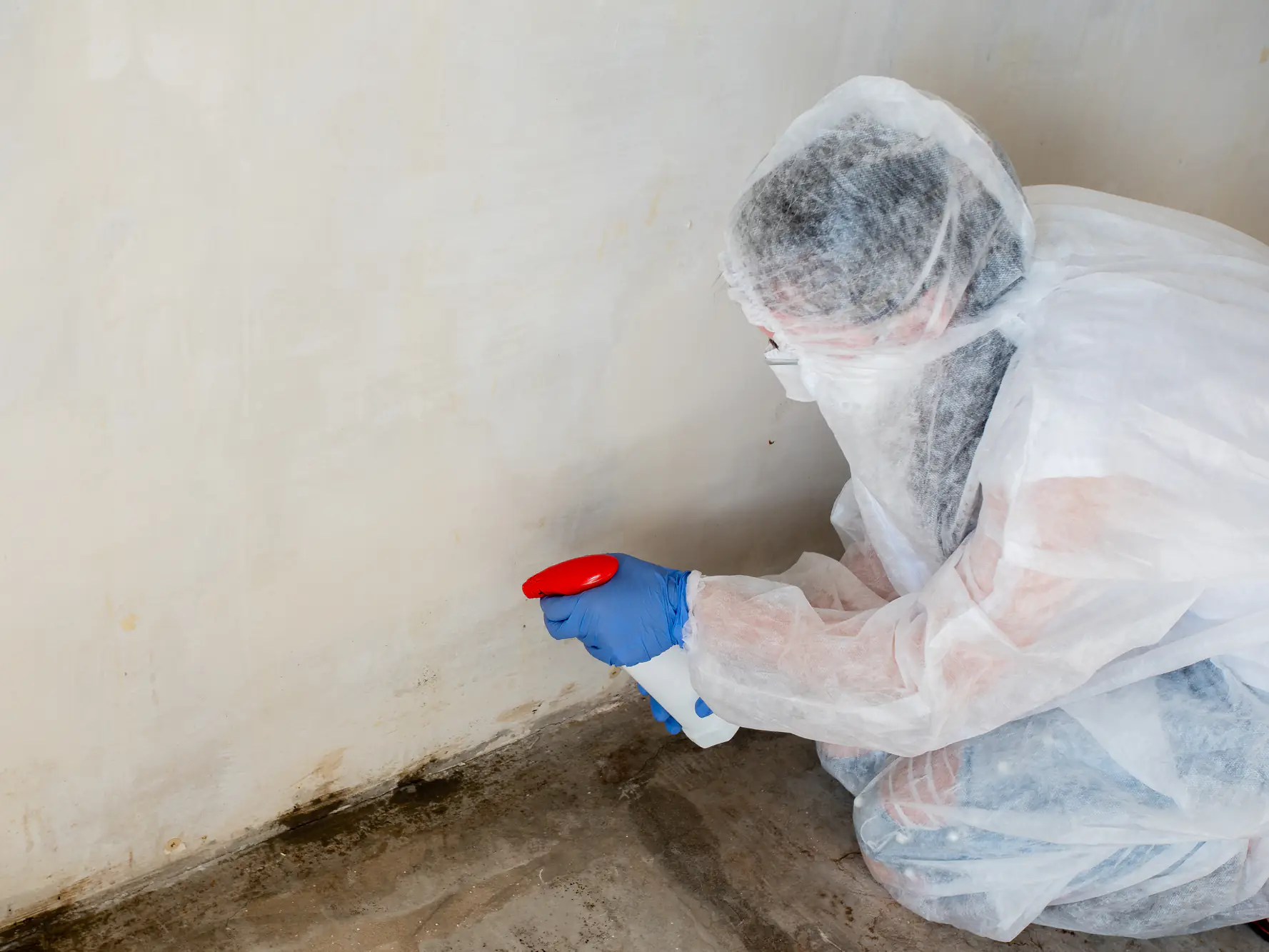
Hear from Our Customers
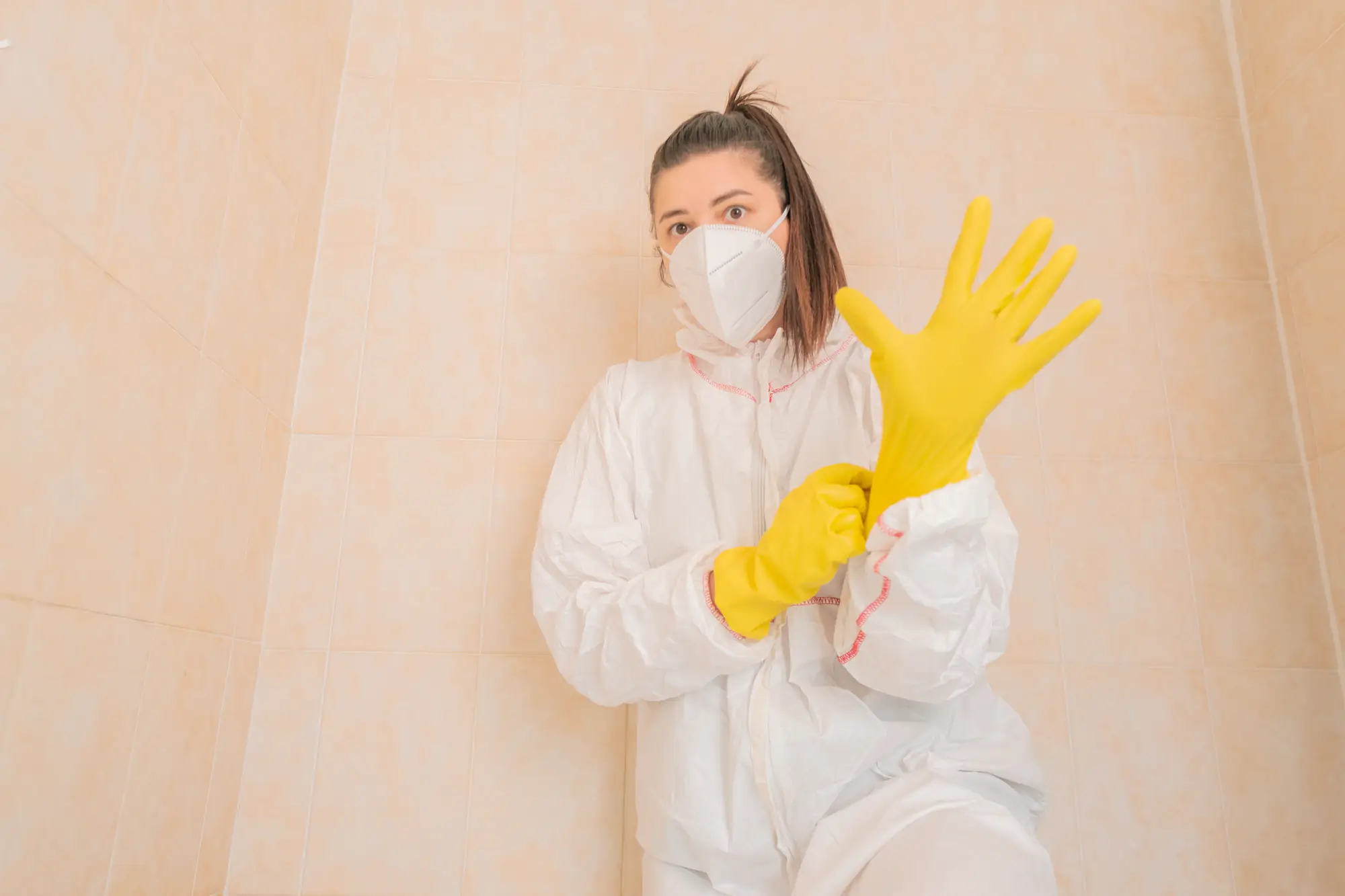
That musty smell disappears. The coughing and wheezing your family experiences at home stops. You’re not wondering what’s growing behind your walls anymore.
Mold removal done right means finding every affected area, eliminating the moisture source feeding it, and removing contaminated materials completely. Not just cleaning visible spots and hoping for the best.
In Castle Valley’s humid climate, mold can start forming within 24 to 48 hours after water exposure. The longer it sits, the more it spreads through your HVAC system, into your attic, across basement walls. What starts as a small patch becomes a whole-house problem that costs exponentially more to fix.
You get your home back to being a safe place. No more respiratory symptoms that mysteriously improve when you leave the house. No more anxiety about what a home inspector might find if you decide to sell. Just clean air and the peace of mind that comes from knowing the job was done completely.
We’ve been serving Castle Valley and Bucks County homeowners through every type of mold situation this area creates. We’ve seen what happens in older homes built before proper vapor barriers became standard. We know how basement moisture patterns shift with the seasons here.
Your home wasn’t built to handle the humidity levels we get during summer months. Many properties in this area lack adequate ventilation or effective drainage systems. That’s not a defect, it’s just how homes were constructed decades ago.
We respond within 24 to 48 hours because that’s the window that matters. We use thermal imaging to find problems you can’t see. We document everything for insurance claims. And we don’t leave until the moisture source is eliminated and contaminated materials are properly removed.
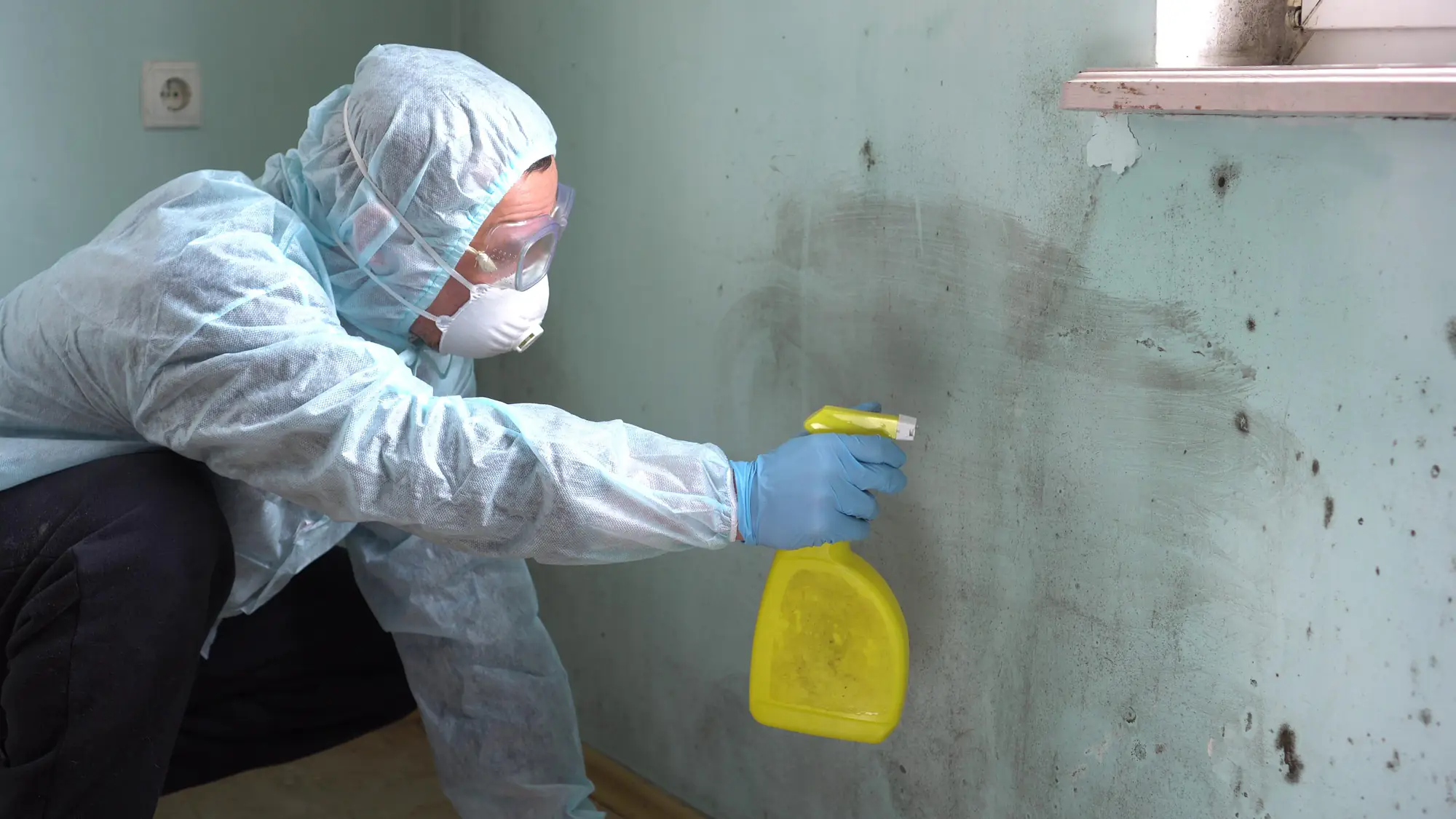
First, we inspect your entire property with moisture meters and thermal imaging. Not just the obvious spots. We’re looking behind walls, under floors, in attic spaces, around HVAC systems. Mold grows where moisture accumulates, and moisture doesn’t always show up where you’d expect.
Once we map the full extent of contamination, we contain the affected areas. Physical barriers and negative air pressure keep spores from spreading to clean parts of your home while we work. HEPA air scrubbers filter the air continuously.
Then comes removal. Porous materials that are contaminated get removed completely, because you can’t clean mold out of drywall or insulation. Hard surfaces get treated with EPA-approved antimicrobial solutions. We’re not just killing surface mold, we’re eliminating the conditions that allowed it to grow.
The critical step most people skip: fixing the moisture source. If water is still entering your basement, if your attic ventilation is inadequate, if your HVAC system is creating condensation, the mold will return. We identify and address the root cause, not just the symptom.
Final cleanup includes HEPA vacuuming all surfaces and a post-remediation inspection to verify the work. You get documentation with before and after photos, moisture readings, and lab results if testing was done.
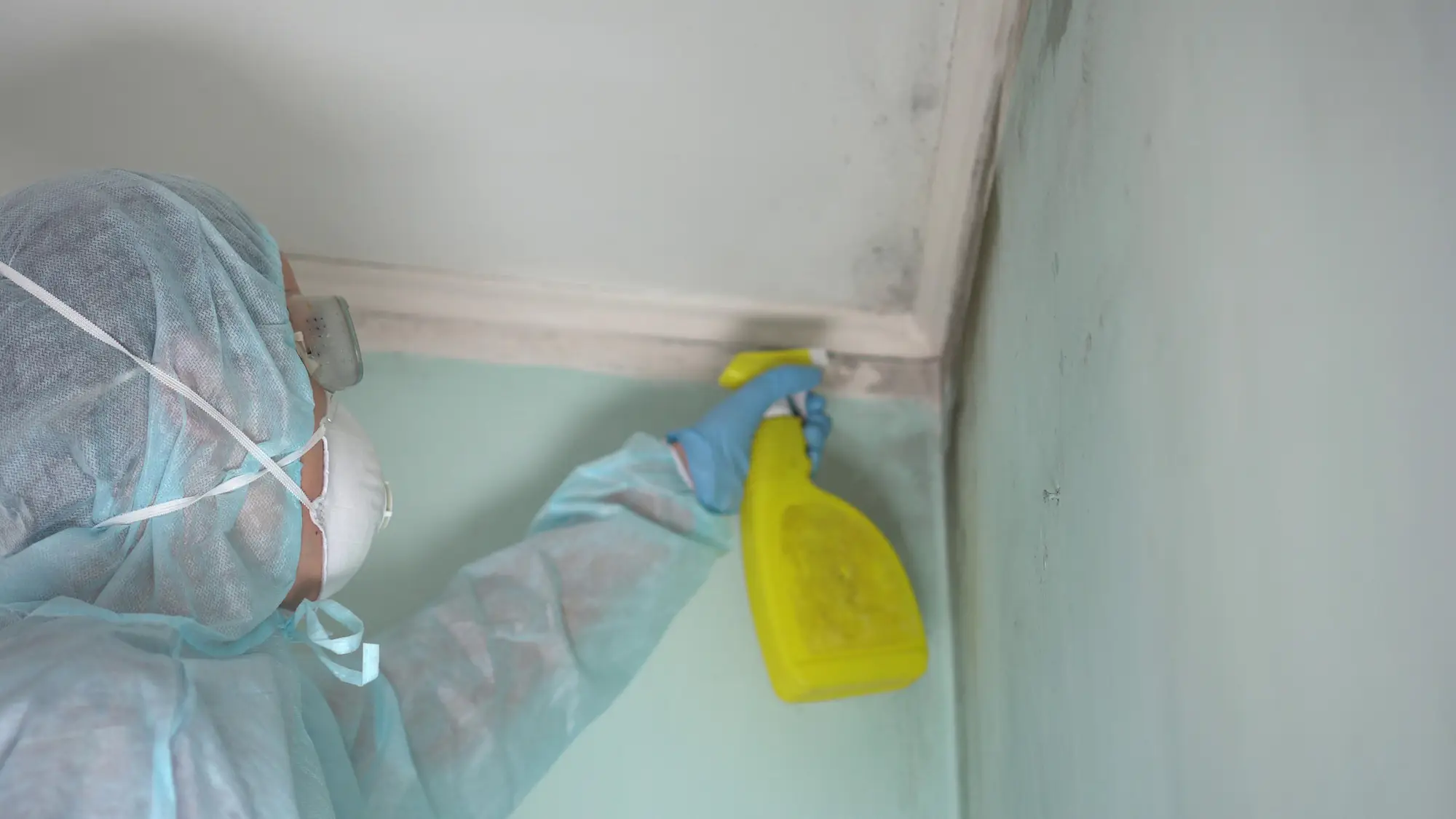
Ready to get started?
You get a free initial inspection to assess the full scope of contamination. That includes moisture mapping, thermal imaging, and identification of the water source feeding the problem.
Professional containment comes standard. We’re protecting your family and your belongings while we work, using industry-standard procedures that prevent cross-contamination. HEPA air scrubbers run continuously to filter airborne spores.
Complete removal means taking out all affected materials. In Bucks County homes, that often includes basement drywall, attic insulation, or bathroom subfloors. Porous materials can’t be saved once mold penetrates them. Hard surfaces get treated with antimicrobial solutions.
You also get moisture source correction recommendations. Maybe that means improving basement drainage, adding attic ventilation, or fixing HVAC condensation issues. We’ll tell you exactly what’s causing the problem and what needs to change.
Insurance documentation is included. We coordinate directly with your insurance company, provide detailed reports with photos and moisture readings, and help you understand what’s typically covered. Many homeowners in Castle Valley have recovered significant costs through proper claims documentation.
The work comes with follow-up verification. We don’t consider the job complete until post-remediation testing confirms the mold is gone and moisture levels are back to normal ranges for this climate.

Mold can begin forming within 24 to 48 hours after water exposure, and that timeline gets even shorter during Bucks County’s humid summer months. When indoor humidity stays above 60 percent, which happens frequently here from late spring through early fall, conditions are ideal for rapid growth.
The speed depends on temperature and moisture levels. A basement that floods in July will develop mold faster than the same basement flooding in January. But even in cooler months, if the moisture isn’t addressed within two days, you’re likely dealing with active growth.
This is why immediate response matters. The difference between calling today and calling next week could mean the difference between drying out some drywall versus removing entire wall sections. Every day that passes allows spores to spread further through your HVAC system and into previously unaffected areas.
Mold removal usually refers to cleaning visible mold off surfaces. Remediation means eliminating the entire problem, including the moisture source and contaminated materials that can’t be cleaned.
You can remove surface mold from a bathroom tile with bleach. That’s removal. But if moisture is still accumulating behind that tile because of a plumbing leak, the mold will return. Remediation means fixing the leak, removing the damaged tile and any contaminated substrate, treating the area properly, and then rebuilding with materials that won’t support future growth.
Most Castle Valley homes need remediation, not just removal. The mold you see on a basement wall is usually just the visible portion of a larger problem. Behind that drywall, inside insulation, under flooring – that’s where the real contamination lives. Professional mold remediation addresses all of it, not just what you can see from the surface.
Most residential mold remediation projects in Bucks County range from $1,500 to $7,500, depending on the extent of contamination and what materials need removal. A small bathroom issue might cost $1,500 to $3,000. A full basement remediation with structural drying typically runs $4,000 to $7,500.
The size of the affected area matters most. Remediating 10 square feet of bathroom mold costs significantly less than addressing 500 square feet of basement contamination. The type of materials involved also affects pricing – removing contaminated drywall costs less than removing hardwood flooring or addressing HVAC system contamination.
Here’s what many homeowners don’t realize: waiting makes it more expensive. That small patch of attic mold will spread across insulation and roof decking if the ventilation issue isn’t fixed. What could have been a $2,000 job becomes a $6,000 job six months later. Insurance often covers remediation costs when water damage is sudden and accidental, which is why proper documentation from the start matters.
Small surface mold on non-porous materials – like a few square feet on bathroom tile – can usually be cleaned yourself with proper precautions. Anything larger than 10 square feet, anything on porous materials like drywall or wood, or any situation involving contaminated HVAC systems should be handled by mold removal specialists.
The risk isn’t just doing it wrong. It’s spreading contamination throughout your home during the removal process. Without proper containment, you’re releasing thousands of spores into the air every time you disturb moldy materials. Those spores settle in clean areas and start new colonies wherever moisture exists.
You also can’t see the full extent of the problem without proper equipment. What looks like a small patch on your basement wall might extend three feet behind the drywall and into floor joists. Thermal imaging and moisture meters reveal the actual scope. Most DIY attempts address visible mold while leaving the larger problem untouched, which means you’re dealing with the same issue again in a few months.
Mold will only return if moisture returns. Professional remediation eliminates existing contamination and identifies the moisture source that caused it. If that source gets fixed, mold won’t come back. If it doesn’t get fixed, you’ll have the same problem again.
This is the most common failure point in mold remediation. Someone removes all the contaminated materials, treats everything properly, and rebuilds – but never fixes the basement drainage issue or improves attic ventilation. Six months later, moisture accumulates again and mold returns.
In Castle Valley’s climate, you need to address the underlying moisture problem. That might mean installing a dehumidifier to keep basement humidity below 60 percent year-round. It might mean adding soffit vents to improve attic airflow. It might mean regrading soil around your foundation to direct water away from the house. We identify these issues during inspection and give you specific recommendations for preventing recurrence.
The only way to definitively identify mold species is through lab testing. Visual identification isn’t reliable because many types of mold appear black or dark green. What people call “toxic black mold” usually refers to Stachybotrys chartarum, but several other species can appear similar.
Here’s what matters more than the specific species: all mold growing indoors is a problem. Whether it’s Stachybotrys, Aspergillus, Penicillium, or any other type, it indicates excess moisture and poor air quality. All indoor mold can trigger respiratory symptoms, allergic reactions, and asthma attacks, especially in children and people with compromised immune systems.
Focus less on identifying the exact species and more on addressing the contamination completely. We’ll test if you need documentation for insurance claims or legal purposes, but the remediation process remains the same regardless of species. Find the moisture source, remove contaminated materials, treat affected areas properly, and fix the underlying problem so it doesn’t return.
Other Services we provide in Castle Valley