
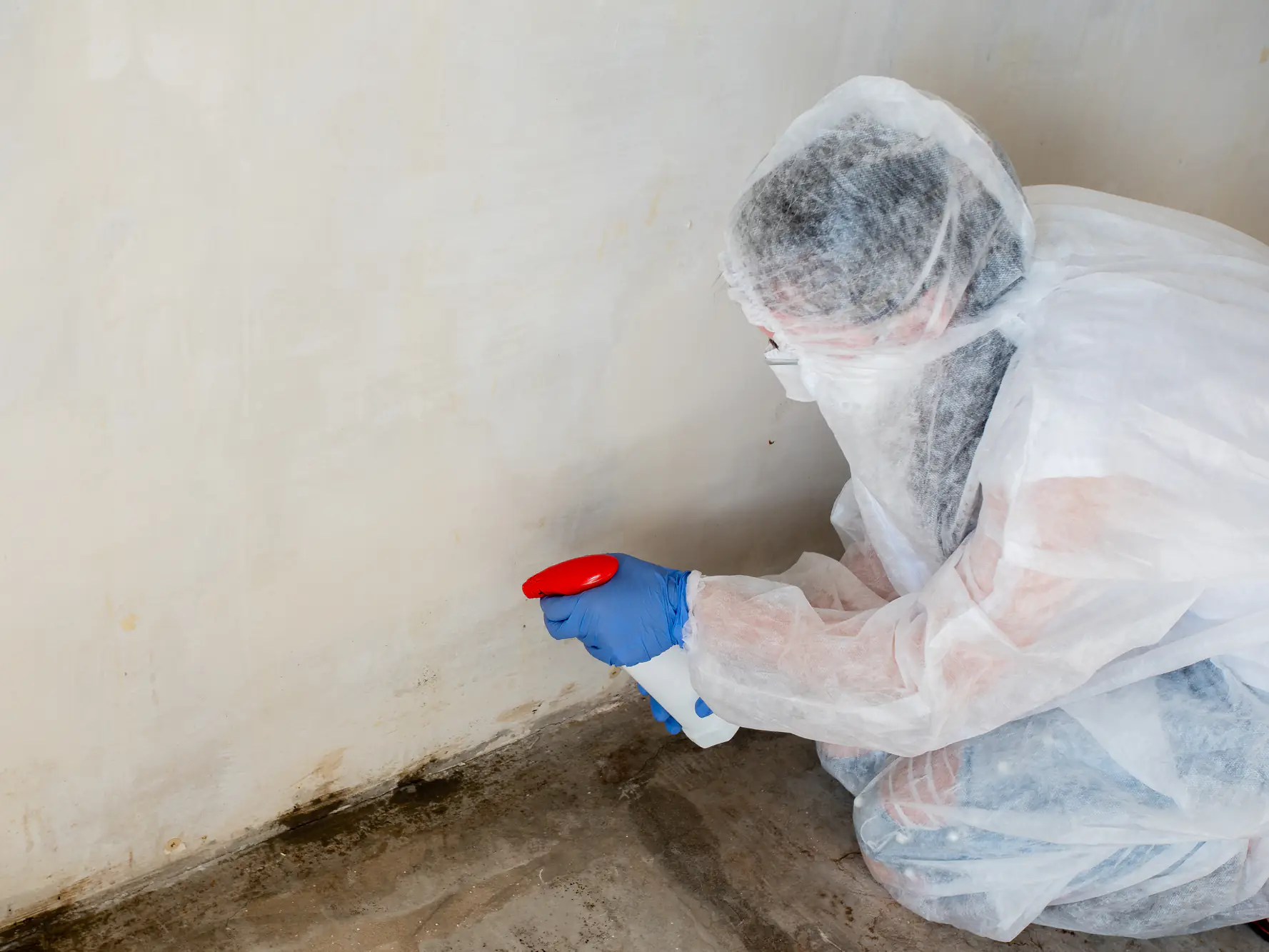
Hear from Our Customers
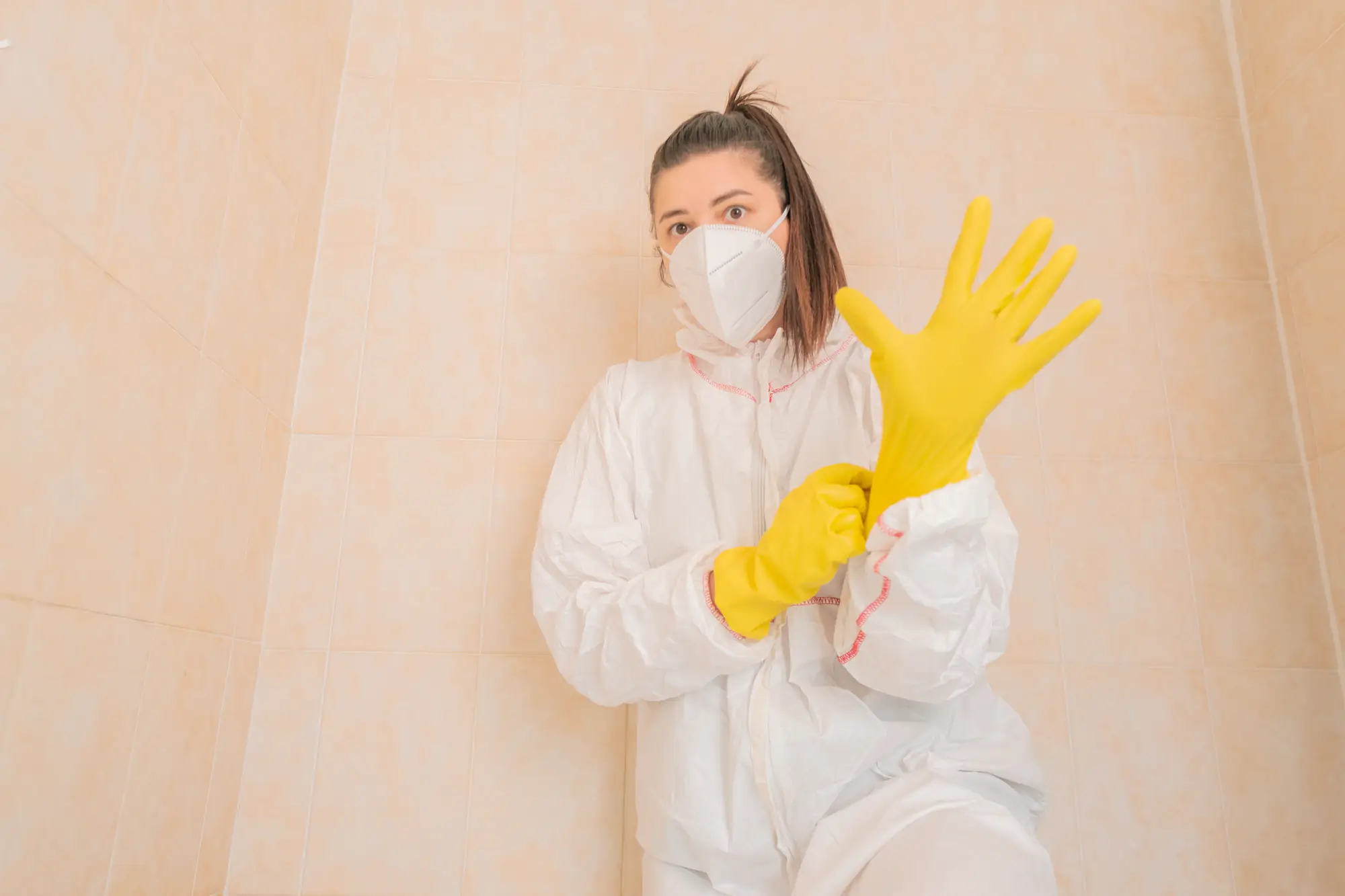
You stop worrying about what’s growing behind your walls. The musty smell disappears. Your kids’ allergy symptoms improve, and you’re not constantly wondering if the air in your home is safe to breathe.
That’s what complete mold remediation looks like. Not a quick cleanup that leaves spores to regrow in three months. Not a DIY attempt that spreads contamination to rooms that were fine before. Real elimination—where the moisture source gets fixed, affected areas get treated with antimicrobial solutions, and you get documentation proving your home is safe.
Most families in Deer Park don’t realize how common mold is in Bucks County’s older homes. Pennsylvania’s humid summers create perfect conditions for growth, especially in basements and attics where airflow is weak. You can run your AC all summer, but if moisture gets trapped, mold finds a way. And once it starts, it doesn’t stop on its own.
The difference between a mold problem and a mold-free home isn’t luck. It’s proper remediation by people who know what they’re doing.
We’ve been helping Deer Park families deal with mold for years. We understand how Pennsylvania’s climate works against you—hot, sticky summers and damp winters that turn older basements into breeding grounds for fungi.
Most homes in Bucks County were built decades ago. They’re charming, but they weren’t designed with modern moisture control in mind. That’s where experience matters. We’ve seen every type of mold situation these older properties can throw at us, from hidden crawl space growth to attic contamination that went unnoticed for years.
Our technicians are certified mold remediation professionals who use EPA-approved methods. We don’t just show up and spray something. We document everything, work with your insurance company when needed, and make sure you understand exactly what’s happening at every step.
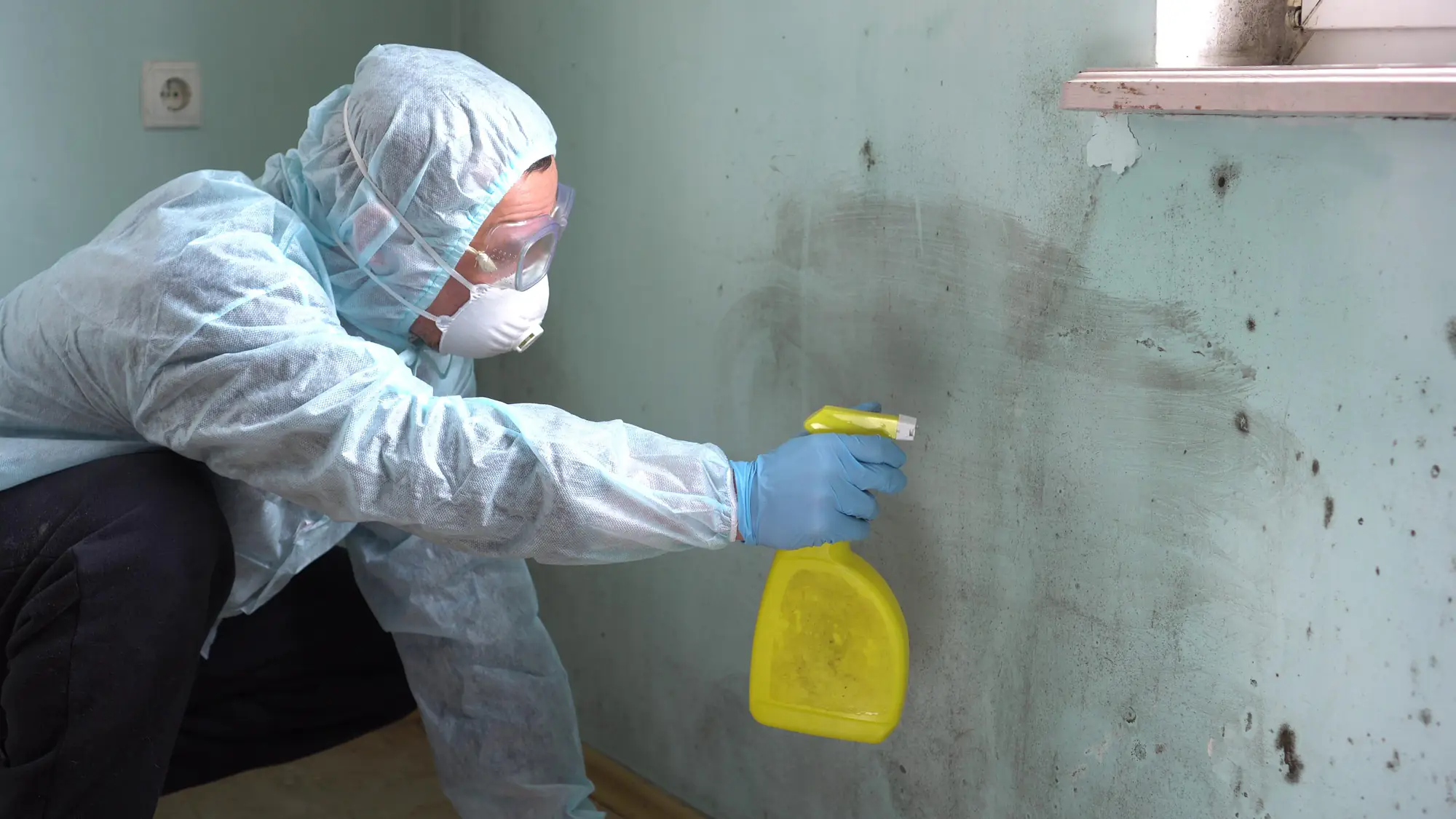
First, we inspect your property to find all the mold—not just what’s visible. We use moisture meters and thermal imaging to locate hidden growth behind walls, under floors, or in your attic. You get a detailed assessment of what’s contaminated and what caused it.
Next comes containment. We seal off affected areas with plastic sheeting and negative air pressure systems to prevent spores from spreading to clean parts of your home. This step matters more than most people realize—it’s the difference between fixing one room and contaminating three more.
Then we remove the mold. Porous materials that are heavily contaminated get bagged and disposed of properly. Hard surfaces get cleaned with HEPA vacuums and treated with antimicrobial solutions. We’re not just wiping things down—we’re eliminating spores at the source.
After removal, we fix the moisture problem. Whether it’s a leaky pipe, poor ventilation, or water seeping through your foundation, we identify what’s feeding the mold and address it. Without this step, you’re just waiting for it to come back.
Finally, we verify the work. Post-remediation testing confirms your home is safe, and you get documentation for your records or insurance company.
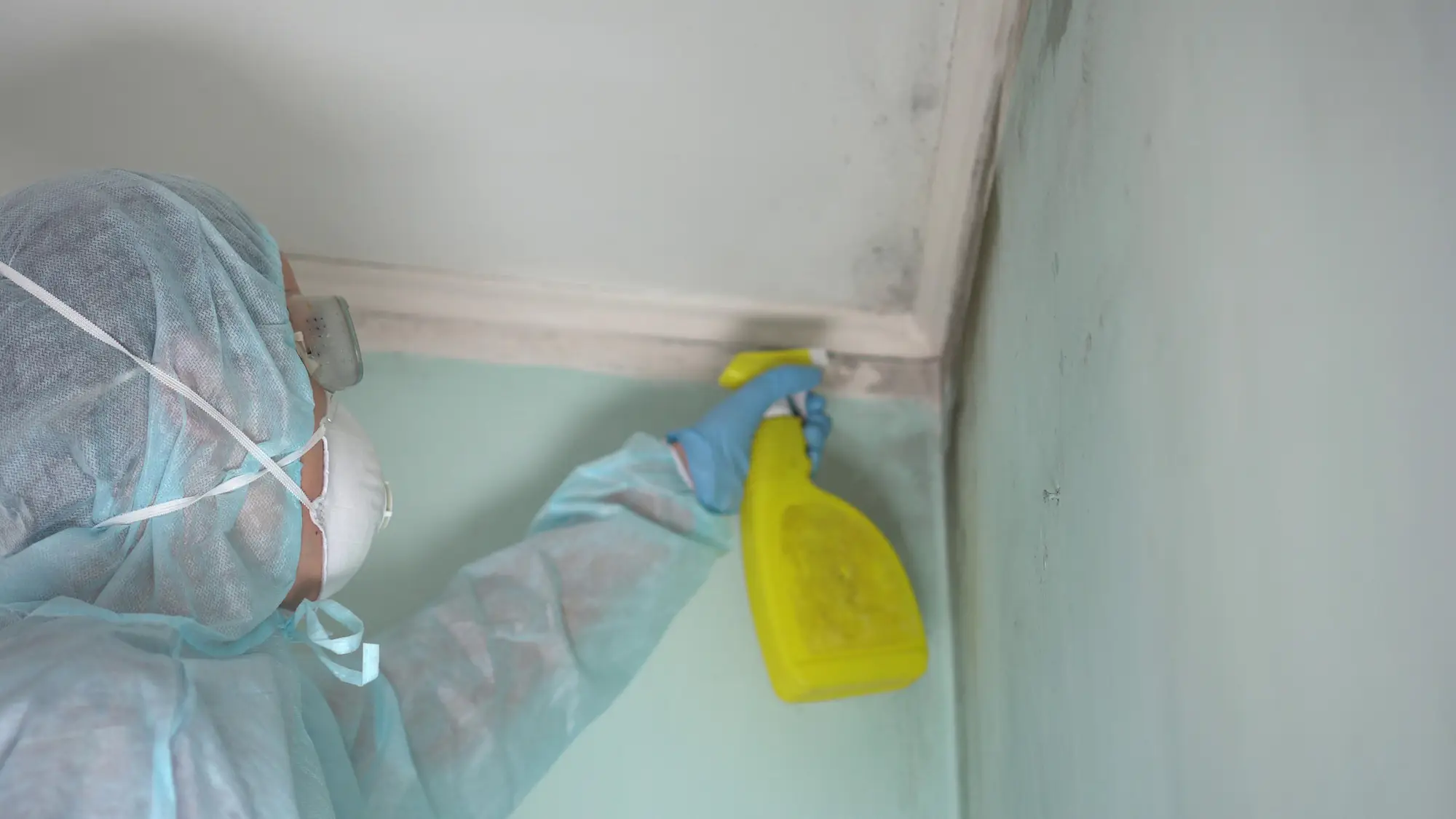
Ready to get started?
You’re getting a complete solution. Free inspection to assess the full scope of contamination. Professional containment to protect unaffected areas. HEPA filtration and antimicrobial treatment to eliminate spores. Safe removal and disposal of contaminated materials. Moisture source repair to prevent regrowth.
In Deer Park and throughout Bucks County, we see the same patterns. Basements with humidity issues because they were built in the 1960s without proper waterproofing. Attics where summer heat and poor ventilation create condensation. Crawl spaces that stay damp year-round because there’s no vapor barrier.
The average mold remediation in Pennsylvania costs around $2,400, but that number varies based on how much contamination there is and what’s causing it. A small bathroom issue is different from a finished basement with mold behind the drywall. We give you an upfront estimate so you know exactly what you’re paying for.
We also work directly with insurance companies. If your mold problem is covered, we’ll handle the documentation and claims process. And if you need financing, we offer options to make remediation affordable now rather than waiting until the problem gets worse and more expensive.

If you can see mold, smell that musty odor, or you’re dealing with unexplained respiratory symptoms, you need professional help. What looks like a small patch on your basement wall often means there’s more growth you can’t see.
Mold spreads without you noticing. It grows behind drywall, under flooring, in wall cavities—anywhere moisture gets trapped. By the time it’s visible, it’s usually been growing for a while. DIY cleaning might remove surface mold, but it doesn’t address what’s underneath or fix the moisture source. That’s why it comes back.
If anyone in your home has allergies, asthma, or a weakened immune system, professional remediation isn’t optional. Mold exposure causes real health problems—sinus infections, headaches, respiratory issues, skin rashes. You’re not overreacting by calling someone. You’re protecting your family.
Mold removal is just cleaning what you can see. Mold remediation is fixing the entire problem—finding the source, eliminating contamination, and preventing it from coming back.
Here’s why that matters. You can scrub mold off a wall, but if you don’t fix the leak or humidity issue causing it, you’ll be scrubbing again in a few months. Real remediation means containment to stop spores from spreading, HEPA filtration to clean the air, antimicrobial treatment to kill remaining spores, and moisture control to eliminate what’s feeding the growth.
In Bucks County, where older homes and humid summers create perfect conditions for mold, surface cleaning doesn’t cut it. You need someone who understands building science, knows where to look for hidden moisture, and has the equipment to do the job right. That’s what separates actual remediation from a temporary fix.
Most residential jobs take two to five days, depending on how much contamination there is and where it’s located. A single bathroom with surface mold might be done in a day. A finished basement with growth behind drywall could take a week.
The timeline depends on a few factors. How extensive is the contamination? Are we removing drywall, flooring, or insulation? What’s causing the moisture, and how complicated is the fix? We’re not rushing through the job just to finish faster—we’re making sure it’s done completely.
You’ll know the timeline upfront. After the initial inspection, we’ll tell you exactly what needs to happen and how long each phase takes. Most families can stay in their homes during remediation, especially if the contamination is contained to one area like a basement or attic. If the problem is severe or affects main living spaces, we’ll discuss temporary relocation, but that’s rare.
It depends on what caused the mold. If it’s from a sudden, accidental event—like a burst pipe or storm damage—insurance usually covers it. If it’s from long-term neglect or maintenance issues, probably not.
Pennsylvania insurance policies vary, but most cover mold if it resulted from a covered peril. The key is documentation. You need to show what happened, when it happened, and that you took reasonable steps to address it. That’s where professional remediation helps—we provide detailed reports, photos, and documentation that insurance companies accept.
We work with insurance companies regularly. We know what they require, and we’ll help you navigate the claims process. If your policy covers the damage, we’ll bill the insurance directly in many cases. If it doesn’t, we offer financing options so you’re not stuck choosing between fixing the problem and affording it. The worst thing you can do is wait—mold damage gets more expensive the longer it sits, and insurance companies can deny claims if they think you delayed unnecessarily.
If it’s a tiny spot on a non-porous surface and you caught it early, maybe. If it’s larger than a few square feet, in your HVAC system, or you’re not sure what caused it, no—you’ll make it worse.
Here’s what happens with DIY mold removal. You scrub the visible mold, but you don’t contain the area first, so you spread thousands of spores throughout your house. You don’t have HEPA filtration, so those spores settle in your carpets, furniture, and air ducts. You don’t fix the moisture source, so the mold grows back in a few weeks. And you don’t have the equipment to find hidden growth, so you’re only treating part of the problem.
Mold remediation in Pennsylvania costs an average of $2,400 because it requires specialized equipment, training, and methods that actually work. Professional-grade HEPA vacuums, antimicrobial treatments, containment barriers, moisture meters, thermal imaging—this isn’t stuff you rent from Home Depot. If you’re dealing with black mold, extensive contamination, or you have health concerns, trying to DIY it is a gamble you’ll probably lose. The money you save upfront gets spent fixing the bigger problem you created.
Control moisture. That’s it. Mold needs water to grow, so if you eliminate the moisture source and keep humidity levels in check, it won’t come back.
After we finish remediation, you’ll get specific recommendations based on what caused your mold problem. If it was a basement humidity issue, you might need a dehumidifier running year-round. If it was poor attic ventilation, we’ll suggest airflow improvements. If it was a plumbing leak, you’ll need to monitor those pipes and fix problems quickly.
In Bucks County, where summers are humid and older homes weren’t built with modern moisture control, prevention takes some attention. Keep your humidity below 60%. Fix leaks as soon as you notice them. Make sure your gutters and downspouts direct water away from your foundation. Ventilate bathrooms and kitchens properly. Check your basement and crawl space periodically for signs of moisture. These aren’t complicated steps, but they make the difference between a one-time remediation and a recurring nightmare.
Other Services we provide in Deer Park