
Hear from Our Customers
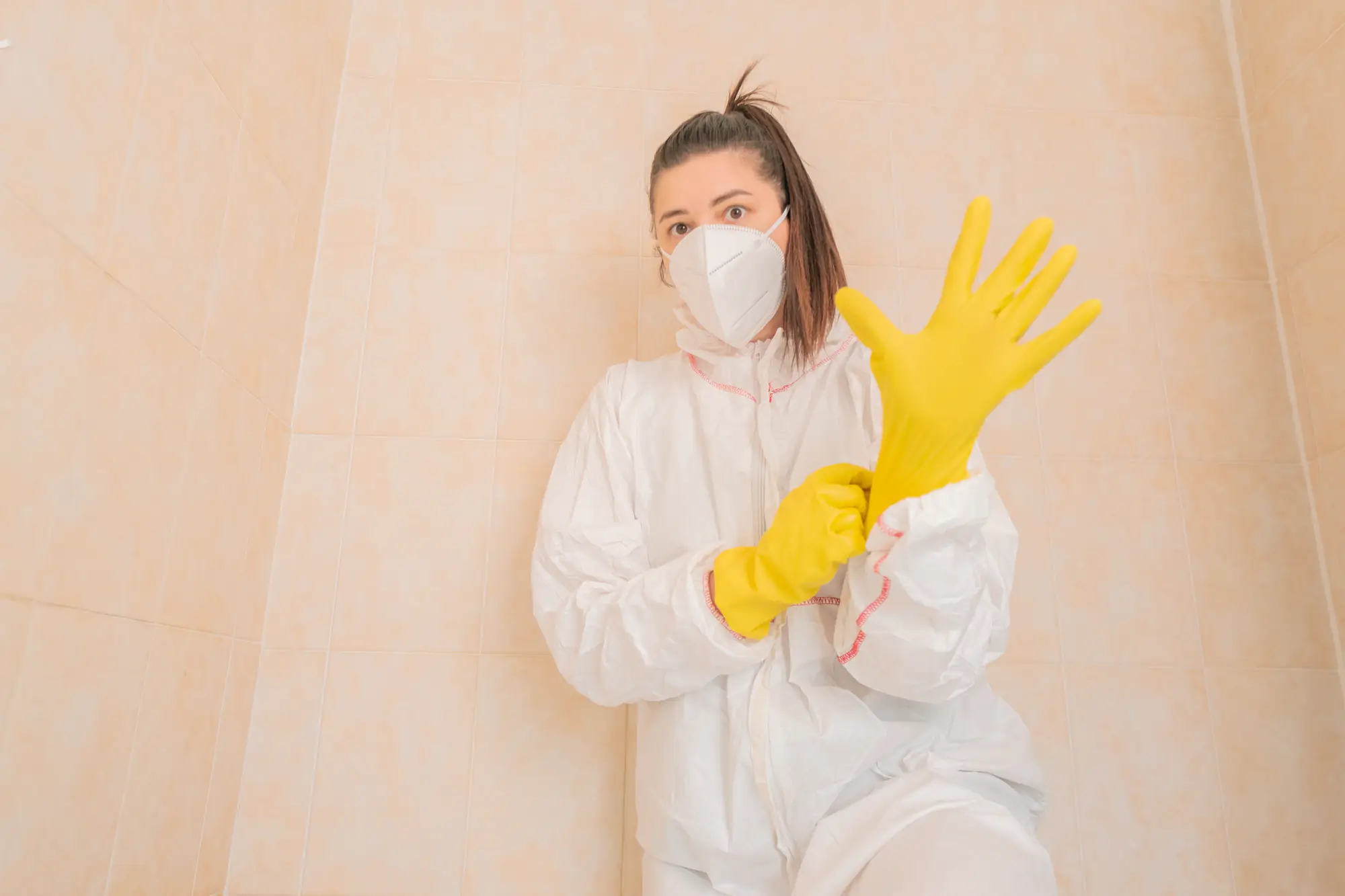
Mold doesn’t just sit there. It spreads, releases spores, and affects the air you’re breathing every day in your home.
When we remove it, we’re not just cleaning surfaces. We’re restoring your indoor air quality, eliminating the source of respiratory irritation, and giving you confidence that your family isn’t being exposed to mycotoxins or allergens while they sleep, eat, or play.
You’ll notice the difference when headaches clear up, when that musty smell is gone, and when you’re not wondering anymore if the air inside your house is making you sick. That’s what proper mold remediation does—it gives you your home back, without the constant worry about what’s growing behind your walls or under your floors.
Mack’s Mold Removal has been serving homeowners in Dyerstown and throughout Bucks County for years. We’re not a franchise with a call center—we’re local, and we show up when you call.
Dyerstown has older homes. Many were built in the 1940s through 1960s, and plenty date back even earlier. That means basements that weren’t designed with modern waterproofing, crawlspaces that trap moisture, and attics with ventilation issues that create perfect conditions for mold growth.
We’re IICRC-certified mold removal specialists, and we back every remediation job with a 5-year mold-free warranty. You’re not rolling the dice when you hire us—you’re getting trained professionals who understand how Pennsylvania’s humidity and your home’s age create the exact environment mold thrives in.
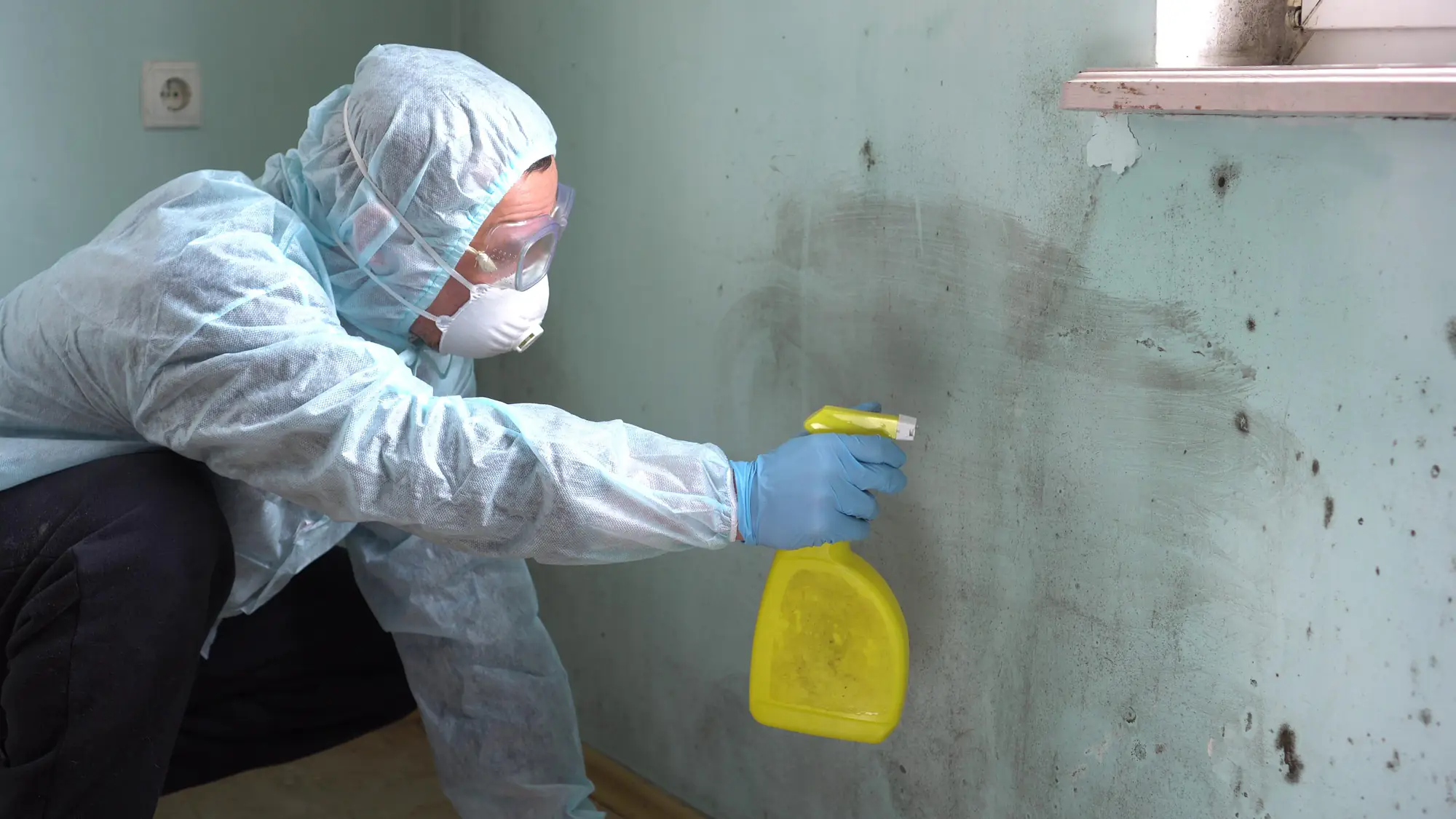
First, we come out and inspect your property. We’re not guessing where mold is—we use Instascope technology that analyzes airborne mold spores and bacteria in real time, plus moisture meters and infrared cameras to find hidden water sources feeding the growth.
Once we know what we’re dealing with, we contain the affected area to prevent spores from spreading during removal. Then we treat the mold at its source using dry fog systems that reach into wall cavities, ductwork, and crawlspaces—places you can’t scrub with bleach.
After treatment, we remove contaminated materials if necessary, dry everything thoroughly, and run air scrubbers to clean the air. We don’t leave until the job is done right. Then we test again to confirm the mold is gone and your air quality is back to safe levels. You get lab-certified results and a clear report showing exactly what we found and what we fixed.
Ready to get started?
When you hire a mold removal specialist, you should be getting a full assessment—not just surface cleaning. We inspect your HVAC system because ductwork spreads spores throughout your home. We check your plumbing for leaks that most homeowners don’t even know exist.
In Dyerstown, where 13% of Bucks County properties face severe flooding risk over the next 30 years, basements are especially vulnerable. We don’t just treat the mold you can see—we find the moisture problem causing it and give you a plan to prevent it from coming back.
You’re also getting same-day service availability when you need it. Mold grows fast—within 24 to 48 hours after water exposure. Waiting a week for an appointment means you’re letting the problem get worse. We respond quickly because timing matters, and because we know you don’t want to live in a house that smells like mildew while you wait for someone to show up.
This isn’t a one-size-fits-all service. Every home is different, and every mold problem has a root cause. We find it, fix it, and make sure it doesn’t happen again.

You might see it—dark spots on walls, ceilings, or around windows. But mold hides, too. It grows behind drywall, under flooring, in crawlspaces, and inside HVAC ducts where you’d never notice it until the problem is serious.
The smell is usually the first clue. If your basement or bathroom has a musty, earthy odor that won’t go away, that’s mold releasing spores into the air. You might also notice health symptoms—sneezing, coughing, itchy eyes, headaches, or brain fog that gets worse when you’re home and better when you leave.
If you’ve had any water damage—leaky pipes, roof leaks, flooding, even high humidity—you’re at risk. Mold starts growing within 24 to 48 hours after materials get wet. The only way to know for sure is to get a professional inspection with air quality testing and moisture detection. That’s what we do, and we give you lab-certified results so you’re not guessing.
Bleach kills surface mold on non-porous materials like tile or glass, but it doesn’t penetrate porous surfaces like drywall, wood, or insulation. That means you’re cleaning what you can see, but the roots are still there, and the mold comes back.
DIY removal also stirs up spores. When you scrub or tear out moldy materials without containment, you’re sending thousands of spores airborne, and they land in other parts of your house. Now you’ve got mold growing in places that weren’t contaminated before.
The bigger issue is that you’re not fixing the moisture problem. Mold grows because there’s water—either from a leak, condensation, or high humidity. If you don’t find and fix the source, you’ll be cleaning mold over and over. Professional mold remediation includes containment, proper removal, air filtration, and moisture control. That’s the difference between a temporary fix and actually solving the problem.
It depends on how much mold you have and where it’s growing. A small, contained area like a bathroom might take a day. A larger job—like a finished basement with mold behind walls or an attic with widespread contamination—can take several days.
The process includes inspection, containment, treatment, removal of damaged materials, drying, air scrubbing, and post-testing. We don’t rush it because cutting corners means the mold comes back, and then you’re paying for the same job twice.
Most of our clients in Dyerstown are back in their homes within 3 to 5 days for moderate jobs. We give you a timeline upfront after the inspection so you know what to expect. If it’s an emergency—like after a flood—we prioritize speed without sacrificing quality, because we know you can’t live in a hotel indefinitely.
Sometimes. It depends on what caused the mold and what your policy covers. If the mold is the result of a sudden, accidental event—like a burst pipe or storm damage—most policies will cover remediation as part of the water damage claim.
If the mold developed over time because of a slow leak, poor ventilation, or lack of maintenance, insurance usually won’t cover it. They consider that a homeowner responsibility. Every policy is different, so you need to check your coverage and read the fine print.
We work with insurance companies regularly, and we can help you document the damage and provide the reports they need to process your claim. We’ll walk you through what’s covered and what’s not, and we’ll give you a detailed estimate either way. Even if insurance doesn’t cover it, you still need to fix the problem—mold doesn’t go away on its own, and it gets more expensive the longer you wait.
Mold removal sounds like you’re getting rid of every single spore, but that’s not realistic. Mold spores are everywhere—in the air, on surfaces, floating around outside. You can’t eliminate them completely, and you don’t need to.
Mold remediation means bringing mold levels back to normal, safe levels and removing active growth. We’re not promising a sterile environment—we’re restoring your indoor air quality to the point where mold isn’t actively growing, spreading, or affecting your health.
The best mold remediation company doesn’t just clean up what’s visible. We find the moisture source, fix it, remove contaminated materials, treat affected areas with antimicrobial solutions, and prevent future growth. That’s remediation—it’s a complete process, not just surface cleaning. Anyone can spray bleach on a wall. We’re solving the root cause so you’re not dealing with this again in six months.
Control moisture. That’s it. Mold needs water to grow, so if you keep your home dry, mold can’t establish itself.
Fix leaks as soon as you notice them—don’t wait. Check your roof, gutters, plumbing, and foundation regularly. In Dyerstown, where older homes are common, basement waterproofing and proper grading around your foundation make a huge difference. If water pools near your house after it rains, that’s a problem.
Keep humidity below 60% inside your home. Use dehumidifiers in basements and crawlspaces, especially during Pennsylvania’s humid summers. Run exhaust fans in bathrooms and kitchens when you’re showering or cooking. Make sure your HVAC system is maintained and your ducts are clean—mold spreads fast through ductwork if it gets in there. We give you specific recommendations after every job based on what we found in your home, because prevention is always cheaper than remediation.
Other Services we provide in Dyerstown