
Hear from Our Customers
You stop worrying every time someone in your house coughs or sneezes. The musty smell disappears. Your basement or bathroom actually feels clean again.
That’s what proper mold removal does. It doesn’t just scrub away what you can see on the surface. It eliminates the spores you can’t see, treats the moisture problem that caused it, and gives you back a home that doesn’t make your family sick.
Most homeowners in Glenlake don’t realize mold is there until someone starts showing symptoms—runny nose, watery eyes, headaches that won’t quit. By then, it’s already spread. Professional mold testing catches it before it becomes a health crisis or a five-figure repair bill. Early detection means you’re dealing with a small problem instead of tearing out drywall.
Mack’s Mold Removal has spent more than ten years handling mold problems across Bucks County. We’re certified mold inspection and testing specialists, which means we use infrared cameras and moisture meters to find mold you didn’t know was there.
Glenlake homes deal with the same humidity and moisture issues as the rest of Pennsylvania—damp winters, older basements, and plenty of opportunities for water intrusion. We’ve seen it all. Crawl spaces that haven’t been dry in years. Bathrooms with hidden mold behind tile. Attics with ventilation problems that create the perfect breeding ground.
You’re not getting a sales pitch from us. You’re getting an honest assessment, a clear plan, and work that actually solves the problem.
First, we talk. You tell us what you’re seeing, smelling, or worried about. We schedule an inspection at a time that works for you.
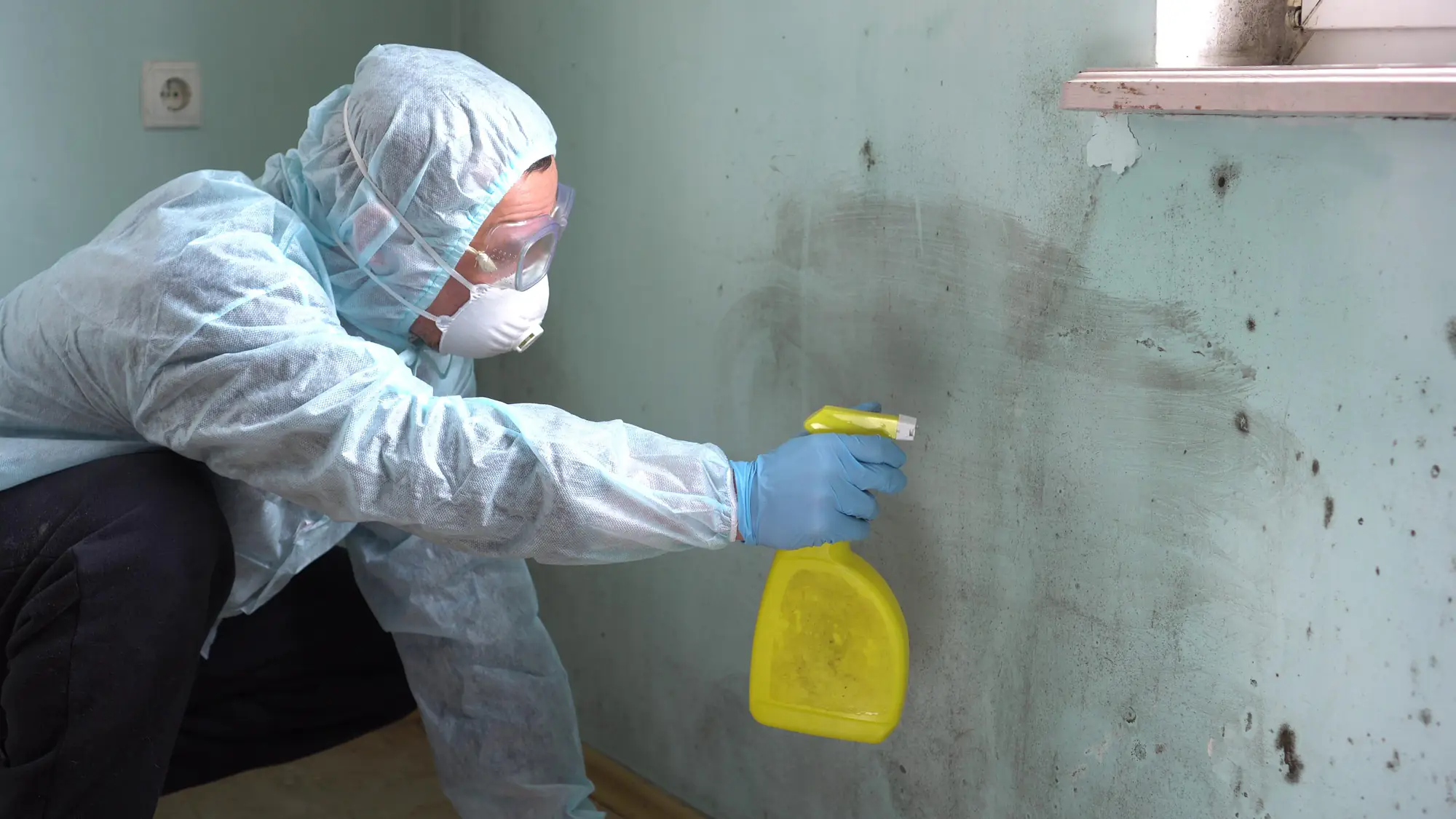
During the inspection, we’re not just looking at the obvious spots. We’re using thermal imaging to detect moisture behind walls. We’re checking humidity levels. We’re testing air quality to identify what type of mold you’re dealing with—because not all mold is the same, and the removal approach changes based on what’s growing.
Once we know what we’re dealing with, you get a detailed report. It tells you what mold is present, where it’s located, how bad the problem is, and what it’s going to take to fix it. No surprises. No upselling.
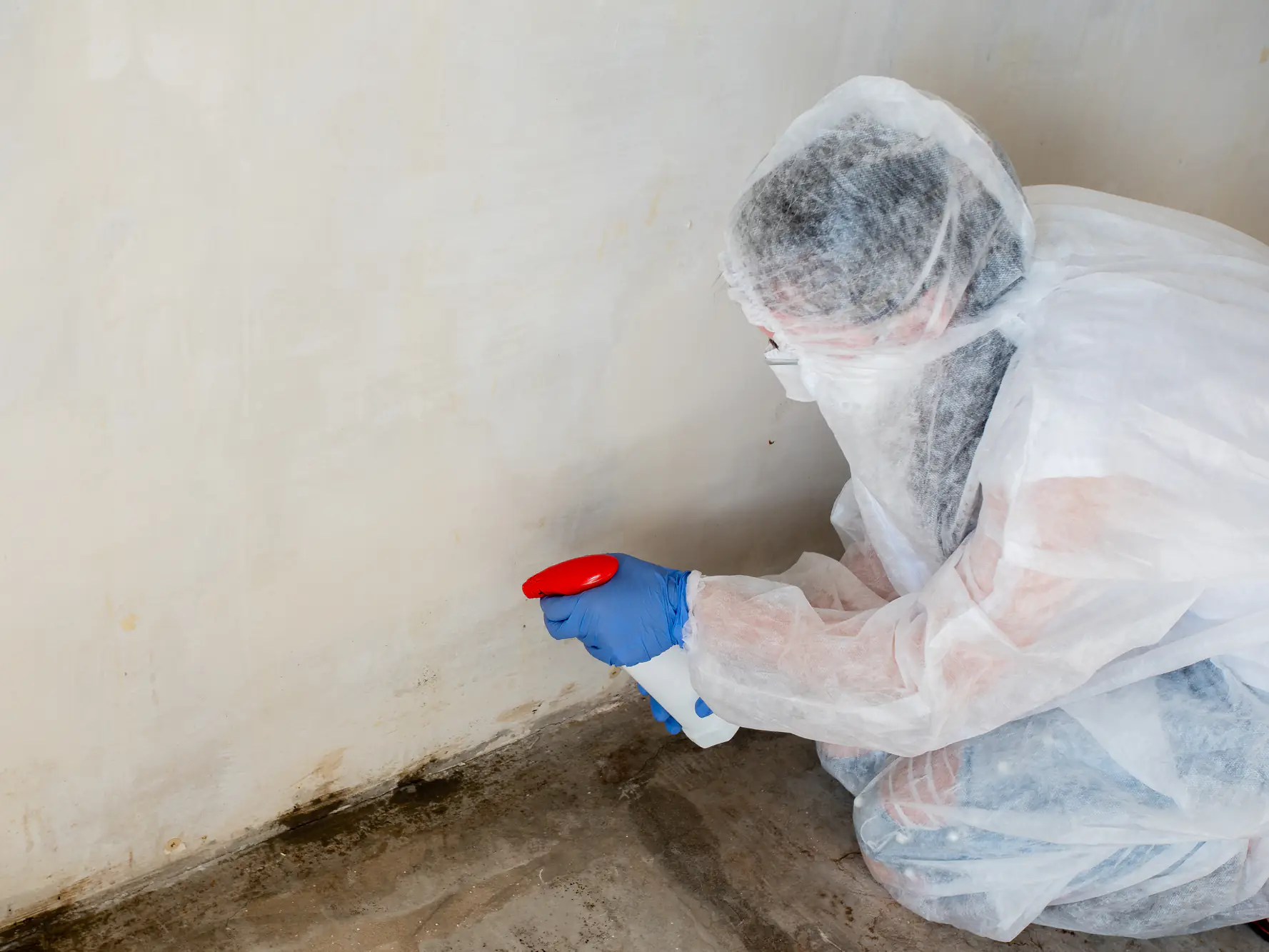
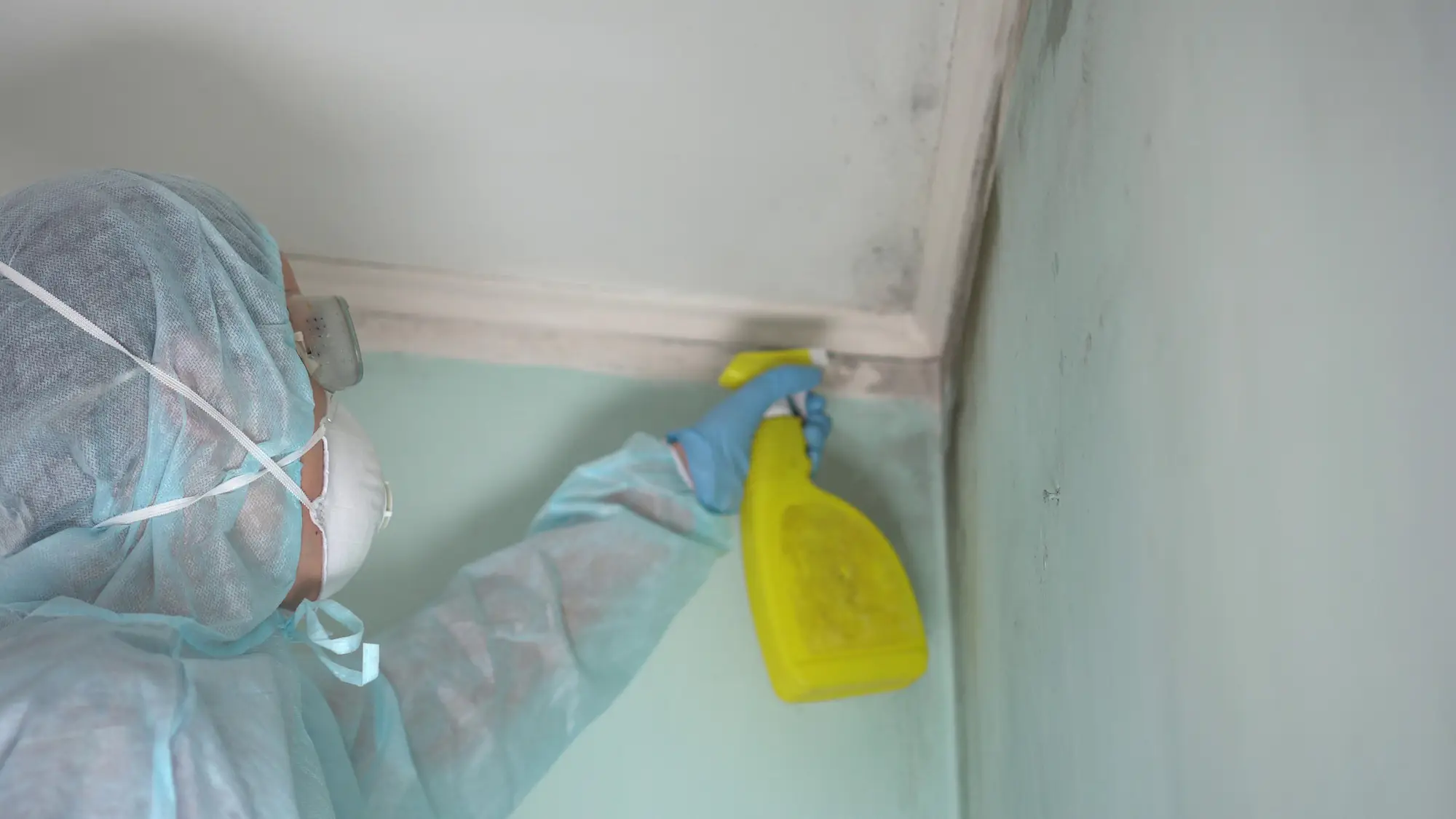
The actual removal process depends on the scope. Small areas get treated with environmentally safe products that kill mold at the source. Larger infestations might require containment, air filtration, and removal of affected materials. Either way, we’re not leaving until the mold is gone and the conditions that caused it are addressed.
Ready to get started?
Every mold inspection starts with advanced detection tools. Infrared cameras show us temperature variations that indicate moisture. Moisture meters tell us if your walls, floors, or ceilings are holding water. Air quality tests identify mold spores floating around that you’re breathing in every day.
You get a full report that breaks down the type of mold, the extent of growth, and the moisture source. We identify whether you’re dealing with common mildew or black mold that requires more aggressive treatment. The report includes photos, measurements, and our recommendations for remediation.
Pennsylvania’s climate creates specific challenges. Bucks County sees dew points between 35 and 40 degrees, which means humidity control is critical. Homes in Glenlake with older foundations, poor ventilation, or past water damage are at higher risk. We factor all of that into our assessment so you’re not just treating symptoms—you’re fixing the root cause.
After removal, we give you a prevention plan. That might mean better ventilation, dehumidifiers in certain areas, or fixing drainage issues around your foundation. The goal is making sure you don’t call us back in six months with the same problem.

If you’re seeing discoloration on walls, ceilings, or around windows, that’s a red flag. If there’s a musty smell that doesn’t go away even after cleaning, that’s mold. If anyone in your house is dealing with unexplained allergies, respiratory issues, or headaches that get better when they leave the house, mold could be the cause.
Normal moisture evaporates. Mold-causing moisture sticks around because there’s a leak, poor ventilation, or a humidity problem. The difference is whether your home is drying out or staying damp.
A professional mold inspection removes the guesswork. We measure moisture levels in your walls and floors with specialized equipment. If the readings are high, we know there’s a problem even if you can’t see mold yet. Catching it at that stage saves you money and protects your family’s health before symptoms start.
Mold removal is getting rid of visible mold growth. Mold remediation is fixing the entire problem—removal plus addressing what caused it in the first place.
You can scrub mold off a surface, but if you don’t fix the leak or humidity issue, it’s coming back. Remediation means we’re treating the mold, removing contaminated materials if necessary, cleaning the air, and making sure the conditions that allowed mold to grow are corrected.
That’s the approach we take. We’re not just cleaning up what you can see. We’re testing to find hidden growth, identifying the moisture source, and giving you a plan to prevent it from returning. Real remediation means you’re not dealing with the same issue six months later.
Most mold remediation projects in Pennsylvania run between $1,200 and $3,700, with the average around $2,300. The actual cost depends on how much mold is present, where it’s located, and what’s causing it.
A small patch of mold in a bathroom costs less to treat than a flooded basement with mold spreading across multiple rooms. If we need to remove drywall, flooring, or insulation, that adds to the cost. If it’s surface mold that we can treat and clean, it’s on the lower end.
Testing alone is usually a few hundred dollars and gives you a clear picture of what you’re dealing with before committing to remediation. That upfront investment can save you thousands if it catches a problem early. We give you a detailed estimate after the inspection so you know exactly what it’s going to cost before any work starts.
Black mold—specifically Stachybotrys chartarum—produces mycotoxins that can cause serious health problems, especially for kids, elderly family members, and anyone with respiratory issues or a weakened immune system. Symptoms include chronic coughing, sneezing, headaches, fatigue, and in severe cases, respiratory infections.
That said, not all black-colored mold is the dangerous kind. Some mold just looks black but isn’t Stachybotrys. The only way to know for sure is through professional testing that identifies the species.
What makes any mold dangerous is prolonged exposure. Even less toxic varieties cause allergic reactions and respiratory irritation if you’re breathing in spores every day. If you’ve got black mold or any mold that’s spreading, you need it tested and removed by professionals who know how to contain it, remove it safely, and prevent cross-contamination to other areas of your home.
Inspection and testing take a few hours. You’ll have results and a full report within a day or two.
Actual remediation depends on the size of the problem. A small area like a bathroom or closet might take one day. Larger projects—basements, attics, or multiple rooms—can take several days to a week.
The timeline also depends on what we find. If there’s significant water damage or structural issues, we need to address those before we can fully treat the mold. If containment is required to prevent spores from spreading during removal, that adds time but protects the rest of your home.
We’re not rushing through the job just to finish faster. Mold remediation done right means thorough removal, proper cleaning, air filtration, and confirmation that spore levels are back to normal. Cutting corners means the mold comes back, and you’re paying for the same work twice.
If it’s a tiny spot on a non-porous surface like tile and you catch it immediately, you can probably handle it with the right cleaner and proper ventilation. Anything larger than a few square feet, anything on porous materials like drywall or wood, or anything that keeps coming back—that’s when you need professionals.
Here’s why: mold spreads through spores. When you start scrubbing or tearing out materials without proper containment, you’re sending those spores into the air and spreading the problem to other parts of your house. Professional mold removal includes containment barriers, air filtration, and protective equipment to prevent cross-contamination.
We also have the tools to find mold you can’t see. If there’s mold behind your walls or under your flooring, you won’t know it’s there until the problem is massive. Infrared cameras and moisture meters detect hidden growth before it becomes a major issue. DIY mold removal often means treating the symptom while the real problem keeps growing where you can’t see it.
Other Services we provide in Glenlake