

Hear from Our Customers
Your air quality improves. The musty smell disappears. Your family stops dealing with unexplained allergies, respiratory issues, or that persistent cough that won’t go away.
You stop worrying every time you walk past that basement corner or open the attic door. The problem isn’t just covered up or temporarily managed—it’s eliminated at the source.
And because we address what caused the mold in the first place, you’re not dealing with the same issue six months from now. Glenlake’s humid summers and damp conditions create the perfect environment for mold to thrive, especially in older homes with basements that trap moisture. When humidity sits above 60% for extended periods, mold doesn’t just grow—it spreads into places you can’t see.
That’s why removing visible mold isn’t enough. You need someone who understands how moisture moves through your home, where it hides, and how to stop it. That’s what actually protects your property value and keeps your family safe.
Mack’s Mold Removal is locally owned and operated, serving homeowners throughout Glenlake and Bucks County. We’re not a national franchise following a script—we’re your neighbors who understand the specific challenges homes face in this area.
Bucks County’s climate isn’t doing your home any favors. Clay soil, high groundwater tables, humid summers that push indoor moisture levels into the danger zone—these aren’t just statistics. They’re the reasons your basement stays damp or your attic doesn’t dry out after a storm.
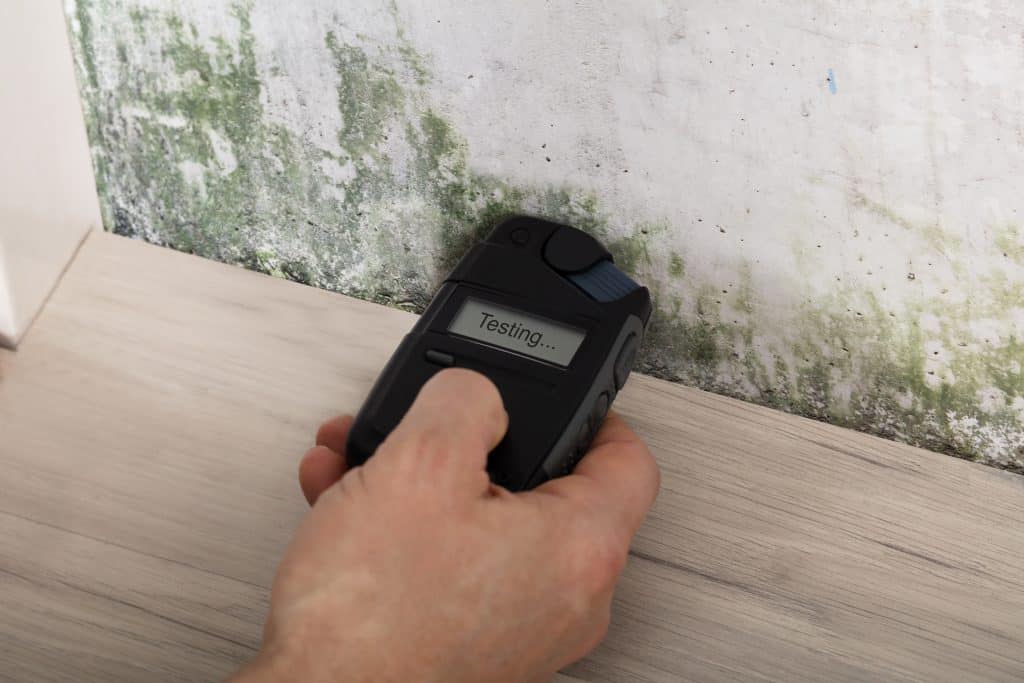
We’ve been handling mold issues in homes just like yours for years. Our team uses moisture meters, thermal imaging cameras, and air quality testing to find problems before they become disasters. You get clear answers, upfront pricing, and a plan that actually works for your home and your budget.

First, we come to your home for a free inspection. We’re looking at the visible mold, yes—but we’re also using thermal imaging and moisture meters to find what you can’t see. Hidden mold in wall cavities, under flooring, or in your HVAC system is often the bigger problem.
Once we know what we’re dealing with, you get a detailed report and an upfront estimate. No surprises, no vague pricing. We explain what needs to happen and why.
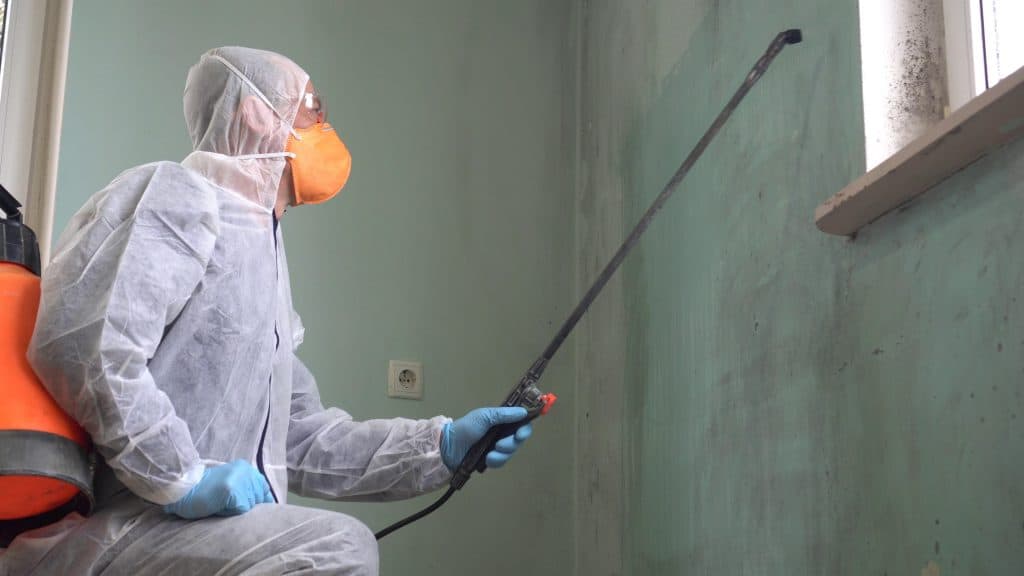
Then we contain the affected area to prevent mold spores from spreading during removal. We use HEPA filtration and negative air pressure to keep the rest of your home clean. The actual removal process uses EPA-approved methods and antimicrobial treatments that kill mold at the root.
But here’s the part that matters most: we identify and fix the moisture source. Whether it’s a hidden leak, poor ventilation, or groundwater seeping through your foundation, we address what caused the mold. Otherwise, you’re just paying to remove something that’s going to come back.
After removal, we test the air quality to confirm the mold is gone. You get documentation for your records and insurance if needed. And if repairs are necessary—drywall replacement, waterproofing, ventilation improvements—we handle that too.
Ready to get started?
You get a certified mold specialist who shows up on time and explains what’s happening in plain language. We conduct a thorough inspection of visible and hidden areas using state-of-the-art equipment—not just a visual once-over.
Air samples and surface testing tell us exactly what type of mold you’re dealing with and how severe the contamination is. Black mold gets a lot of attention, but all mold growth in your home is a problem worth addressing. Nearly 47% of homes in the U.S. show visible mold or detectable odor, and in Bucks County’s climate, that number is likely higher.
We provide complete containment and removal, not partial cleanup that leaves spores behind. You also get moisture source identification and correction—the step most companies skip because it requires actual expertise and problem-solving.
Insurance assistance is included if you need it. We document everything, communicate with your insurance company, and help you navigate the claims process. And because mold doesn’t wait for business hours, we offer 24/7 emergency service for urgent situations like flooding or sudden water damage.
Glenlake homeowners deal with specific challenges: older home construction, basement moisture from clay soil and high water tables, and summer humidity that can hit 70% or higher. We’ve seen it all, and we know how to handle it.
Most mold removal projects in Bucks County range from $1,373 to $3,325, with the average homeowner paying around $2,347. But that’s a wide range, and your actual cost depends on how much mold is present, where it’s located, and what’s causing it.
A small area of surface mold in a bathroom might cost $500 to remove. Extensive black mold contamination in your basement or attic that requires structural repairs can run $10,000 or more. The size of the affected area matters, but so does accessibility—mold behind walls or in crawl spaces costs more to remediate than mold on exposed surfaces.
Here’s what drives the price up: hidden moisture sources that require investigation, HVAC system contamination that needs professional cleaning, and structural damage that requires repair after mold removal. The good news is we provide free inspections and upfront pricing, so you know exactly what you’re paying before any work starts. We also work with your insurance company, and many homeowners’ policies cover mold removal if it resulted from a covered event like a burst pipe or storm damage.
A typical mold removal project takes anywhere from one to five days, depending on the extent of contamination and what needs to happen to fix the underlying problem. Small, contained areas might be completed in a single day. Larger projects involving multiple rooms, structural repairs, or complex moisture issues take longer.
The inspection and testing phase usually happens on day one. We need time to identify all affected areas, test air quality, and locate moisture sources. Containment and removal might take one to three days depending on square footage and severity. If we’re removing drywall, insulation, or flooring, that adds time.
After removal, we need to verify the mold is gone through post-remediation testing. Then there’s repair work—replacing materials, waterproofing, improving ventilation. Some projects require follow-up visits to monitor moisture levels and ensure the problem doesn’t return. We’ll give you a realistic timeline during the estimate, and we stick to it. The last thing you need is a crew dragging out a job that’s already disruptive to your daily life.
If you’re dealing with a very small area—less than 10 square feet—and it’s surface mold on a non-porous material like tile, you can probably handle it yourself with proper safety equipment. But most mold problems in Glenlake homes aren’t that simple.
Here’s what makes DIY mold removal risky: you can’t see the full extent of the problem without proper equipment. Mold grows behind walls, under flooring, and in HVAC systems. Disturbing mold without proper containment spreads spores throughout your home, making the problem worse. And if you don’t identify and fix the moisture source, the mold comes back.
Professional mold removal uses HEPA filtration, negative air pressure, antimicrobial treatments, and moisture detection technology you don’t have access to. We’re also trained to handle black mold and other toxic varieties safely. Infants exposed to mold have nearly three times greater risk of developing asthma, and 93% of chronic sinus infections are linked to mold exposure. This isn’t something to experiment with when your family’s health is on the line. The cost of doing it right the first time is almost always less than the cost of doing it twice—or dealing with health problems down the road.
Moisture is the only thing mold needs to grow, and Glenlake homes face several moisture challenges. Bucks County’s humid summers often push indoor humidity above 60%, which is the threshold where mold starts thriving. Add poor ventilation, and that moisture has nowhere to go.
Basements are the most common problem area. Clay soil and high groundwater tables in this region mean water naturally moves toward your foundation. If your basement isn’t properly waterproofed or your sump pump fails, you’re dealing with dampness that never fully dries. Attics are another hotspot—poor insulation and ventilation trap moisture from everyday activities like cooking and showering.
Leaks are obvious culprits, but they’re not always easy to spot. A slow leak behind a wall or under a floor can feed mold growth for months before you notice. HVAC systems also contribute—if your air conditioner’s condensation drain is clogged or your ductwork has leaks, moisture accumulates. Even something as simple as drying clothes indoors without proper ventilation adds humidity to your home. Pennsylvania’s climate creates ideal conditions for mold from early spring through mid-fall, with peak growth in late summer when humidity is highest and temperatures are warm.
Mold will come back if the moisture source isn’t fixed. That’s the difference between mold removal and actual mold remediation. Removal means cleaning up what’s visible. Remediation means eliminating the problem and preventing it from returning.
When we remove mold, we’re also investigating why it grew in the first place. Is there a plumbing leak? Poor ventilation in your bathroom or attic? Groundwater seeping through your foundation? A failed sump pump? We find the source and address it—whether that means waterproofing, improving airflow, repairing leaks, or installing dehumidification systems.
After remediation, we monitor moisture levels and test air quality to confirm the environment is no longer conducive to mold growth. We also provide recommendations for ongoing maintenance—things like running a dehumidifier during humid months, ensuring gutters drain properly, and checking for leaks regularly. Mold grows in over 70% of U.S. homes, and Bucks County’s climate doesn’t make it easier. But when the moisture problem is truly resolved, mold doesn’t come back. That’s what you’re paying for—a permanent solution, not a temporary fix.
It depends on what caused the mold. Most homeowners insurance policies in Pennsylvania cover mold removal if the mold resulted from a covered peril—like a burst pipe, storm damage, or a sudden appliance leak. If your washing machine hose breaks and floods your basement, leading to mold growth, that’s typically covered.
What insurance doesn’t cover is mold from long-term neglect or maintenance issues. If your roof has been leaking for months and you didn’t fix it, or if mold grew because of chronic humidity you ignored, the claim will likely be denied. Insurance companies expect homeowners to maintain their property and address problems promptly.
Here’s where it gets tricky: many policies have mold coverage limits, often capping payouts at $10,000 or less. If your mold remediation costs more than that, you’re responsible for the difference. Some insurers also exclude certain types of mold or require separate mold endorsements for full coverage. We work with your insurance company to document the damage, provide detailed estimates, and help you navigate the claims process. We’ve done this hundreds of times, and we know what insurers need to see. The key is reporting the problem quickly and having a professional assess the damage before you start any cleanup.
Other Services we provide in Glenlake