
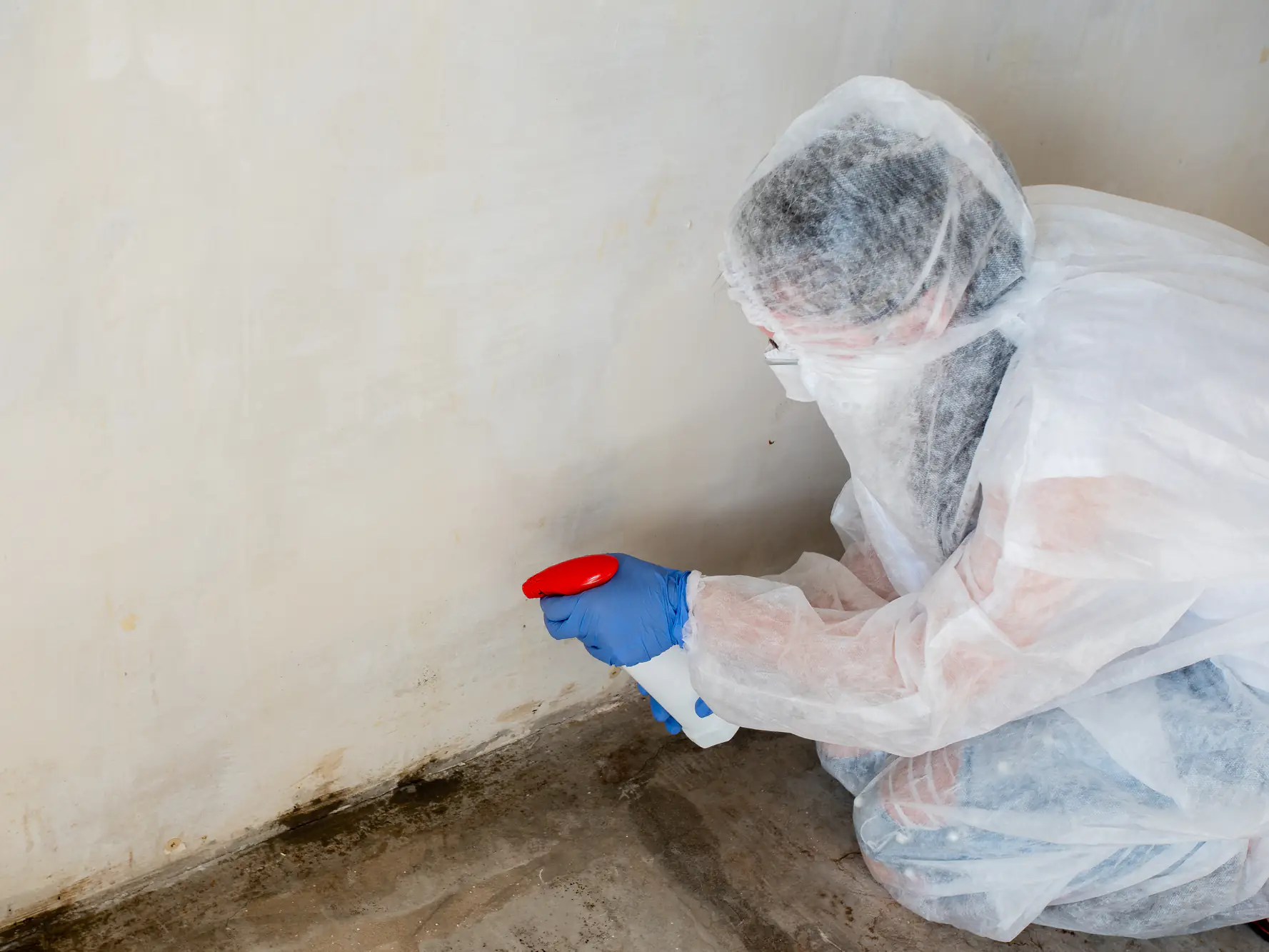
Hear from Our Customers
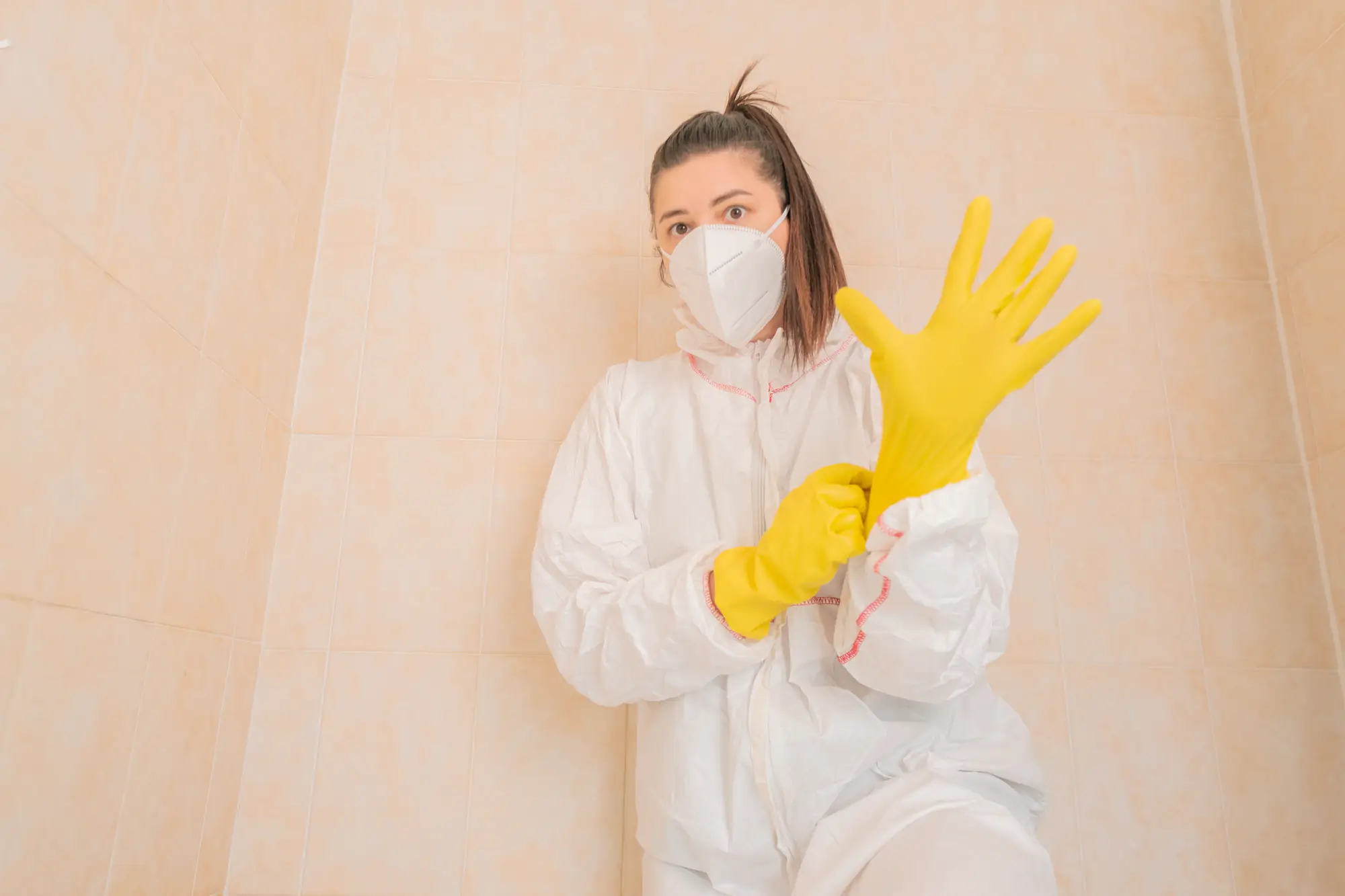
Your family stops dealing with the sneezing, the coughing, the constant congestion. The musty smell disappears. You’re not wondering if there’s hidden mold behind your walls or under your floors anymore.
When mold removal is handled correctly, you get documentation that satisfies your insurance company. You get a home that’s actually safe to live in. You get peace of mind that the problem was traced back to its source—whether that’s a basement leak, poor attic ventilation, or moisture trapped in your crawl space.
Most importantly, you’re not calling someone back in six months because the mold returned. The underlying issue gets fixed. The affected materials get properly removed or treated. Your home gets restored to a condition where mold can’t just grow back the moment humidity creeps up again.
We work exclusively in Bucks County, and that matters more than you’d think. We’ve seen what Pennsylvania’s humid summers and wet winters do to homes in Indian Creek. We know the older housing stock in this area wasn’t built with modern ventilation systems.
We understand that your basement probably floods during heavy spring rains. We’ve worked in enough attics here to recognize when poor airflow is creating condensation issues. We’re not guessing about what caused your mold problem—we’ve likely seen the exact same scenario in a dozen other homes within a few miles of yours.
That local knowledge means faster diagnosis, better solutions, and prevention strategies that actually work for the climate and construction styles common in this area.
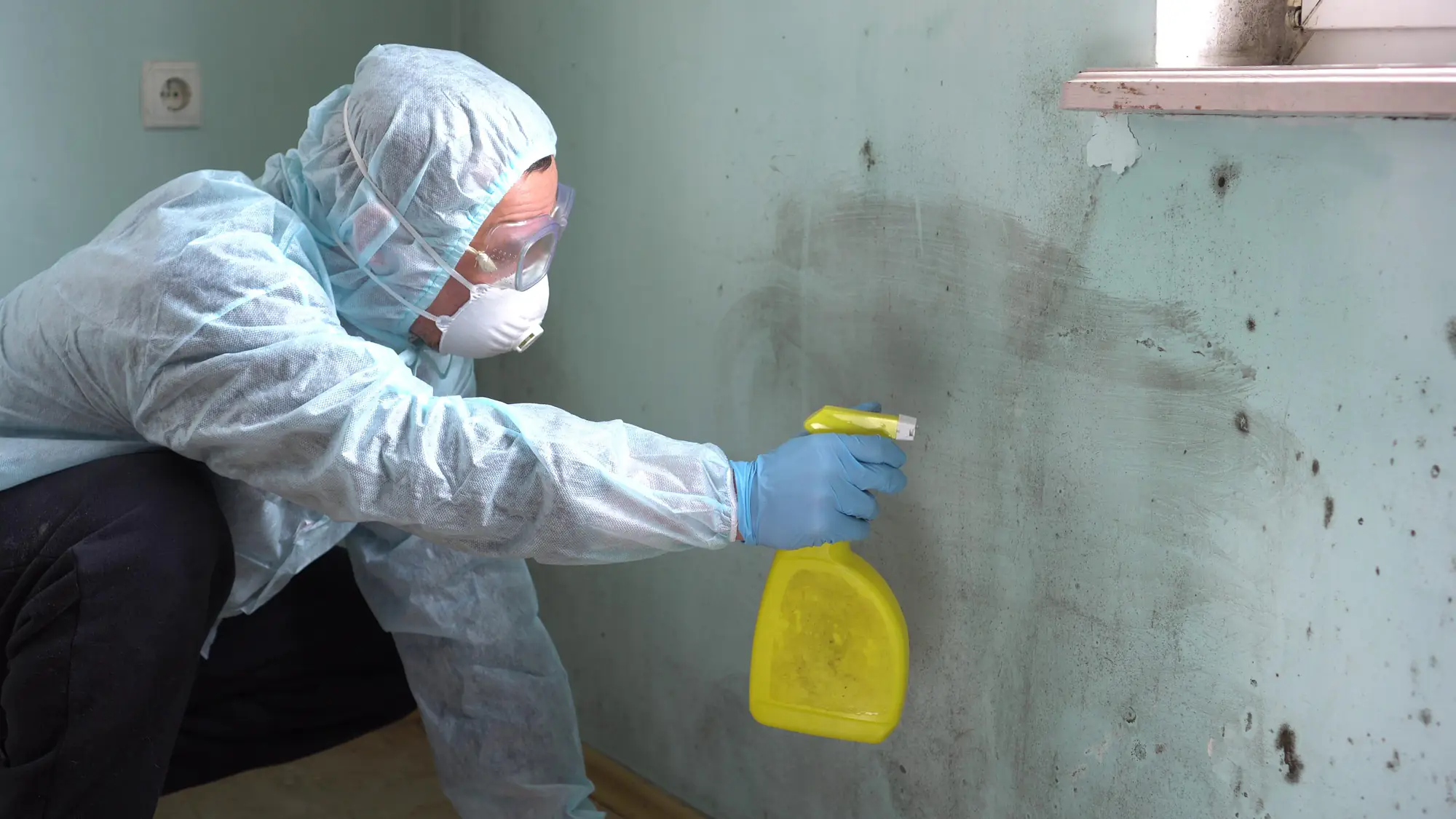
First, we inspect your entire property—not just the obvious spots. That means checking wall cavities, crawl spaces, attics, and anywhere else moisture could be hiding. We’re looking for the mold you can see and the mold you can’t.
Next, we test to identify what type of mold you’re dealing with. Different molds require different approaches, and we need to know exactly what we’re removing to do it safely and completely.
Then comes containment. We seal off the affected area to prevent spores from spreading to clean parts of your home during removal. We use negative air pressure and proper barriers—this isn’t optional, it’s how you avoid making the problem worse.
The actual remediation involves removing contaminated materials that can’t be saved and treating surfaces that can. We follow EPA standards throughout this process. We’re not just killing visible mold, we’re removing it and addressing the moisture source that allowed it to grow.
Finally, we verify the work. That means testing to confirm the mold is actually gone and making sure the conditions that caused it have been corrected. You’re not left guessing whether the job was done right.
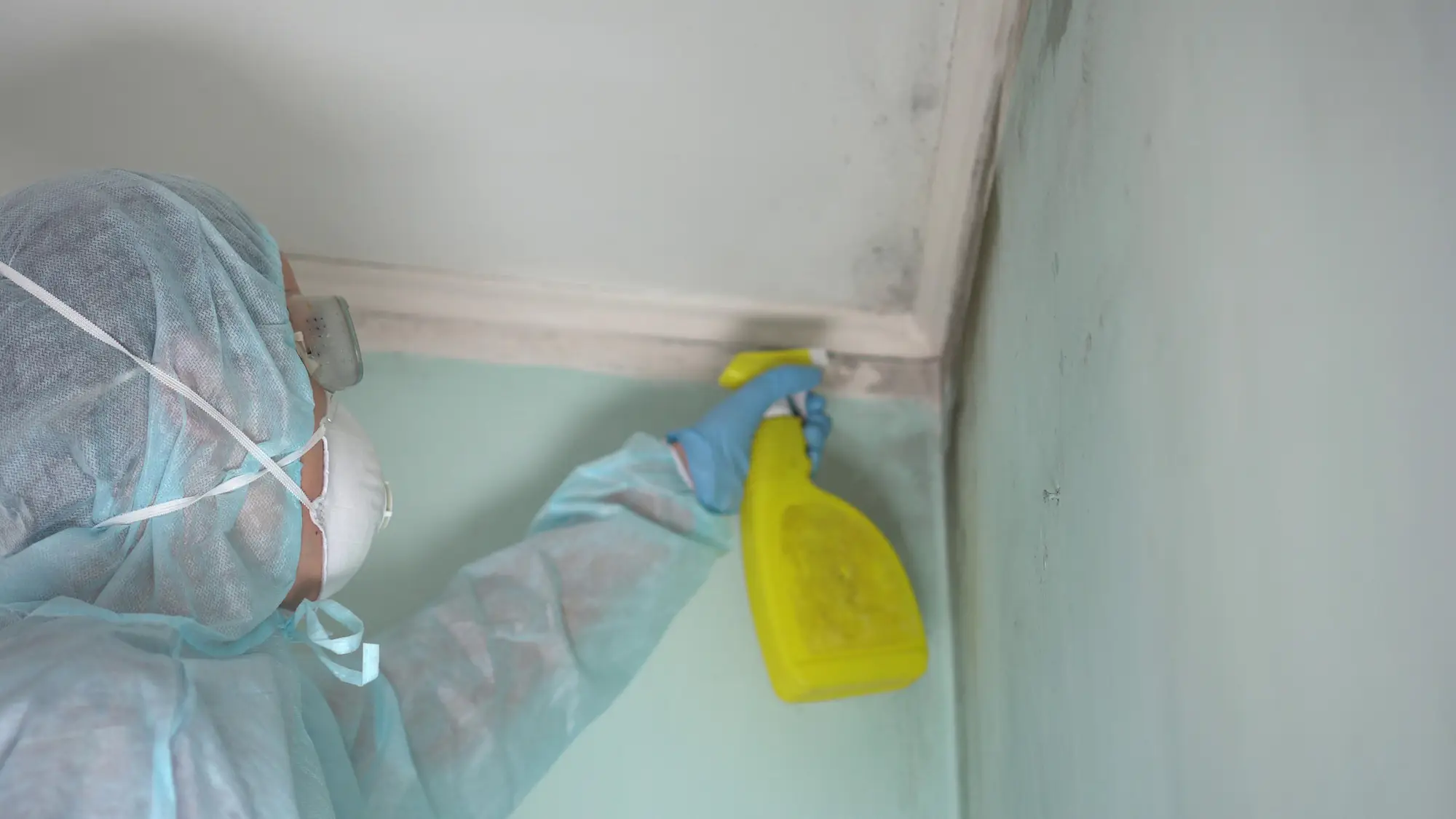
Ready to get started?
You get a thorough inspection that finds all the mold in your home, not just the patch you called about. You get accurate testing that identifies the specific type of mold and helps determine the best removal strategy.
You get proper containment that protects the rest of your home during the remediation process. You get safe removal that follows EPA guidelines and Pennsylvania regulations. You get treatment of the underlying moisture problem—the leak, the humidity issue, the ventilation problem—that caused the mold in the first place.
In Bucks County, that last part is critical. Your home faces humidity levels above 70% during summer months. Your basement probably deals with water intrusion during spring thaws. Your attic might have ventilation issues that trap moisture. These aren’t problems you can ignore if you want mold to stay gone.
You also get help with insurance documentation. Most homeowners insurance policies cover mold remediation if it resulted from a covered event like a burst pipe. We know how to document the work properly and what insurance companies need to see.

Most homeowners in this area pay between $1,500 and $9,000 for complete mold remediation, with the average job running around $3,500. That’s a wide range because every situation is different.
A small patch of mold in one bathroom costs a lot less than extensive contamination throughout a basement. The type of materials affected matters too—removing mold from concrete is different than removing it from drywall or insulation.
The real question isn’t what mold removal costs. It’s what happens if you don’t address it properly. Mold damages your home’s structure over time. It affects your family’s health. It kills your property value. And if you try a cheap fix that doesn’t address the source, you’ll be paying for remediation again in a few months anyway.
It depends on what caused the mold. If mold resulted from a covered event—like a burst pipe, storm damage, or sudden water intrusion—most policies will cover remediation up to a certain limit. That limit typically ranges from $1,000 to $10,000.
If the mold resulted from neglect or long-term maintenance issues, your claim will likely be denied. Insurance companies don’t cover mold that grew because you ignored a slow leak for months or failed to address obvious moisture problems.
The key is documentation. You need to show that the mold resulted from a sudden, accidental event and that you took reasonable steps to address it quickly. That’s where working with us helps—we know how to document the cause, the extent of damage, and the remediation work in a way that insurance companies accept.
A straightforward mold removal job usually takes two to five days. That includes inspection, containment, removal, treatment, and verification. Larger or more complex situations can take a week or more.
The timeline depends on how much mold you’re dealing with and where it’s located. A single bathroom with surface mold might be done in a day or two. An entire basement with contaminated drywall, insulation, and framing takes longer because more materials need to be removed and replaced.
Drying time also affects the schedule. After we remove the mold and fix the moisture source, affected areas need to dry completely before we can close everything back up. In Pennsylvania’s humid climate, that sometimes means running dehumidifiers for several days to get moisture levels down to where mold can’t regrow.
Small surface mold—like a little patch on your shower tile—you can probably handle yourself with proper cleaning products and ventilation. Anything beyond that, you’re risking your health and likely making the problem worse.
Here’s why: mold releases spores when you disturb it. Without proper containment, those spores spread throughout your home during cleaning. You might eliminate the visible mold, but you’ve just contaminated areas that were previously clean.
You also can’t see the full extent of the problem. Mold grows behind walls, under floors, and in other hidden areas. If you only treat what you can see, you’re leaving the majority of the contamination untouched. And if you don’t fix the moisture source, the mold comes right back.
We use containment barriers, negative air pressure, proper protective equipment, and EPA-approved methods. We find all the mold, not just the obvious spots. We address the cause, not just the symptom. That’s the difference between actually solving the problem and just temporarily hiding it.
For most people, mold exposure causes respiratory symptoms—sneezing, coughing, congestion, eye irritation, and throat discomfort. If you have asthma, mold makes it worse. About 4.6 million asthma cases in the U.S. are directly linked to dampness and mold exposure in homes.
Infants exposed to mold in their first year of life have nearly three times the risk of developing asthma compared to children who weren’t exposed. That’s not a small increase—it’s a significant health risk for young families.
Most mold won’t cause serious illness or death in healthy adults, but it makes your home uncomfortable and unhealthy. You’re constantly dealing with allergy-like symptoms. Your kids are coughing more. Everyone feels better when they leave the house. Those are signs that your indoor air quality is compromised and needs to be addressed.
Mold prevention comes down to moisture control. If you keep humidity below 60% and fix water intrusion problems, mold can’t grow. It’s that simple in theory, more complicated in practice.
In Indian Creek and the rest of Bucks County, you’re fighting Pennsylvania’s climate. Summer humidity regularly exceeds 70%. Spring rains cause basement flooding. Winter condensation creates moisture problems in attics and crawl spaces. You need active strategies, not just hoping the problem doesn’t return.
That means fixing leaks immediately—not next month, not when you get around to it. It means running dehumidifiers in basements and crawl spaces during humid months. It means ensuring your attic has proper ventilation so moisture doesn’t get trapped. It means addressing grading and drainage issues around your foundation that allow water to seep into your basement.
When we complete a mold remediation job, we identify these underlying issues and explain exactly what needs to be done to prevent recurrence. The removal is only half the solution—prevention is what keeps your home mold-free long-term.
Other Services we provide in Indian Creek