

Hear from Our Customers
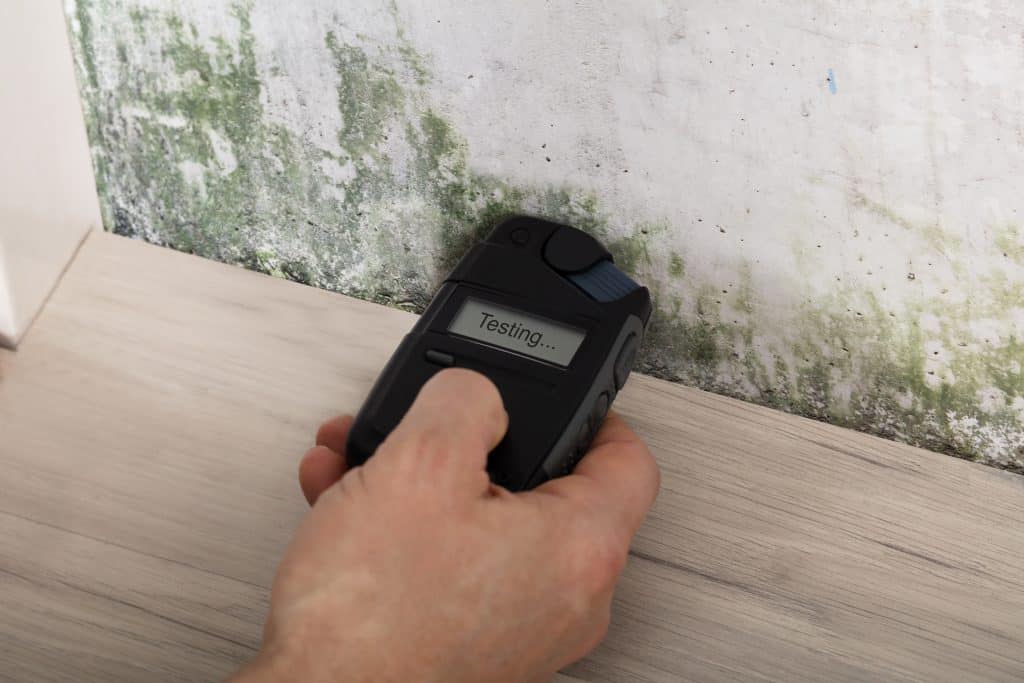
Mold doesn’t just look bad. It spreads fast, damages your property, and creates real health risks for everyone in your home.
When you catch it early and handle it right, you stop the problem before it becomes expensive. That means no more musty smells, no more worry about what’s growing behind your walls, and no more wondering if your family is breathing something dangerous.
Professional mold removal gets rid of visible growth and addresses the moisture source feeding it. You’re not just cleaning up what you can see. You’re preventing it from coming back in the same spot or spreading to other areas of your home.
After remediation, your air quality improves. Your property value stays protected. And you can stop thinking about mold every time you walk into your basement or bathroom.
We work with homeowners throughout Indian Creek and Bucks County who are dealing with mold problems they didn’t cause and don’t know how to fix. Most of the homes here were built between 1995 and 2009, and as they age, moisture issues show up in basements, crawl spaces, and bathrooms.
Pennsylvania’s humid summers and cold, wet winters make mold growth almost inevitable if water gets where it shouldn’t. We’ve seen it in finished basements after heavy rain, in attics with poor ventilation, and behind walls where slow leaks went unnoticed.
We’re certified mold remediation specialists who use environmentally safe methods to remove mold and prevent it from returning. You’ll get a clear explanation of what’s happening, what needs to be done, and what it’s going to cost before any work starts.

First, we inspect your property to find all the mold and figure out where the moisture is coming from. You can’t fix mold without fixing the water problem, so we identify leaks, condensation issues, or drainage problems that are feeding the growth.
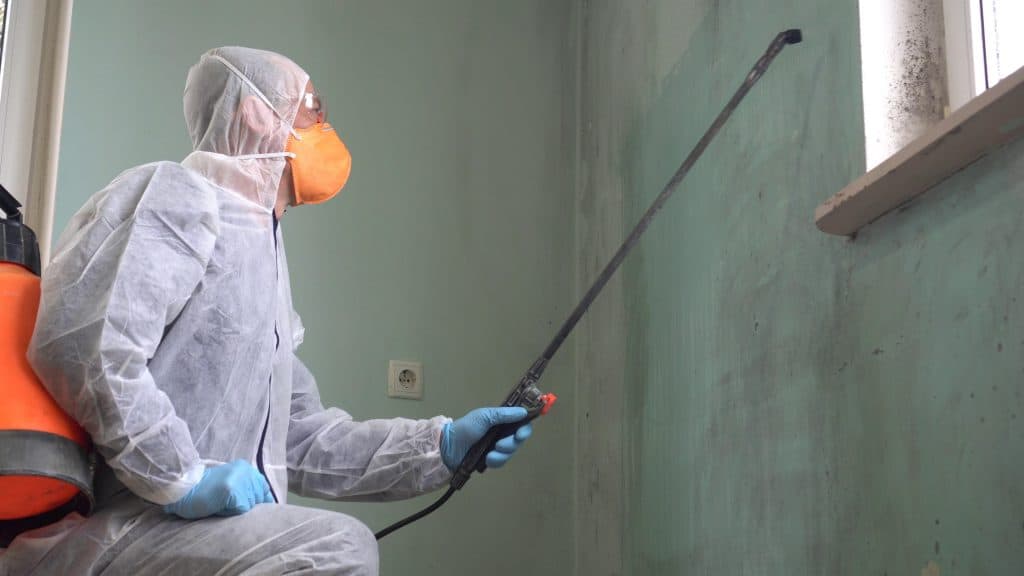
Next, we contain the affected area so mold spores don’t spread during removal. We use proper equipment and environmentally friendly products to remove contaminated materials safely. If drywall, insulation, or flooring is too damaged, we’ll tell you what needs to be replaced.
After removal, we clean and treat the area to kill any remaining spores. Then we address the moisture source, whether that’s improving ventilation, fixing a leak, or recommending drainage work.
You’ll get documentation of everything we did, which matters if you’re selling your home or filing an insurance claim. We also give you a plan to keep mold from coming back, because the goal isn’t just to clean up what’s there now. It’s to make sure you don’t deal with this again.
Ready to get started?
Mold remediation isn’t just spraying bleach and hoping for the best. It’s a multi-step process that requires the right equipment, training, and approach.
You get a full inspection to identify the type of mold and how far it’s spread. Black mold gets the most attention because it’s toxic, but other strains cause problems too. We test and identify what you’re dealing with so we can treat it correctly.
Containment keeps the problem from getting worse while we work. Removal involves safely extracting contaminated materials and cleaning affected surfaces with professional-grade products that kill mold at the root.
In Indian Creek, we see a lot of basement mold because of how homes are built here and how water moves through the soil. Finished basements are especially vulnerable because mold can grow behind walls where you can’t see it until the problem is serious. We check those hidden areas and make sure nothing gets missed.
After the mold is gone, we help you understand what caused it and what you can do to prevent it. Sometimes that’s as simple as running a dehumidifier. Other times it means fixing a gutter or sealing a foundation crack.
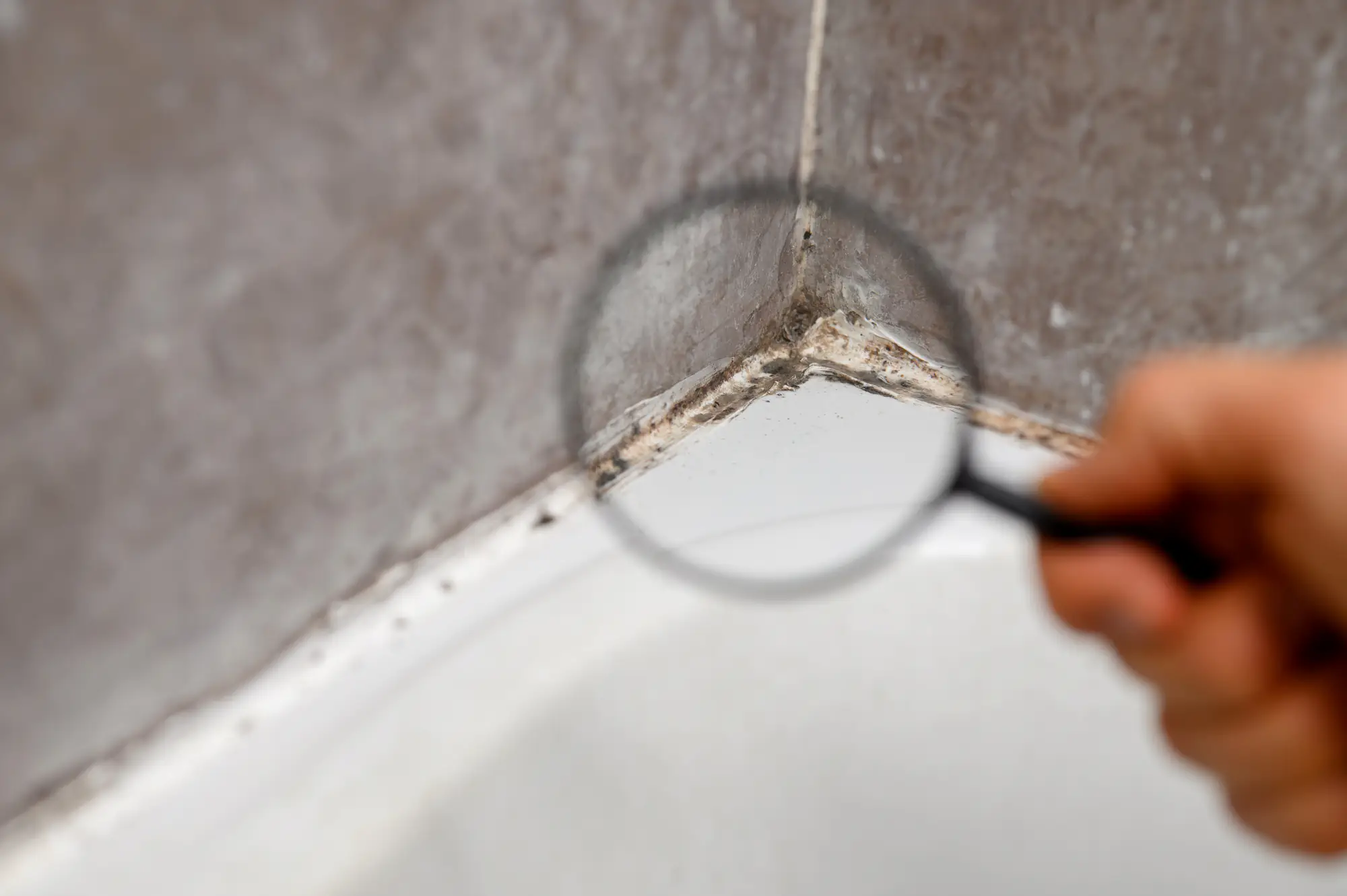
Cost depends on how much mold you have, where it’s located, and what’s causing it. A small area in a bathroom might cost a few hundred dollars to treat. A flooded basement with mold growing across multiple walls can run several thousand.
Most homeowners in Bucks County spend between $1,500 and $4,000 for professional mold remediation. That includes inspection, containment, removal, cleaning, and treatment to prevent regrowth.
Insurance sometimes covers mold removal if it’s caused by a sudden event like a burst pipe. If it’s from long-term neglect or maintenance issues, you’ll probably pay out of pocket. We can help you document everything for your claim if you’re filing one.
The real cost isn’t just the remediation. It’s what happens if you don’t take care of it. Mold can drop your home’s resale value by 20% or more. It can also make people in your house sick, especially if they have asthma or allergies.
You can handle very small areas of surface mold yourself if it’s less than 10 square feet and you catch it early. Spray it with a mold-killing cleaner, scrub it off, and fix whatever caused the moisture.
But if the mold covers a larger area, if it’s black mold, or if it’s inside your walls or HVAC system, you need a professional. DIY mold removal often makes things worse because disturbing mold releases spores into the air. Those spores spread to other parts of your home and start new colonies.
We use containment systems, air filtration, and proper protective equipment to remove mold without spreading it. We also find hidden mold that you can’t see and address the root cause so it doesn’t come back.
Mold grows fast. Within 24 to 48 hours after water exposure, you’ve got a problem. If you’re seeing visible mold, there’s a good chance there’s more you’re not seeing. Getting a professional inspection gives you the full picture so you can make an informed decision.
Mold needs three things: moisture, oxygen, and something organic to feed on. Your home has plenty of oxygen and organic materials like wood and drywall. The variable is moisture.
In Indian Creek, moisture problems usually come from basements. Heavy rain overwhelms gutters or drainage systems, and water seeps through foundation cracks or basement walls. Finished basements are especially risky because mold can grow behind drywall where you won’t notice it until it’s widespread.
Bathrooms and kitchens are other common spots because of steam and condensation. If your exhaust fans aren’t working or you don’t use them, moisture builds up and mold starts growing on walls, ceilings, and grout.
Leaky roofs, burst pipes, and poorly ventilated attics also create mold problems. Pennsylvania’s humid summers make it worse because warm, moist air gets trapped in spaces that don’t have good airflow.
The key is controlling moisture. Fix leaks immediately, run dehumidifiers in damp areas, and make sure your home has proper ventilation. If you’ve had water damage, get it dried out within 48 hours or expect mold to follow.
Black mold, or Stachybotrys chartarum, produces mycotoxins that can cause serious health problems. It’s not exaggerated. It’s a real risk, especially for people with asthma, allergies, weakened immune systems, or respiratory issues.
Exposure to black mold can cause headaches, nosebleeds, coughing, difficulty breathing, and skin irritation. Long-term exposure has been linked to more severe problems, including chronic respiratory issues and neurological symptoms.
That said, not all black-colored mold is Stachybotrys. There are other dark molds that aren’t as toxic but still cause health problems and property damage. You can’t tell what type of mold you have just by looking at it. You need testing to know for sure.
The CDC and WHO both recognize mold as a health hazard. In the U.S., mold contributes to 4.6 million asthma cases every year. The economic impact of mold-related health issues costs billions annually.
If you see black mold in your home, don’t try to remove it yourself. Call a certified mold specialist who has the equipment and training to handle it safely. The health risks aren’t worth taking chances.
A small, contained mold problem might take one to two days to remediate. Larger jobs with extensive contamination or structural damage can take a week or more.
The timeline depends on how much mold there is, where it’s located, and what needs to be removed or replaced. If we’re just treating surface mold in a bathroom, that’s quick. If we’re removing drywall in a finished basement and treating mold inside the walls, that takes longer.
Drying out the area after remediation adds time too. We need to make sure all moisture is gone before we close things back up. If the area isn’t completely dry, mold will just come back.
You’ll usually get a timeline estimate after the initial inspection. We’ll tell you what we found, what needs to be done, and how long it’s going to take. Most homeowners can stay in their house during remediation as long as we’re not working in main living areas and containment is set up properly.
The goal is to do it right, not fast. Rushing through mold removal means missing hidden growth or not fully addressing the moisture problem. That leads to recurring mold and more money spent down the road.
Mold won’t come back if you fix the moisture problem that caused it in the first place. Professional mold removal gets rid of existing mold, but it can’t prevent future growth if water keeps getting into your home.
After we remove the mold, we identify what caused it and give you a plan to prevent it from returning. That might mean fixing a leaky pipe, improving ventilation, sealing foundation cracks, or installing a dehumidifier.
If you follow through on those recommendations, your chances of mold returning are low. If you don’t address the underlying moisture issue, mold will grow back eventually. It’s not a failure of the remediation. It’s a failure to control the environment.
We also treat surfaces with antimicrobial products that inhibit future mold growth. But those treatments aren’t magic. They help, but they’re not a substitute for keeping your home dry.
The homes in Indian Creek that have recurring mold problems usually have ongoing moisture issues that were never fully resolved. Gutters that overflow, poor grading around the foundation, or basements that leak every time it rains. Fix those problems, and the mold stays gone.
Other Services we provide in Indian Creek