
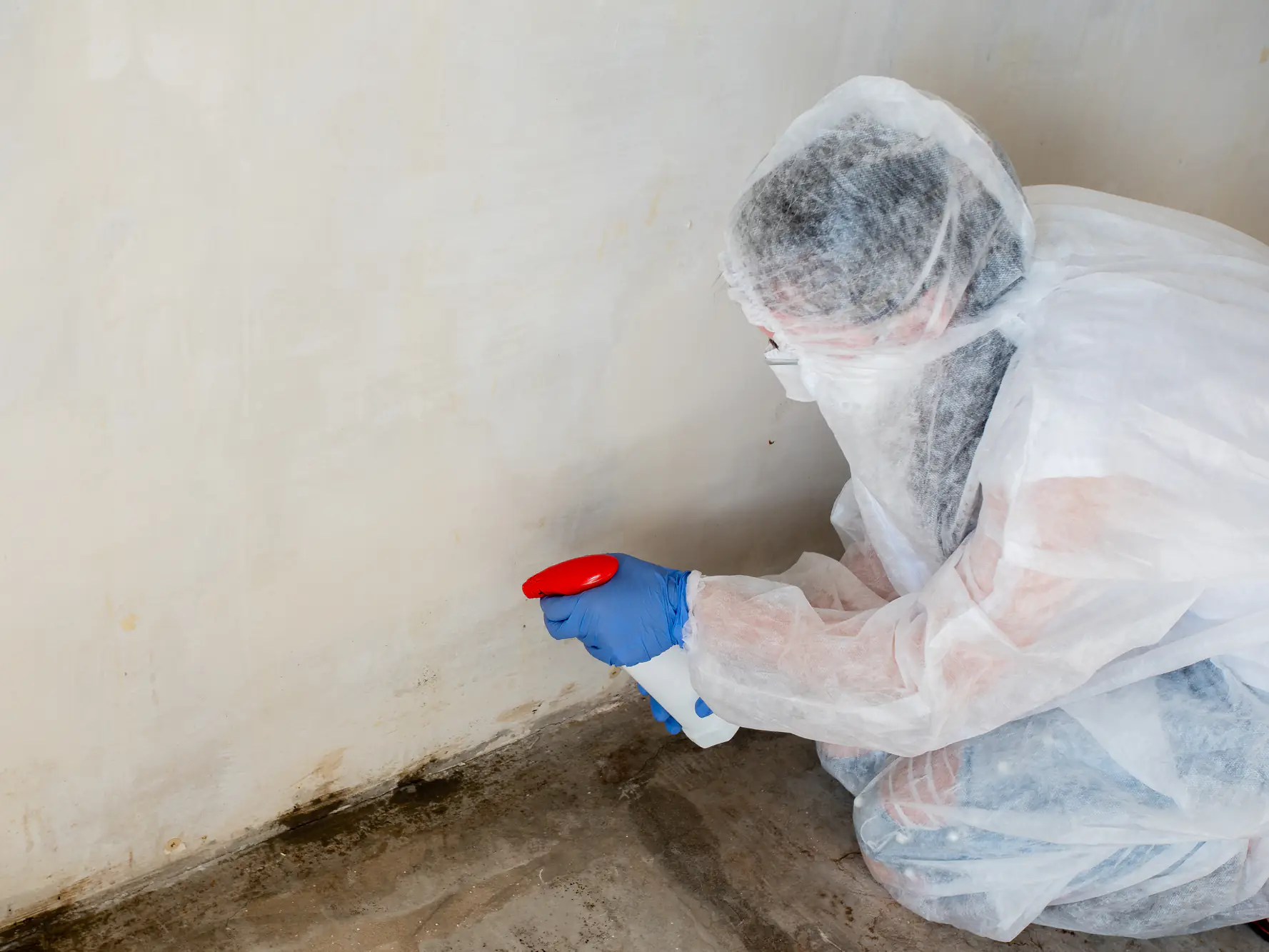
Hear from Our Customers
You stop worrying every time your kid coughs. That’s the real outcome here.
Mold doesn’t just sit on your bathroom tile looking ugly. It grows behind walls, under carpet, inside HVAC systems. It spreads fast—within 24 to 48 hours if there’s standing water. And it doesn’t care if you can see it or not.
When mold gets removed the right way, you’re not just cleaning up black spots. You’re eliminating the source of respiratory issues, protecting your property value, and making sure the problem doesn’t come back next season. Homes in Cornwells Heights deal with humidity from the Delaware River, mature tree cover that traps moisture, and older construction that wasn’t built with modern ventilation. All of that creates the perfect environment for mold growth.
The outcome you’re after isn’t just a cleaner wall. It’s peace of mind. It’s knowing your air is safe, your investment is protected, and you can stop Googling symptoms at 2 a.m.
We work exclusively in Bucks County because we know what causes mold here. We’ve seen the basements in Cornwells Heights that flood every spring. We know which neighborhoods have older homes with poor attic ventilation and which ones sit in low-lying areas near the river.
We’re not a national franchise following a script. We’re mold removal specialists who show up, assess the damage honestly, and tell you what needs to happen. No upselling. No scare tactics.
Every job starts with a free inspection. We use EPA-approved methods, handle insurance paperwork, and make sure the work gets done right the first time. You’ll get upfront pricing before we start, and we’re available 24/7 if something urgent comes up.
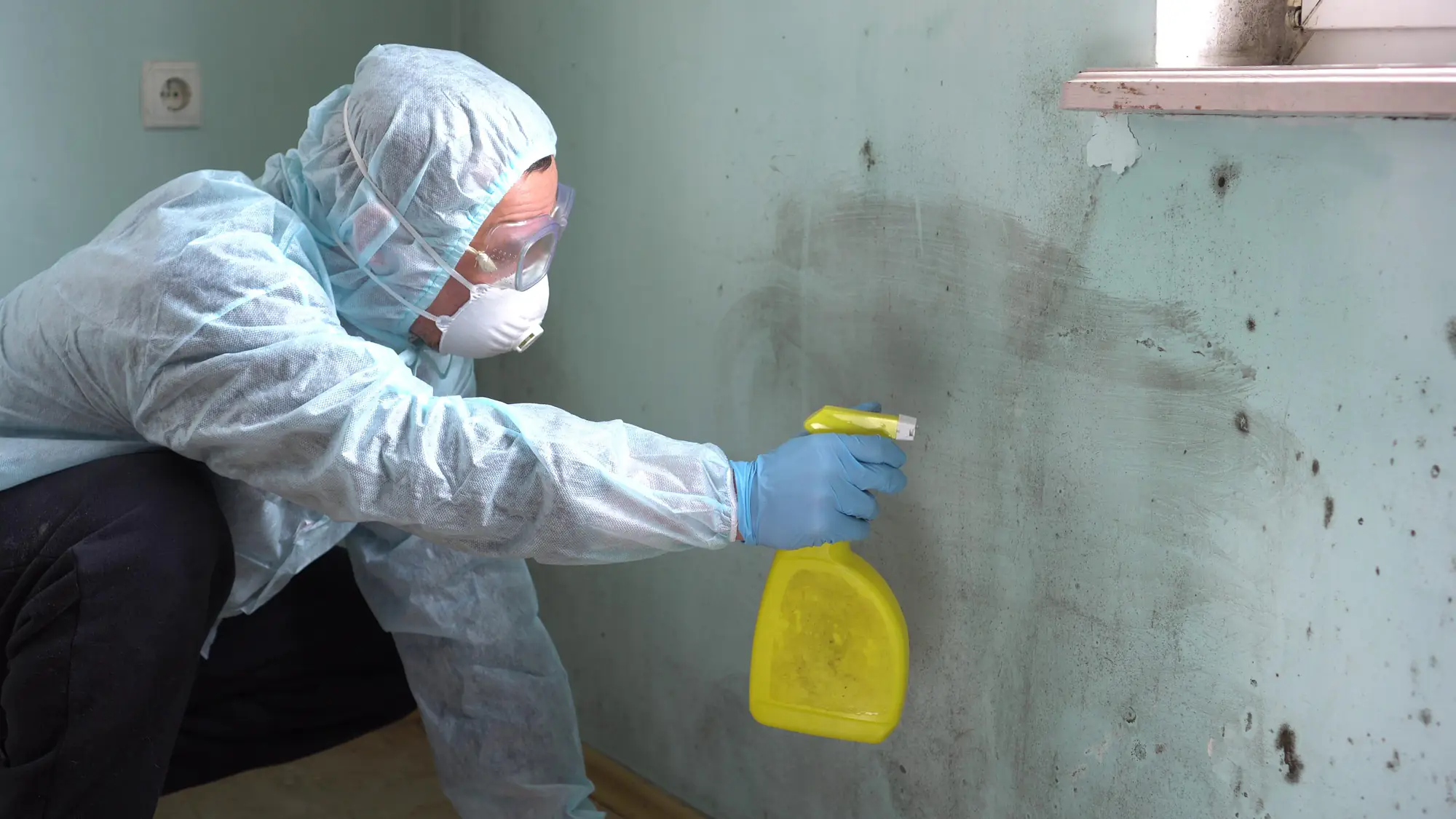
First, we inspect your property for free. That means checking obvious spots like bathrooms and basements, but also looking in places most homeowners don’t think about—wall cavities, crawl spaces, HVAC ducts. Mold hides, so we look everywhere.
Once we know what we’re dealing with, we give you a detailed estimate. No surprises. You’ll know exactly what the job costs before we touch anything.
Then we contain the area to prevent mold spores from spreading during removal. We use negative air pressure and physical barriers because disturbing mold without containment just moves the problem to another room. After containment, we remove all contaminated materials—drywall, insulation, carpet, whatever’s affected. We don’t just clean the surface and hope for the best.
Next, we treat the area with antimicrobial solutions and dry everything completely. Mold needs moisture to grow, so if the space isn’t bone dry, you’ll have the same problem in six months. Finally, we address the source—whether that’s a leaky pipe, poor ventilation, or a drainage issue outside. If we don’t fix what caused the mold, removal is just a temporary fix.
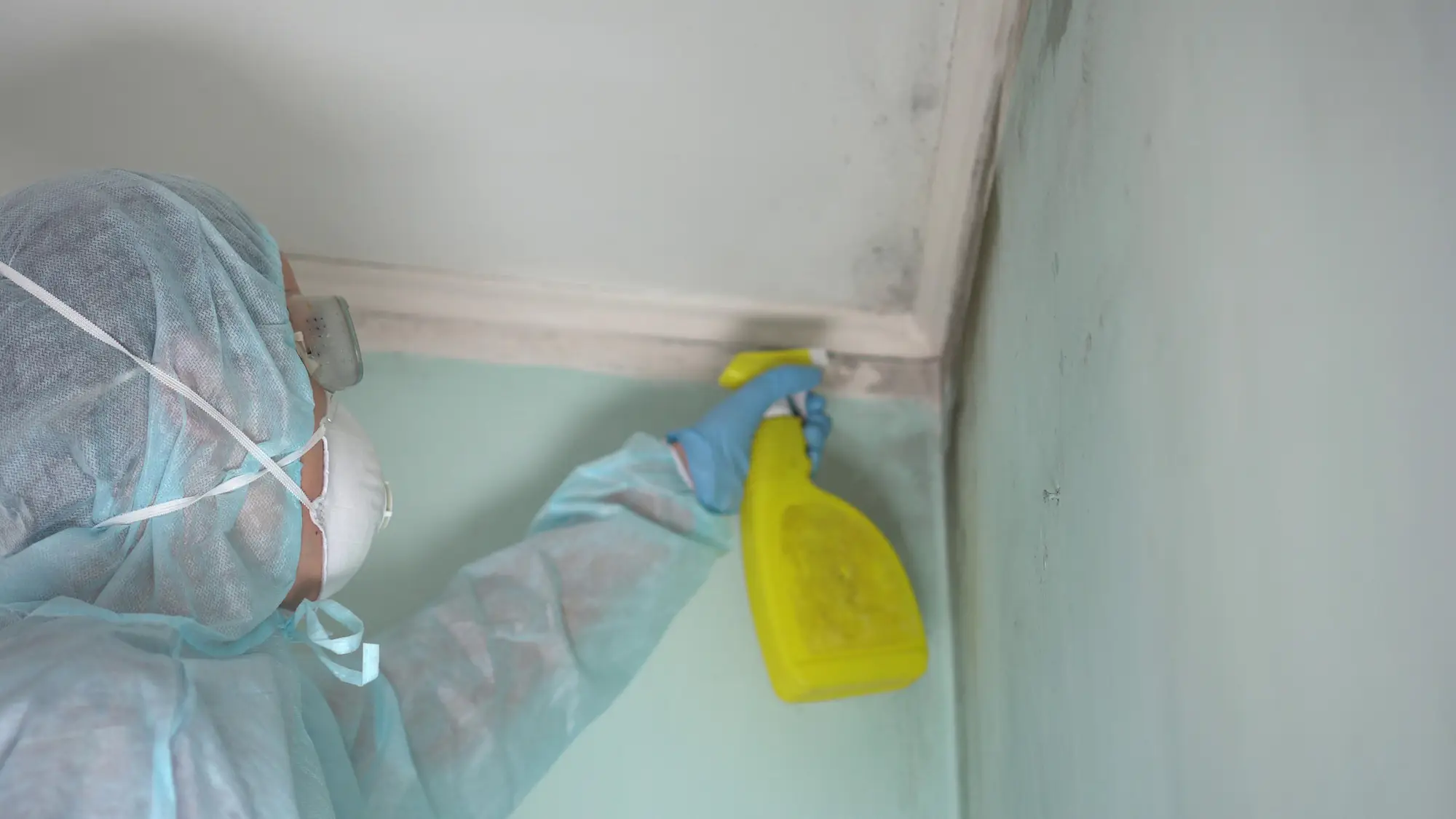
Ready to get started?
You get a thorough inspection of your entire property, not just the room where you saw mold. About 40% of homes in America have some kind of mold problem, and most of it’s hidden. We check attics, basements, behind appliances, inside walls—anywhere moisture can collect.
You get containment and safe removal using equipment that meets EPA standards. We’re not spraying bleach and calling it done. We’re removing the contaminated materials, treating affected areas, and making sure spores don’t spread to clean areas of your home.
You get help with insurance claims. Mold damage is one of the most common deal-breakers in Bucks County real estate, and it can tank your property value if it’s not documented and handled correctly. We work with your insurance company to make the process easier.
And you get the source problem fixed. In Cornwells Heights, that often means dealing with basement moisture from seasonal flooding, condensation in shaded attics, or humidity that gets trapped because of all the mature trees in the area. Southeastern PA has a specific mix of conditions—hot, humid summers and homes that don’t always have great airflow. We know what to look for and how to prevent mold from coming back.

You might see it—black or green spots on walls, ceilings, or grout. You might smell it—that musty, damp odor that doesn’t go away even after you clean. Or you might feel it—persistent coughing, stuffy nose, or respiratory issues that get worse when you’re home.
But mold doesn’t always announce itself. It grows behind walls, under flooring, in HVAC systems. If you’ve had any water damage in the past year—leaky pipes, roof leaks, basement flooding—there’s a good chance mold is growing somewhere you can’t see.
The only way to know for sure is to get a professional inspection. We check hidden areas and use moisture meters to find problem spots. If you’re in Cornwells Heights and your home was built before 1990, or if you’re in a low-lying area near the Delaware River, you’re at higher risk. A free inspection takes the guesswork out.
You can try, but it’s risky and usually ineffective. Mold removal isn’t about scrubbing visible spots with bleach. That might make it look better temporarily, but it doesn’t kill mold that’s grown into porous materials like drywall or wood.
When you disturb mold without proper containment, you release thousands of spores into the air. Those spores land in other parts of your home and start new colonies. If you’re dealing with black mold, exposure during DIY removal can cause serious respiratory problems, especially for kids or anyone with asthma.
Professional mold remediation means containment, safe removal of contaminated materials, treatment with antimicrobial solutions, and fixing the moisture source. Mold grows back if the underlying problem isn’t addressed. In Bucks County, that usually means dealing with humidity, ventilation issues, or water intrusion. A mold removal specialist has the equipment and training to do it right the first time.
Mold can start growing within 24 to 48 hours after water exposure. That’s not a lot of time.
If you’ve had a pipe burst, a roof leak, or basement flooding, the clock starts immediately. Standing water creates the perfect environment—moisture, warmth, and organic material for mold to feed on. Within two days, you’ll start seeing visible growth. Within a week, it can spread to other areas of your home.
This is why emergency response matters. The faster you dry out the affected area and remove contaminated materials, the less damage you’ll deal with. We’re available 24/7 because waiting until Monday morning to call someone can turn a small problem into a major remediation job. If you’re in Cornwells Heights and you’ve had recent water damage, don’t wait to see if mold appears. Get an inspection now.
Removing mold means removing the materials it’s growing on. If mold has penetrated drywall, insulation, or carpet, those materials have to come out. There’s no way around it.
But that’s not damage—that’s necessary removal. Leaving contaminated materials in place means the mold stays active, continues to spread, and keeps releasing spores into your air. The real damage happens when mold is left untreated. It weakens structural materials, ruins finishes, and creates health problems.
After we remove contaminated materials, we handle the restoration. That means replacing drywall, repainting, reinstalling flooring—whatever’s needed to return your home to its original condition. You’re not left with a gutted room and a bill. We take the job from start to finish. And because we address the moisture source, you won’t be dealing with the same problem again next year.
It depends on what caused the mold. If mold grew because of a sudden, accidental event—like a burst pipe or storm damage—most homeowners insurance policies will cover remediation. If mold grew because of long-term neglect or lack of maintenance, they probably won’t.
Insurance companies want to see that you acted quickly after water damage occurred. If you had a leak six months ago and didn’t fix it, they’ll argue the mold problem is your fault. But if you’re calling within days or weeks of discovering the issue, you’ve got a much better chance of coverage.
We work with insurance companies regularly. We document everything, provide detailed estimates, and communicate directly with adjusters to make the claims process easier. If you’re not sure whether your policy covers mold removal, we can help you figure that out during the inspection. Don’t assume you’re not covered and skip the call—get the facts first.
You have to eliminate the moisture source. Mold needs water to grow. If your home stays dry, mold can’t survive.
That means fixing leaks as soon as they happen—roof leaks, plumbing leaks, foundation cracks. It means improving ventilation in bathrooms, kitchens, and attics. It means using dehumidifiers in basements, especially during humid Bucks County summers. And it means making sure gutters and downspouts direct water away from your foundation, not toward it.
In Cornwells Heights, prevention also means dealing with the local climate. Homes here are often shaded by mature trees, which keeps things cooler but also traps moisture. Attics can get hot and damp, creating perfect conditions for mold. Regular inspections help catch problems before they turn into full-blown infestations. We don’t just remove mold and walk away. We identify what caused it and make recommendations so it doesn’t happen again.
Other Services we provide in Cornwells Heights