
Hear from Our Customers
You’re not wondering if the mold is still there. You’re not dealing with that musty smell every time you walk into the basement. And you’re not worried about what’s growing behind the walls where you can’t see it.
The air feels cleaner. Your family isn’t dealing with unexplained allergies or respiratory issues that seem worse at home. If you’re planning to sell, you’ve got documentation showing the work was done right—so buyers and inspectors don’t kill the deal over mold concerns.
Most importantly, the problem doesn’t come back next spring when the humidity kicks in. That’s because we don’t just clean what’s visible. We use moisture meters and thermal imaging to find the water source feeding the mold, then we eliminate it. Without that step, you’re just buying time until it grows back.
We’ve been helping Bucks County homeowners deal with mold since 1997. We’ve seen what happens to homes near the Delaware River during humid summers. We know how basements in Tullytown’s older housing stock—especially those 1950s through 1970s builds—handle Pennsylvania’s wet seasons.
That local knowledge matters. Tullytown’s humid subtropical climate creates conditions where mold spreads fast, especially after heavy thunderstorms or during those muggy stretches where the heat index climbs above 108°F. Homes near Wickus Sippus Creek deal with extra moisture challenges, and older construction methods weren’t designed with the kind of moisture control we know works today.
We’re not the cheapest option, and that’s intentional. You’re paying for someone who finds the actual problem, uses EPA-approved methods to fix it, and gives you documentation you can use if you ever sell.
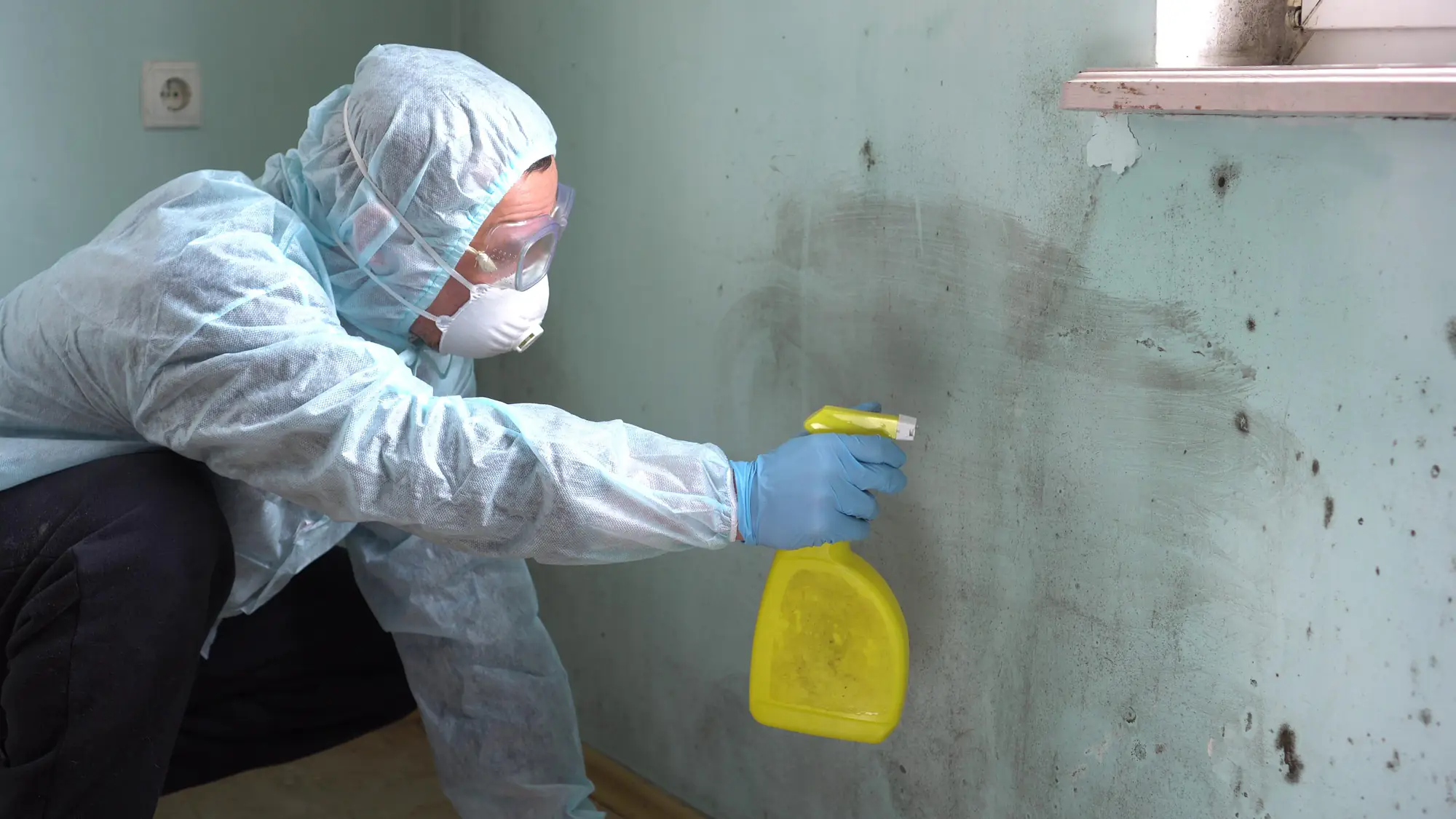
We start with a free inspection. That means coming to your home, looking at the visible mold, and using moisture meters and infrared cameras to find what you can’t see—hidden water sources, damp areas behind walls, moisture in crawl spaces or attics.
Once we know what we’re dealing with, we give you a detailed estimate. Most residential jobs in Tullytown run between $1,500 and $4,000, depending on the size and severity. If insurance is involved, we help with the paperwork.
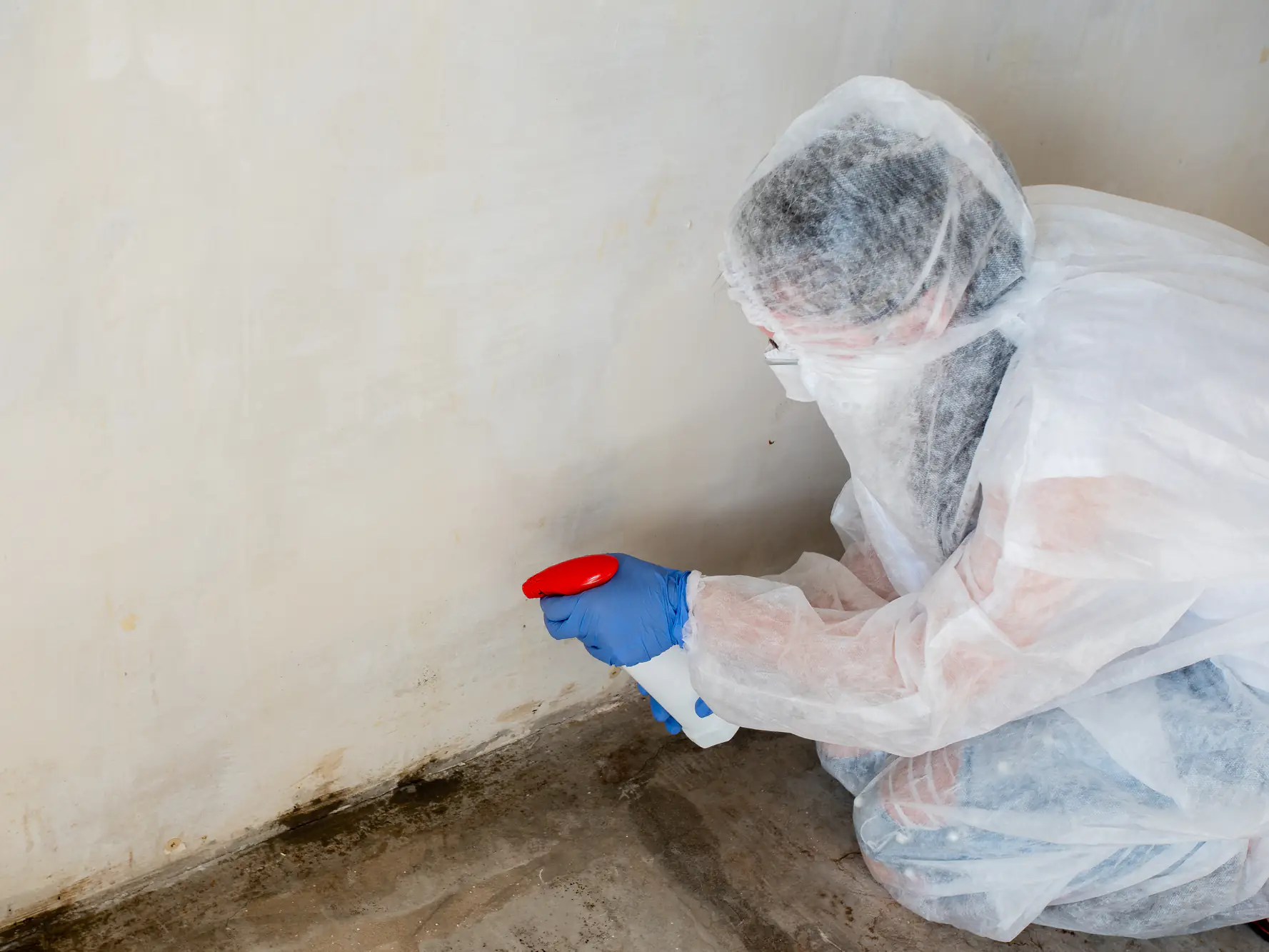
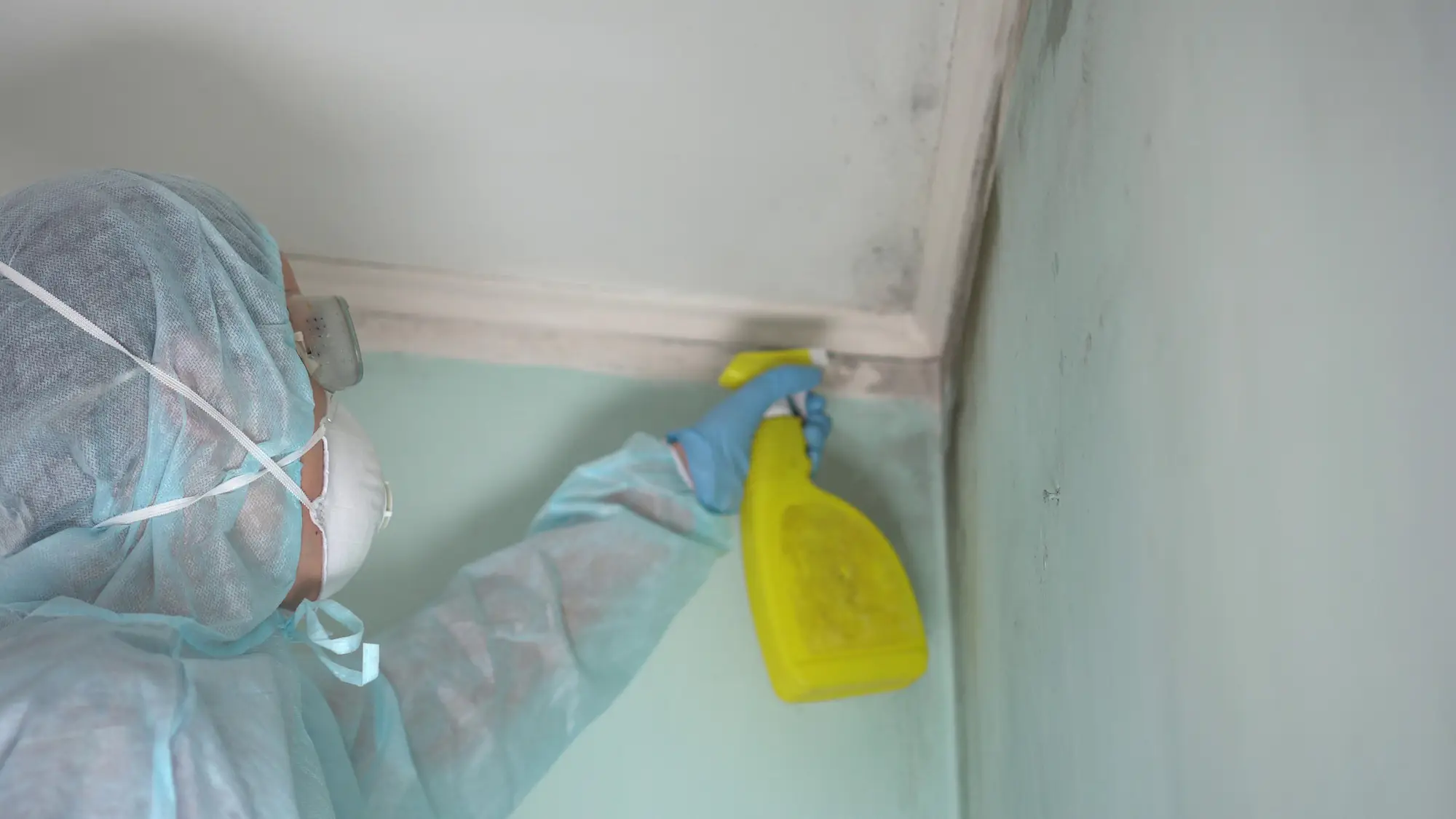
During remediation, we contain the affected area so mold spores don’t spread to clean parts of your home. We remove contaminated materials, treat surfaces with EPA-approved antimicrobials, and address the moisture source—whether that’s a leaky pipe, poor ventilation, or water seeping through your foundation. Then we verify the work with post-cleanup testing, so you know the air quality is back to safe levels.
You get documentation showing exactly what was done. That’s useful for your records, for future buyers, and for your own peace of mind.
Ready to get started?
Every job includes the initial inspection at no charge. We’re looking for visible mold, testing air quality, checking moisture levels, and identifying where water is getting in. In Tullytown, that often means basement moisture from groundwater, attic condensation from temperature swings, or bathroom mold from inadequate ventilation.
The remediation itself covers containment, removal of affected materials, HEPA filtration to clean the air, antimicrobial treatment, and fixing the moisture problem. We’re not just scrubbing surfaces. We’re pulling out wet drywall if needed, replacing insulation that’s been compromised, sealing foundation cracks, improving ventilation—whatever it takes to eliminate the conditions that let mold grow.
After the work is done, we run verification testing to confirm mold levels are back to normal and the air is safe. You get a full report documenting the process. If you’re selling your home, that report can protect your property value—studies show visible mold can cut resale prices by 20% to 37%. Professional remediation with proper documentation actually restores and protects your home’s value.
We also handle insurance claims when applicable, so you’re not navigating that process alone.

If you’re seeing visible mold—black spots on walls, green or white patches in corners, discoloration on ceilings—that’s a mold problem. But mold often hides where you can’t see it, and that’s where things get tricky.
Pay attention to smell. A persistent musty odor, especially in basements, bathrooms, or crawl spaces, usually means mold is growing somewhere even if you can’t spot it. Also watch for health symptoms that get worse at home—stuffy nose, sore throat, coughing, itchy eyes, skin rashes. If those symptoms improve when you leave the house, mold exposure could be the cause.
Water damage is another red flag. If you’ve had a leak, flooding, or even just chronic condensation, mold is likely growing within 24 to 48 hours. In Tullytown’s humid climate, especially during summer, moisture control is critical. Homes built in the ’50s through ’70s often lack modern vapor barriers and ventilation, which makes them more vulnerable. A professional inspection with moisture meters and air quality testing will tell you for sure what you’re dealing with.
Surface cleaning might handle small, isolated spots—like a little mildew on a bathroom tile. But if mold has spread behind walls, into insulation, under flooring, or throughout a basement, DIY cleaning won’t fix it. You’re just addressing what’s visible while the real problem keeps growing.
Professional mold remediation means finding and eliminating the moisture source. Without that step, mold comes back. We use thermal imaging and moisture meters to locate hidden water intrusion, then we contain the area during removal so spores don’t spread to clean parts of your home. We pull out compromised materials, treat affected areas with EPA-approved antimicrobials, and verify air quality after the work is done.
There’s also a safety factor. Disturbing mold releases spores into the air, and if you’re dealing with black mold or large infestations, exposure can cause serious respiratory issues. We use HEPA filtration, protective equipment, and proper containment to keep you and your family safe. Plus, if you’re planning to sell your home or file an insurance claim, you’ll need documentation from a licensed mold removal company showing the work was done correctly.
Most residential jobs take between two and five days, depending on the extent of the problem. A small bathroom mold issue might be done in a day or two. A basement with widespread contamination, water damage, and structural concerns could take a week or more.
The timeline depends on a few factors: how much mold is present, where it’s located, what materials need to be removed, and how extensive the moisture problem is. If we’re dealing with a leaky foundation or poor drainage around your home—common issues in older Tullytown properties—fixing the source takes additional time.
We’ll give you a clear timeline during the estimate so you know what to expect. The work itself involves containment setup, removal and disposal of contaminated materials, treatment and cleaning, drying out the affected area, and post-remediation testing. Rushing through any of those steps means the problem comes back, so we take the time to do it right. You’ll have access to other parts of your home during the process—we contain the work area to minimize disruption.
It depends on what caused the mold. If mold resulted from a sudden, accidental event—like a burst pipe, appliance malfunction, or storm damage—most homeowner’s policies will cover remediation. If mold developed because of long-term neglect, poor maintenance, or chronic moisture issues you didn’t address, insurance typically won’t pay.
The key is acting fast. Insurance companies expect you to mitigate damage quickly after water intrusion. If you wait weeks or months and mold spreads, they may deny the claim. Document everything—take photos, keep records of when the problem started, and get a professional inspection as soon as possible.
We work with insurance companies regularly and can help you navigate the claims process. That includes providing detailed estimates, documentation of the damage, and proof that the work meets industry standards. Some policies have specific mold coverage limits—often between $1,000 and $10,000—so it’s worth reviewing your policy or calling your agent to understand what’s covered. Even if insurance doesn’t cover the full cost, getting the problem fixed now prevents bigger expenses down the road, like structural damage or major health issues.
Because the moisture source is still there. Mold needs three things to grow: moisture, organic material (like wood or drywall), and warm temperatures. Tullytown’s humid subtropical climate already provides warmth and humidity, especially in summer. Your basement has plenty of organic materials. If water keeps getting in, mold keeps coming back.
Common moisture sources in Bucks County basements include foundation cracks that let groundwater seep in, poor exterior drainage that directs water toward your foundation, condensation from temperature differences between cool basements and warm humid air, and plumbing leaks. Older homes in Tullytown—especially those built in the ’50s through ’70s—often lack proper waterproofing and vapor barriers.
Cleaning visible mold without fixing the moisture problem is like mopping the floor while the faucet is still running. We use moisture meters to measure humidity levels and thermal imaging to find hidden water intrusion. Then we address the root cause—whether that means sealing foundation cracks, installing a sump pump, improving ventilation, fixing grading issues around your home, or repairing leaks. Once the moisture is controlled, mold doesn’t have what it needs to grow back.
Mold exposure affects people differently, but the most common symptoms are respiratory—stuffy nose, coughing, wheezing, sore throat, and sinus congestion. If you have asthma, mold can trigger attacks or make symptoms significantly worse. About 4.6 million asthma cases in the U.S. are linked to mold and dampness in homes.
Some people are more vulnerable. Young children, elderly individuals, and anyone with a compromised immune system face higher risks, including lung infections. Up to 25% of the population has a genetic predisposition that makes them more susceptible to mold illness, meaning their bodies react more severely to exposure.
Beyond respiratory issues, mold can cause skin rashes, burning eyes, headaches, and fatigue. The longer you’re exposed, the worse symptoms tend to get. Black mold—technically called Stachybotrys chartarum—produces mycotoxins that can cause more serious health problems, especially with prolonged exposure in poorly ventilated spaces like basements and crawl spaces.
If you’re noticing health symptoms that improve when you leave the house, that’s a strong indicator mold is affecting your indoor air quality. Professional remediation eliminates the source and restores safe air quality. We verify that with post-cleanup testing, so you’re not guessing whether your home is safe.
Other Services we provide in Tullytown