
Hear from Our Customers
You stop worrying every time someone coughs. The air smells clean again, not musty or damp. Your kids can play in the basement without you second-guessing it.
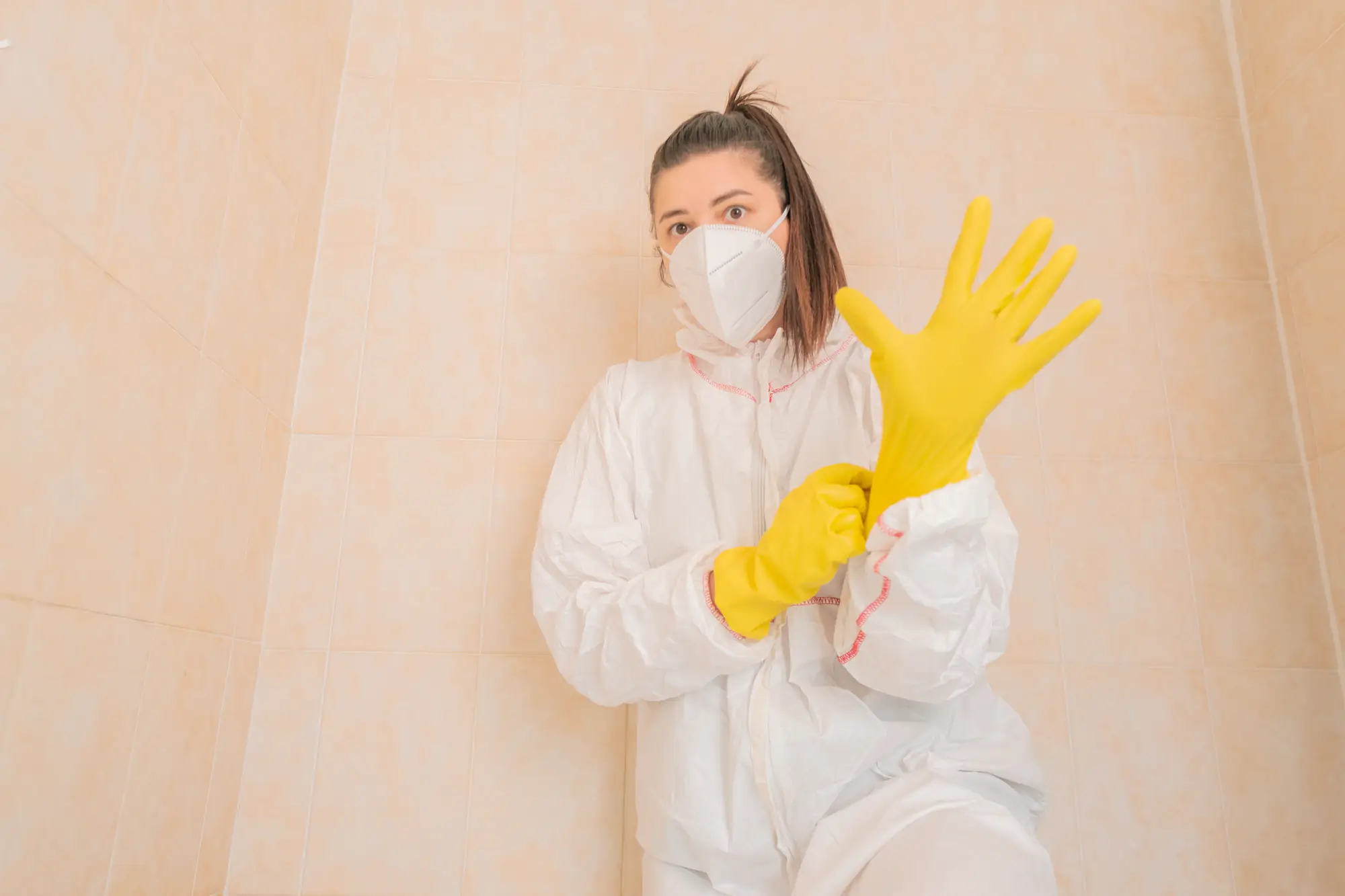
That’s what complete mold remediation looks like. Not a quick wipe-down that buys you three months. Not a surface fix that leaves spores in your HVAC system or behind your drywall.
When mold is handled right, you get your space back. No more wondering if that dark spot is spreading. No more calculating what this is doing to your resale value. Just a home that feels safe again, with air quality you can actually trust.
We’ve been handling mold problems in Bucks County for over 50 years. We’re IICRC-certified, which means our team follows the actual protocols that work—not shortcuts that look good for a few weeks.
Bath Addition homes built between the ’70s and ’90s have their quirks. Older construction methods, proximity to the Delaware River, and Pennsylvania’s humidity swings create the perfect conditions for hidden mold growth. We’ve seen it all, and we know where to look.
You’re not getting a national franchise with a local sticker. You’re working with people who live here, who understand what basements in this area deal with, and who’ll be around if something needs attention down the road.
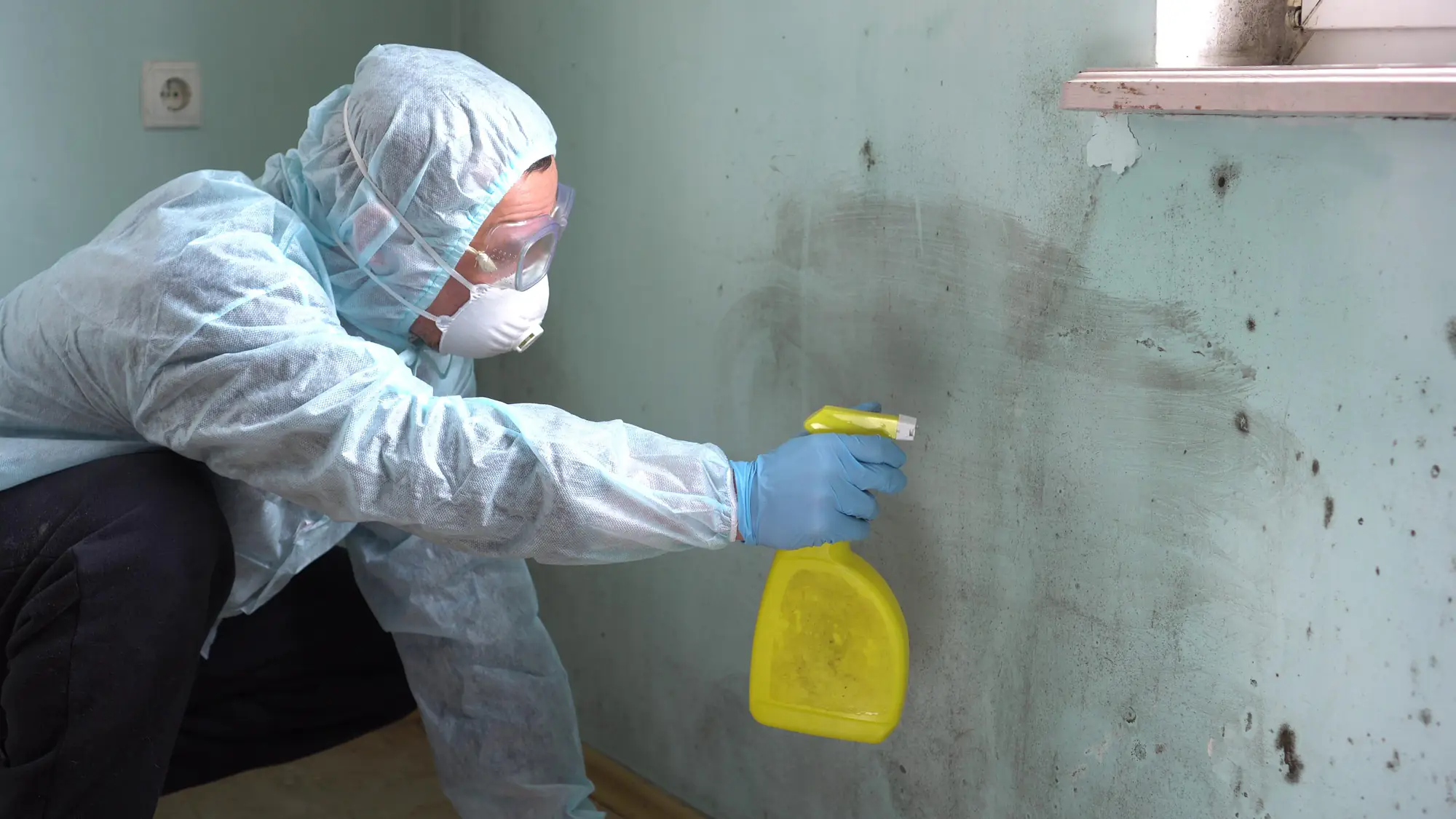
First, we inspect. Not just the visible mold—we’re looking for moisture sources, hidden growth in wall cavities, and airborne spore levels using Instascope technology. You get a clear picture of what you’re dealing with before any work starts.
Next, containment. We isolate the affected area so spores don’t spread to clean parts of your home during removal. Then comes remediation using EPA-registered dry fogging—no demolition unless structural damage requires it. This isn’t about tearing out drywall for the sake of it.
After removal, we address the moisture problem. Leaky pipes, poor ventilation, humidity issues—whatever caused it gets fixed, or it’ll come back. Finally, air scrubbers and post-remediation testing confirm the job’s done right. You get documentation, not just our word.
Ready to get started?
You get a free inspection with real-time air quality analysis. No guessing, no upselling—just data on what’s actually happening in your home. From there, transparent pricing before work begins. Most projects in Bath Addition run between $1,200 and $3,400 depending on severity and square footage.
The remediation itself covers containment, removal, moisture correction, and verification testing. We also work directly with insurance companies if your policy covers mold damage from covered events like burst pipes. That’s one less headache for you.
Bath Addition’s older housing stock means we often find mold in basements, crawl spaces, and attics where ventilation hasn’t kept up with modern standards. We handle those spaces differently than newer construction because the materials and moisture patterns are different. Local knowledge matters when you’re trying to prevent recurrence.

Mold starts forming within 24 to 48 hours after water exposure. That’s not a lot of time, especially if you’re dealing with a burst pipe, roof leak, or flooding from spring rains.
If materials stay wet longer than two days, you’re almost guaranteed to have mold growth. It doesn’t need much—just moisture, oxygen, and an organic surface like drywall, wood, or carpet padding.
The faster you dry things out, the better your chances of avoiding a full remediation. But if it’s been more than 48 hours, or if you’re seeing visible growth or smelling that musty odor, you’re past the prevention stage. That’s when you need professionals with containment equipment and proper removal protocols, not fans and hope.
It depends on what caused the mold. Most Pennsylvania homeowners policies cover mold remediation if it resulted from a covered event—like a burst pipe, sudden appliance leak, or storm damage. They typically won’t cover it if the mold grew because of long-term neglect or lack of maintenance.
Flood-related mold is usually excluded unless you have a separate flood insurance rider. That’s important in Bath Addition given our proximity to the Delaware River and occasional heavy spring rains.
The key is documenting everything and acting fast. Insurance companies want to see that you addressed the water problem quickly and didn’t let it sit. We work directly with insurers to help navigate claims, provide documentation, and explain what’s covered. Don’t assume you’re not covered—let us help you find out.
If it’s truly small—less than 10 square feet, surface-level only, and you know exactly what caused the moisture—you might be able to handle it with proper safety gear and EPA-approved cleaners. But here’s the problem: what you see is rarely the whole story.
Mold grows in wall cavities, under flooring, and inside HVAC ducts. Disturbing visible mold without containment spreads spores to clean areas of your home. And if you don’t fix the moisture source, it comes right back.
Most mold situations in Bath Addition’s older homes involve hidden growth and structural moisture issues that need professional detection equipment and remediation protocols. DIY removal often creates bigger problems than it solves. If you’re seeing black mold, smelling persistent mustiness, or dealing with anything larger than a small bathroom corner, call someone who can assess it properly before you make it worse.
Most projects in Bath Addition run between $1,200 and $3,400, with the average around $2,200. Small, contained issues might cost $500 to $1,500. Extensive problems involving multiple rooms or structural damage can reach $5,000 or more.
The variables are square footage, severity of growth, location (attics and crawl spaces cost more to access), and whether moisture correction requires additional work like plumbing repairs or ventilation improvements.
You’ll get a detailed estimate after the inspection, before any work starts. No surprises, no padding. We’re not the cheapest option in Bucks County, and that’s intentional. You’re paying for complete remediation that addresses root causes, not surface cleaning that buys you a few months. Cheaper usually means corners cut—and with mold, that means it comes back.
Mold exposure causes respiratory issues—coughing, wheezing, throat irritation, and nasal congestion. If anyone in your home has asthma, mold makes it significantly worse. Studies show removing mold can reduce asthma symptoms by 25% to 45%.
Beyond respiratory problems, mold triggers eye irritation, skin rashes, and headaches. About 28% of people are genetically more susceptible to mold-related health issues, meaning they react more severely than others. Black mold produces mycotoxins that can cause serious immune system stress with prolonged exposure.
The tricky part is that symptoms often mimic allergies or colds, so people don’t connect them to their home environment. If symptoms improve when you leave the house and return when you’re home, that’s a red flag. Mold contributes to 4.6 million asthma cases annually in the U.S.—it’s not something to ignore while you “see if it gets better.”
Control moisture. That’s it. Mold needs water to grow, so if you eliminate moisture sources, you eliminate future growth.
Fix leaks immediately—pipes, roofs, windows, anywhere water gets in. Use dehumidifiers in basements and crawl spaces, especially during humid Pennsylvania summers. Make sure bathrooms and kitchens have proper ventilation that actually vents outside, not into attics. Clean gutters so water doesn’t pool near your foundation.
In Bath Addition’s older homes, you might need to upgrade ventilation systems or add vapor barriers in crawl spaces. We identify those issues during remediation and recommend specific fixes for your property. Post-remediation, keep indoor humidity below 50%, address any new water problems within 24 hours, and have your HVAC system inspected annually. Mold prevention isn’t complicated—it just requires staying on top of moisture before it becomes a problem.
Other Services we provide in Bath Addition