

Hear from Our Customers
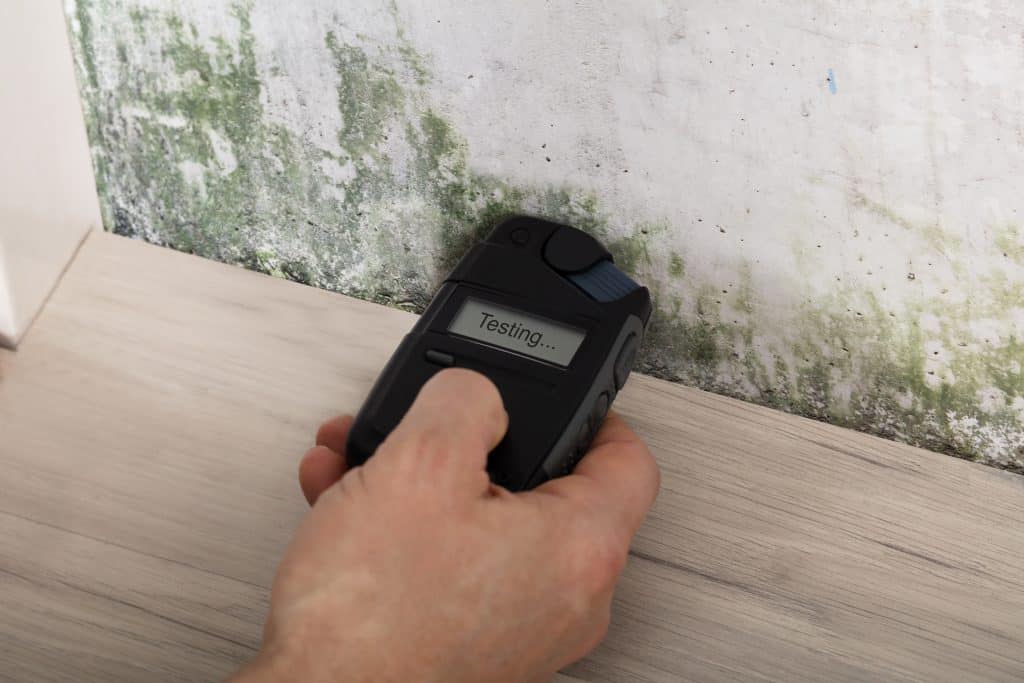
You stop worrying every time your kid coughs. The musty smell in the basement finally disappears. Your home feels safe again, not like a ticking clock you’re hoping doesn’t go off before you sell.
Mold isn’t just ugly. It’s linked to respiratory problems, allergy flare-ups, and even asthma in kids who are exposed long-term. Nearly half of homes in Pennsylvania show visible mold or that damp, unmistakable odor. If you’re in Bath Addition, you’re dealing with the same humidity and moisture issues that make mold a recurring nightmare for homeowners across Bucks County.
When we remove mold, we’re not masking the problem. We’re pulling it out at the root, treating the surfaces properly, and making sure the conditions that let it grow in the first place don’t come back. That means you’re not calling someone again in six months because it showed up in a different corner.
We work with homeowners in Bath Addition and throughout Bucks County who are tired of getting the runaround. We’re not a national franchise reading from a script. We’re local, we know the basements in this area flood, and we know how quickly mold takes over when a pipe leaks behind a finished wall.
We use EPA-approved methods because cutting corners doesn’t just risk your health—it risks the job coming undone. Our team is certified, experienced, and focused on doing it right the first time. We’ve worked in homes where someone else “cleaned” the mold with bleach and called it a day. That’s not remediation—that’s a Band-Aid that falls off.
You’ll get a free inspection, a clear explanation of what’s happening, and an honest price before we start. No surprises, no upselling, no pressure.

First, we inspect your property—not just the spots you can see, but the places mold hides. Attics, crawl spaces, behind drywall, under flooring. We’re looking for moisture sources, ventilation problems, and any sign that this has been going on longer than you think.
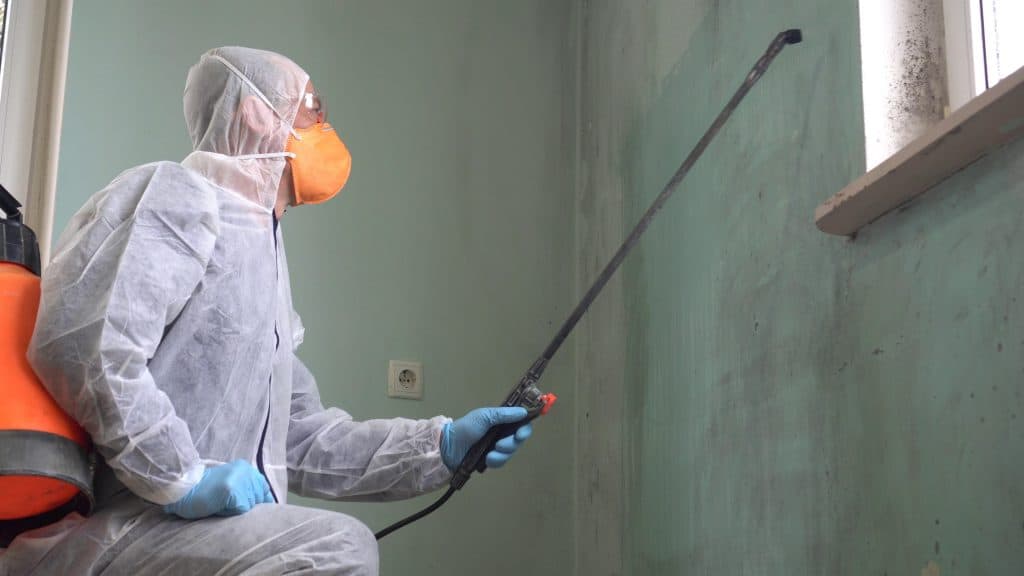
Once we know what we’re dealing with, we contain the area to keep spores from spreading during removal. Then we remove the contaminated materials safely, treat affected surfaces with antimicrobial solutions, and clean the air using HEPA filtration. This isn’t a spray-and-pray situation.
After the mold is gone, we address what caused it. Leaky pipes, poor ventilation, foundation cracks—whatever let moisture in needs to be fixed, or you’ll be right back where you started. We can handle the repairs ourselves or work with your contractor. Either way, we make sure the environment isn’t inviting mold back.
You’ll know what we’re doing at every step. We’re not the type to disappear into your basement for three days and then hand you a bill.
Ready to get started?
Every mold removal job starts with a free inspection. We’ll assess the extent of the growth, test if needed, and give you a detailed estimate before any work begins. No hidden fees, no vague line items.
Our mold cleaning services cover the full scope: containment, removal, treatment, air filtration, and source repair. If your bathroom has mold because the exhaust fan doesn’t work, we’ll remove the mold and fix the ventilation. If your basement flooded and now there’s growth along the baseboards, we’ll pull out the damaged material, dry everything properly, and treat the space so it doesn’t come back.
Bath Addition sits in an area where basements stay damp and attics trap moisture in the summer. We see black mold in crawl spaces, mildew in bathrooms that won’t quit, and hidden growth behind walls that only shows up when someone finally notices the smell. These aren’t rare problems here—they’re common, and they need a mold specialist who knows how to handle them correctly.
We also work with your insurance company if your mold issue is covered. We’ll document everything, provide the paperwork they need, and communicate directly with adjusters to keep the process moving.
It depends on how much mold there is, where it’s growing, and what caused it. A small patch in a bathroom might cost a few hundred dollars to treat properly. A flooded basement with mold spreading across multiple walls and into the framing can run several thousand.
Most professional mold removal projects in Pennsylvania fall between $500 and $6,000, but severe cases can cost more if there’s structural damage or contamination in hard-to-reach areas. We give you a clear, upfront estimate after the inspection so there’s no guessing.
If your mold problem is related to a covered event like a burst pipe, your homeowner’s insurance might cover part or all of the remediation. We’ll work with your insurance company and provide documentation to support your claim.
Bleach kills surface mold on non-porous materials like tile or glass, but it doesn’t penetrate porous surfaces like drywall, wood, or insulation. That means the roots stay alive and keep growing under the surface.
Bleach also doesn’t address the moisture problem that caused the mold in the first place. If you spray it down and walk away, the mold comes back because the conditions haven’t changed. You’re also risking your health by stirring up spores without proper containment or filtration.
For small surface spots on hard materials, bleach might be fine as a temporary fix. But if you’re seeing mold on walls, ceilings, or anywhere it’s been growing for a while, you need proper remediation. That includes containment, removal of affected materials, antimicrobial treatment, and fixing the source of moisture.
Black mold—officially called Stachybotrys chartarum—is dark greenish-black, slimy or powdery, and usually grows on materials with high cellulose content like drywall, wood, or paper. It thrives in areas with consistent moisture and poor ventilation.
That said, not all black-colored mold is “black mold,” and not all dangerous mold is black. There are thousands of mold species, and many of them can cause health problems, especially for people with asthma, allergies, or weakened immune systems.
The only way to know for sure what type of mold you’re dealing with is through lab testing, which we can arrange during the inspection. But here’s the thing: whether it’s black mold or another species, it all needs to be removed properly. The health risks and the remediation process don’t change much based on the type. If there’s mold growing in your home, it needs to go.
A small, contained area like a bathroom or closet might take one to two days. A larger job involving multiple rooms, a basement, or structural repairs can take a week or more.
The timeline depends on the size of the affected area, how deep the contamination goes, and whether we need to remove materials like drywall or flooring. Drying time also plays a role—if the space was flooded or there’s still active moisture, we need to dry everything completely before we can close it back up.
We’ll give you a realistic timeline during the estimate. If something changes during the job—like finding more mold behind a wall—we’ll let you know right away and explain how it affects the schedule. We’re not going to rush through and leave the problem half-finished just to meet a deadline.
Not if we fix the source of moisture. Mold needs water to grow, so if we remove the mold but leave a leaky pipe, poor ventilation, or a crack in the foundation, it’s going to come back.
That’s why our process includes identifying and repairing what caused the problem in the first place. We’re not just cleaning surfaces—we’re making sure the environment isn’t feeding mold growth anymore. If your bathroom doesn’t have an exhaust fan, we’ll recommend installing one. If your basement floods every spring, we’ll talk about waterproofing or drainage solutions.
Once the mold is gone and the moisture issue is resolved, it shouldn’t return unless a new problem develops. We also treat surfaces with antimicrobial solutions that help prevent regrowth. But the real key is keeping things dry and well-ventilated going forward.
It depends on the size of the job and where the mold is located. For small, contained areas, you can usually stay in the home as long as we’ve sealed off the work area properly. For larger jobs involving significant contamination or multiple rooms, it’s safer to stay elsewhere, especially if you have young children, elderly family members, or anyone with respiratory issues.
We use containment barriers and negative air pressure to keep mold spores from spreading into other parts of your home during removal. HEPA air scrubbers filter the air continuously while we work. But if the affected area is large or near your main living spaces, the safest option is to stay with family or in a hotel until the work is done.
We’ll let you know during the inspection whether leaving is necessary. If it is, and your insurance covers the remediation, they may also cover temporary housing costs. We’ll help document that for your claim.
Other Services we provide in Bath Addition