
Hear from Our Customers
You can’t see radon. You can’t always smell mold. And you definitely can’t tell if your indoor air has five times more pollutants than the air outside—which, according to the EPA, is common in homes across Pennsylvania.
That’s where professional air quality testing comes in. We test your home’s air for mold spores, radon levels, volatile organic compounds, and other contaminants that build up over time. You get lab results, photos, and a full report that tells you exactly what’s in your air and where it’s coming from.
If something’s wrong, you’ll know what it is and how to fix it. If your air is clean, you’ll have peace of mind. Either way, you’re not guessing anymore.
We’ve been serving homeowners in Bath and throughout Bucks County for years. We know the local housing stock—homes built in the ’70s and earlier with basements that weren’t waterproofed, attics with poor ventilation, and plumbing that’s seen better days.
We also know Pennsylvania’s climate. High summer humidity, ice dams in winter, and older construction create perfect conditions for mold growth and indoor air problems. That’s why so many Bath residents call us when they’re dealing with musty smells, allergy symptoms that won’t quit, or concerns about what’s growing behind their walls.
We’re not a national franchise. We’re local, and we show up ready to give you straight answers.
First, we schedule a time that works for you. When we arrive, we walk through your home and talk about what you’ve noticed—symptoms, smells, visible moisture, or just a gut feeling that something’s off.
Then we start testing. We use air sampling to capture mold spores and other airborne contaminants. We check for radon, which is a serious concern in Northampton County—this area is classified as having the highest radon potential in Pennsylvania. If there’s visible mold or water damage, we take surface samples and use thermal imaging to find hidden moisture behind walls, under floors, or in your attic.
Once testing is complete, samples go to a certified lab. You get a full report with lab results, photos, and documentation of everything we found. We’ll walk you through the results and explain what they mean in plain language. If remediation is needed, we’ll give you a clear plan and upfront pricing. If your insurance is involved, we’ll help with that too.
Ready to get started?
A home air quality test from us includes air sampling for mold spores, surface testing if we see visible growth, moisture detection using thermal imaging, and radon screening. Radon is especially important in Bath—Northampton County has predicted indoor radon levels above 4 pCi/L, which is the EPA’s action level.
We also check for common issues tied to Pennsylvania’s older housing stock. About 40% of homes in this state were built before 1978, which means lead paint, asbestos, poor ventilation, and outdated plumbing are all on the table. We’re looking for the full picture, not just one problem.
You’ll receive a detailed report with lab results, photos, and our findings. If we detect mold, radon, or other air quality issues, we’ll explain where it’s coming from and what needs to happen next. If your air tests clean, you’ll have documentation to back that up. Either way, you’re not left wondering.
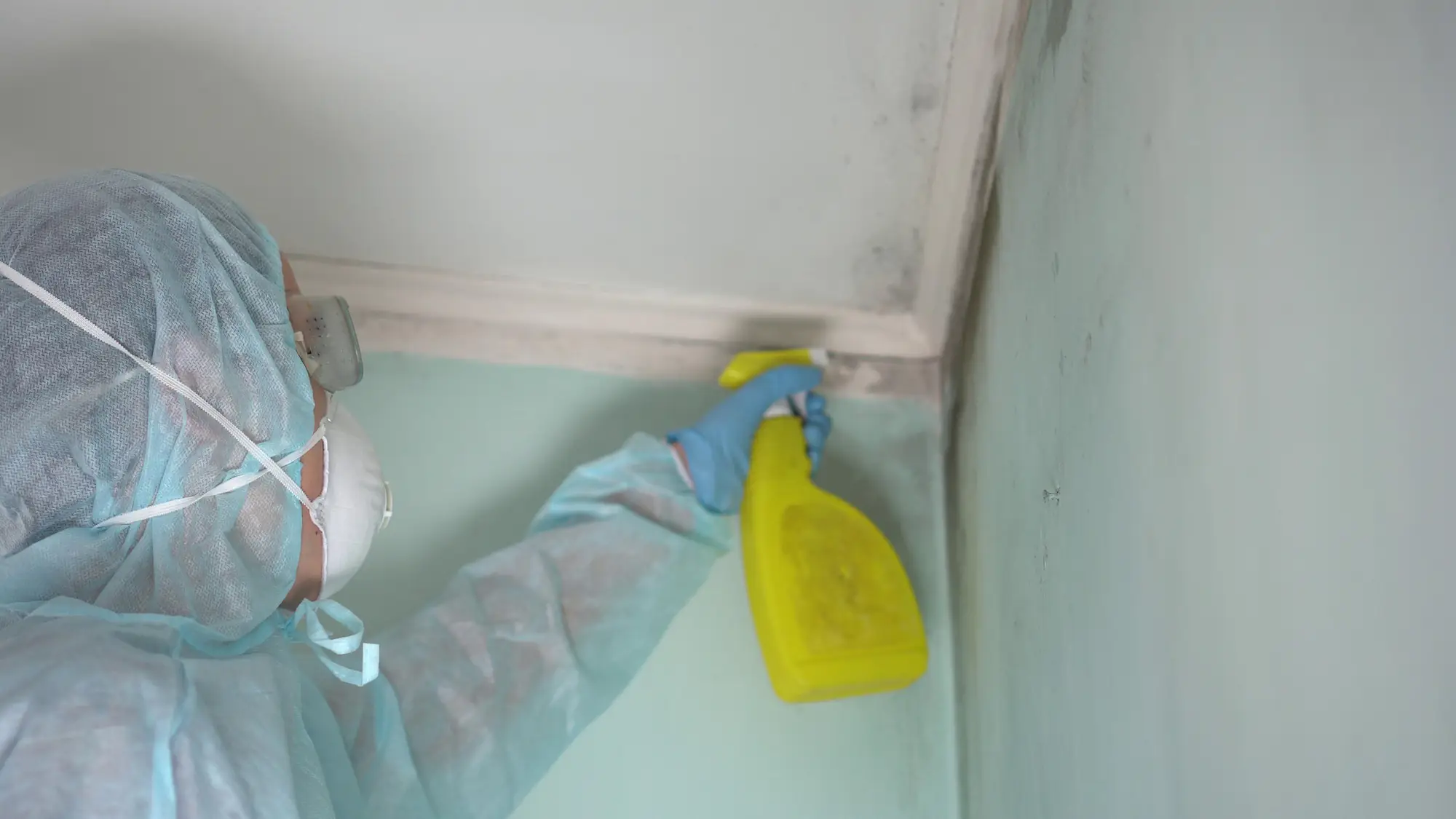
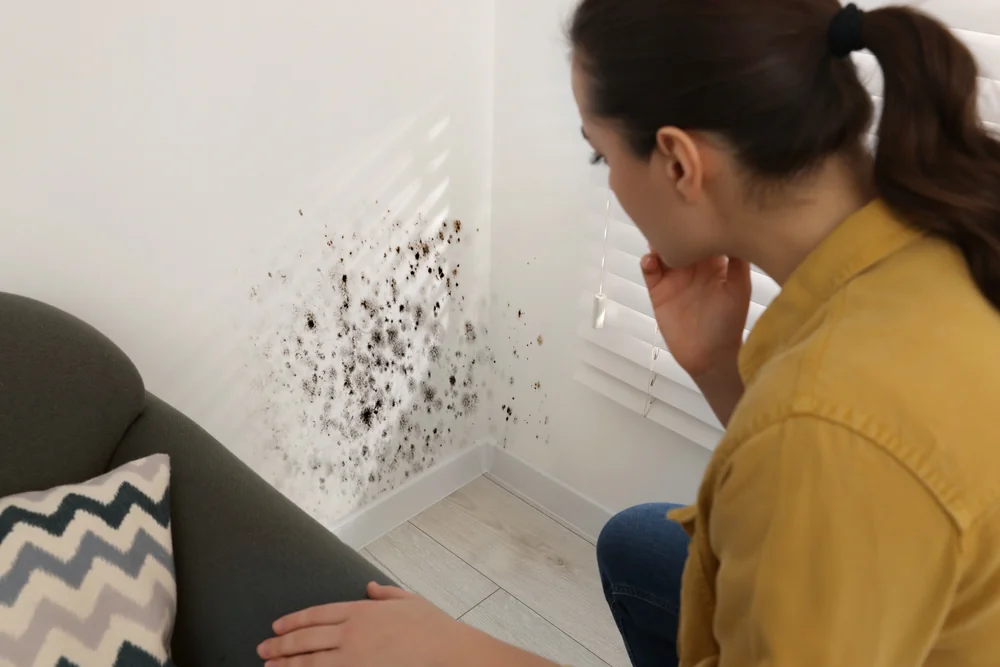
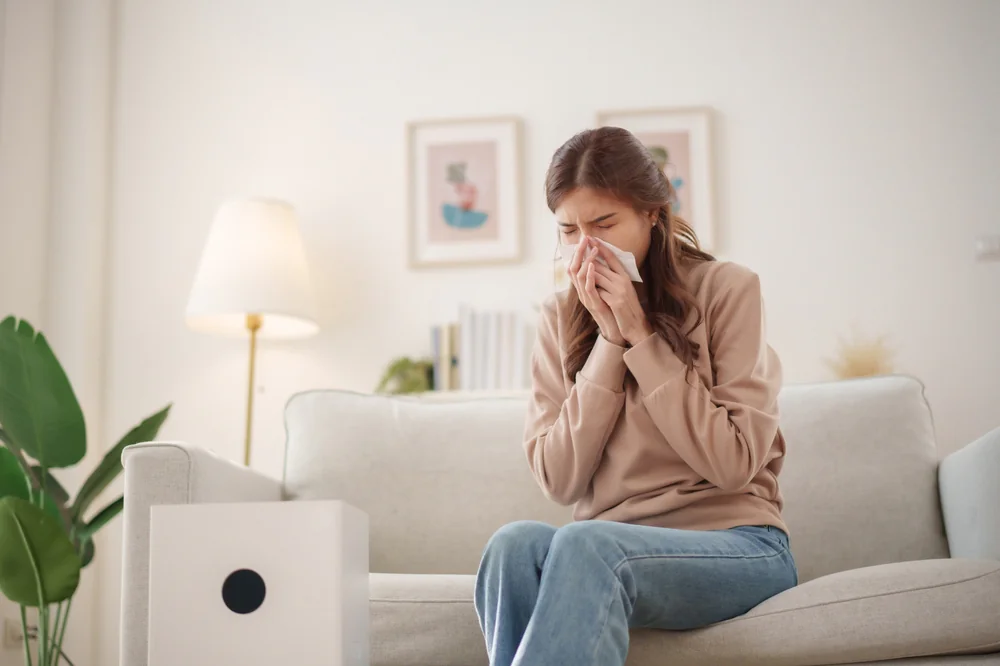
If you’re dealing with unexplained allergy symptoms, headaches, fatigue, or respiratory issues that get worse when you’re home, that’s a red flag. Same goes for musty smells, visible mold, water damage, or if you live in an older home in Bath—especially one built before 1980.
Radon is another reason to test. Northampton County has some of the highest predicted radon levels in Pennsylvania, and radon is colorless and odorless. You won’t know it’s there unless you test for it. Long-term exposure increases your risk of lung cancer, so it’s worth checking.
Even if you don’t have symptoms, testing makes sense if you’re buying a home, selling a home, or just want to know what you’re breathing. Indoor air can be up to five times more polluted than outdoor air, and most people have no idea until they test.
Air sampling captures mold spores that are floating around in your home’s air. We use a device that pulls in air and traps spores on a collection medium, which then goes to a lab for analysis. This tells us what types of mold are present and how much is in the air compared to outdoor levels.
Surface testing is used when we see visible mold or suspect growth in a specific area. We take a sample directly from the surface—like a wall, ceiling, or piece of furniture—and send it to the lab to identify the mold species. This is helpful for confirming whether what you’re seeing is actually mold and what kind it is.
We often do both. Air sampling gives us the big picture of what’s circulating through your home, while surface testing pinpoints problem areas. Together, they give you a complete understanding of your indoor air quality and where mold might be hiding.
The actual testing usually takes one to two hours, depending on the size of your home and how many areas we’re checking. We’ll walk through your house, take air samples, check for moisture with thermal imaging, and collect surface samples if needed.
Once we’re done, samples go to a certified lab. Lab results typically come back within three to five business days. As soon as we have them, we’ll reach out to schedule a time to review everything with you.
You’ll get a full report with lab results, photos, and our findings. We’ll explain what the numbers mean, where problems are coming from, and what your options are. If remediation is needed, we’ll give you a clear plan and pricing. If everything looks good, you’ll have documentation to prove it.
Radon testing is separate from mold air testing, but we can do both at the same time. Radon is a radioactive gas that comes from the natural breakdown of uranium in soil and rock. It seeps into homes through cracks in foundations, basements, and crawl spaces.
Northampton County, where Bath is located, has some of the highest radon potential in Pennsylvania. The EPA predicts average indoor radon levels above 4 pCi/L in this area, which is the action level where you should consider mitigation.
Radon testing involves placing a device in your home—usually in the lowest lived-in level—for a specific period of time. Short-term tests take two to seven days, while long-term tests run for 90 days or more. We’ll recommend the right option based on your situation and make sure you understand the results when they come back.
If we find elevated mold levels, the first step is figuring out where it’s coming from. Mold needs moisture to grow, so we’ll identify the source—whether it’s a leaky pipe, poor ventilation, a roof leak, or a damp basement. Fixing the moisture problem is critical, or the mold will just come back.
From there, we’ll give you a remediation plan. That might involve removing contaminated materials, cleaning affected surfaces, improving ventilation, or addressing water damage. We’ll walk you through what needs to happen, how long it will take, and what it will cost. No surprises.
We also document everything for insurance purposes if you need to file a claim. Pennsylvania doesn’t regulate indoor mold, so there’s no state requirement for remediation—but that doesn’t mean you should ignore it. Mold can damage your property and your health, and it spreads quickly if left untreated. We’ll help you handle it the right way.
Cost depends on what you’re testing for and the size of your home. A basic mold air test usually starts around a few hundred dollars. If you want radon testing, surface sampling, moisture detection, or testing in multiple areas, the price goes up from there.
We offer free assessments, so we can come out, look at your situation, and give you an accurate estimate before you commit to anything. We’ll explain what tests make sense for your home and why, so you’re not paying for things you don’t need.
Keep in mind that testing is an investment in your health and your property. If you catch mold or radon early, you can fix it before it becomes a bigger, more expensive problem. And if your air tests clean, you’ll have peace of mind and documentation to back it up. Either way, you’re making a decision based on facts, not guesswork.
Other Services we provide in Bath Addition