
Hear from Our Customers
The musty smell disappears. You stop worrying every time someone in your house coughs or complains about allergies. You can use your basement again without that nagging feeling that something’s growing behind the walls.
That’s what happens when mold gets removed by people who know what they’re doing. Not just scrubbing visible spots with bleach, but actually containing the area, removing contaminated materials, treating surfaces with EPA-approved solutions, and addressing the moisture problem that started this whole mess.
You get documentation for your insurance company if you’re filing a claim. You get clear answers about what was found, what was done, and what you need to watch for. And you get a home that feels clean again, not just looks clean on the surface while spores keep spreading through your HVAC system.
We work throughout Appletree Hill and the surrounding Bucks County area. We’re certified, we follow Pennsylvania regulations, and we use methods the EPA actually approves of.
Bucks County’s climate creates mold problems that a lot of homeowners don’t see coming. Humid summers, older homes without proper vapor barriers, basements that stay damp after heavy rain. We’ve seen it all, and we know how to fix it correctly.
We’re not the cheapest option, and that’s intentional. You’re paying for certified inspectors with the right equipment, proper containment so spores don’t spread to clean areas, and real solutions that address moisture sources instead of just cleaning what you can see.
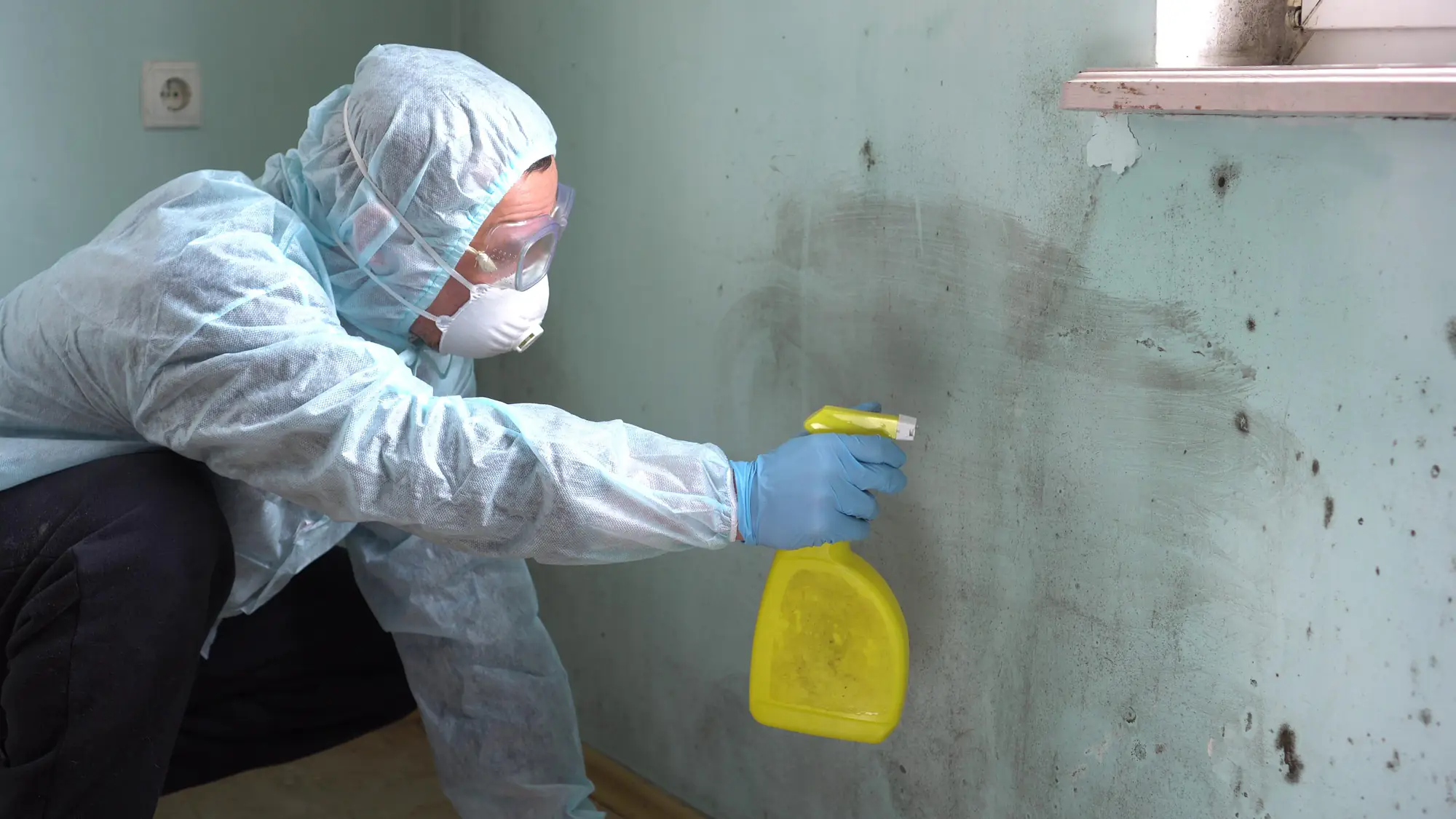
First, we inspect your property with moisture meters and infrared cameras to find all the mold, including growth you can’t see behind walls or under flooring. We identify what’s causing the moisture problem because removing mold without fixing the source just means you’ll be calling someone again in six months.
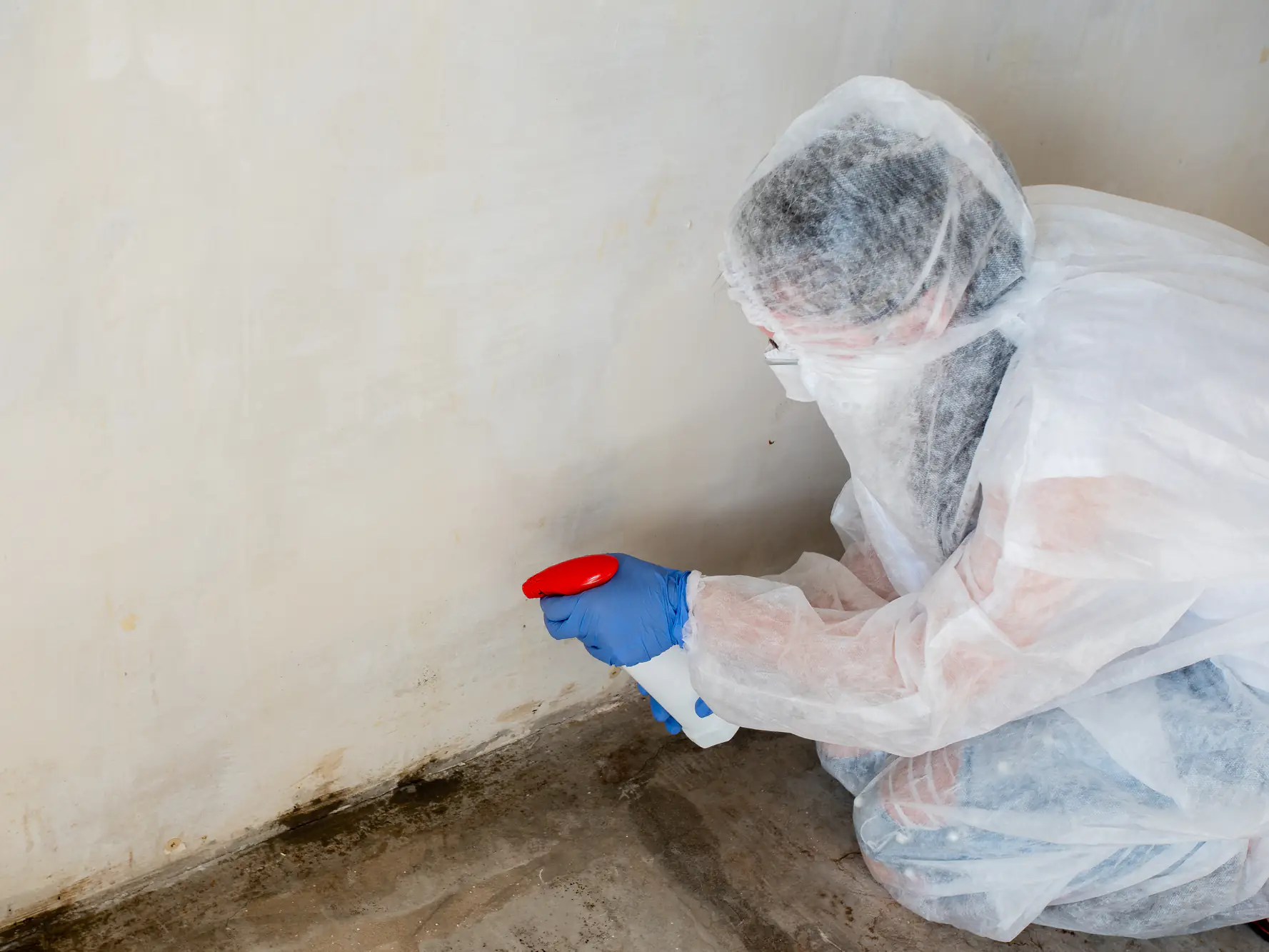
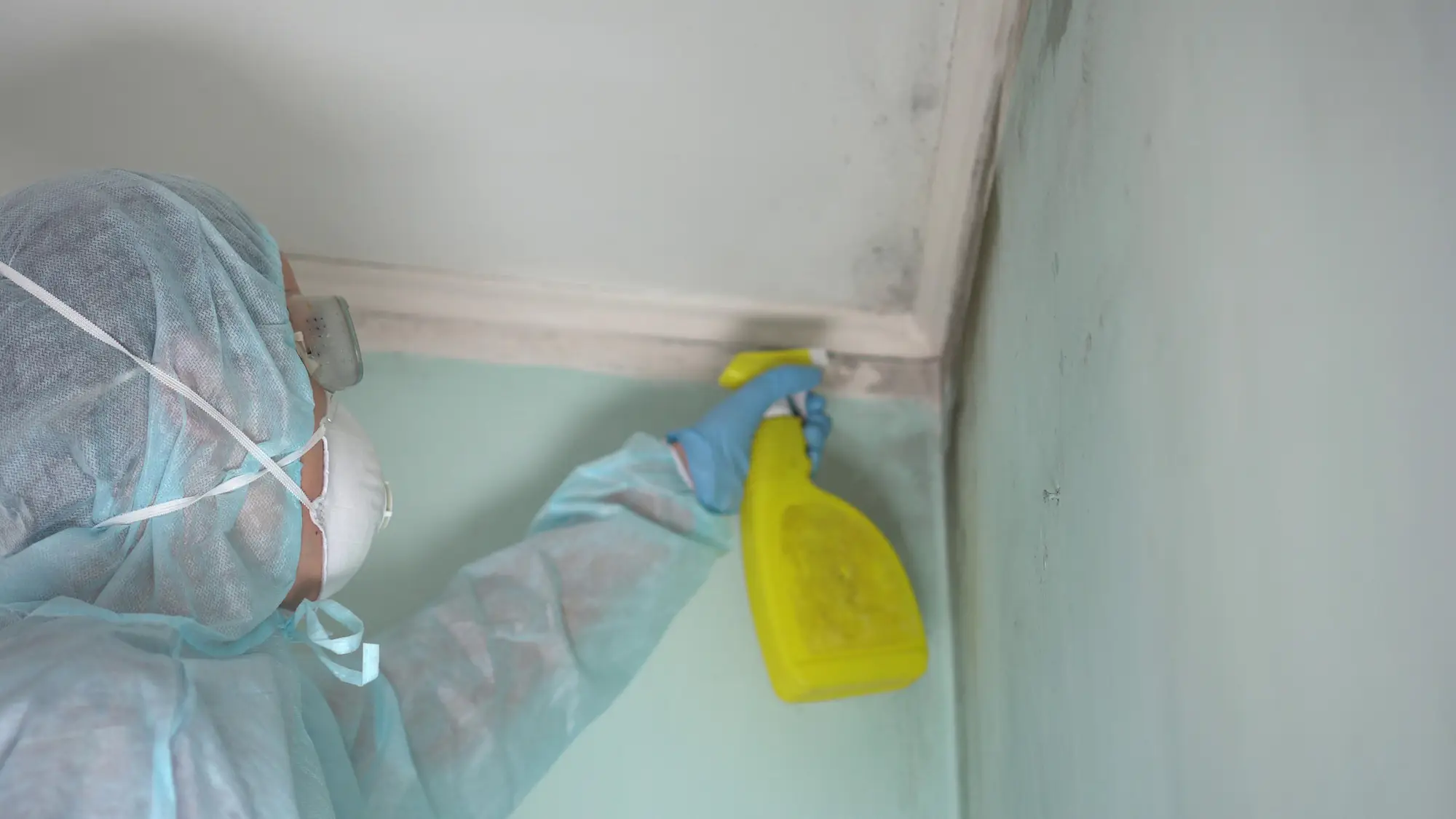
Next, we contain the affected area with physical barriers and negative air pressure systems. This keeps mold spores from spreading to other parts of your home while we work. We remove contaminated materials that can’t be salvaged, then treat remaining surfaces with antimicrobial solutions.
After removal, we use HEPA vacuums and air scrubbers to clean the air. Then we fix the moisture issue, whether that’s repairing a leak, improving ventilation, or installing a dehumidifier. You get documentation of everything we found and everything we did, which matters if you’re dealing with insurance or selling your home later.
Ready to get started?
You get a free inspection before any work starts. We’re looking at your basement, crawl space, attic, bathrooms, anywhere moisture tends to accumulate in Appletree Hill homes. Pennsylvania’s humid climate means mold grows fast here, especially from late spring through early fall when temperatures and humidity stay high.
We handle the entire process: containment setup, removal of affected materials, surface treatment, air filtration, and moisture control. If you’re filing an insurance claim, we work directly with your insurance company and provide all the documentation they need.
We’re available 24/7 for emergencies because mold doesn’t wait for business hours. If you’ve just discovered significant growth or you’re dealing with water damage that needs immediate attention, we can start containment quickly to prevent the problem from getting worse.
Our service area covers Appletree Hill, Bucks County, Montgomery County, Chester County, and surrounding communities. We know the common mold patterns in this area: basement issues from groundwater, bathroom problems from poor ventilation, attic mold from humidity buildup. We’ve handled all of it.

Mold can start forming within 24 to 48 hours after water exposure, and Pennsylvania’s humid climate makes that timeline even more urgent. If you’ve had a leak, flood, or significant moisture intrusion, you’re working against the clock.
The problem isn’t just visible mold growth. Spores start colonizing damp materials almost immediately, and by the time you see discoloration or smell that musty odor, the contamination has usually spread beyond what’s visible on the surface. This is especially true in Bucks County during summer months when indoor humidity stays elevated.
That’s why water damage needs immediate attention, not just drying things out with fans and hoping for the best. Professional moisture detection finds hidden dampness in wall cavities, under flooring, and in other areas where mold grows out of sight until it becomes a major problem.
Small surface mold on non-porous materials like tile or glass, you can handle yourself with proper cleaning solutions and ventilation. But if you’re looking at mold covering more than a few square feet, growth on porous materials like drywall or wood, or contamination in your HVAC system, DIY removal usually makes things worse.
Here’s why: disturbing mold without proper containment spreads spores throughout your home. You’re essentially taking a localized problem and distributing it everywhere your air flows. Professional mold removal specialists use negative air pressure systems and physical barriers to prevent that spread while they work.
There’s also the question of what caused the mold. If you clean visible growth without addressing the moisture source, you’re just buying a few weeks before it comes back. Certified inspectors identify why moisture is accumulating and fix that underlying issue, whether it’s a hidden leak, inadequate ventilation, or drainage problems around your foundation.
It depends on what caused the mold. Most homeowners insurance policies cover mold removal if it resulted from a covered peril like a burst pipe or storm damage. They typically don’t cover mold from long-term maintenance issues like a slow leak you ignored or chronic humidity problems.
The key is documentation and timing. If you discover water damage, report it to your insurance company immediately and document everything with photos. Then get professional remediation started quickly, because insurance companies can deny claims if they determine you let the problem worsen through inaction.
We work directly with insurance companies and provide the detailed documentation they require: scope of contamination, cause of moisture intrusion, materials removed, treatment methods used, and verification that the source was addressed. That documentation makes the claims process much smoother and helps reduce your out-of-pocket costs when coverage applies.
Mold removal means getting rid of visible mold growth. Mold remediation means returning contamination levels to normal, natural levels and preventing future growth. That’s an important distinction because completely eliminating every mold spore from a home isn’t realistic or necessary.
Remediation focuses on removing contaminated materials that can’t be salvaged, treating surfaces that can be saved, controlling airborne spores during the process, and most importantly, fixing the moisture problem that allowed mold to grow in the first place. It’s a comprehensive approach, not just surface cleaning.
Professional remediation also includes verification that the work was successful. We test air quality after treatment to confirm spore counts are back to normal levels. We document that moisture sources were addressed. And we provide guidance on maintaining proper humidity levels to prevent recurrence, which matters in Pennsylvania’s climate where humidity control is an ongoing concern.
Musty odors are usually the first sign, especially in basements, crawl spaces, or bathrooms. If you smell that distinctive mildew scent but don’t see visible growth, there’s likely contamination behind walls, under flooring, or in other concealed areas.
Other indicators include water stains or discoloration on walls and ceilings, peeling or bubbling paint, warped wood, and persistent allergy symptoms that improve when you leave the house. Bucks County’s older homes often have mold in wall cavities where moisture condensed over years before modern vapor barriers became standard.
Professional inspection uses moisture meters to detect elevated dampness levels inside walls and infrared cameras to identify temperature differences that indicate hidden moisture. These tools find problems before they become visible, which is especially valuable if you’re buying or selling a home, because mold disclosure issues can derail real estate transactions in Pennsylvania.
Small, contained areas like a bathroom or small section of basement usually take one to three days. Larger contamination affecting multiple rooms or significant structural areas can take a week or more. The timeline depends on the extent of growth, what materials need removal, and how long it takes to dry out the affected areas completely.
Containment and removal happen relatively quickly. The time-consuming part is ensuring everything is thoroughly dried before we close up walls or reinstall materials, because any remaining moisture will just cause mold to grow again. In Pennsylvania’s humid climate, proper drying sometimes requires dehumidifiers running for several days.
We’ll give you a clear timeline during the inspection before any work starts. If you’re dealing with an emergency situation where mold is actively spreading or affecting your family’s health, we prioritize containment immediately to stop the problem from getting worse, then proceed with the full remediation process on an accelerated schedule.
Other Services we provide in Appletree Hill