
Hear from Our Customers

You stop worrying every time someone in your house coughs or sneezes. The musty smell disappears. Your basement or bathroom finally feels clean again, not just surface-level clean but actually safe.
When mold gets removed the right way, the source of moisture gets fixed too. That’s what keeps it from coming back three months later. You’re not just paying for someone to spray bleach and walk away—you’re getting the problem identified, the affected materials properly removed, and the conditions that caused it corrected.
If you’re selling your home, a mold-free clearance certificate means no last-minute buyer panic or renegotiations. If you’re staying, it means your family isn’t breathing in spores that trigger allergies, asthma, or worse. Farm School’s humidity averages over 70% year-round, which means mold isn’t a maybe—it’s a when. Handling it correctly the first time saves you from doing it twice.
We work exclusively in Bucks County, which means we’ve seen what happens to homes here when humidity sits at 74% for weeks at a time. We know the basements that flood every spring, the crawl spaces that never quite dry out, and the attics that turn into saunas every summer.
We’re not a national franchise following a script. We’re local mold remediation specialists who understand that your home in Farm School has different challenges than a house in Arizona. Our team uses infrared cameras and moisture meters to find mold you can’t see yet, and we don’t leave until the source is fixed and the air quality is verified.
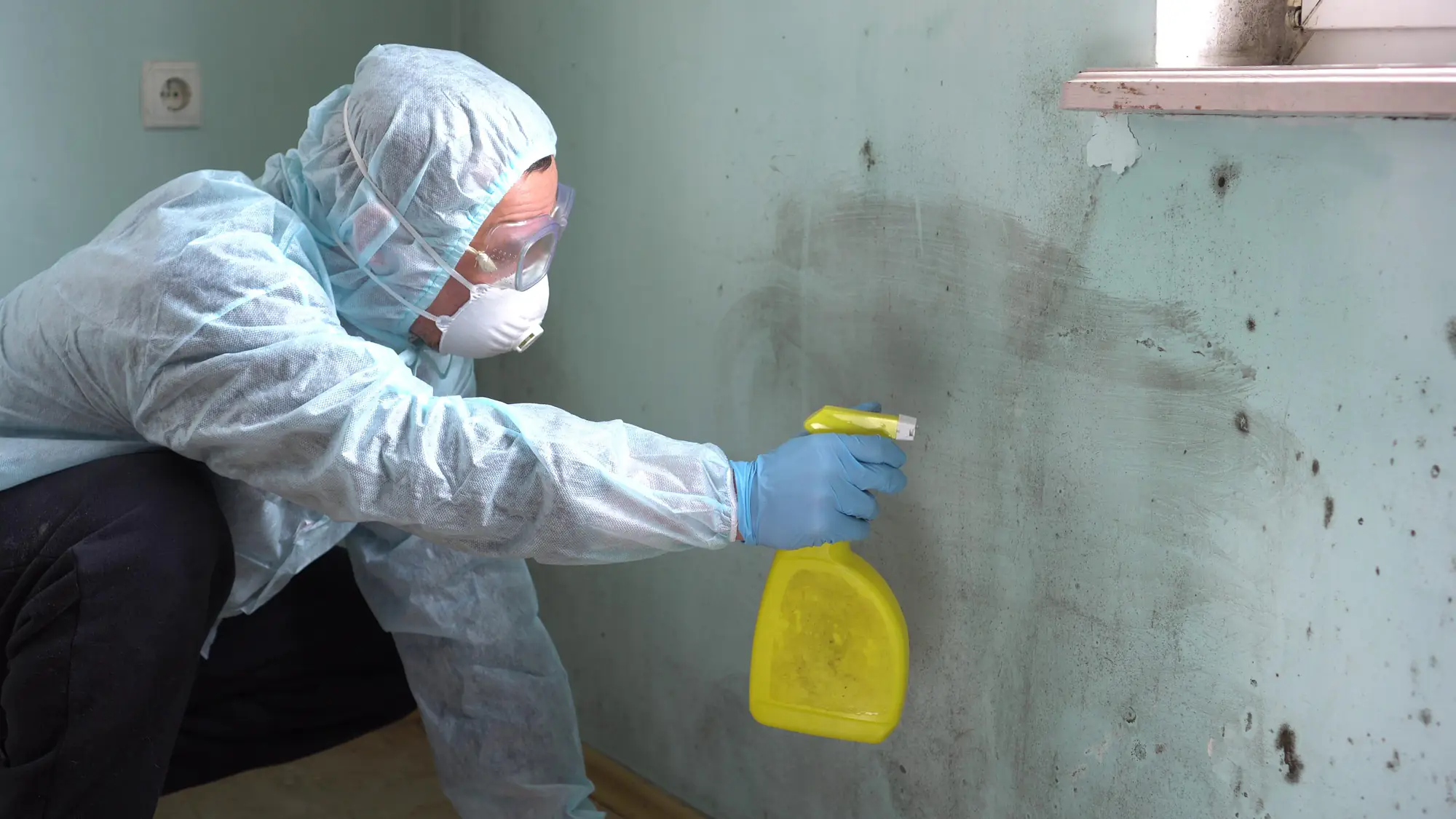
First, we come out and actually look. Not a five-minute glance—a real inspection with thermal imaging to find moisture behind your walls, under floors, anywhere mold hides. We test the air quality and identify what type of mold you’re dealing with, because not all mold gets treated the same way.
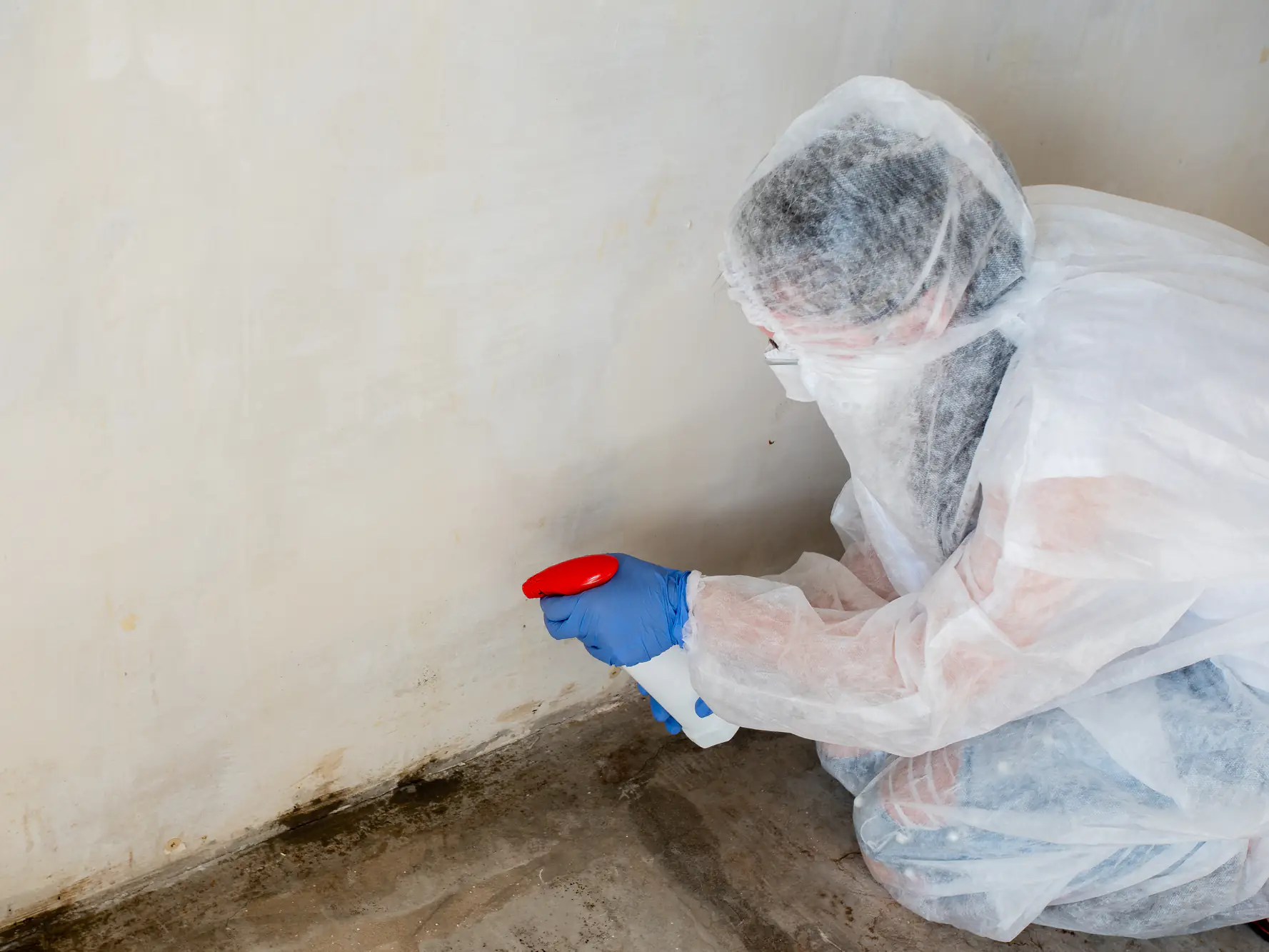
Once we know what we’re working with, we contain the area so spores don’t spread to clean parts of your house. Then we remove the contaminated materials—drywall, insulation, whatever’s affected—using HEPA filtration to keep the air clean while we work. We don’t just clean the surface. If the material is compromised, it comes out.
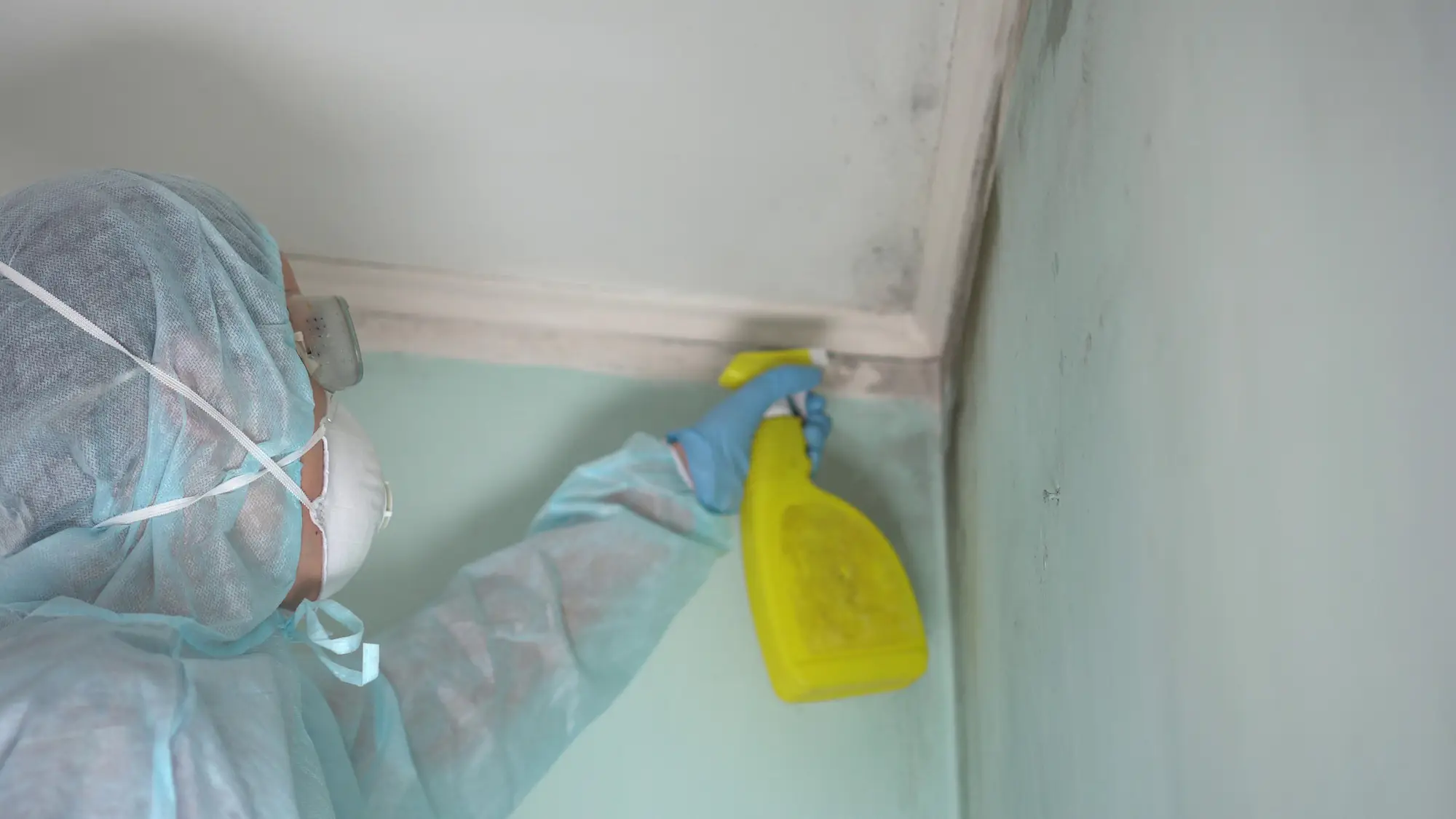
After removal, we treat the area with antimicrobial solutions and dry everything completely. Then we fix the moisture problem—whether that’s a leak, condensation issue, or ventilation problem. Finally, we test again to confirm the mold is gone and provide you with documentation. The whole process usually takes 24 to 48 hours depending on the size of the affected area, and we can work with your insurance if needed.
Ready to get started?
You get a full inspection with moisture mapping and air quality testing. We identify the mold type, the extent of growth, and the water source feeding it. That’s critical in Farm School, where high humidity creates perfect conditions for mold year-round—especially in basements and crawl spaces that stay damp.
The remediation itself includes containment setup, safe removal of affected materials, HEPA air filtration during the entire process, antimicrobial treatment, and complete drying of the area. We also handle the source—fixing leaks, improving ventilation, or addressing drainage issues that caused the problem in the first place. Without that step, you’re just waiting for mold to come back.
After we’re done, you receive post-remediation testing results and a clearance certificate. That matters if you’re selling your home or filing an insurance claim. It’s documentation that proves the job was done right. Most remediation projects in this area run between $1,300 and $3,600 depending on square footage and severity, but we give you a clear estimate up front so there are no surprises.

Mildew usually shows up as a flat, powdery layer on surfaces like shower tiles or windowsills. It’s typically white or gray, wipes off pretty easily, and doesn’t penetrate deep into materials. Mold, on the other hand, is raised, fuzzy or slimy, and comes in colors like black, green, or orange.
The bigger difference is where it grows. Mildew stays on the surface. Mold grows into porous materials like drywall, wood, and insulation, which means you can’t just wipe it away. If you’re seeing dark spots spreading on your walls, smelling a persistent musty odor, or noticing it keeps coming back even after you clean it, that’s mold.
In Farm School, the high humidity makes both common, but mold is the one that causes structural damage and health problems. If you’re not sure, don’t guess. A professional mold inspection with air quality testing will tell you exactly what you’re dealing with and whether it’s something you can handle yourself or needs proper remediation.
It depends on what caused the mold. If it’s from a sudden, accidental event like a burst pipe or storm damage, most homeowners insurance policies will cover the remediation. But if the mold developed because of long-term neglect, poor maintenance, or ongoing moisture issues you didn’t address, they’ll likely deny the claim.
Insurance companies want to see that you acted quickly. If a pipe leaked and you had it dried and treated within 48 hours, you’re usually covered. If you let it sit for months and mold spread throughout the basement, that’s a different story. They’ll also require professional documentation—inspection reports, moisture readings, and proof that the remediation was done correctly.
We work with insurance claims regularly and can provide the documentation they need. The key is calling as soon as you notice water damage or suspect mold. Waiting too long doesn’t just make the problem worse—it can disqualify you from coverage entirely. Average mold remediation costs in this area run around $2,400, so it’s worth checking your policy and acting fast if you want insurance to help.
For most residential jobs in Farm School, the actual remediation takes one to three days depending on how much area is affected and how severe the growth is. A small bathroom or closet might be done in 24 hours. A full basement or multiple rooms could take closer to a week if there’s significant structural damage.
The timeline breaks down like this: inspection and testing usually happen on day one. Containment, removal, and treatment happen over the next one to three days. Drying and moisture control can add another day or two if the materials were really saturated. Then we do post-remediation testing to confirm everything’s clear before we close it up.
What slows things down is usually the moisture source. If we have to wait for a plumber to fix a leak or for a contractor to address a drainage issue, that adds time. But the mold removal itself moves pretty quickly once we’re on site. We know you want your house back to normal, and we don’t drag it out. Most homeowners are surprised how fast it goes when it’s done right.
If it’s a very small area—less than 10 square feet—and it’s on a non-porous surface like tile or glass, you can probably handle it yourself with the right cleaner and protective gear. But if it’s on drywall, wood, insulation, or any porous material, or if it’s larger than a few square feet, you need a professional.
Here’s why: mold grows deep into porous materials, and surface cleaning doesn’t kill what’s underneath. You also risk spreading spores throughout your house if you don’t contain the area properly. Black mold and other toxic varieties can cause serious respiratory problems, and disturbing them without proper protection puts your health at risk.
Professional mold removal specialists use HEPA filtration, containment barriers, antimicrobial treatments, and moisture meters to make sure the job is done completely. We also find and fix the source, which is something most homeowners miss. If you don’t address why the mold grew in the first place, it’ll be back in a few months. For anything beyond a tiny surface spot, the cost of doing it right the first time is way less than the cost of doing it twice—or dealing with health problems down the road.
Mold comes back because the moisture source is still there. You can scrub the visible mold off a wall, but if that wall is still getting damp from a slow leak, poor ventilation, or condensation, new mold will grow within days. It’s not that the cleaning didn’t work—it’s that the conditions that caused it never changed.
In Farm School, humidity is a huge factor. When indoor humidity stays above 60%, mold has everything it needs to thrive. Basements, crawl spaces, and bathrooms are the worst because they’re naturally damp and often poorly ventilated. If you’re cleaning mold off the same spot over and over, there’s water getting in somewhere, even if you can’t see it.
The fix isn’t more cleaning—it’s finding where the moisture is coming from and stopping it. That might mean fixing a leaky pipe, improving airflow with fans or dehumidifiers, sealing cracks in your foundation, or rerouting drainage away from your house. A professional mold inspection will pinpoint the source so you’re not just treating symptoms. Once the moisture problem is solved, the mold stops coming back.
Most homeowners in the Farm School area pay between $1,300 and $3,600 for professional mold remediation, with the average around $2,400. The cost depends on how much square footage is affected, what materials need to be removed, and how difficult the mold is to access. Small jobs like a bathroom or closet might run $1,000 to $1,500. Larger projects like a full basement can hit $5,000 or more if there’s structural damage.
Mold removal is typically priced at $10 to $25 per square foot, so a 100-square-foot area would cost $1,000 to $2,500 just for the remediation itself. If you need an inspection first, that’s usually $300 to $650 depending on the size of your home. Some companies include the inspection cost in the remediation if you hire them for the full job.
What drives the price up is the severity. If the mold has spread behind walls or into HVAC systems, or if there’s significant water damage that needs repair, costs increase. But here’s the thing: catching it early saves you money. A small mold problem that gets ignored turns into a big one fast, especially in our humid climate. Getting a professional assessment as soon as you notice signs means you’re dealing with hundreds or low thousands instead of tens of thousands down the road.
Other Services we provide in Farm School