
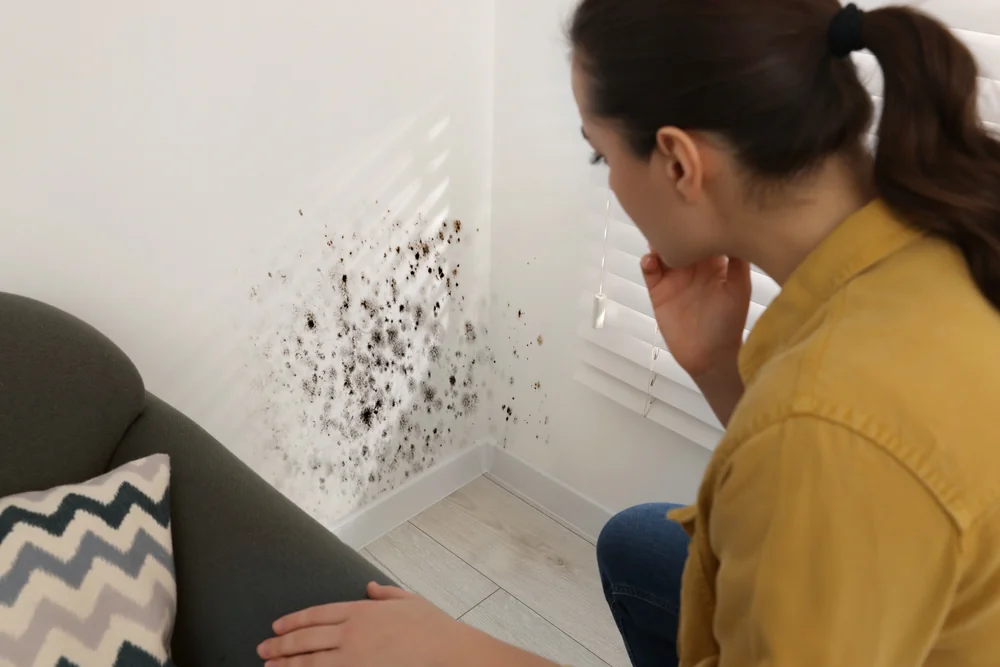
Hear from Our Customers
Indoor air is typically two to five times more polluted than outdoor air. That’s not a scare tactic—it’s EPA data. And in Farm School homes, where Pennsylvania’s humid summers and cold winters create moisture issues, the problem gets worse.
You can’t see mold spores. You can’t smell radon. Carbon monoxide is odorless. But a professional air quality test catches what your senses miss.
What you get is documentation. Lab results that tell you exactly what’s in your air, at what levels, and whether it’s a health risk. Not guesswork. Not assumptions. Just data you can act on—whether that means remediation, ventilation improvements, or peace of mind that your home is safe.
If you’re dealing with unexplained respiratory symptoms, buying a property, or just want to know what your family is breathing, testing gives you the full picture. And if there is a problem, you’ll know exactly what needs to happen next.
We’ve been serving Bucks County homeowners since 1976. That’s nearly five decades of working in the same climate, the same housing stock, and the same regional challenges you’re dealing with.
Farm School sits in an area where historic homes and newer construction both face air quality risks. Older properties deal with foundation moisture and outdated ventilation. Newer energy-efficient homes trap pollutants inside. Both need testing, just for different reasons.
We use accredited lab analysis, thermal imaging, and moisture mapping to identify problems you can’t see. Every test follows Pennsylvania Department of Health standards, and results are documented in a way that supports insurance claims or real estate transactions if needed.
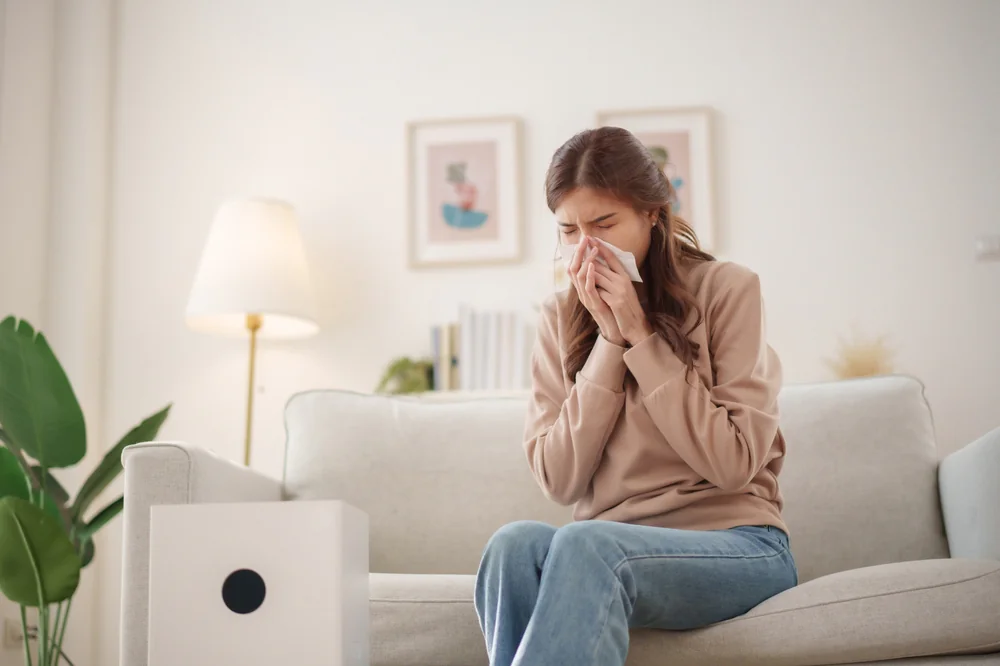
First, a certified inspector walks through your home to identify potential problem areas. They’re looking for visible signs of moisture, mold growth, or ventilation issues—but also using thermal imaging to detect hidden water intrusion and temperature variations that indicate air leaks or condensation.
Next comes the sampling. Air samples are collected from multiple rooms using calibrated equipment that captures airborne particles, spores, and contaminants. Surface samples may also be taken if there’s visible growth or suspected contamination. The goal is to compare indoor air quality against outdoor baseline levels.
Samples go to an accredited laboratory for analysis. You’re not waiting weeks—results typically come back within a few days. The report breaks down exactly what was found, where it was found, and at what concentration levels.
Finally, you get a detailed consultation. The inspector explains what the results mean for your specific situation, what (if anything) needs to be addressed, and what your options are. If remediation is necessary, you’ll get a clear action plan. If your air quality is fine, you’ll have documentation proving it.

Ready to get started?
A comprehensive home air quality test covers multiple pollutant categories. Mold spore analysis identifies both the type and concentration of airborne mold. Allergen testing detects dust mites, pollen, pet dander, and other common triggers. VOC (volatile organic compound) testing measures chemical vapors from building materials, cleaning products, or stored items.
In Bucks County, radon testing is particularly important. Pennsylvania has some of the highest radon levels in the country due to regional geology. Radon is the second leading cause of lung cancer, and the only way to know if your home has elevated levels is to test for it.
Moisture mapping uses specialized meters to measure humidity levels and detect water intrusion in walls, floors, and ceilings. Pennsylvania’s climate—with humid summers and freeze-thaw cycles in winter—makes moisture control critical. Excess moisture leads to mold growth, wood rot, and structural damage.
Thermal imaging reveals temperature differences that indicate air leaks, missing insulation, or hidden water damage. This technology lets our inspectors see problems behind walls without invasive demolition. It’s especially useful in older Farm School homes where updates may have been done without addressing underlying moisture or ventilation issues.
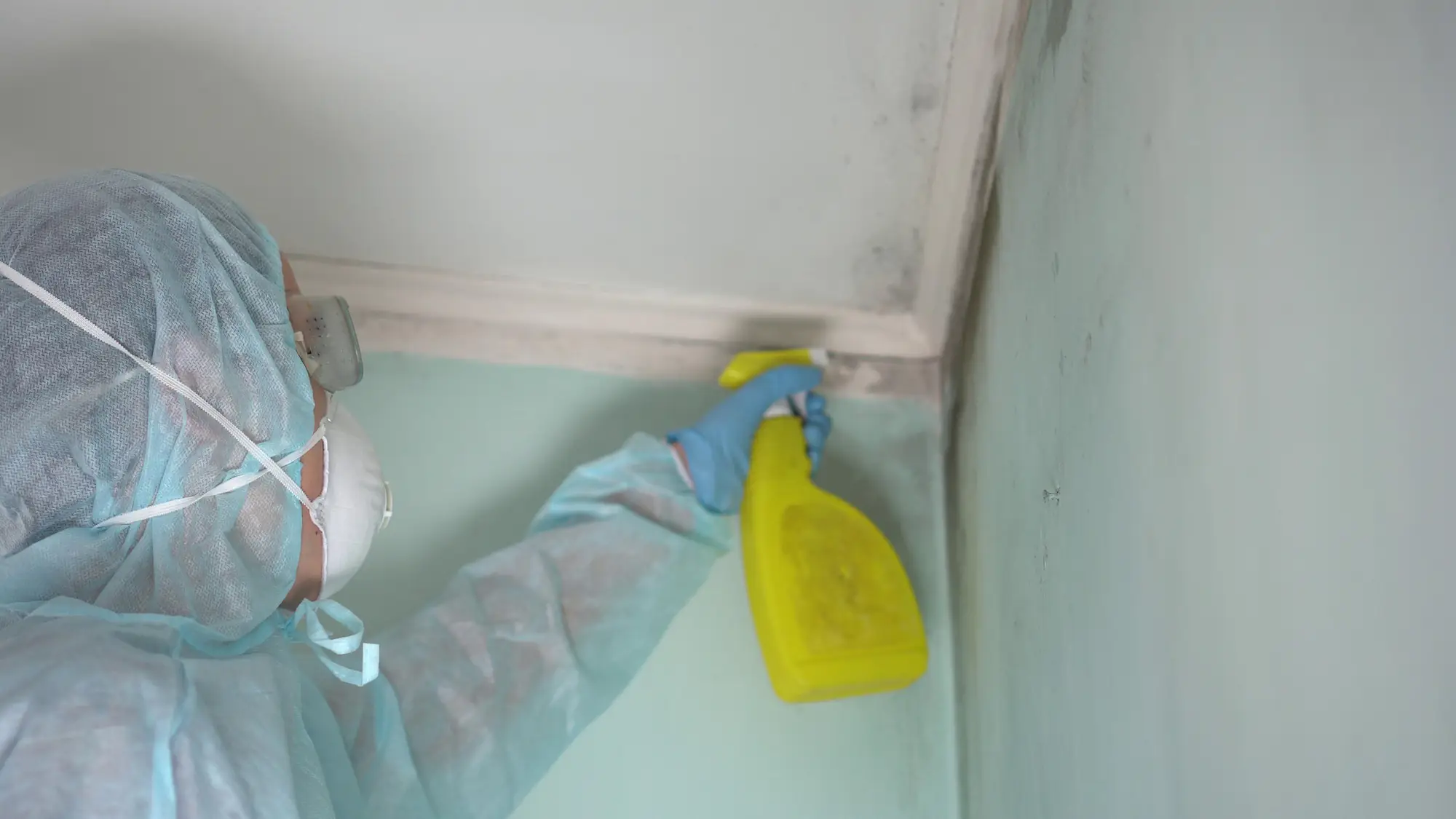
Most residential air quality tests take between one and three hours, depending on the size of your home and the scope of testing. A standard mold air test in a typical single-family home usually wraps up in about 90 minutes.
Our inspector needs time to do a thorough visual assessment, set up sampling equipment in multiple rooms, and collect both air and surface samples if needed. Larger homes or properties with basements, crawl spaces, and attics require more time to test comprehensively.
Radon testing works differently. Short-term radon tests run for 48 to 96 hours using a device left in your home. Long-term tests can run for 90 days or more for the most accurate reading. We drop off the equipment, you leave it undisturbed, and we return to collect it when the test period ends.
A mold inspection is a visual assessment. Our inspector examines your property for visible mold growth, water damage, moisture problems, and conditions that promote mold. They use moisture meters and thermal imaging to identify hidden issues, but they’re primarily looking at what’s physically present.
A mold air test measures what’s actually in your air. Air samples are collected and sent to a lab, which identifies the types of mold spores present and their concentration levels. This tells you whether your indoor mold levels are elevated compared to outdoor air—which is the real health concern.
You usually need both. The inspection finds the source and extent of contamination. The air test confirms whether mold spores are circulating through your home at dangerous levels. If you’re experiencing symptoms but don’t see visible mold, air testing can detect hidden contamination. If you’re buying a home or verifying that remediation worked, air testing provides documented proof of air quality.
It depends on your policy and the reason for testing. Most homeowners insurance policies don’t cover routine air quality testing or mold inspections done for general maintenance or peace of mind. Insurance typically only gets involved when there’s a covered loss—like a burst pipe, roof leak, or other sudden water damage event.
If you’ve had a water intrusion incident and need testing to document mold growth or air quality issues resulting from that event, your insurance may cover it. You’ll need to file a claim and get approval before scheduling the test. Keep all documentation, including photos of the damage and the testing report.
Pennsylvania regulations require professional assessment when mold contamination exceeds specific thresholds, and insurance companies increasingly require documented testing for coverage claims. If you’re dealing with a claim, get the testing done by a certified professional who follows state standards—that documentation carries weight with adjusters. For real estate transactions, pre-purchase inspections, or health concerns unrelated to a covered event, you’ll typically pay out of pocket.
Mold growth from moisture problems tops the list. Bucks County’s humid summers create ideal conditions for mold in basements, crawl spaces, and poorly ventilated bathrooms. Older homes often have foundation cracks or inadequate drainage that let water seep in. Newer energy-efficient homes trap humidity inside without proper ventilation to remove it.
Radon is a significant concern throughout Pennsylvania. The state’s geology produces radon gas that enters homes through foundation cracks, sump pump pits, and gaps around utility penetrations. Farm School sits in an area where radon levels frequently exceed EPA action levels. The only way to know your exposure is to test.
Poor ventilation compounds every other air quality issue. Homes built before modern ventilation standards often lack adequate fresh air exchange. Tightly sealed newer homes need mechanical ventilation that many don’t have. When air doesn’t circulate properly, pollutants accumulate—mold spores, VOCs from building materials, carbon dioxide from occupants, and allergens from dust and pets all build up to unhealthy levels.
DIY test kits can detect the presence of certain contaminants, but they’re not as accurate or comprehensive as professional testing. Home mold test kits typically use settling plates that collect whatever lands on them over 24 to 48 hours. They can’t measure airborne spore concentrations, distinguish between mold types, or compare indoor levels to outdoor baselines.
Professional air quality testing uses calibrated equipment that pulls a measured volume of air through collection media. Samples go to accredited laboratories where trained analysts identify specific mold species, count spore concentrations, and provide quantitative data you can compare to established health standards. That level of precision matters when you’re making decisions about remediation or trying to document air quality for insurance or real estate purposes.
The bigger issue is interpretation. A DIY kit might tell you mold is present—but mold spores exist in every home. What matters is the type of mold and the concentration level. Professional testing gives you context: is this normal background mold, or is there an active contamination problem? For radon, VOCs, and other pollutants, professional equipment and lab analysis provide the accuracy needed to assess actual health risks.
Test when you’re experiencing unexplained health symptoms—persistent coughing, sinus issues, headaches, or respiratory problems that improve when you leave the house. Those symptoms often indicate poor indoor air quality, and testing identifies the specific cause so you can address it effectively.
Test before buying a property. Pre-purchase air quality testing, especially for mold and radon, protects your investment and your family’s health. It’s much easier to negotiate repairs or walk away before closing than to discover contamination after you’ve moved in. In Pennsylvania’s real estate market, air quality testing is becoming standard due diligence.
Test after water damage or flooding, even if you’ve dried everything out. Mold can start growing within 24 to 48 hours of water exposure, and it often develops in hidden areas like wall cavities or under flooring. Air testing confirms whether remediation is needed and, after cleanup, verifies that the problem is actually resolved. Test if you’re in a high-risk area for radon—which includes most of Bucks County. Test every few years even if previous results were acceptable, because radon levels can change as your home settles and new cracks develop.
Other Services we provide in Farm School