
Hear from Our Customers
The musty smell disappears. Your kids stop coughing at night. You can walk into the basement without that sinking feeling in your chest.
That’s what happens when mold gets removed the right way—not scraped off and painted over, but traced back to the moisture source and eliminated from the property. You’re not masking symptoms. You’re ending the problem.
Most mold issues in Palomino Farms start the same way: a basement that stays damp because of Bucks County’s clay soil and high groundwater, an attic that sweats during Pennsylvania’s humid summers, or an HVAC system that’s been circulating spores for months. The mold you see on the wall is rarely the whole story. What’s behind it matters more.
When mold gets handled correctly, you protect your family’s health, stop property value from dropping, and avoid the cycle of cleaning it every few months just to watch it come back. You get your home back.
We work across Bucks County, including right here in Palomino Farms. We’re certified mold remediation professionals who follow EPA standards and Pennsylvania regulations—not because we have to, but because shortcuts don’t work.
We know what causes mold in this area. The soil holds water. Basements flood. Humidity sits heavy from June through September. Those aren’t surprises to us—they’re the conditions we deal with every day.
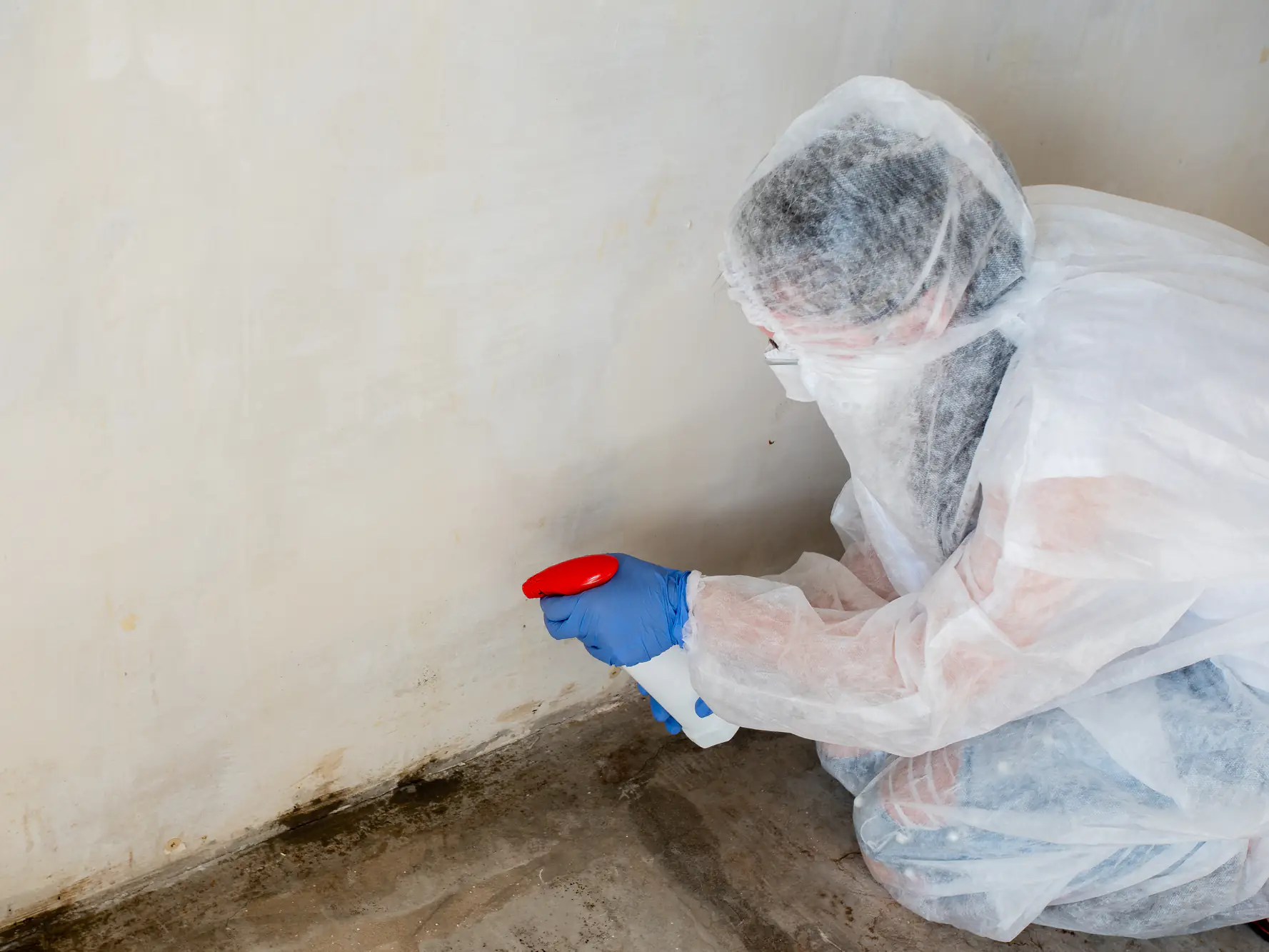
We don’t send a crew to spray bleach and leave. We find where the water’s coming from, remove contaminated materials the right way, and make sure it doesn’t grow back. That’s the difference between a mold removal specialist and someone with a spray bottle.
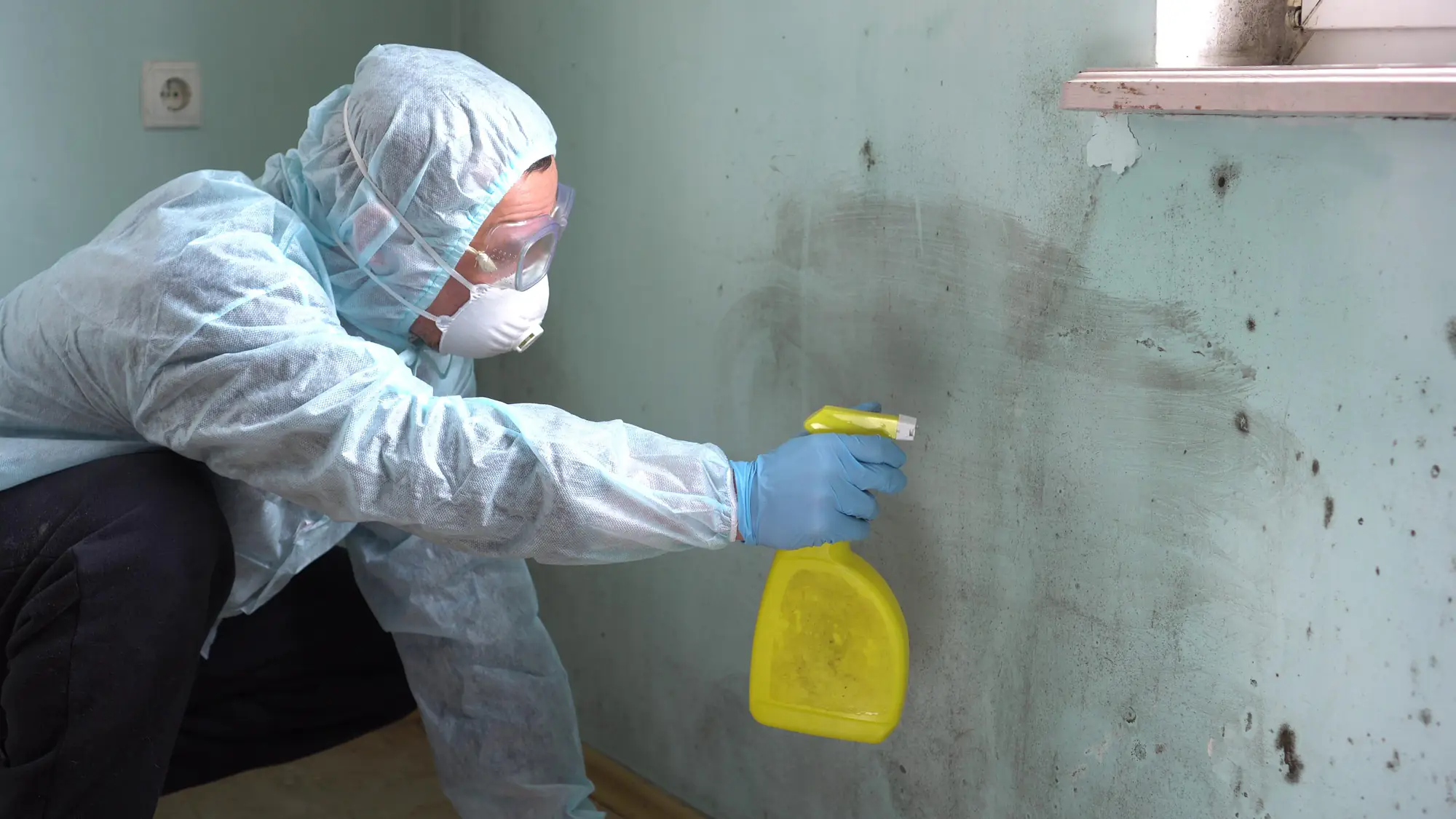
First, we inspect the property—not just where you see mold, but where it’s likely hiding. That means checking behind walls, under floors, inside HVAC systems, and anywhere moisture tends to settle. We use detection equipment to find what you can’t see.
Then we test to identify the type of mold and measure how far it’s spread. This matters for two reasons: it tells us how to remove it safely, and it gives you documentation if you’re filing an insurance claim.
Once we know what we’re dealing with, we contain the area to stop spores from spreading during removal. We pull out contaminated materials, treat affected surfaces, and address the moisture source—whether that’s a leak, condensation issue, or ventilation problem. If we don’t fix what caused it, you’ll be calling someone again in six months.
After removal, we verify air quality and make sure the space is safe. Then we help with any repairs or rebuilding that’s needed. You’re not left with a gutted basement and no plan.
Ready to get started?
You get a free inspection that covers your entire property, not just the obvious spots. We check basements, crawl spaces, attics, bathrooms, and HVAC systems—anywhere mold grows in Bucks County homes.
We document everything for insurance claims. That includes photos, lab results, and detailed reports that show what was found, what was removed, and what was done to prevent it from returning. Most homeowners don’t realize their policy covers this until we walk them through it.
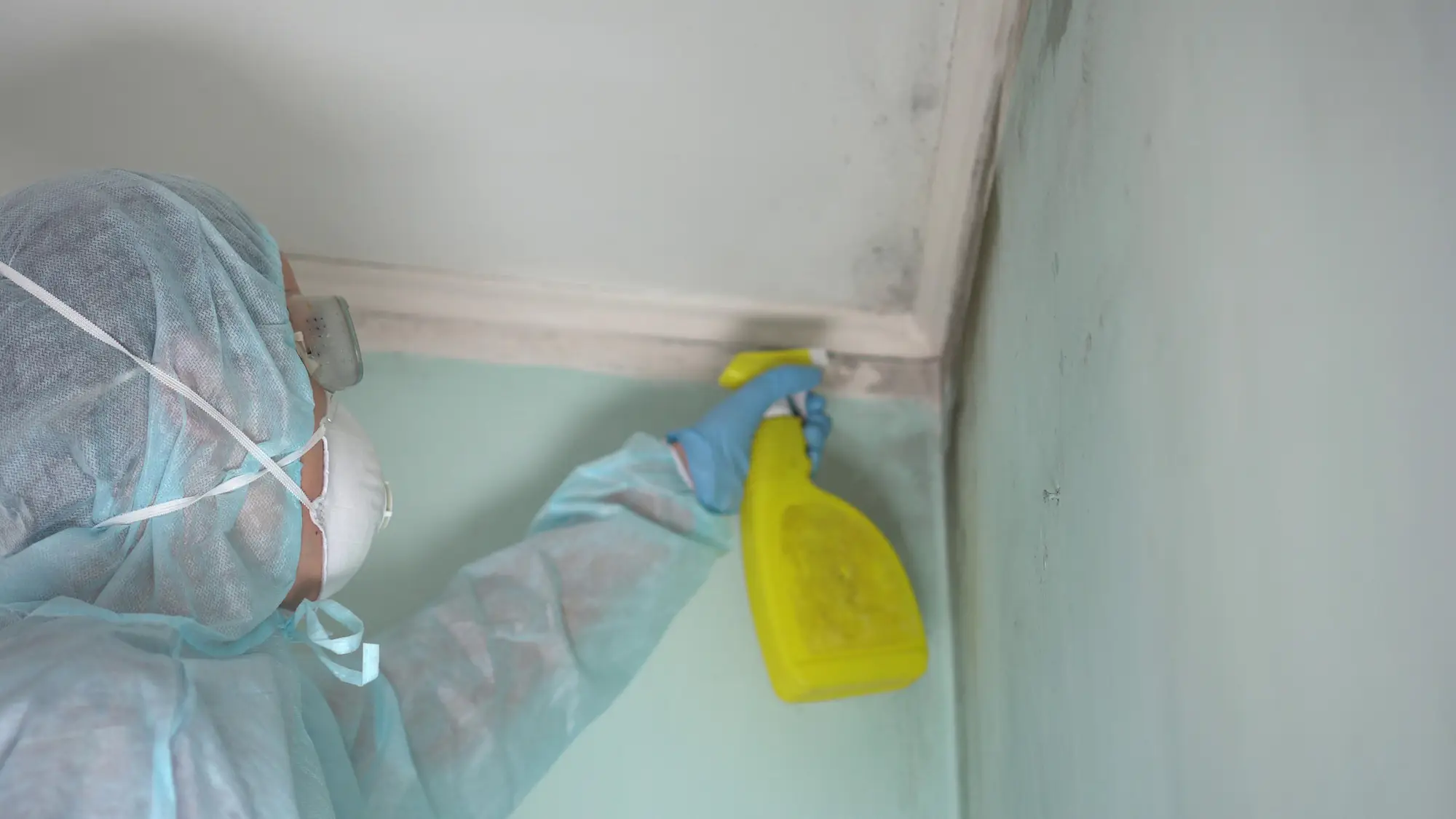
The removal itself follows EPA protocols. We contain the work area, use HEPA filtration to clean the air, remove contaminated materials safely, and treat surfaces with antimicrobial solutions. If drywall, insulation, or flooring needs to come out, we handle that too.
Then we fix the source. If it’s a basement moisture issue, we address drainage and ventilation. If it’s an attic condensation problem, we improve airflow. If it’s a plumbing leak, we make sure it’s repaired before we close everything up. We don’t just clean—we prevent recurrence.

Mold starts forming within 24 to 48 hours after water exposure. If your basement floods on a Monday evening, colonies can establish themselves behind drywall by Wednesday morning.
That’s why speed matters. The longer materials stay wet, the deeper mold grows into porous surfaces like wood, drywall, and insulation. What starts as surface growth becomes structural damage.
In Palomino Farms, we see this often after heavy rains or pipe bursts. Homeowners think they can dry it out with fans and deal with it later. By the time they call, the mold has spread to areas they can’t see. If you’ve had water in your home for more than a day, assume mold has started and get an inspection.
Bleach kills surface mold on non-porous materials like tile or glass, but it doesn’t penetrate porous surfaces like drywall, wood, or grout. The roots stay alive, and the mold grows back.
Worse, bleach adds moisture to the surface, which can actually feed mold growth underneath. You’re treating the symptom, not the cause. If you’re not removing the contaminated material and fixing the moisture source, you’re wasting time.
The other issue is safety. Disturbing mold without proper containment spreads spores throughout your home. You might clean one wall and contaminate three rooms. Professional mold removal includes containment, HEPA filtration, and proper disposal—things you can’t replicate with a spray bottle from the store.
Most jobs in Bucks County range from $1,500 to $5,000, depending on the size of the affected area and how much material needs removal. A small bathroom might cost less. A finished basement with mold behind walls and in the HVAC system costs more.
The biggest factor is how far the mold has spread. If it’s contained to one area and we catch it early, costs stay lower. If it’s traveled through your ventilation system or grown into floor joists, the scope increases.
We offer free inspections and upfront pricing, so you know what you’re looking at before any work starts. Many homeowners don’t realize their insurance covers mold remediation if it’s related to a covered event like a pipe burst or storm damage. We work directly with insurance companies to help reduce your out-of-pocket costs.
Mold exposure causes stuffy nose, sore throat, coughing, burning eyes, and skin rashes in most people. If someone in your home has asthma or allergies, reactions are more severe—wheezing, chest tightness, and difficulty breathing.
Young children, elderly family members, and anyone with a compromised immune system face higher risks. Prolonged exposure can lead to lung infections, especially with black mold species like Stachybotrys.
The tricky part is that symptoms often get dismissed as seasonal allergies or a cold that won’t go away. If you notice your family feels better when they leave the house and worse when they come home, mold is a likely culprit. Indoor air quality testing can confirm whether spore levels are elevated and identify what type of mold you’re dealing with.
Mold comes back because the moisture source wasn’t fixed. You can scrub every visible spot, but if water is still seeping through your foundation, condensing in your attic, or leaking from a pipe, mold will regrow.
Pennsylvania’s humid climate makes this worse. Humidity levels above 50% create perfect conditions for mold, and Bucks County summers consistently hit that threshold. Add in poor ventilation or a damp basement, and you’re fighting a losing battle without addressing airflow and moisture control.
The other reason is incomplete removal. Mold grows into porous materials. If contaminated drywall or insulation stays in place, surface cleaning won’t touch the roots. Professional remediation removes affected materials entirely and treats the area to prevent regrowth. That’s why our work includes fixing the source—not just cleaning what you can see.
It depends on the size and location of the job. For small, contained areas like a bathroom or closet, you can usually stay in the home as long as we seal off the work area and use HEPA filtration to prevent spore spread.
For larger jobs—like a basement with extensive contamination or mold in your HVAC system—it’s safer to stay elsewhere during active removal. Disturbing mold releases spores into the air, and even with containment, sensitive individuals should avoid exposure.
We’ll tell you upfront whether you need to leave based on the scope of work and who’s living in the home. If you have young children, elderly family members, or anyone with respiratory issues, we err on the side of caution. Most jobs take two to five days depending on severity, and we keep you updated on when it’s safe to return.
Other Services we provide in Palomino Farms