
Hear from Our Customers
When mold shows up in your home, it’s not just an eyesore. You notice the air feels heavier. Your kids start coughing more at night. Anyone with allergies or asthma feels it immediately.
Getting rid of mold the right way means you stop breathing in spores that irritate your lungs and sinuses. It means your home smells clean again, not musty or damp. And it means you’re not wondering if it’s hiding somewhere you can’t see, slowly spreading behind a wall or under the floor.
The real benefit isn’t just removing what you can see. It’s fixing the moisture problem that caused it, so you’re not back in the same spot six months from now. That’s what actually protects your family and your property value.
We’ve been helping homeowners in Linconia and throughout Bucks County deal with mold for years. We’re local, which means we understand how Pennsylvania’s humid summers and older housing stock create perfect conditions for mold growth.
Most homes in this area weren’t built with modern ventilation systems. Basements leak. Crawl spaces trap moisture. And when your AC runs all summer, condensation builds up in places you’d never think to check.
We’re EPA-certified and follow Pennsylvania regulations for mold remediation. Our team uses moisture meters, infrared cameras, and containment methods that keep spores from spreading during removal. We’re not a national franchise—we’re your neighbors, and we show up when we say we will.
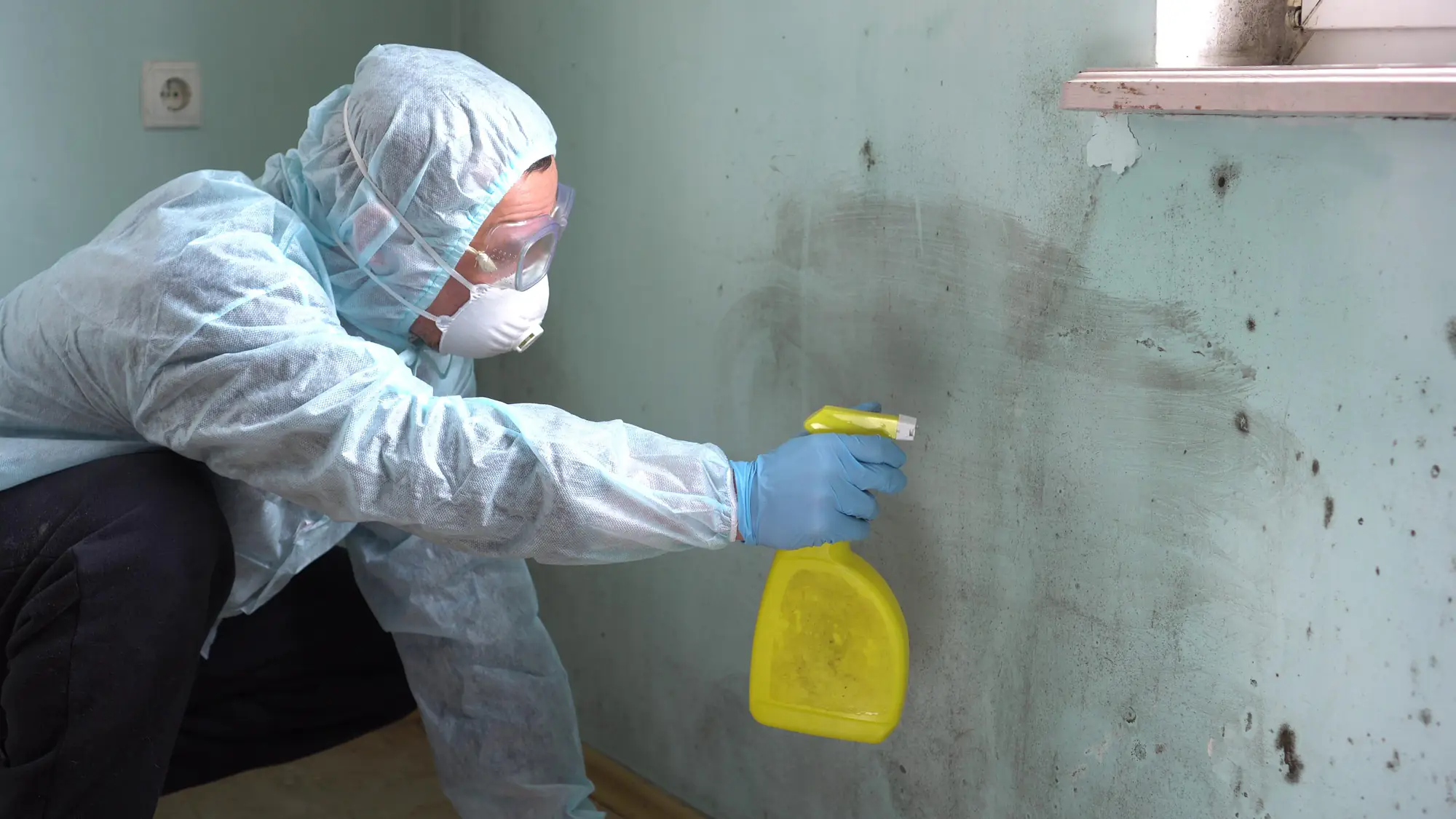
First, we come out and do a free inspection. We’re looking for visible mold, but also using tools to find moisture and hidden growth behind walls, under flooring, or in your HVAC system. You’ll know exactly what you’re dealing with before any work starts.
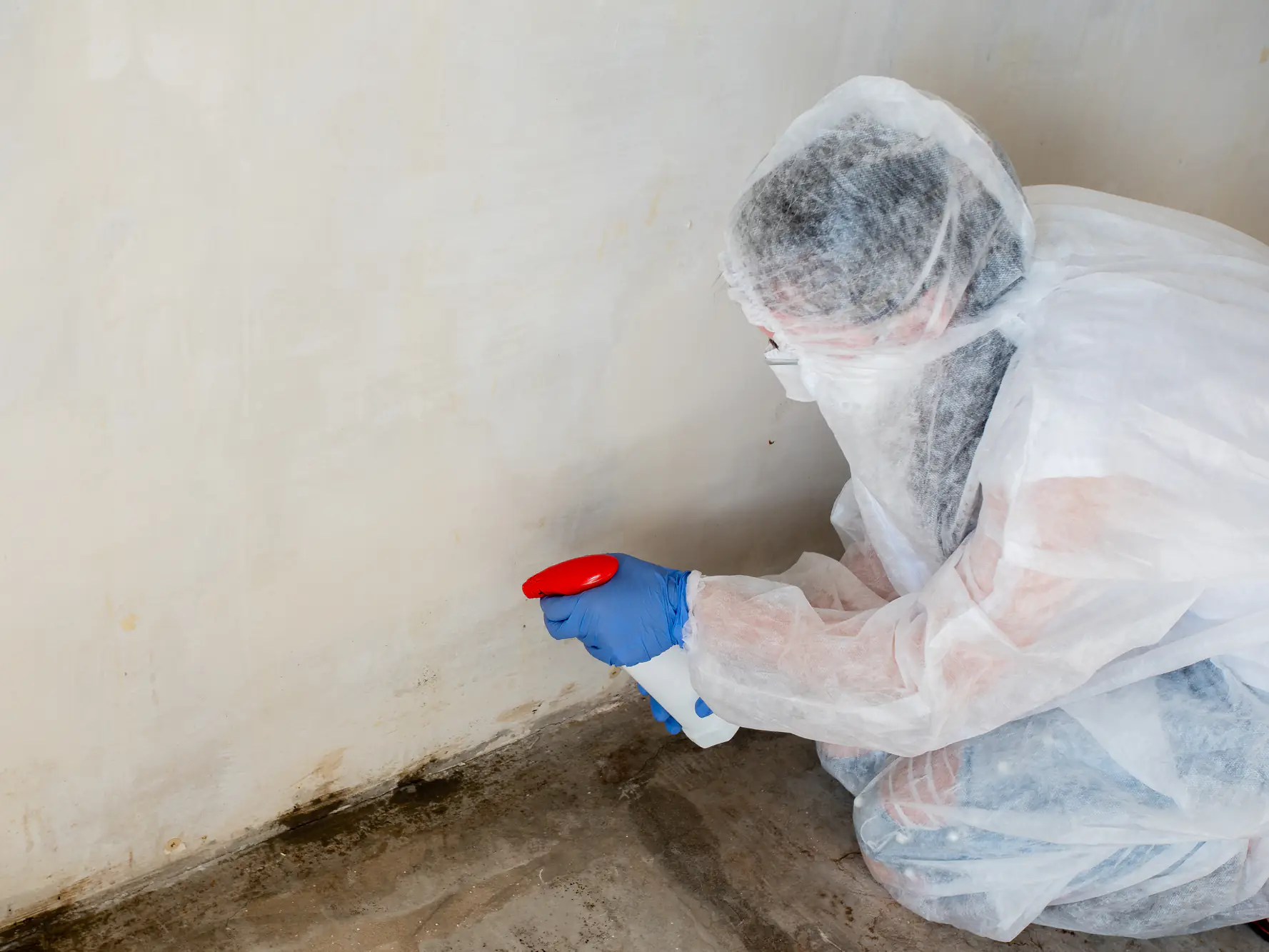
Once we identify the problem, we contain the area to prevent spores from spreading to clean parts of your home. Then we remove the mold using EPA-approved methods and equipment. If materials like drywall or insulation are too damaged, we remove and dispose of them safely.
But here’s the part that matters most: we find and fix the source. Whether it’s a leaky pipe, poor ventilation, or humidity that’s too high, we address what caused the mold so it doesn’t come back. After removal, we test the air quality to make sure your home is safe. If you need help with insurance paperwork, we handle that too.
Ready to get started?
You get a thorough inspection with moisture mapping and infrared scanning. We document everything with photos and detailed notes, which helps if you’re filing an insurance claim.
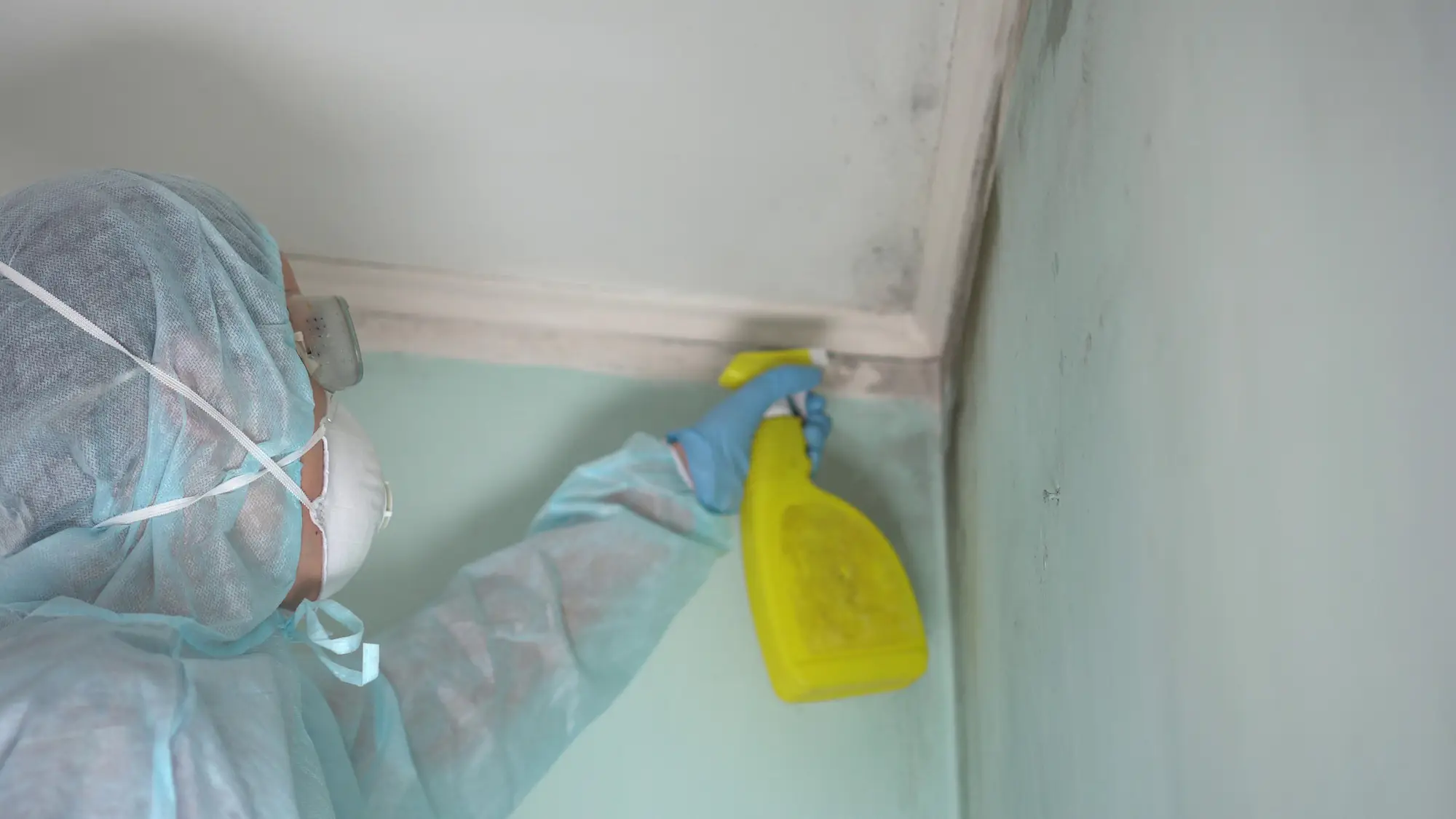
The removal process includes containment, HEPA filtration, antimicrobial treatment, and safe disposal of contaminated materials. We don’t just spray something and hope for the best—we physically remove the mold and treat surfaces to prevent regrowth.
In Linconia, we see a lot of basement mold from groundwater seepage and attic mold from roof leaks or poor ventilation. Older homes in Bucks County often have cast iron pipes that corrode, or original windows that let in moisture during heavy rain. We’ve dealt with all of it, and we know how to fix the underlying issue, not just the symptom.
After the job, you get air quality testing results and recommendations for preventing future problems. That might mean installing a dehumidifier, improving airflow, or repairing a structural issue. We’re available 24/7 for emergencies, because sometimes mold problems can’t wait until Monday morning.

It depends on how much mold you have and what’s causing it. A small area in a bathroom might cost a few hundred dollars. A basement with widespread growth and water damage can run several thousand.
The size of the affected area matters, but so does accessibility. Mold behind finished walls or in crawl spaces takes more time and labor to reach. If we need to remove and replace building materials like drywall or insulation, that adds to the cost.
Most homeowners insurance policies cover mold remediation if it’s caused by a sudden event like a burst pipe. If it’s from long-term neglect or maintenance issues, coverage gets tricky. We work with insurance companies regularly and can help you understand what’s covered. Before we start any work, you’ll get a detailed estimate so there are no surprises.
If it’s a very small area—less than 10 square feet—and it’s on a hard, non-porous surface, you might be able to handle it yourself with the right precautions. But most situations need a professional mold remediation specialist.
Black mold releases spores when disturbed. If you don’t contain the area properly, you spread the problem to other rooms. If you don’t have the right protective equipment, you’re breathing in mycotoxins that can cause respiratory issues, especially if you have asthma or allergies.
The bigger issue is finding the source. You might clean visible mold off a wall, but if there’s a leak behind it or high humidity in your home, it’ll be back in a few weeks. We use moisture meters and infrared cameras to find hidden growth and identify what’s feeding it. DIY methods don’t address the root cause, which is why people end up calling us after trying to fix it themselves.
A small, contained area might take one day. Larger jobs with multiple rooms or structural damage can take three to five days, sometimes longer if we’re waiting for materials to dry or repairs to be completed.
The inspection usually takes a couple of hours. Once we start remediation, we work efficiently but thoroughly. Containment and removal might take a day or two depending on the scope. Then we need time for antimicrobial treatment and air quality testing.
If the mold was caused by water damage, we also need to make sure everything is completely dry before we close up walls or reinstall materials. Rushing this step is how people end up with mold problems again. We’d rather take an extra day to do it right than have you call us back in six months because moisture was still trapped somewhere.
Mold releases spores and mycotoxins into the air. When you breathe them in, they irritate your nasal passages, throat, and lungs. People with asthma often have more frequent or severe attacks. Kids and elderly family members are especially vulnerable.
Common symptoms include coughing, sneezing, headaches, and fatigue. Some people develop skin rashes or eye irritation. If you have mold allergies, the reaction is worse. Long-term exposure can lead to chronic respiratory problems or infections, particularly in people with weakened immune systems.
Black mold gets the most attention, but any mold growing indoors is a problem. The longer it’s there, the more spores build up in your home’s air. You might not see it, but you’ll feel it—the air feels thicker, stuffier. Getting it removed improves your indoor air quality immediately, and most people notice they’re breathing easier within days.
The only way to prevent mold long-term is to control moisture. Mold needs water to grow. If you eliminate the moisture source, it can’t come back.
That means fixing leaks immediately—whether it’s a pipe, a roof, or a window that lets rain in during storms. It means improving ventilation in areas like bathrooms, kitchens, and basements where humidity builds up. Sometimes it means installing a dehumidifier to keep indoor humidity below 60%.
In Linconia and Bucks County, we see a lot of basement moisture from groundwater and poor drainage around foundations. Fixing that might involve exterior waterproofing or installing a sump pump. In attics, it’s usually ventilation issues or roof damage. We identify what’s causing the moisture problem during our inspection and give you specific recommendations. If you address those issues, mold won’t have the conditions it needs to grow back.
Yes. We work with homeowners insurance companies regularly and understand what documentation they need. We provide detailed reports, photos, moisture readings, and itemized estimates that support your claim.
Most policies cover mold remediation if the mold resulted from a covered event like a burst pipe or storm damage. If the mold developed because of long-term maintenance neglect, coverage is less likely. We can’t guarantee your claim will be approved, but we can make sure you have everything the adjuster asks for.
We’ll walk you through the process and answer questions about what’s typically covered. Some homeowners choose to file a claim, others pay out of pocket to avoid a rate increase. Either way, we keep you informed about costs upfront so you can make the best decision for your situation. Our job is to remove the mold safely and correctly—and to make the insurance part as painless as possible.
Other Services we provide in Linconia