
Hear from Our Customers
You stop wondering what’s growing behind your walls. You stop worrying every time your kid coughs or your allergies flare up for no reason. You get your house back without that musty smell that’s been there so long you almost stopped noticing it.
That’s what happens when mold removal is done right. Not just sprayed over. Not just wiped down and painted. Actually removed, with the moisture source fixed so it doesn’t come back in three months.
Most homeowners in Smithtown don’t realize how fast mold spreads once it starts. Pennsylvania’s humid summers create perfect conditions, especially in basements and crawl spaces near the Delaware River. Within 48 hours of water exposure, spores colonize. Within a week, you’ve got a problem that’s not going away on its own.
The outcome you’re looking for isn’t just clean surfaces. It’s knowing your family isn’t breathing in spores linked to asthma attacks and respiratory issues. It’s protecting your property value before visible mold tanks it by 20% or more. It’s getting back to normal without the constant low-level stress of living with a problem you can’t see but know is there.
We’ve been handling mold problems in Bucks County for over 25 years. We’re based in Bensalem, which means we know exactly what Smithtown homes deal with: older construction, basement moisture issues, and the humidity that comes with living in southeastern Pennsylvania.
Our team holds IICRC certifications, which matters because mold removal isn’t just cleaning. It’s containment, air filtration, proper disposal, and fixing what caused it. We follow EPA guidelines and Pennsylvania regulations because cutting corners in this work means the problem comes back or spreads.
We’re not the cheapest option, and that’s intentional. You’re paying for technicians who know the difference between surface mold and a contamination problem. Who understand that your insurance company needs specific documentation. Who won’t leave until the moisture source is identified and addressed, not just the visible growth.
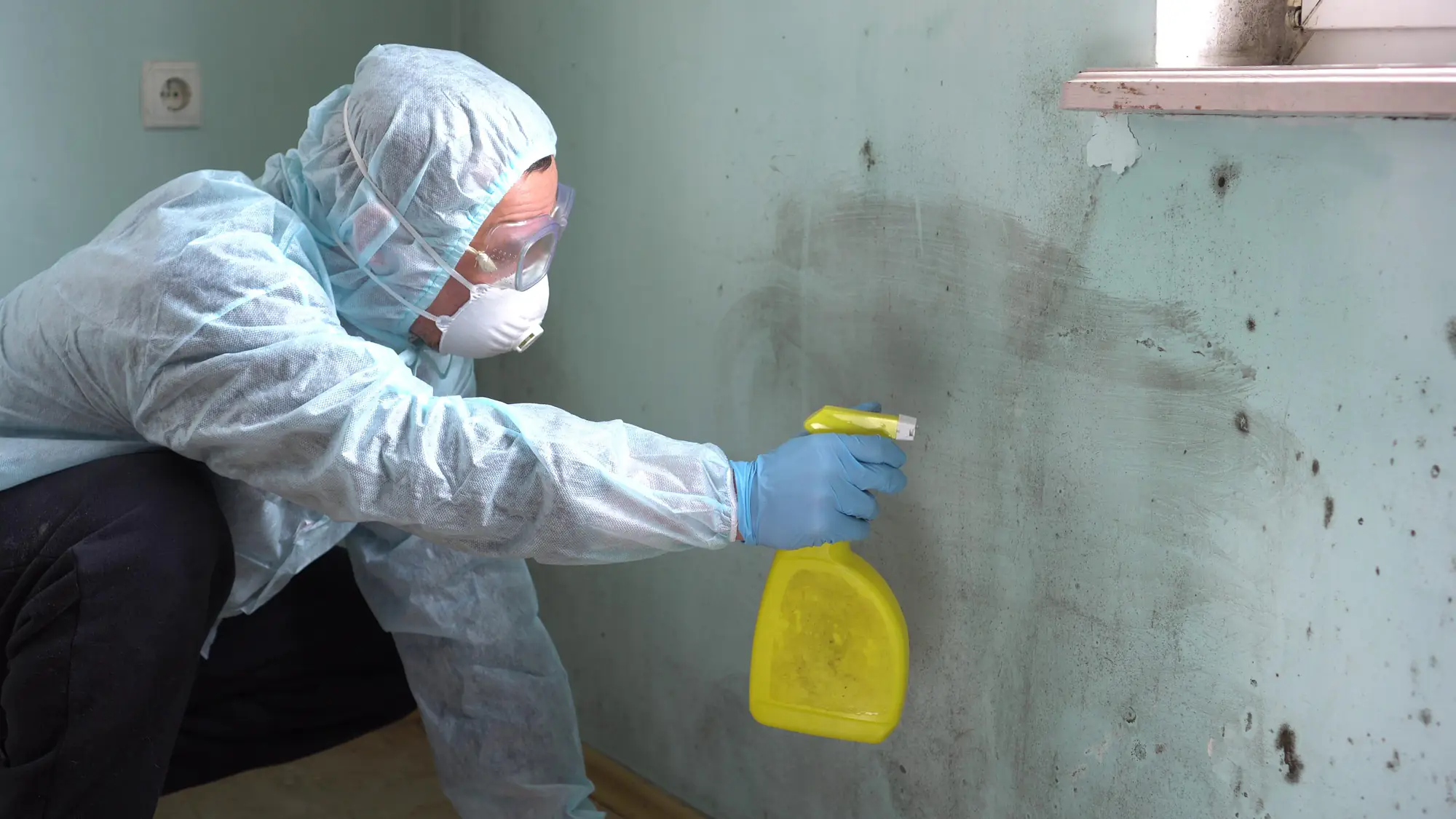
First, we do a free inspection. Not a sales pitch disguised as an inspection—an actual assessment of what you’re dealing with. We check the obvious spots and the ones most homeowners miss: behind baseboards, inside HVAC systems, under flooring near water sources.
Once we know the scope, we contain the area. This isn’t optional. Mold spreads through airborne spores, so we seal off the workspace with plastic sheeting and negative air pressure to keep contamination from reaching the rest of your house.
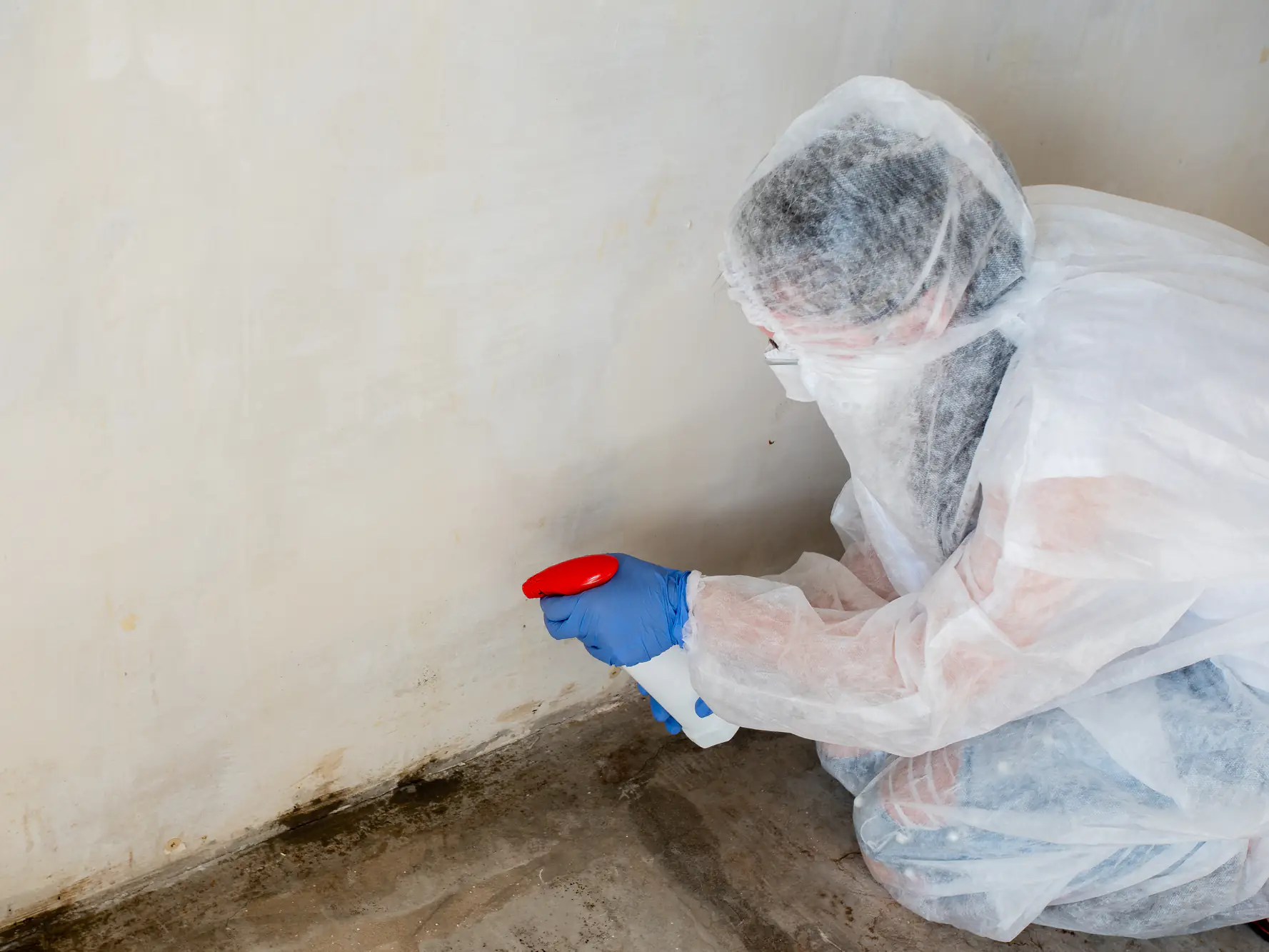
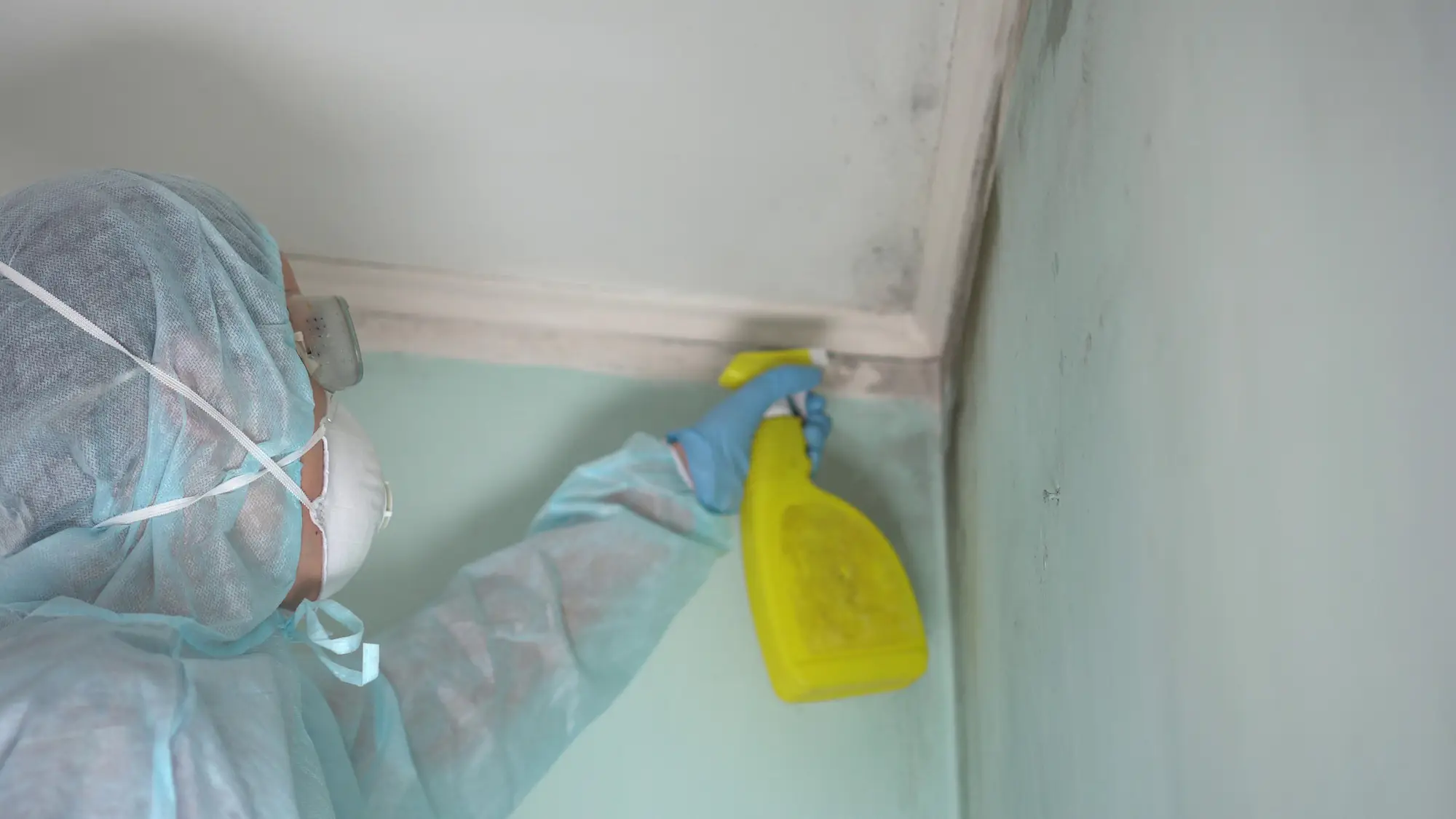
Then we remove it. Depending on what we find, that might mean HEPA vacuuming, antimicrobial treatment, or removing contaminated materials that can’t be salvaged. We don’t guess—we follow protocols based on the type of mold and the extent of growth.
The last step is the one most companies skip: fixing why it happened. We identify the moisture source, whether it’s a leak, condensation, poor ventilation, or groundwater intrusion. If we don’t address that, you’ll be calling someone back in six months. We also work directly with your insurance company if the damage is covered, handling documentation so you’re not stuck managing paperwork while dealing with a mold problem.
Ready to get started?
Every job includes inspection, containment, removal, air filtration, and prevention. But here’s what that actually means for your home in Smithtown.
Inspection covers visible and hidden mold. We use moisture meters and thermal imaging to find problems before they become disasters. Bucks County homes, especially older ones near Smithtown, often have mold in basements, attics, and behind walls where humidity gets trapped.
Containment keeps the problem from spreading while we work. We set up barriers and run HEPA air scrubbers to capture spores before they circulate through your HVAC system and contaminate clean areas of your house.
Removal is where experience matters. We know when materials can be cleaned and when they need to go. Drywall, insulation, and carpeting often can’t be saved if contamination is deep. We remove what’s necessary, treat what’s salvageable, and dispose of contaminated materials properly.
Prevention is the part that keeps you from calling us again. We locate the moisture source—whether it’s a foundation crack, a roof leak, or condensation from poor ventilation—and give you a clear plan to fix it. In Pennsylvania’s climate, controlling humidity and water intrusion is the only way to prevent mold long-term.

Mold spores are everywhere, but they need moisture to grow. After water damage, mold can start colonizing within 24 to 48 hours if conditions are right. In Smithtown’s humid climate, especially during summer months, that timeline can be even faster.
This is why speed matters. If you’ve had a leak, flood, or even persistent condensation, waiting a few days to “see if it dries out” usually means you’re already dealing with active growth. The longer water sits, the deeper it penetrates into drywall, insulation, and subflooring.
By the time you see visible mold, it’s often been growing for a while. The musty smell is usually the first sign. If you’re noticing that, don’t wait for visible spots to appear. An inspection catches problems early when they’re cheaper and easier to fix.
It depends on what caused the mold. Most homeowner’s insurance policies in Pennsylvania cover mold removal if it resulted from a “covered peril”—like a burst pipe, roof leak from storm damage, or appliance malfunction. If mold grew because of long-term neglect, poor maintenance, or flooding, coverage is less likely.
The key is documentation. Insurance companies want proof that the water damage was sudden and accidental, not gradual. That’s why we document everything during inspection and remediation: photos, moisture readings, scope of damage, and our process. We work directly with insurance adjusters to make sure claims are filed correctly.
If you’re not sure whether your policy covers it, call your insurance company before you call us. We can also review your policy language during the inspection and let you know what’s typically covered. Even if insurance doesn’t cover the full cost, addressing mold quickly prevents bigger expenses down the road—both in property damage and potential health issues.
Mold removal sounds like you’re getting rid of every single spore, but that’s not realistic. Mold spores exist everywhere—in the air, on surfaces, floating through your house right now. The goal isn’t to create a sterile environment. It’s to bring mold levels back to normal and remove active growth.
Mold remediation is the accurate term. It means we’re removing contaminated materials, cleaning affected surfaces, controlling airborne spores during the process, and addressing the moisture problem that allowed mold to grow in the first place. Remediation focuses on returning your home to a safe, healthy condition.
Companies that promise “complete mold removal” are either overselling or don’t understand the science. What matters is eliminating active colonies, preventing spread during cleanup, and fixing the underlying issue. That’s remediation, and it’s what actually solves the problem long-term. We’re mold removal experts in the sense that we know how to remediate properly—not because we’re making impossible promises about eradicating every spore.
You can’t tell by looking at it. Black mold—technically called Stachybotrys chartarum—is dark and slimy, but so are other types of mold. Color alone doesn’t tell you what species you’re dealing with or how dangerous it is.
Here’s what matters more than identification: all mold growth in your home is a problem. Whether it’s black mold, green mold, or white mold, it means you have excess moisture and organic material for it to feed on. Any indoor mold growth can trigger allergies, asthma, and respiratory issues, especially in kids, elderly family members, or anyone with a compromised immune system.
If you want definitive identification, we can arrange lab testing. A sample gets sent out and analyzed to determine the exact species. But in most cases, testing isn’t necessary for remediation. We treat all mold growth seriously, follow the same containment and removal protocols, and focus on eliminating the problem regardless of species. The health risks and property damage don’t wait for lab results, so neither do we.
For very small areas—less than 10 square feet, like a little spot on bathroom tile—you can usually handle it yourself with the right cleaner and precautions. But most mold problems in Smithtown homes are bigger than they look, and DIY cleanup often makes things worse.
Here’s why: disturbing mold without proper containment sends spores airborne. They spread through your HVAC system and land in areas that were previously clean. You might scrub away visible growth, but if you don’t address the moisture source, it comes back. And if mold has penetrated porous materials like drywall or insulation, surface cleaning doesn’t touch the problem.
Professional remediation includes containment to prevent spread, HEPA filtration to capture airborne spores, proper removal of contaminated materials, and identification of the moisture source. We also have the equipment to dry out structural materials and verify that humidity levels are back to normal. If you’re seeing mold in multiple spots, smelling it but not seeing it, or dealing with growth after water damage, calling mold removal specialists isn’t overkill. It’s the difference between fixing the problem and just covering it up temporarily.
Most residential mold remediation projects take between one and five days, depending on the size of the affected area and how deep the contamination goes. A single bathroom with surface mold might be done in a day. A finished basement with mold behind walls and under flooring could take a week.
The timeline also depends on drying time. Even after we remove contaminated materials and treat affected surfaces, we need to make sure everything is completely dry before reconstruction starts. Pennsylvania’s humidity can slow that process, especially in basements and crawl spaces with limited airflow.
We’ll give you a realistic timeline during the inspection, not a best-case scenario that assumes everything goes perfectly. Some jobs uncover additional problems once we open up walls or pull back flooring—that’s common in older Bucks County homes. If that happens, we walk you through what we found and what it means for the timeline and cost. You’re not locked into the original estimate if the scope changes. The goal is to do it right, not fast.
Other Services we provide in Smithtown