
Hear from Our Customers

That’s a different kind of problem in a place like Smithtown, PA. Homes along the Delaware River corridor sit on elevated groundwater, face documented flood zone exposure, and deal with the kind of ambient humidity that doesn’t exist ten miles inland. Bucks County already averages around 49 inches of rain a year well above the national average and the river valley amplifies that. Your ductwork doesn’t get a break from moisture the way homes in drier areas do.
After a proper air duct cleaning, you’re not just getting a cleaner system. You’re stopping the cycle. Mold that’s been distributing through your HVAC stops spreading. The air your family breathes stops carrying what’s been hiding in the ductwork. For homeowners with older stone farmhouses or properties that have sat unoccupied during humid summer months along the Delaware, that’s not a minor upgrade it’s a meaningful change in what’s actually happening inside the home.
We’re based in Bensalem and have been working throughout Bucks County for over 15 years. That’s not a franchise territory it’s a service area we actually know. We understand what moisture conditions look like along Route 32 through the Delaware River corridor near Smithtown, what older construction in Tinicum Township does to ductwork over time, and why a home near Smithtown Creek isn’t the same job as a house in a newer suburban development.
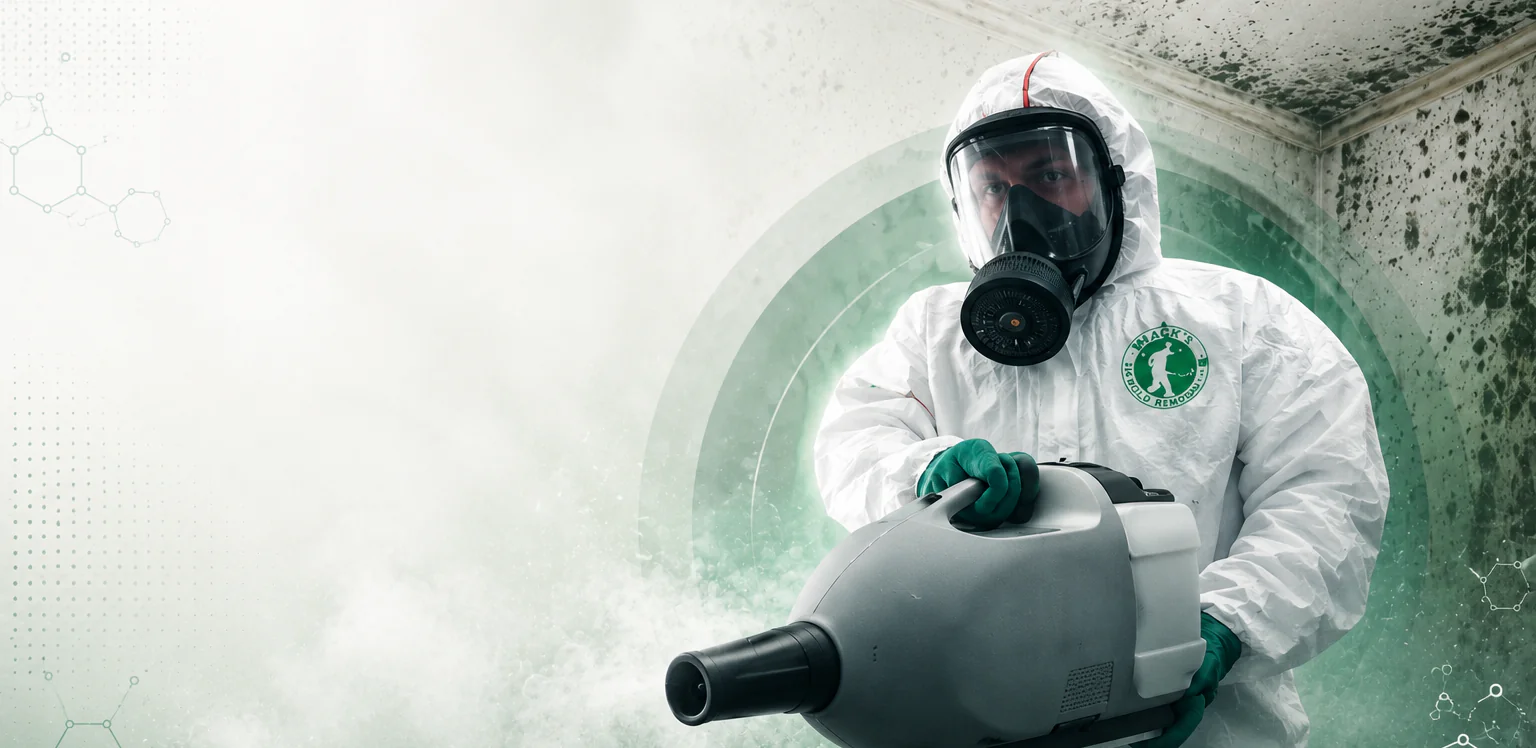
What sets us apart isn’t a tagline. It’s that certified mold remediation specialists handle the work not general HVAC technicians. When mold is involved, that distinction matters. Disturbing mold in a duct system without proper containment protocols can spread spores further into the home before a single vent is cleaned. We bring the same containment approach used in full remediation jobs to every air duct cleaning.
We also verify the work. Customers have noted that we test affected areas after the job to confirm the mold is actually gone not just that the visible debris has been removed. For a property in a flood-adjacent area like Smithtown, that post-service confirmation isn’t a bonus. It’s the only way to know the job was done right.
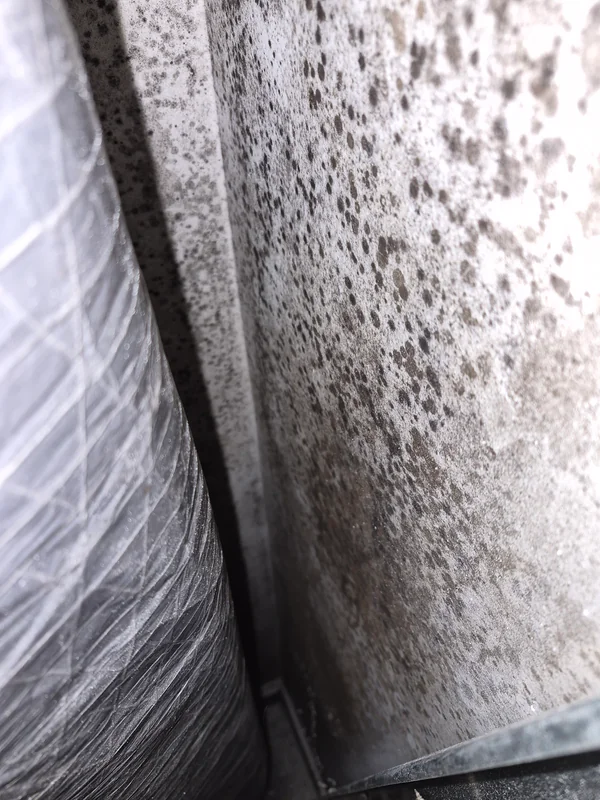
It starts with a free inspection. Before anything is quoted or scheduled, we take a look at the actual condition of your system. For homes in Tinicum Township especially properties near Smithtown Creek or the river with stone foundations, older ductwork, or a history of basement moisture this step matters more than it does in a newer home. What’s inside the ducts in a river-corridor property often tells a different story than what the registers look like from the outside.
Once the inspection is complete, you get upfront pricing before any work begins. No estimates that balloon after the fact, no pressure to add services on the spot. If mold is confirmed in the ductwork, the cleaning process includes containment the same protocols we use in a full remediation job so that disturbing the ducts doesn’t push spores further into the living space. The actual cleaning involves professional-grade equipment designed to reach deep into the duct system, not just the sections visible at the register.
After the cleaning is finished, we test to confirm the mold has been eliminated. That’s the step most companies skip. For a homeowner who uses the property seasonally, or for anyone managing a home that’s been through a wet spring along the Delaware, having documented confirmation that the system is clear is the difference between assuming the job worked and actually knowing it did. If dryer vent cleaning is also needed and in older homes with original vent configurations, it often is we can handle that in the same visit.
Ready to get started?
Our air duct cleaning covers the full system supply ducts, return ducts, and the components in between. Cleaning only one side of the system is a common shortcut that leaves the problem half-addressed. That’s not how we work. Both sides are cleaned, and the process is thorough enough that it typically takes several hours for a standard home which is what a legitimate job actually requires.
For Smithtown-area properties where mold is confirmed or suspected, air duct sanitizing is available as a follow-on step. Sanitizing applies an antimicrobial treatment to the interior duct surfaces after mechanical cleaning it’s not a substitute for cleaning, but it’s an important addition when biological contamination has been present. Given the moisture conditions along the Delaware River corridor and the frequency of mold-related HVAC issues in older Tinicum Township homes, this is often the right call.
Dryer vent cleaning is also part of what we handle. The NFPA reports nearly 16,000 dryer-related house fires annually in the U.S., with failure to clean the vent as the leading cause. In historic properties where dryer vents may run through stone walls or follow non-standard configurations from decades-old installations, lint accumulation and restricted airflow are real risks not theoretical ones. We also work directly with insurance companies when claims are involved, which is relevant for any homeowner in a documented flood zone navigating water damage and its downstream effects on their HVAC system. Flexible financing is available for those who need it.
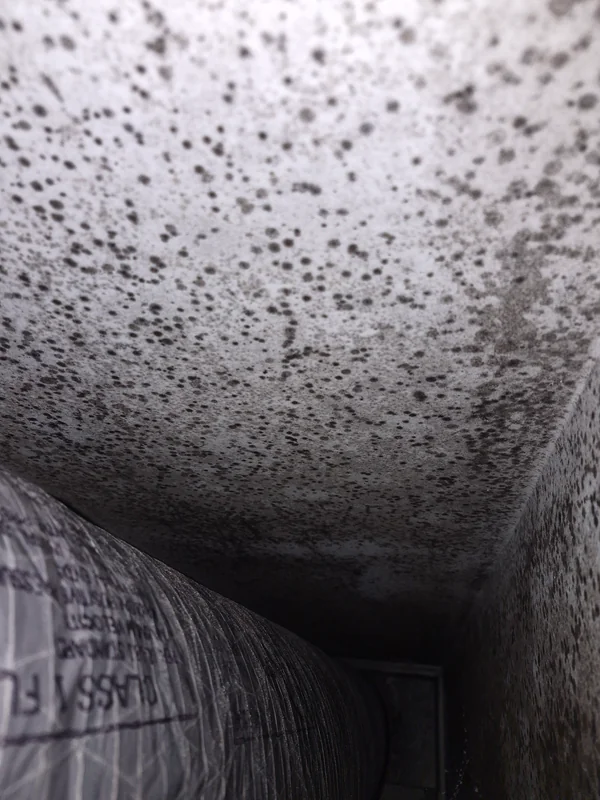
The most common sign is a musty or stale smell that appears specifically when the HVAC system turns on and then fades when the system shuts off. That pattern points directly at the ductwork as the source. Other indicators include visible discoloration or dark residue around supply registers, worsening allergy or respiratory symptoms indoors, or a history of basement moisture or water intrusion in the home.
In the Smithtown area, where properties sit near the confluence of Smithtown Creek and the Delaware River, moisture intrusion is a geographic reality rather than an occasional event. Homes in documented flood zones along River Road and the surrounding corridor deal with elevated groundwater and ambient humidity that creates ideal conditions for mold growth inside ductwork particularly in older homes where ducts run through stone-walled basements or crawl spaces. If you’ve noticed any of these signs, a free inspection is the right first step. You’ll know what’s actually there before committing to anything.
The EPA’s position on routine air duct cleaning meaning cleaning done simply as maintenance when there’s no specific problem is that the evidence for broad air quality benefits is mixed. That’s a fair characterization for homes with no identified issue. But the EPA also explicitly recommends cleaning when mold is confirmed inside the ducts, when there’s been a pest or rodent infestation, or when substantial debris is blocking airflow. Those aren’t edge cases they’re exactly the situations we’re called in to address.
For homes in Smithtown and throughout Tinicum Township, where moisture conditions and older housing stock create elevated mold risk in HVAC systems, the question isn’t really whether duct cleaning is worth it in the abstract. The question is whether your specific system has a problem that warrants it. That’s what the free inspection is for to give you an honest answer before any money changes hands.
Yes, and this is one of the most important things to understand after a remediation job. Mold remediation addresses the affected surfaces and materials in the area where mold was found. But if the HVAC system was running during the period when mold was active pulling air from a contaminated basement or crawl space and circulating it through the duct system spores can be present in the ductwork even after the source has been cleaned.
In older Tinicum Township homes where the HVAC system shares space with a stone basement, this pathway is particularly direct. The remediated area may be clean, but the ducts that were drawing air from it may not be. Skipping the duct inspection after a remediation job is one of the more common reasons mold problems recur the treated space gets recontaminated from the duct system that was never addressed. We handle both sides of this, which is exactly why a mold specialist doing the duct cleaning matters more than a general HVAC company.
Cleaning and sanitizing are two separate steps that serve different purposes, and both matter when mold is involved. Cleaning is the mechanical process using professional equipment to physically remove debris, dust, mold spores, and biological material from inside the duct system. This is the core of the job, and it has to happen first. Sanitizing comes after, and it involves applying an antimicrobial treatment to the interior duct surfaces to address any remaining biological contamination that mechanical cleaning alone may not fully eliminate.
Think of it this way: cleaning removes what’s there; sanitizing treats what’s left behind. For homes in the Delaware River corridor where moisture is a persistent environmental factor and mold tends to be a recurring concern rather than a one-time event sanitizing after cleaning is often the right call. It adds a layer of protection that makes sense given the conditions. We offer both, and the inspection process will give you a clear picture of whether sanitizing is warranted for your specific system.
The general industry guidance is every three to five years for a typical home under normal conditions. But “normal conditions” doesn’t describe most properties in Smithtown. Homes along the Delaware River corridor particularly those with stone foundations, basement crawl spaces, or a history of flooding or water intrusion operate in moisture conditions that accelerate mold growth inside ductwork. For those properties, waiting five years between cleanings is likely too long.
A more practical approach for river-adjacent and creek-adjacent homes is to have the system inspected after any significant water event a flood, a wet spring with high groundwater, or water intrusion in the basement and then on a regular schedule based on what the inspection actually shows. If you’ve purchased an older property in Tinicum Township and don’t know when the ducts were last cleaned, that’s also a strong reason to start with an inspection before assuming the system is in good shape. The age and construction style of many homes in this area means the ductwork has often been in place for decades without professional attention.
Yes. We serve Bucks County, and that includes properties along River Road (Route 32) through Tinicum Township the corridor that runs through Smithtown, Erwinna, Uhlerstown, and the surrounding Delaware River communities. This isn’t a stretch of our service area that gets treated as an afterthought. Bucks County is our primary territory, and the moisture conditions, older housing stock, and flood-zone exposure that define the River Road corridor are conditions we’ve worked in throughout our 15-plus years in the county.
For homeowners in this part of Upper Bucks County, the combination of rural location and limited local options for specialized mold services can make it feel like you’re on your own when a problem shows up. Our 24/7 availability and documented track record of same-day and next-day response means that distance from a commercial center doesn’t translate into waiting around. A free inspection is the starting point no commitment required to find out what’s actually going on in your system.
Other Services we provide in Smithtown