
Hear from Our Customers
The air smells normal again. Your family stops coughing at night. The basement doesn’t feel damp when you walk downstairs.
That’s what happens when the moisture source gets fixed—not just the mold you can see. Most homeowners in Neshaminy Woods deal with humidity levels above 70% during summer. Add older construction and poor ventilation, and you’ve got mold growing behind walls, under floors, in places you’d never think to check.
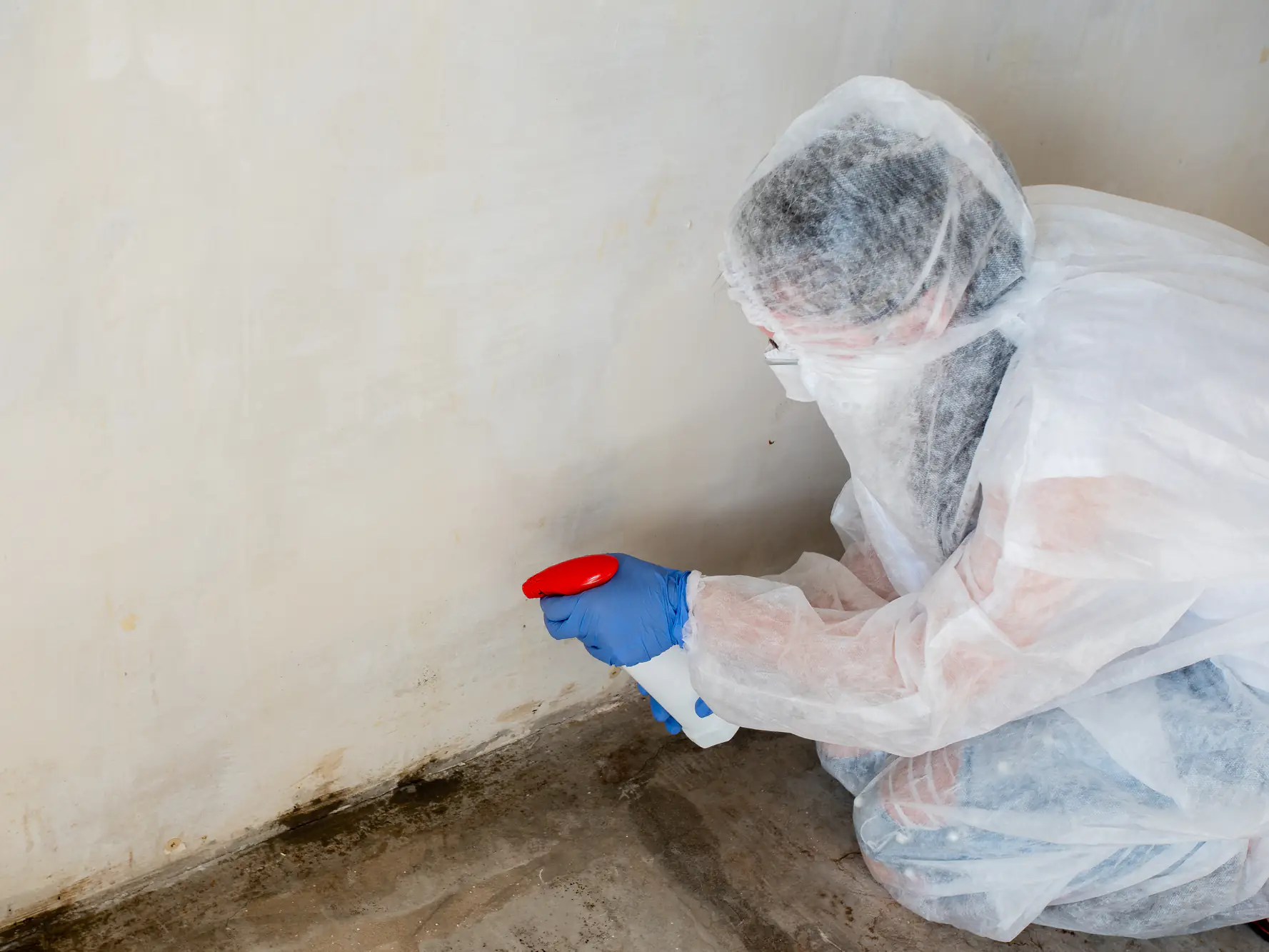
When we handle it correctly, we use thermal imaging to find hidden moisture. We pull samples to confirm what type of mold you’re dealing with. We remove contaminated materials safely, treat affected areas with EPA-approved solutions, and fix the conditions that let mold grow in the first place.
You’re not just paying for cleanup. You’re paying to stop the cycle so it doesn’t come back next season.
Mack’s Mold Removal works exclusively in Bucks County because we know how homes here are built. We know the basements flood during heavy spring rains. We know which neighborhoods have older HVAC systems that can’t handle the humidity.
We’re certified through IICRC standards, which means our team follows the same protocols insurance companies require. We document everything—moisture readings, air quality tests, photos before and after. If you’re filing a claim, you’ll have what you need.
Most of our work comes from referrals. That happens when you show up fast, do the job completely, and don’t leave people guessing about what happened or what’s next.
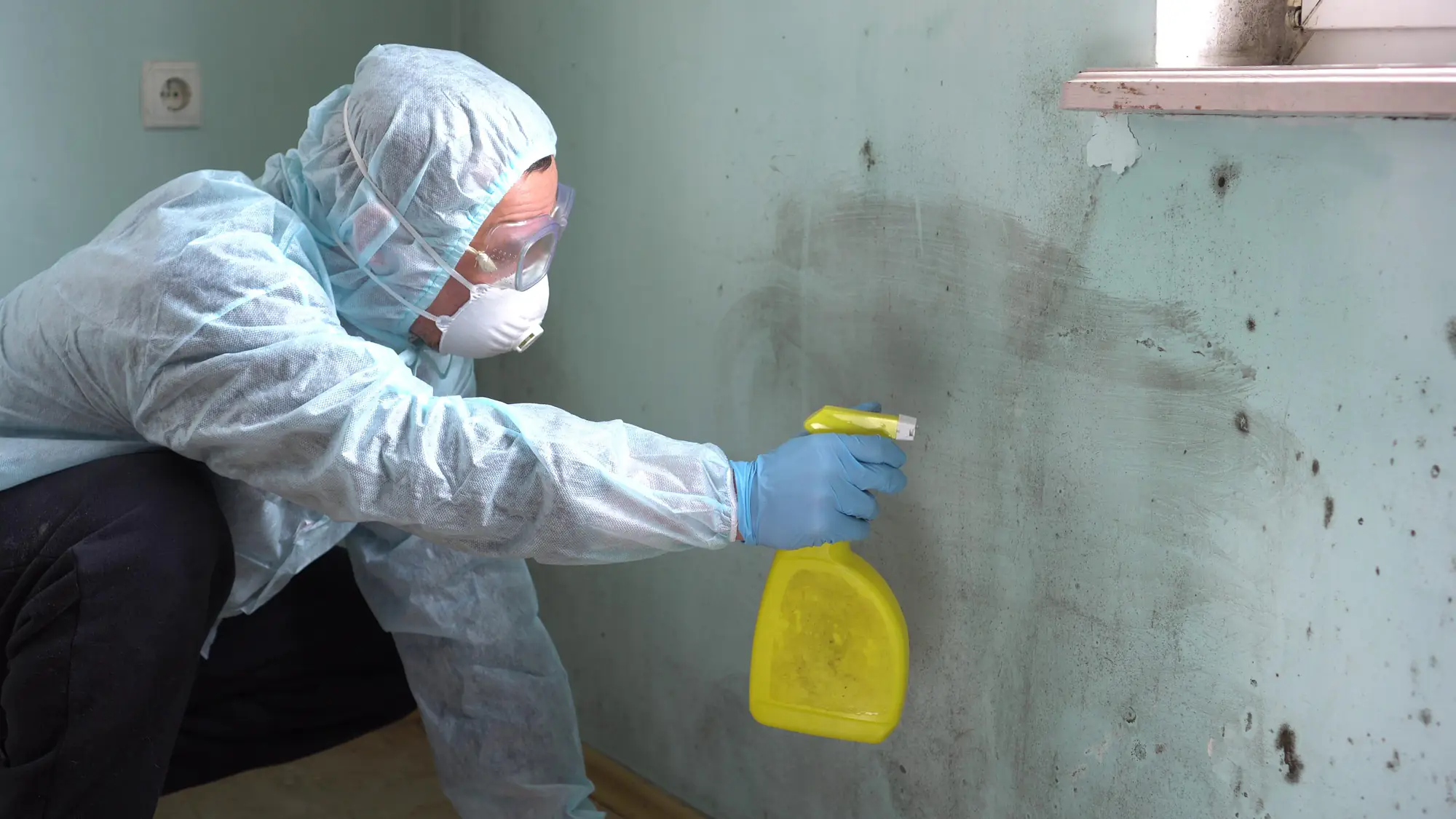
First, we inspect your property with moisture meters and infrared cameras. Mold grows where water sits, so we’re looking for leaks, condensation, poor drainage—anything that’s feeding the problem.
Once we map out the affected areas, we contain them with plastic sheeting and negative air pressure. That keeps spores from spreading to clean parts of your home during removal. Then we remove contaminated drywall, insulation, or flooring. If it’s porous and saturated, it has to go.
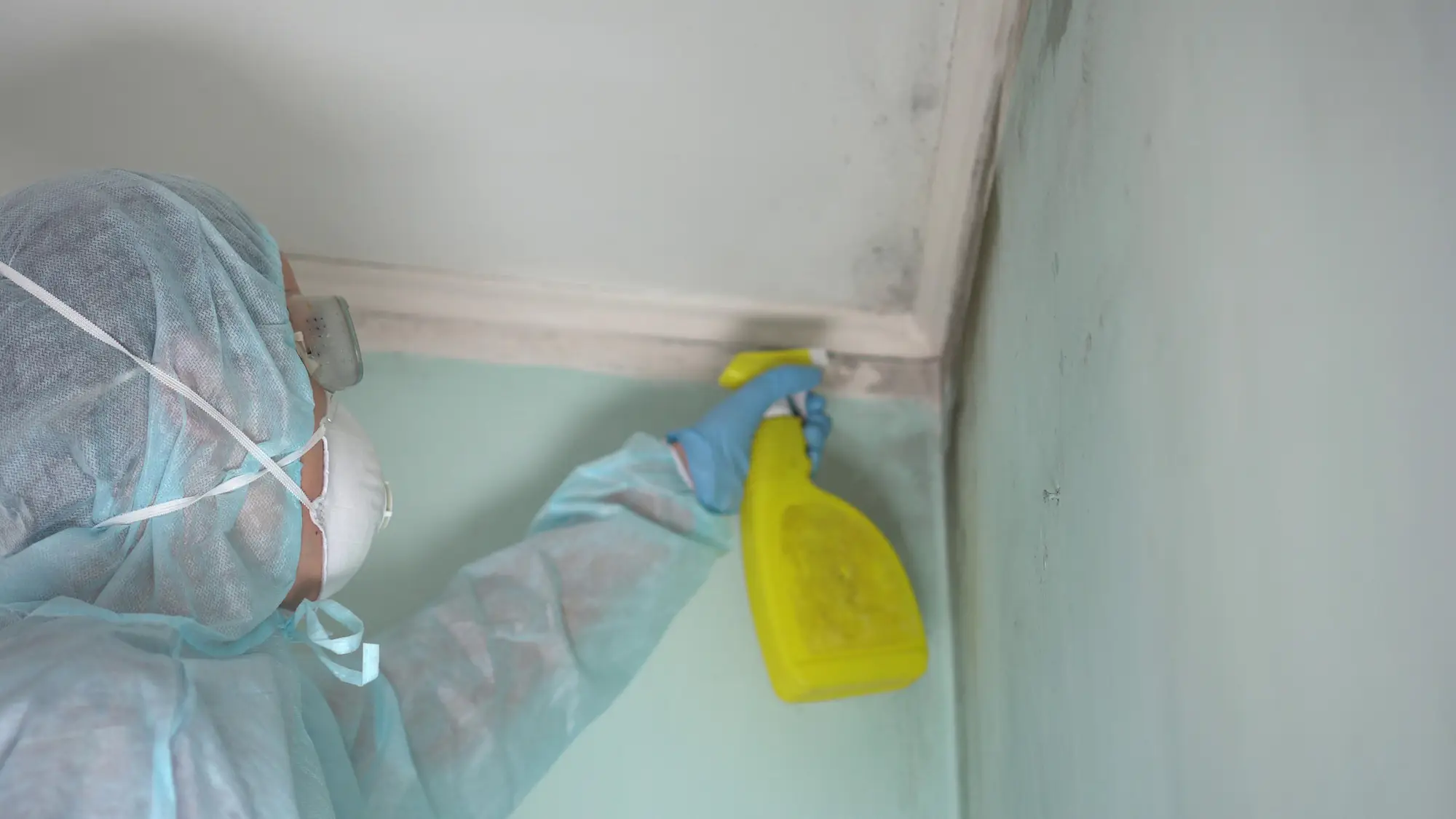
Next comes treatment. We apply antimicrobial solutions to all affected surfaces and run air scrubbers with HEPA filters to pull airborne spores out of the space. After that, we verify the air quality with post-remediation testing.
The final step is fixing what caused it. That might mean sealing a foundation crack, rerouting a downspout, or installing a dehumidifier. If the moisture problem isn’t solved, the mold will come back. We make sure that doesn’t happen.
Ready to get started?
Every mold remediation project in Neshaminy Woods starts with a free inspection. We assess the scope, identify moisture sources, and give you a written estimate before any work begins.
During remediation, we handle containment, removal, treatment, air filtration, and disposal of contaminated materials. We also take pre- and post-remediation photos, moisture readings at multiple stages, and air quality samples if needed for insurance or peace of mind.
Bucks County’s climate makes basements and crawl spaces especially vulnerable. Homes built before the 1980s often lack vapor barriers or proper grading, which means water finds its way in during every heavy rain. We see this constantly in Neshaminy Woods—older homes with beautiful bones but outdated moisture management.
After remediation, we walk you through prevention strategies specific to your property. That might include improving ventilation, adjusting grading around your foundation, or installing a sump pump. The goal isn’t just to fix today’s problem. It’s to make sure you’re not calling us again next year.

If you’re seeing visible mold, it’s already been growing for a while. Mold can start forming within 24 to 48 hours after water exposure, but what you see on the surface is usually just part of the problem.
The longer you wait, the more it spreads. Mold releases spores into the air, which land on other damp surfaces and start new colonies. In Neshaminy Woods, where summer humidity regularly hits 70% or higher, that spread happens faster than in drier climates.
Call within a day or two of discovering it. If there’s active water damage—like a burst pipe or roof leak—call immediately. The difference between a small cleanup and a full remediation project often comes down to how fast the moisture gets controlled.
Bleach kills mold on hard, non-porous surfaces like tile or glass. But it doesn’t penetrate porous materials like drywall, wood, or insulation. If mold has gotten into those materials, bleach just cleans the surface while the roots keep growing underneath.
There’s also the issue of what you can’t see. Most mold problems in Bucks County homes involve hidden growth behind walls or under flooring. You might scrub what’s visible and think it’s handled, but the real problem is still spreading where you can’t reach it.
We use containment, HEPA filtration, antimicrobial treatments, and moisture elimination. If the affected area is larger than 10 square feet, or if you’re dealing with black mold, the EPA recommends hiring professionals. It’s not about the cleaning—it’s about doing it safely and completely.
All mold can cause health issues if you’re exposed to enough of it, especially if you have asthma, allergies, or a weakened immune system. Symptoms like sneezing, coughing, congestion, and eye irritation are common. Some people develop more severe respiratory reactions.
Black mold (Stachybotrys) gets the most attention because it produces mycotoxins, but other types—like Aspergillus and Penicillium—can also cause problems. The only way to know exactly what you’re dealing with is through lab testing, which we can arrange during inspection.
What matters most isn’t the type. It’s the amount and how long you’ve been breathing it in. If you’re experiencing symptoms that get better when you leave the house, that’s a strong sign you have a mold problem that needs professional attention. Don’t wait for a lab result to take it seriously.
It depends on what caused the mold. If it’s from a sudden, accidental event—like a burst pipe or storm damage—most policies will cover remediation. If it’s from long-term neglect, like a slow leak you didn’t fix, they probably won’t.
Insurance companies want to see documentation. That means photos, moisture readings, a clear timeline, and proof that you acted quickly once you discovered the problem. We provide all of that as part of our process, and we’ll work directly with your adjuster if needed.
Some policies in Pennsylvania have mold coverage caps, often around $10,000. Others exclude mold entirely unless you’ve added a rider. Check your policy before you file a claim, and don’t start any work until the adjuster has seen the damage. If you remediate first and file later, you might lose your coverage.
Mold removal sounds like you’re getting rid of every spore, but that’s not realistic. Mold spores exist everywhere—in the air, on surfaces, floating through your HVAC system. You can’t eliminate them completely, and you don’t need to.
Mold remediation means bringing spore levels back to normal and eliminating the conditions that let mold grow out of control. That’s what we focus on: containment, removal of contaminated materials, treatment of affected areas, and moisture control.
The term “removal” gets used because that’s what people search for, but what you actually need is remediation. It’s a more accurate description of the process and the outcome. When we finish a job, your home isn’t mold-free in some sterile sense—it’s back to safe, normal levels with the moisture problem solved so mold can’t take over again.
Most residential jobs in Neshaminy Woods take two to five days, depending on the size of the affected area and how much material needs to be removed. A small bathroom with mold around the tub might take a day. A finished basement with mold behind drywall and in the subfloor could take a week.
The timeline also depends on drying time. After we remove contaminated materials and treat surfaces, everything has to dry completely before we can clear the space. We use dehumidifiers and air movers to speed that up, but you can’t rush it. If moisture is still present, mold will come back.
We’ll give you a realistic timeline during the inspection. If you’re living in the home, we’ll work around your schedule as much as possible. If the affected area is large or involves your HVAC system, you might need to stay elsewhere for a few days. We’ll let you know upfront so you can plan accordingly.
Other Services we provide in Neshaminy Woods