
Hear from Our Customers
You stop worrying about what’s growing behind your walls. Your kids aren’t coughing at night. The air in your home feels clean again—not stale or musty.
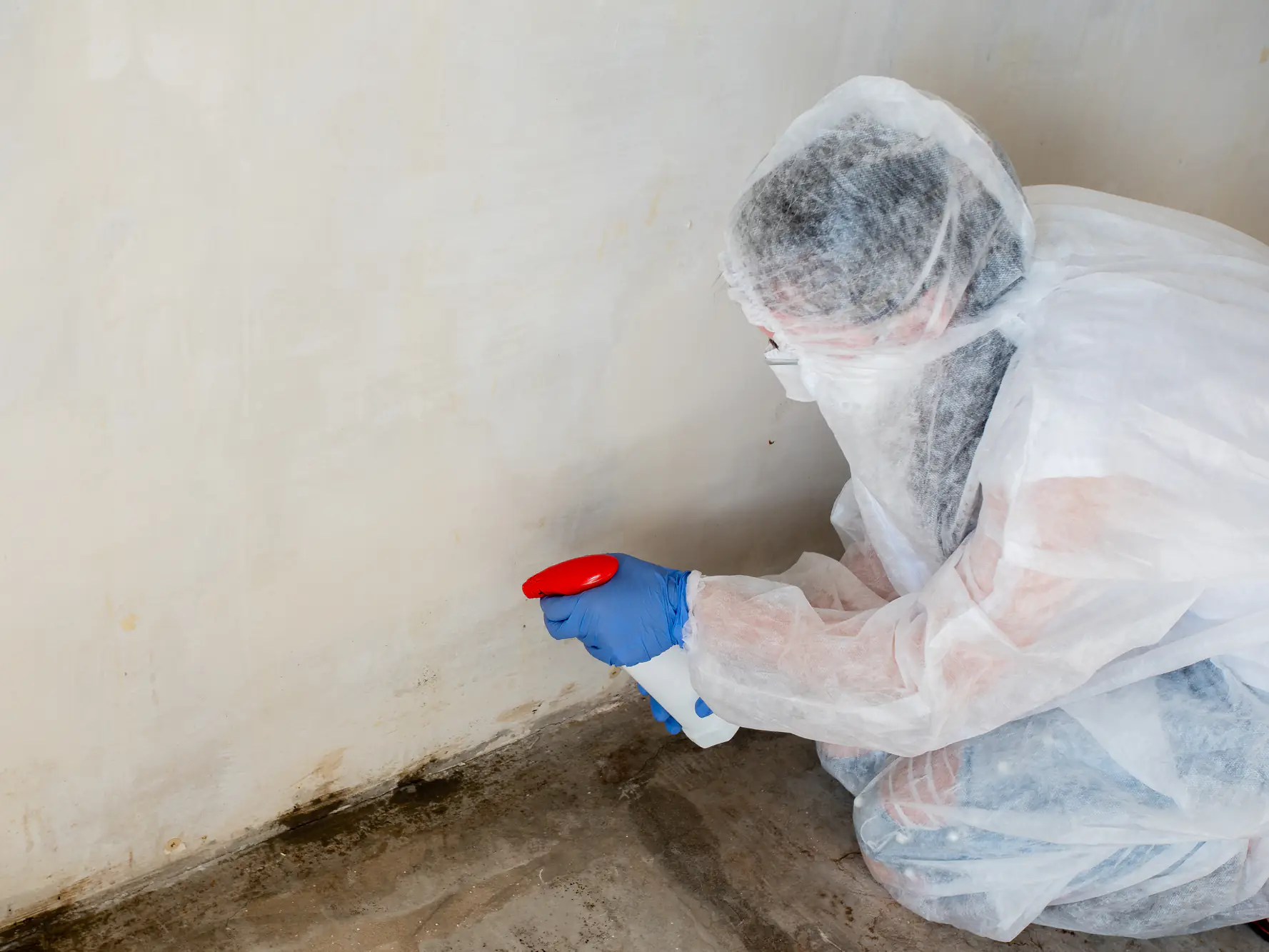
That’s what complete mold removal looks like. Not a quick spray-and-pray. Not a temporary cover-up. Real remediation means finding the source, eliminating the growth, and fixing what caused it in the first place.
When the job’s done right, you’re not just removing mold. You’re protecting your family from respiratory issues, allergic reactions, and long-term health risks. You’re also protecting one of your biggest investments—your home. Mold can cut property values by 20% or more if left untreated. Getting it handled now means you’re not dealing with structural damage, failed inspections, or insurance headaches down the road.
We’ve been helping families in Brittany Farms-The Highlands and across Bucks County deal with mold problems for years. We know the area. We know the homes. We know what causes mold here—whether it’s basement moisture from older foundations, attic condensation, or water intrusion after a storm.
We’re not a national franchise that shows up with a script. We’re local mold removal specialists who understand what homeowners in this community are dealing with. You’re not getting a sales pitch. You’re getting a free inspection, an honest assessment, and a clear plan to fix the problem.
Our team uses EPA-approved methods, advanced detection tools, and proven remediation techniques. We handle everything from black mold in basements to hidden growth behind drywall—and we work with your insurance when coverage applies.
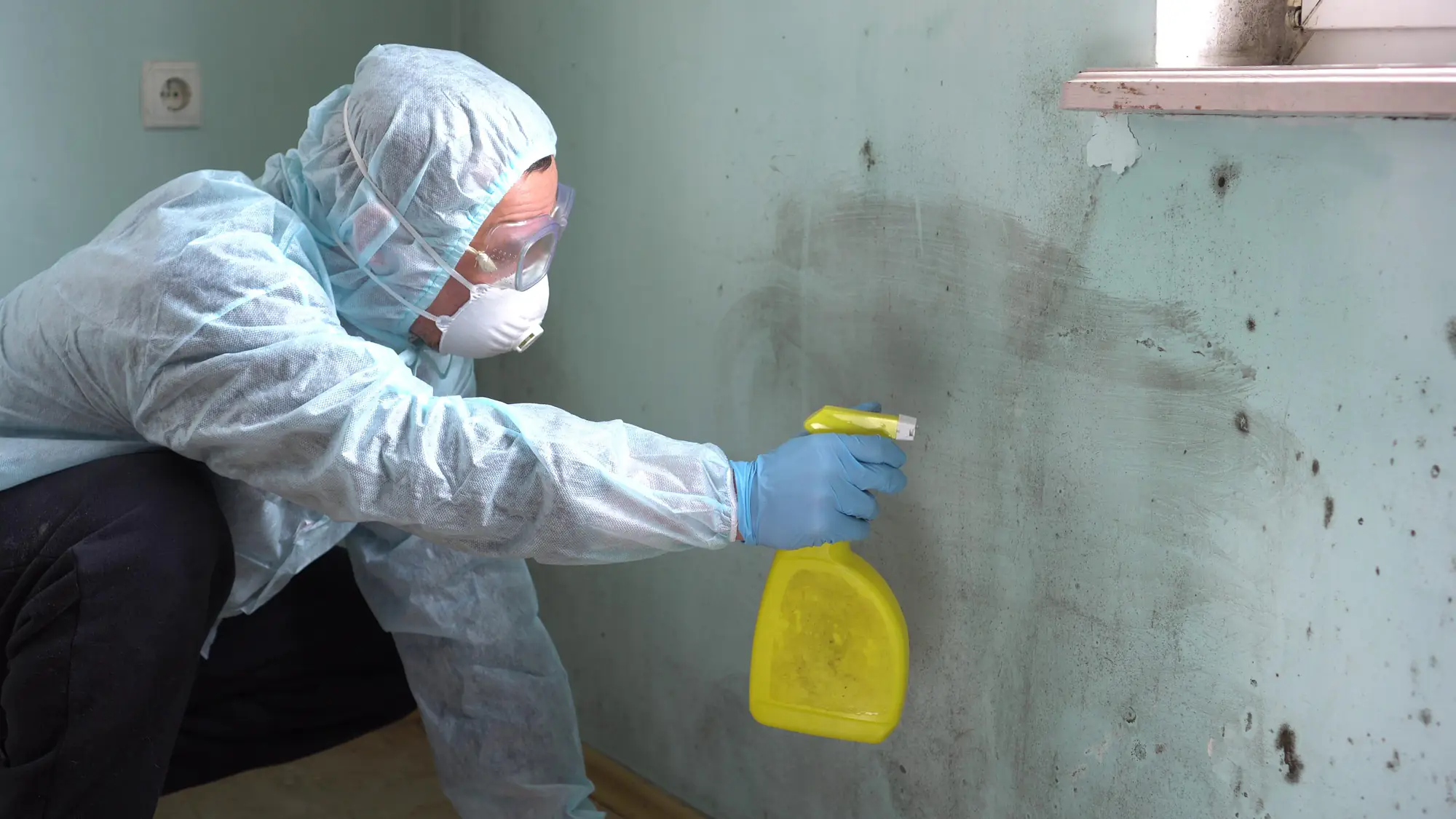
First, we inspect your property—thoroughly. That means checking visible areas and the spots most people miss: crawl spaces, attics, behind appliances, inside HVAC systems. We use moisture meters and infrared cameras to find hidden water sources feeding mold growth.
Next, we contain the area. Mold spreads fast—within 24 to 48 hours after water exposure. We seal off affected zones with plastic sheeting and negative air pressure to keep spores from contaminating the rest of your home.
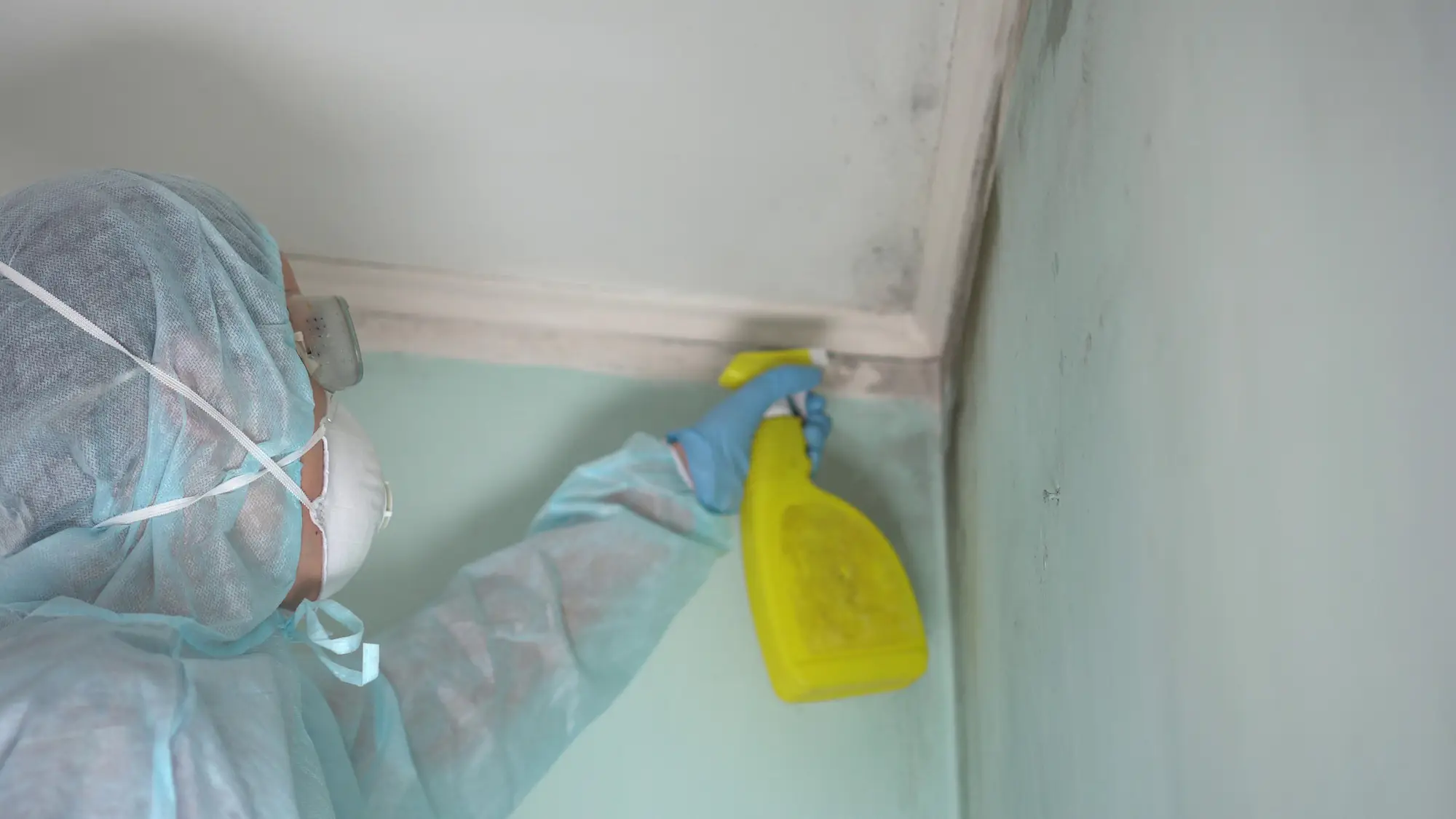
Then we remove it. Not just surface cleaning—actual removal of contaminated materials when necessary. We use HEPA filtration, antimicrobial treatments, and proper disposal methods. If drywall, insulation, or flooring is compromised, we handle that too.
Finally, we address the cause. Whether it’s a leaky pipe, poor ventilation, or drainage issues, we help you understand what led to the problem so it doesn’t come back. We also offer post-remediation testing to confirm your home is clear.
Ready to get started?
You get a full property inspection at no cost. We assess the extent of contamination, identify moisture sources, and explain what needs to happen next—in plain language, not jargon.
You get complete containment and safe removal using professional-grade equipment. That includes HEPA air scrubbers, antimicrobial treatments, and proper disposal of contaminated materials. If structural repairs are needed, we coordinate that work too.
You also get help navigating insurance claims when applicable. Homeowners insurance in Pennsylvania typically covers mold if it’s caused by a sudden event like a burst pipe—not long-term neglect. We document everything and work with your adjuster to streamline the process.
In Brittany Farms-The Highlands, we see mold issues tied to older home construction, finished basements with moisture problems, and attic condensation during temperature swings. Knowing the local housing stock helps us move faster and recommend the right solutions. You’re not explaining your home to us—we already know what we’re likely dealing with before we arrive.

If you see visible mold growth larger than a few square feet, smell a persistent musty odor, or have ongoing moisture problems, it’s time to call in mold removal experts. Small surface mold on a bathroom tile might be manageable with household cleaners. But if it’s spreading, hidden, or keeps coming back, that’s a sign of a bigger issue.
Black mold—or any mold growing on drywall, insulation, wood framing, or inside HVAC systems—requires professional remediation. DIY attempts often make things worse by disturbing spores and spreading contamination without proper containment. Health symptoms like chronic coughing, skin irritation, or worsening allergies are also red flags, especially if they improve when you leave the house.
In Brittany Farms-The Highlands, many homes have finished basements or older foundations that hold moisture. If you’ve had water intrusion, a sump pump failure, or notice condensation in your attic, get an inspection. Mold can start growing within 24 hours of water exposure, and waiting only increases the damage and cost.
It depends on what caused the mold. Most homeowners insurance policies in Pennsylvania cover mold if it results from a sudden, accidental event—like a burst pipe, appliance malfunction, or storm damage. Coverage limits typically range from $1,000 to $10,000, though some policies offer higher limits or exclude mold entirely.
What insurance won’t cover is mold from long-term neglect, poor maintenance, or gradual leaks you ignored. If your basement has been damp for months and you didn’t address it, that’s likely not covered. Flood-related mold also requires separate flood insurance, which most standard policies don’t include.
We help document the damage, provide detailed reports, and work directly with your insurance adjuster when applicable. The key is acting fast. If you wait too long to report water damage or start remediation, insurers may argue the problem became worse due to delays—and deny your claim. Getting a professional mold removal specialist involved early protects both your health and your coverage.
Most residential mold removal jobs take between one and five days, depending on the size of the affected area and the extent of contamination. A small bathroom or closet might be done in a day. A finished basement with hidden mold behind walls could take a week or more, especially if structural repairs are involved.
The timeline also depends on how quickly we can dry out the space. High humidity or ongoing moisture problems slow things down. We use commercial dehumidifiers and air movers to speed up drying, but some materials—like thick insulation or wood framing—take time to fully dry.
You’ll usually need to stay out of the contaminated area during active remediation, but the rest of your home remains accessible. We contain the work zone with plastic barriers and negative air pressure to prevent cross-contamination. Once removal is complete, we can arrange post-remediation testing to confirm your home is safe. For most families in Brittany Farms-The Highlands, the process is faster and less disruptive than they expect—especially compared to letting the problem sit and grow.
Mold removal refers to physically eliminating visible mold growth. Mold remediation is the full process—removal plus addressing the underlying moisture problem so it doesn’t come back. True mold experts focus on remediation, not just removal.
Here’s why that matters: you can scrub mold off a surface, but if the leak or humidity issue isn’t fixed, it’ll grow back within weeks. Remediation means identifying the water source, repairing it, drying out affected materials, removing contaminated items, treating surfaces with antimicrobials, and confirming the environment is no longer conducive to mold growth.
Some companies will spray a sealant over mold and call it done. That’s not remediation—it’s a temporary cover-up. Real remediation involves containment, HEPA filtration, proper removal of porous materials like drywall or insulation when necessary, and fixing what caused the problem. In Brittany Farms-The Highlands, where basements and crawl spaces are common moisture sources, remediation often includes improving drainage, sealing foundation cracks, or upgrading ventilation. That’s the difference between a quick fix and a lasting solution.
Small, surface-level mold on non-porous materials like tile or glass can sometimes be cleaned with household products. But anything larger than about 10 square feet, or mold growing on porous materials like drywall, wood, or insulation, should be handled by a mold removal specialist. DIY attempts often do more harm than good.
The biggest risk is disturbing mold without proper containment. When you scrub or tear out contaminated materials, you release millions of spores into the air. Without HEPA filtration and containment barriers, those spores spread throughout your home—into your HVAC system, your furniture, your belongings. What started as a localized problem becomes a whole-house issue.
There’s also the health risk. Black mold and other toxic species can cause serious respiratory problems, especially during removal when spore counts spike. Professional mold remediation uses protective equipment, negative air pressure, and proper disposal methods to keep you and your family safe. In Brittany Farms-The Highlands, where many homes are high-value properties, trying to cut corners on mold removal can hurt your resale value and create liability issues if the problem isn’t properly documented and resolved.
Control moisture—that’s the entire game. Mold needs water to grow. If you keep indoor humidity below 50%, fix leaks immediately, and ensure proper ventilation, mold won’t come back. After remediation, we’ll walk you through the specific moisture sources in your home and what to monitor.
Start with the basics: check your gutters and downspouts to make sure water drains away from your foundation. Inspect your basement or crawl space regularly for signs of moisture or condensation. Run a dehumidifier in damp areas, especially during humid summer months. Make sure bathrooms and kitchens have working exhaust fans that vent outside—not into your attic.
If your home has had repeated mold issues, there’s usually an underlying problem: poor grading around the foundation, a failing sump pump, roof leaks, or inadequate attic ventilation. We help identify those issues during remediation so you’re not paying for the same fix twice. In Brittany Farms-The Highlands, older homes sometimes need foundation waterproofing or better drainage solutions. Addressing those problems upfront costs less than dealing with recurring mold growth and the health risks that come with it.
Other Services we provide in Brittany Farms-The Highlands