
Hear from Our Customers
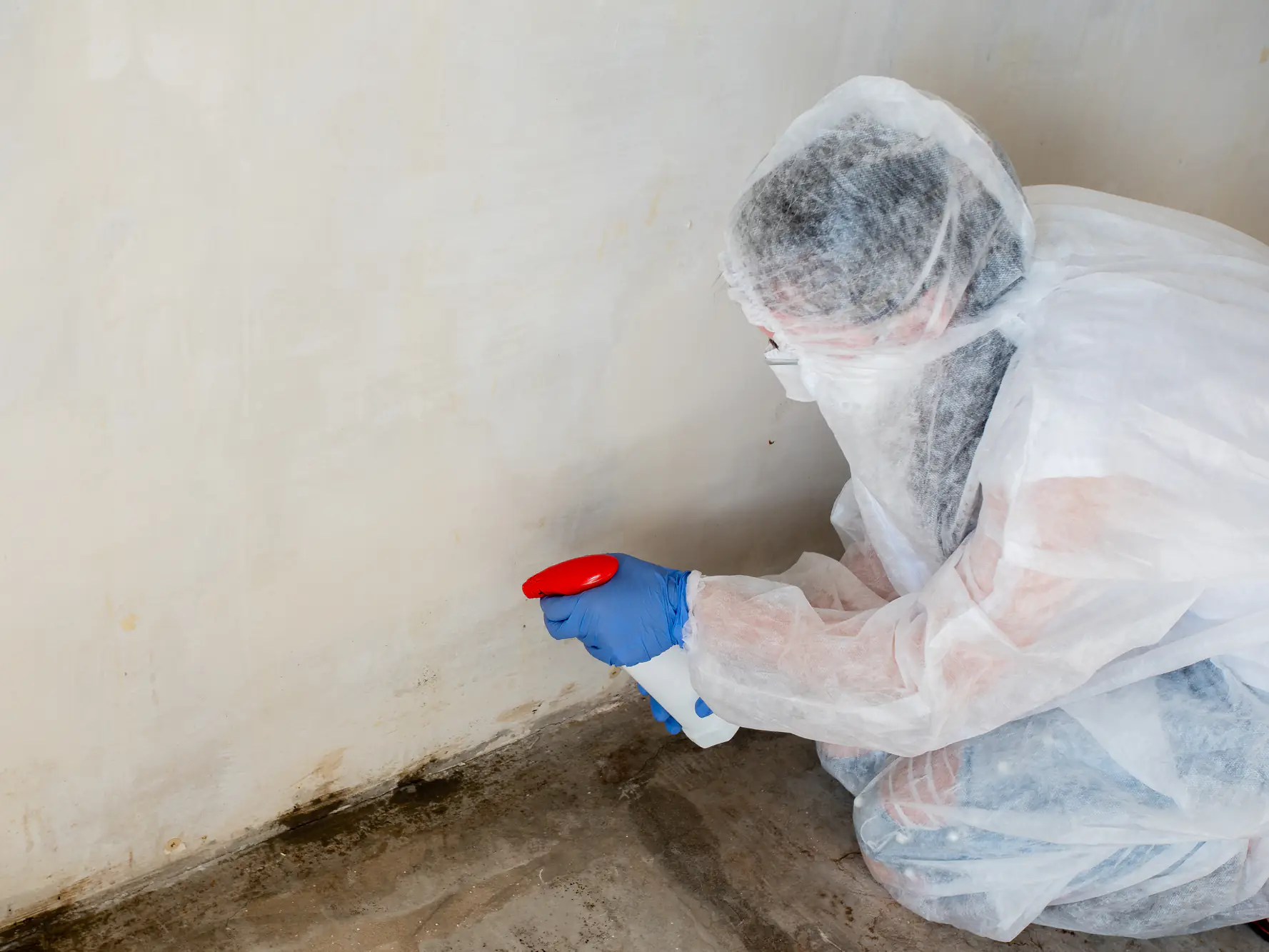
You’re not imagining it. That musty smell, the dark spots creeping across your basement wall, the allergies that won’t quit—mold doesn’t announce itself politely, and it doesn’t leave on its own.
Here’s what matters: getting it removed completely, finding out why it showed up, and making sure it doesn’t come back. That’s the difference between a quick cleanup and actual remediation.
When mold is gone and the source is fixed, you stop wondering if your home is making your family sick. You stop worrying about what a buyer’s inspector might find. You get your space back without the constant low-grade stress that something’s wrong but you’re not sure what to do about it.
Richland’s humidity doesn’t help. Summers here create the exact conditions mold loves—moisture that lingers, basements that stay damp, attics that don’t dry out. You can’t control the weather, but you can control what happens inside your walls.
We work with homeowners across Richland, PA and throughout Bucks County. We’re not a national franchise with a local sticker on the door—we’re here, we know the area, and we’ve seen what Pennsylvania’s climate does to homes that aren’t protected.
Our team includes certified mold remediation professionals trained in EPA-approved methods. We don’t just scrub surfaces and hope for the best. We inspect, test, remove, and address the underlying issue so you’re not calling someone back in six months.
Richland homeowners deal with older housing stock, high summer humidity, and basements that weren’t built with modern moisture management in mind. We get it. That’s why we start with a free inspection and explain what’s actually happening before we touch anything.
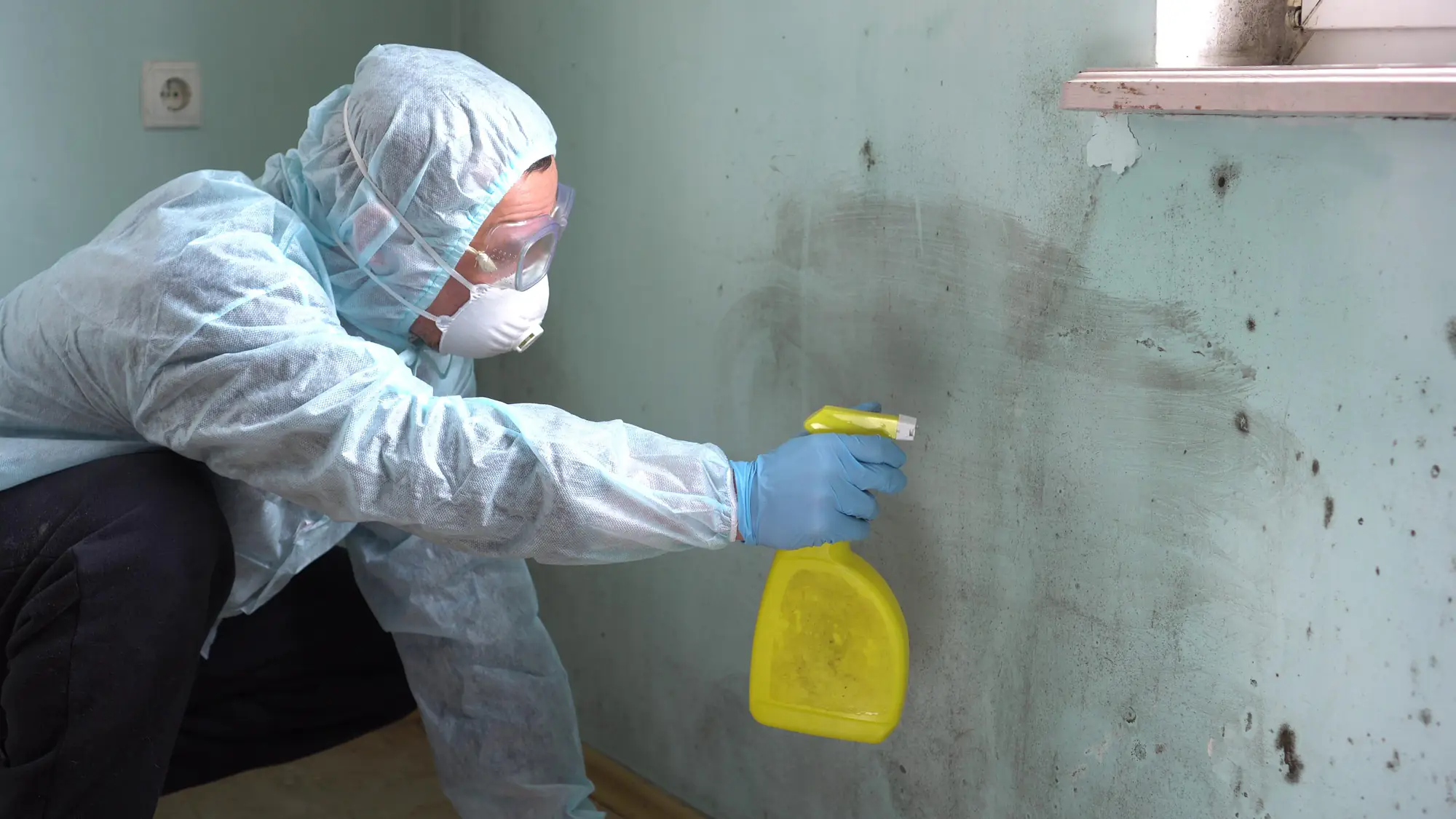
First, we inspect. That means looking at the visible mold and checking the places you can’t see—inside walls, under floors, around HVAC systems. We’re looking for the source, not just the symptom.
Next, we test if needed. Not every situation requires lab work, but when there’s a question about what type of mold you’re dealing with or how far it’s spread, testing gives us a clear answer.
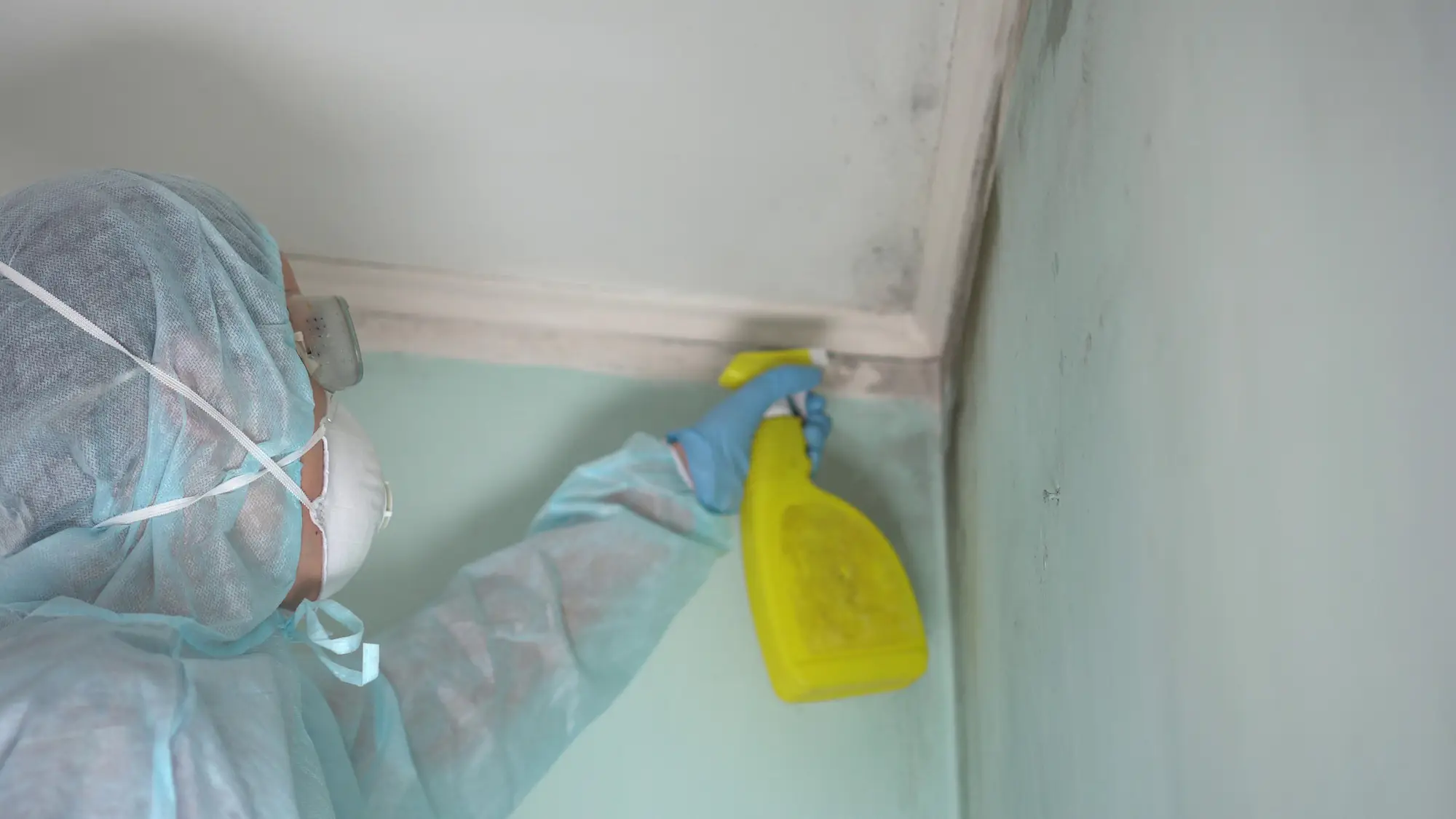
Then we contain and remove. We seal off the affected area so mold spores don’t spread during removal. We use HEPA filtration and EPA-approved methods to safely extract contaminated materials and clean surfaces down to safe levels.
Finally, we fix what caused it. A leaky pipe, poor ventilation, a crack in the foundation—whatever let moisture in gets addressed. Otherwise, you’re just buying time until it happens again.
After remediation, we can help with repairs and restoration if drywall or flooring had to come out. The goal is to hand you back a space that’s clean, dry, and safe.
Ready to get started?
You’re paying for someone who knows the difference between surface mold and a contamination problem. You’re paying for equipment that actually works—HEPA vacuums, air scrubbers, moisture meters, infrared cameras that find hidden water damage.
You’re also paying for honesty. If your mold problem is small and you can handle it yourself, we’ll tell you. If it’s bigger than you think, we’ll show you why.
In Richland and Bucks County, we see a lot of basement mold tied to groundwater issues and a lot of attic mold from poor ventilation during humid summers. Both are fixable, but they require different approaches. A mold removal specialist who’s worked in this area knows what to look for and how to solve it.
We also work with your insurance company if your policy covers mold remediation. Not all do, and coverage often depends on how quickly you responded to the water problem that caused it. We’ll help you document everything and communicate with your adjuster so you’re not navigating that process alone.
Black mold gets the most attention, but any mold that’s growing indoors is a problem. It affects your air quality, your health, and your property value. The best mold remediation company isn’t the one that quotes you the lowest price—it’s the one that removes it completely and makes sure it doesn’t come back.

Mold can start forming within 24 to 48 hours after flooding, a leak, or any situation where materials stay wet. That’s not a lot of time, especially if the water damage happens while you’re away or in a spot you don’t check often.
Pennsylvania’s humidity makes it worse. Moisture doesn’t evaporate as quickly here, especially in basements and crawl spaces. If you’ve had a pipe burst, a roof leak, or even just a slow drip that’s been going on longer than you realized, there’s a good chance mold has already started.
The faster you respond, the less damage you’re dealing with. If it’s been more than a couple days, don’t assume it’s fine just because you don’t see anything yet. Mold grows in hidden areas first—inside walls, under flooring, behind cabinets. By the time it’s visible, it’s usually been there a while.
If it’s a small area—less than 10 square feet—and it’s on a hard, non-porous surface like tile or glass, you can probably handle it yourself with the right cleaner and some ventilation. But if it’s larger, if it’s on drywall or wood, or if you’re not sure how far it’s spread, you need a professional.
Here’s why: disturbing mold without proper containment spreads spores throughout your home. Scrubbing it without the right equipment just moves the problem around. And if you don’t fix the moisture source, it grows back.
Mold remediation isn’t just about cleaning what you can see. It’s about removing contaminated materials safely, treating affected areas with the right products, and addressing the underlying cause. If you’ve got mold in your HVAC system, inside your walls, or across a large section of your basement, a mold removal expert has the training and equipment to do it right the first time.
It depends on how much mold there is, where it’s located, and what caused it. A small, contained area might cost a few hundred dollars. A larger remediation project that involves removing drywall, treating structural materials, and fixing a moisture problem can run several thousand.
The average mold remediation cost in Pennsylvania is around $2,347, but that’s just an average. Your situation might be simpler or more complex.
What affects the price? Size of the affected area, accessibility, type of materials involved, whether testing is needed, and how much repair work is required after removal. If your mold problem is tied to a bigger issue like a foundation crack or a failing sump pump, that adds to the cost—but it also has to be fixed or the mold will just come back.
We offer free inspections so you know what you’re dealing with before you commit to anything. No surprise charges, no upselling services you don’t need. Just a clear assessment and a fair price for the work that actually has to be done.
Sometimes, but it depends on what caused the mold and how your policy is written. Most homeowners insurance will cover mold remediation if it’s the result of a “covered peril”—like a burst pipe or sudden water damage—and if you took reasonable steps to address the water problem quickly.
If the mold is from long-term neglect, a slow leak you didn’t fix, or a maintenance issue like poor ventilation, most policies won’t cover it. Some policies have mold coverage caps, often around $10,000, even if the damage costs more.
Here’s the important part: insurance companies want to see that you acted fast. If you wait weeks or months to report water damage, they may deny your claim on the grounds that the mold could have been prevented.
We work with insurance companies regularly and can help you document the damage, communicate with your adjuster, and provide the paperwork they need to process your claim. If your policy doesn’t cover it, we’ll work with you on pricing and payment options so the work still gets done.
Mold exposure affects people differently, but the most common symptoms are respiratory—coughing, wheezing, shortness of breath, throat irritation, and a runny nose that won’t quit. If you have asthma or allergies, mold makes them worse.
For kids, elderly family members, or anyone with a compromised immune system, the risks are higher. Long-term exposure to mold, especially black mold, can lead to chronic respiratory issues and more serious health complications.
Even if you’re not noticing symptoms yet, mold is still affecting your indoor air quality. You’re breathing in spores every day. Some people don’t react right away, but that doesn’t mean it’s not doing damage over time.
The longer mold stays in your home, the worse it gets—for your health and for your property. It spreads, it eats away at building materials, and it tanks your property value. If you’re smelling it, seeing it, or dealing with unexplained health issues that get better when you leave the house, it’s time to get it checked.
Real mold remediation doesn’t just remove the mold—it removes the reason it grew in the first place. If a company cleans up the mold but doesn’t fix the leak, improve the ventilation, or address the humidity problem, you’re going to see it again.
After we remove the mold, we verify that moisture levels are back to normal using meters and testing equipment. If the source was a plumbing leak, we make sure it’s repaired. If it’s a ventilation issue, we recommend solutions to keep air moving and humidity down.
Some situations call for post-remediation testing, especially if you’re selling your home or need documentation for insurance or legal reasons. That’s an independent test done after the work is finished to confirm that mold levels are back to safe, normal ranges.
You’ll know it’s fixed when the smell is gone, the visible growth is gone, and the conditions that caused it have been corrected. If a company won’t talk to you about the source or brushes off your questions about prevention, that’s a red flag. Mold removal experts who know what they’re doing will walk you through the whole process and explain how to keep it from happening again.
Other Services we provide in Richland