
Hear from Our Customers
You stop worrying about what’s growing behind your walls. Your family isn’t dealing with constant sneezing, itchy eyes, or respiratory issues that get worse at home. The musty smell disappears.
Your property value stays intact. Mold feeds on wood, drywall, and fabric—weakening your home’s structure and ruining belongings if left unchecked. Professional mold mitigation services catch problems before they become expensive disasters.
You’re not cleaning the same spots every few weeks. Surface cleaning doesn’t work because it doesn’t address why mold is growing in the first place. Real mitigation identifies moisture sources, eliminates them, and treats affected areas so mold can’t return. That’s the difference between a temporary fix and actually solving the problem.
We’ve spent years handling mold problems across Richland and Bucks County. We know Pennsylvania’s humid summers and rainy springs create perfect conditions for mold growth. We also know older homes in this area often have ventilation issues or aging pipes that make the problem worse.
Our team uses moisture meters and infrared cameras to find mold you can’t see—behind walls, under floors, in crawl spaces. We’re available 24/7 because mold emergencies don’t wait for business hours. We also work directly with insurance companies to handle claims paperwork and reduce your out-of-pocket costs.
You get certified inspectors who understand local climate challenges and homes built decades ago. We’re not here to upsell you—we’re here to fix what’s actually wrong.
We start with a free inspection. Our team examines visible areas and uses detection equipment to find hidden mold growth. We check moisture levels, identify water sources, and assess how far the problem has spread.
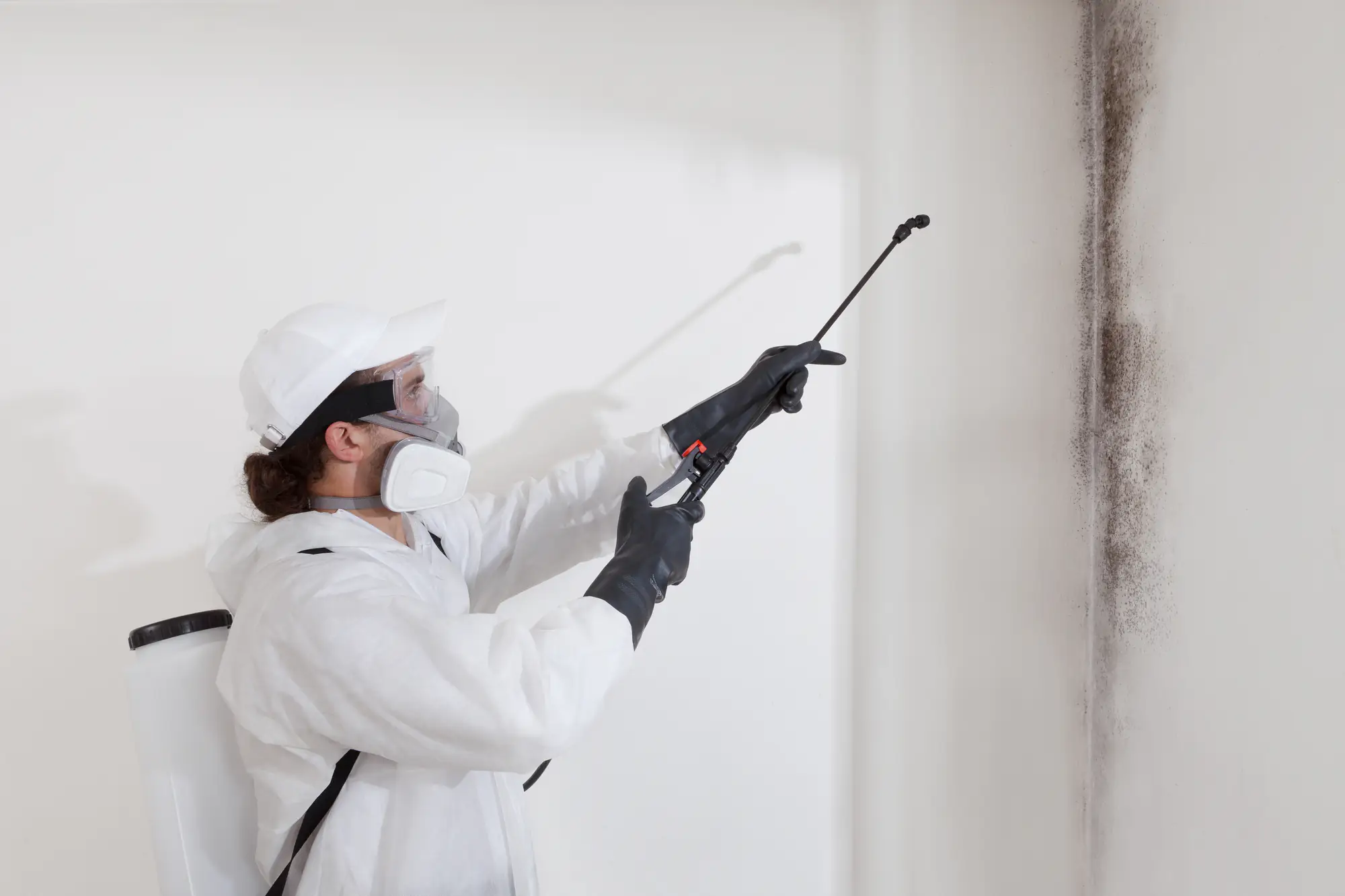
Next, we contain the affected area. Physical barriers and negative air pressure systems keep mold spores from spreading to clean parts of your home during removal. HEPA air scrubbers capture microscopic particles from the air while we work.
Then we remove contaminated materials that can’t be saved and treat salvageable surfaces with antimicrobial solutions. We fix the moisture problem—whether that’s repairing leaks, improving ventilation, or installing dehumidifiers. Mitigating black mold means addressing what caused it, not just cleaning what you can see.
Finally, we run post-remediation testing to confirm air quality is restored and the job is complete. You get documentation for your records and insurance company if needed.
Ready to get started?
You get a thorough inspection with advanced detection technology—not just a visual check. We use moisture meters and infrared cameras because mold hides in places you’d never think to look.
Professional containment keeps the problem from spreading during removal. We seal off work areas and use HEPA filtration systems to capture spores before they reach other rooms. This matters in Richland homes where older construction and Pennsylvania humidity create ideal conditions for rapid mold growth.
We identify and fix moisture sources. Leaky pipes, poor ventilation, foundation issues—whatever is feeding the mold gets addressed. That’s how you mitigate mold damage instead of just treating symptoms. We also handle antimicrobial treatment, contaminated material disposal, and air quality testing after the work is done.
You get help with insurance claims if your policy covers mold mitigation. We document everything and work directly with your insurance company to simplify the process. Most importantly, you get a solution that actually lasts because we fix what caused the problem.
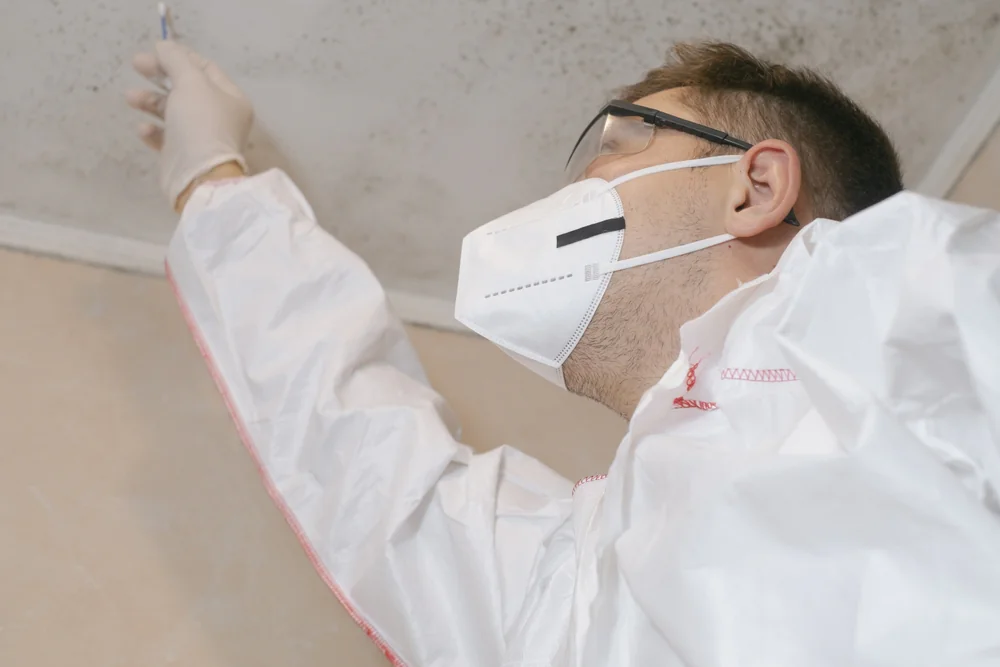
Most mold mitigation projects take between three to seven days, depending on how widespread the problem is and what’s causing it. A small bathroom mold issue might be done in two to three days. Extensive growth affecting multiple rooms or structural areas takes longer.
The timeline depends on several factors. We need time to properly contain the area, remove contaminated materials, treat surfaces, fix moisture sources, and run post-remediation testing. Rushing this process means mold comes back, which defeats the purpose.
Pennsylvania’s humid climate means drying times can be longer, especially during summer months. We use industrial dehumidifiers and air movers to speed up the process safely. You’ll know the timeline upfront after our initial inspection—no surprises.
Mold removal focuses on cleaning visible mold. Mold mitigation addresses why it’s growing in the first place and prevents it from returning. That’s a critical difference most homeowners don’t realize until they’ve paid for removal twice.
Mitigation includes identifying moisture sources, fixing leaks or ventilation problems, removing contaminated materials, treating affected areas with antimicrobial solutions, and testing air quality afterward. It’s a complete process that solves the root cause.
Removal might involve bleach and scrubbing—which doesn’t work on porous surfaces like drywall or wood. Mold roots penetrate deep into these materials. Surface cleaning leaves the problem intact. Professional mold mitigation services use proper containment, HEPA filtration, and moisture control to actually eliminate the issue.
It depends on what caused the mold. Most homeowners insurance policies cover mold mitigation if it resulted from a covered peril—like a burst pipe, storm damage, or sudden water leak. They typically don’t cover mold from long-term neglect or maintenance issues.
You need to review your specific policy. Some policies have mold coverage caps, often between $5,000 and $10,000. Others exclude mold entirely unless you’ve purchased additional coverage. We work with insurance companies regularly and can help you understand what’s covered.
We document everything during inspection and mitigation—photos, moisture readings, scope of work. This documentation supports your claim and speeds up the approval process. We’ll also communicate directly with your adjuster if needed. Many Richland homeowners are surprised to learn their policy covers more than they expected when the claim is properly documented.
It depends on the severity and location of the mold problem. Small, contained projects in one bathroom or a section of basement usually allow you to stay home. We seal off the work area with physical barriers and negative air pressure to prevent spore spread.
Extensive black mold mitigation affecting multiple rooms or your HVAC system often requires temporary relocation. This protects your family from exposure during the removal process when spore counts are highest. We’ll tell you upfront after inspection whether staying is safe.
People with respiratory issues, compromised immune systems, or young children should consider staying elsewhere even during smaller projects. Mold spores become airborne during removal despite containment measures. Your health matters more than convenience. We work quickly to minimize disruption, but we won’t compromise safety to speed up the timeline.
If you’re seeing mold repeatedly in the same spots, you need mitigation. Surface cleaning might work temporarily, but mold returns within weeks when moisture problems aren’t fixed. That’s your sign the issue is deeper than what’s visible.
You also need professional mold mitigation services if you’re dealing with more than ten square feet of growth, if mold is inside walls or HVAC systems, or if you’re experiencing health symptoms that improve when you leave home. These situations require proper containment, equipment, and moisture source elimination.
Richland’s climate creates conditions where small problems become big ones quickly. Pennsylvania humidity doesn’t evaporate easily, especially in older homes with limited ventilation. What starts as a small patch in your basement can spread throughout your home if the moisture source isn’t addressed. A free inspection tells you exactly what you’re dealing with—no guessing required.
Pennsylvania’s humid summers are the biggest factor. When humidity levels stay high for extended periods, moisture doesn’t evaporate from surfaces. Attics, basements, and crawl spaces stay damp long enough for mold to establish and spread.
Richland’s older homes often have ventilation issues, aging pipes that develop slow leaks, and foundation problems that allow water intrusion. Spring rains compound the problem—water seeps through foundations or overwhelms drainage systems. Many homes in Bucks County were built before modern moisture barriers and ventilation standards existed.
Poor bathroom and kitchen ventilation also contributes. Daily activities like showering and cooking produce moisture that needs somewhere to go. Without proper exhaust fans or air circulation, that moisture condenses on walls and ceilings. Add Pennsylvania’s climate to these factors, and you have perfect conditions for mold growth. The good news is all of these causes are fixable with proper mold mitigation.
Other Services we provide in Richland