
Hear from Our Customers
You stop worrying every time you walk past that basement wall. Your kids aren’t coughing at night anymore. The musty smell that’s been lingering for months? Gone.
That’s what happens when black mold experts handle the job completely—not just the visible spots, but the moisture problem feeding it. In Lahaska, where humid summers and damp basements are part of owning a home, mold isn’t a maybe. It’s a when.
Most homeowners try bleach first. It looks better for a week, maybe two. Then it’s back, often worse, because the root cause—water intrusion, poor ventilation, hidden leaks—never got addressed. You’re not looking for a temporary cover-up. You’re looking for someone who knows how to stop mold from taking over your $640,000+ investment and putting your family’s health at risk.
The difference between DIY and professional mold remediation isn’t just thoroughness. It’s knowing where to look, what equipment to use, and how to document everything if insurance gets involved. Homes with untreated mold lose 20-37% of their value. Homes treated correctly? They recover nearly $20,000 more at resale.
Mack’s Mold Removal is locally owned and based right here in Bucks County. We’re not a national franchise following a script. We know what Lahaska homes deal with—older construction, stone foundations that hold moisture, crawl spaces that stay damp even in July.
We’re licensed, certified, and we use the same equipment and protocols the best mold remediation companies in the state rely on: thermal imaging, moisture meters, HEPA filtration, antimicrobial treatments. But more than that, we show up when we say we will, we explain what we find, and we don’t upsell you on work you don’t need.
If you call us at 215-431-4744, you’re talking to someone who’s seen hundreds of mold situations in homes just like yours. We’ve handled everything from small bathroom mold to full basement contamination after pipe bursts. And we’ve helped homeowners navigate insurance claims when coverage applies.
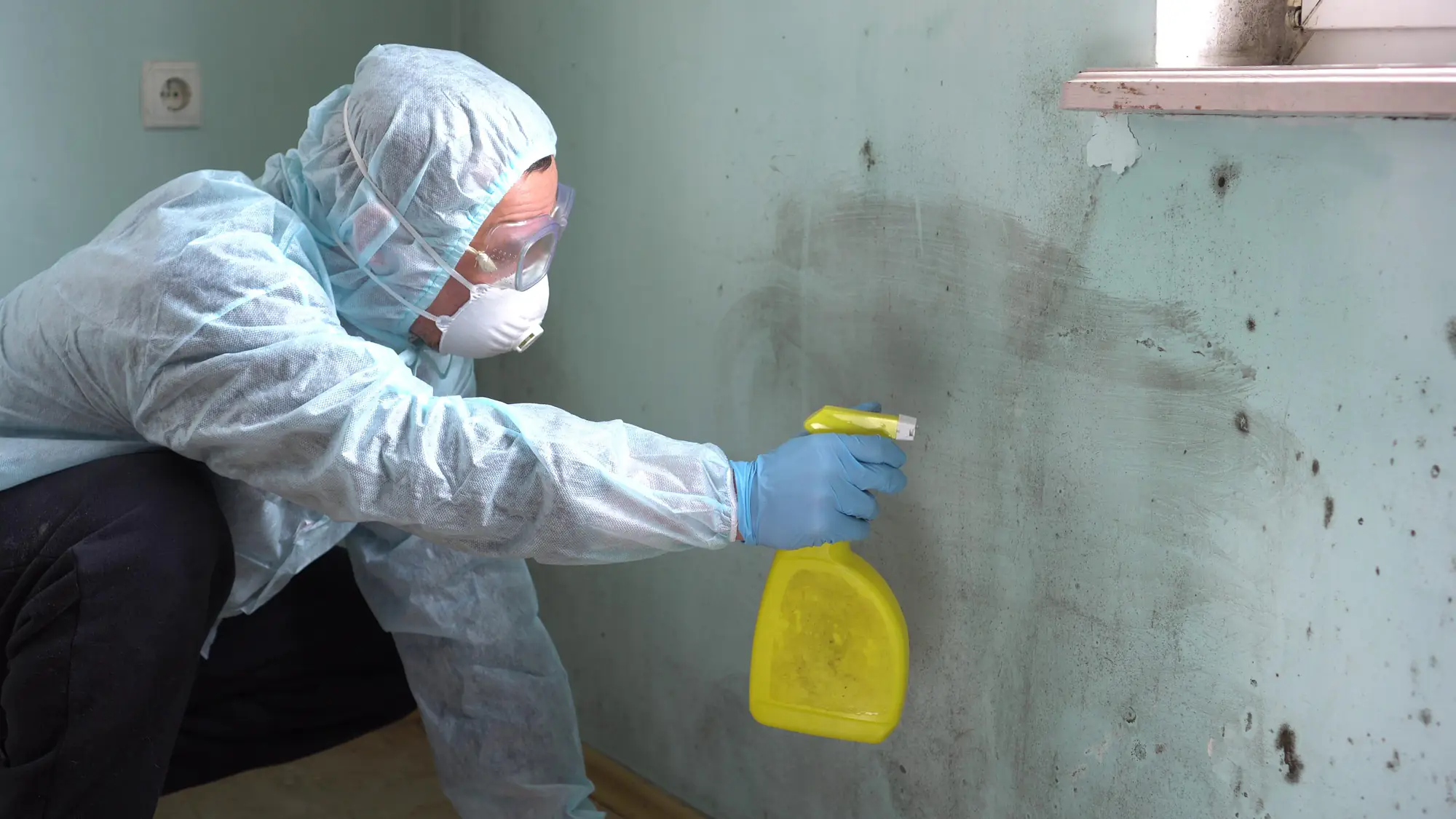
First, we come out and do a full inspection. We’re not just looking at the spot you called about—we’re checking behind walls with thermal imaging, testing moisture levels, and using air sampling if needed. Mold you can see is usually connected to mold you can’t.
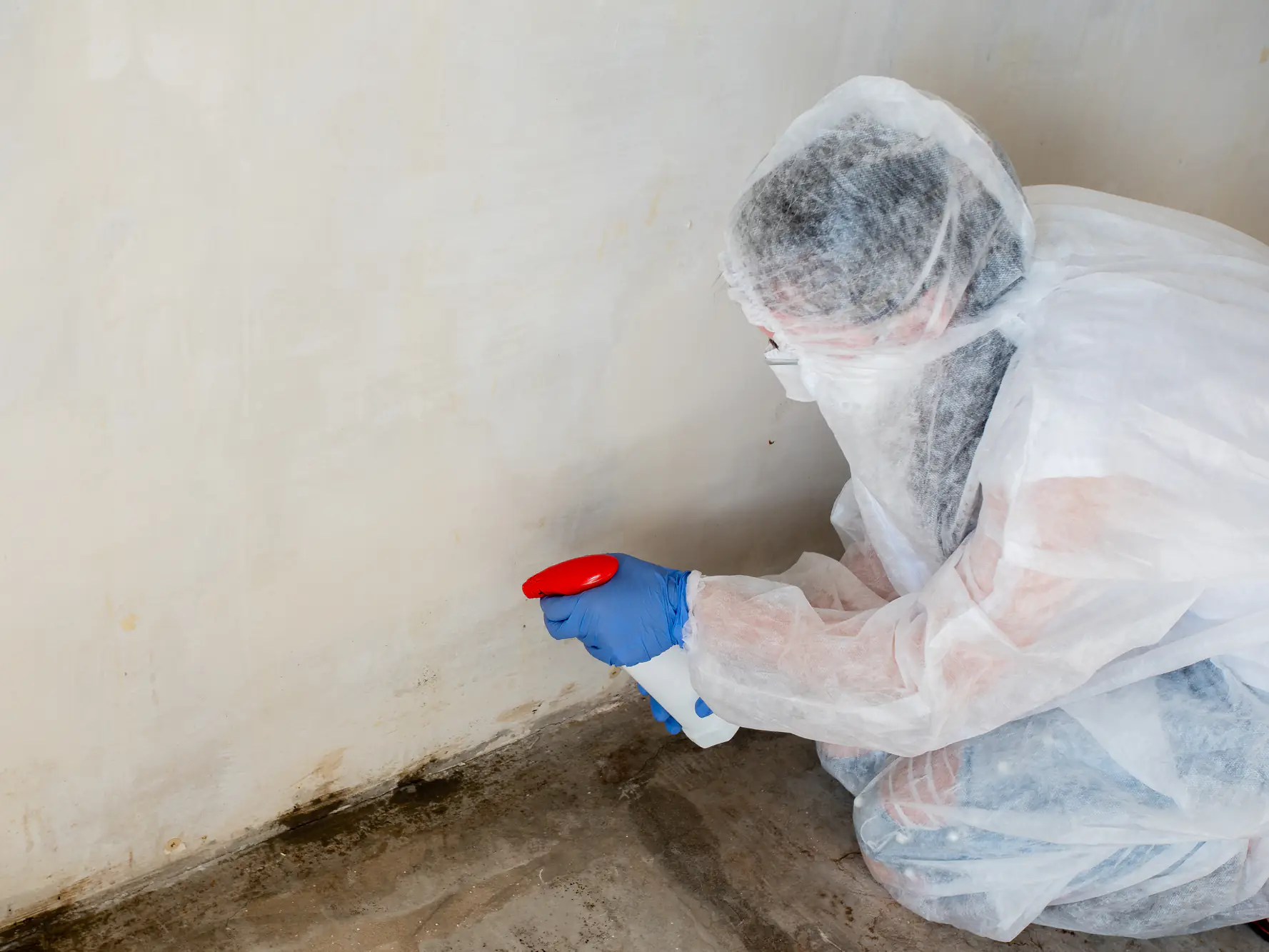
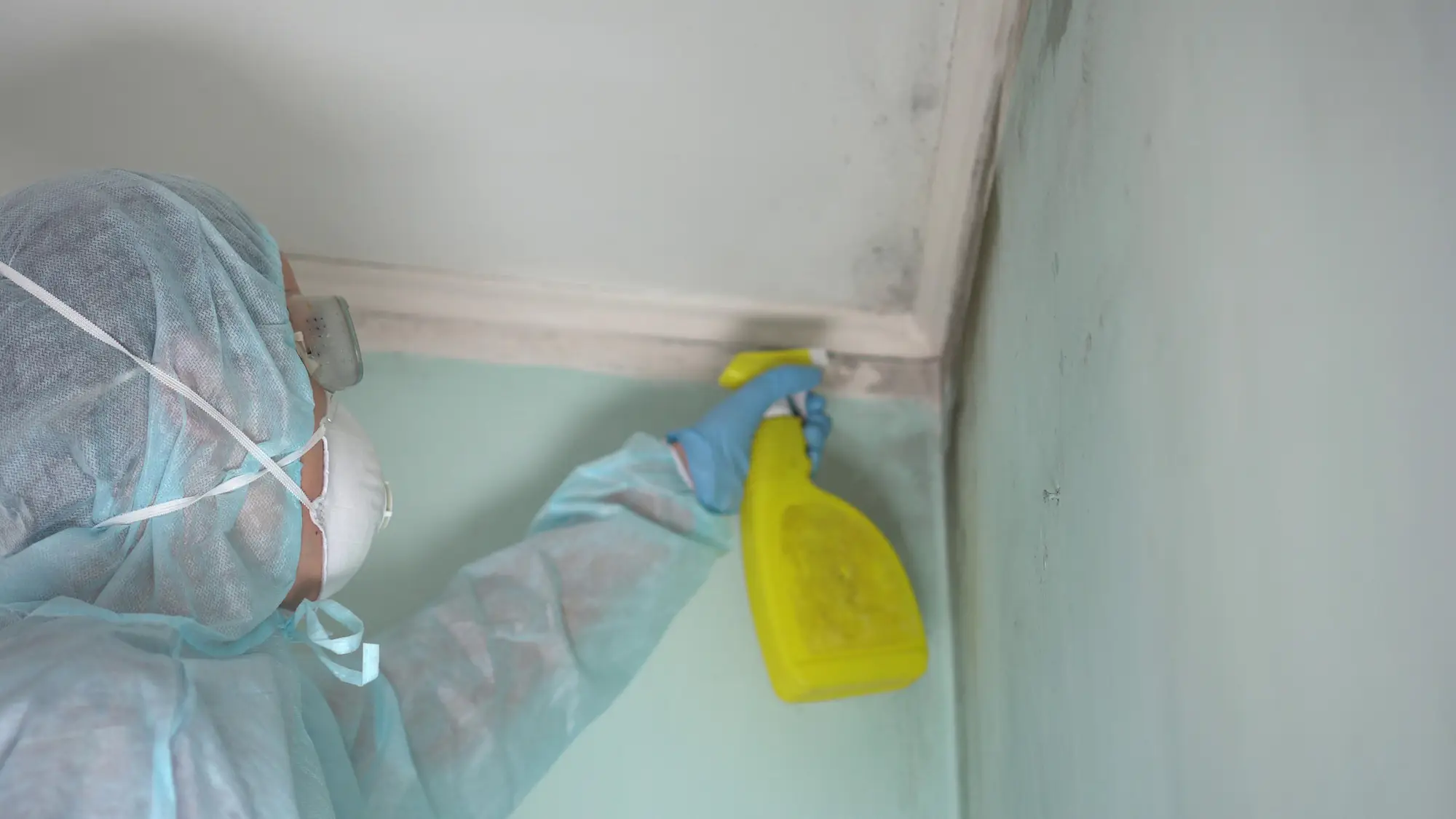
Once we know what we’re dealing with, we contain the area so spores don’t spread during removal. Then we remove contaminated materials, treat affected surfaces with antimicrobial solutions, and run HEPA filtration to clean the air. If there’s structural damage—drywall, insulation, framing—we handle that too.
The last step is fixing the moisture problem. Maybe it’s a leaky pipe, poor grading outside, or a bathroom fan that’s venting into the attic instead of outside. If we don’t address that, the mold comes back. We make sure it doesn’t.
You’ll get documentation of everything we did—photos, moisture readings, materials removed. If you’re filing an insurance claim, that paperwork matters. And if you’re selling your home, it shows the next buyer that the problem was handled correctly.
Ready to get started?
You get a full inspection with moisture mapping and thermal imaging to find hidden growth. Containment and air filtration to protect the rest of your home during removal. Complete removal of contaminated materials—drywall, insulation, flooring, whatever’s affected. HEPA vacuuming and antimicrobial treatment of all surfaces. Structural repairs to put everything back together. And a final clearance check to confirm the mold is gone.
In Lahaska, we see a lot of mold in basements with stone foundations—those old walls wick moisture like a sponge. We also see it in attics where insulation is touching the roof deck and trapping condensation. And bathrooms where the exhaust fan hasn’t worked in years. Each situation is a little different, but the process stays the same: find it, remove it, fix what caused it.
Bucks County’s climate doesn’t help. Humid summers mean your AC is working overtime, and if your home has any air leaks or ventilation issues, you’re creating the perfect environment for mold. Add in an older home—median build year in Lahaska is 1985—and you’ve got a recipe for hidden moisture problems that don’t show up until the drywall is already compromised.
We also handle emergency situations. Burst pipe? Roof leak during a storm? Water in the basement after heavy rain? Mold starts growing in 24-48 hours. The faster you call, the less damage you’re dealing with.

If the mold covers more than 10 square feet, it’s in your HVAC system, or it’s caused by contaminated water like sewage, you need a professional. That’s the EPA’s guideline, and it’s there for a reason—large or hidden mold growth releases spores that spread during removal, and you need containment and filtration to do it safely.
Even if the visible mold is small, if you’re smelling it but can’t find the source, there’s likely hidden growth behind walls, under flooring, or in your attic. Thermal imaging and moisture meters find that. Bleach and a sponge don’t.
Also, if you have health issues—asthma, allergies, respiratory problems—don’t handle mold yourself. Exposure during DIY removal can trigger serious reactions. And if you’re planning to sell your home or file an insurance claim, professional documentation matters. Buyers and insurers want proof the problem was handled correctly.
It depends on what caused the mold. If it’s from a sudden, accidental event—like a burst pipe, storm damage, or an appliance leak you didn’t know about—most policies cover it. If it’s from long-term neglect, poor maintenance, or a slow leak you ignored, probably not.
Pennsylvania insurers are strict about mold claims. They want to see that you acted quickly and that the water damage was unexpected. That’s why documentation matters—photos, moisture readings, timeline of when you discovered the problem. We help with that.
Some policies have mold coverage caps, often around $10,000. If your mold damage exceeds that, you’re paying the difference. But even partial coverage is better than nothing, especially when remediation costs can run several thousand dollars depending on the extent of contamination. If you’re not sure what your policy covers, call your agent before you call us. We can work with whatever your situation is, but knowing your coverage upfront helps you make decisions.
Most jobs take 2-5 days depending on the size of the affected area and how much structural work is needed. A small bathroom with mold around the tub? Maybe two days. A full basement with contaminated drywall and insulation? Closer to a week.
The process can’t be rushed. Containment has to stay in place while we’re removing materials. HEPA filtration runs continuously. Antimicrobial treatments need time to work. And if we’re replacing drywall or flooring, that has to dry completely before we close it up.
You can usually stay in your home during remediation as long as the affected area is contained. We seal it off with plastic barriers and negative air pressure so spores don’t spread to the rest of the house. If the contamination is severe or involves your HVAC system, we might recommend staying elsewhere for a few days, but that’s rare. We’ll tell you upfront what to expect so you can plan accordingly.
Mold removal means getting rid of visible mold. Mold remediation means removing the mold and fixing the conditions that caused it so it doesn’t come back. That’s the difference between a temporary fix and an actual solution.
You can remove mold with the right cleaning products and equipment. But if you don’t address the moisture source—the leak, the condensation, the poor ventilation—it grows back. Remediation handles both. We remove contaminated materials, treat surfaces, and then fix the underlying problem. That might mean repairing a pipe, improving ventilation, or recommending a dehumidifier for your basement.
In Lahaska, the most common moisture problems we see are foundation seepage, attic condensation, and bathroom exhaust fans that aren’t vented properly. Those aren’t mold problems—they’re building problems that cause mold. A mold removal specialist who knows what they’re doing will spot those issues during the inspection and address them as part of the job. If someone just quotes you for cleaning and doesn’t mention moisture control, they’re not fixing the problem.
Small jobs—like a bathroom or closet—usually run $1,500 to $3,000. Larger jobs involving basements, attics, or multiple rooms can range from $3,000 to $10,000+. It depends on the size of the contamination, what materials need to be removed, and how much structural repair is required.
The biggest cost drivers are labor, containment, and disposal. Removing drywall, insulation, and flooring takes time. Containment barriers and HEPA filtration aren’t cheap to set up. And contaminated materials have to be bagged and disposed of properly—you can’t just toss moldy drywall in your trash.
We give you a detailed estimate after the inspection so you know exactly what you’re paying for. No surprises, no upsells. If insurance is covering part of it, we’ll work with your adjuster to document everything they need. And if you’re paying out of pocket, we’ll prioritize what needs to happen now versus what can wait. The goal is to fix the problem correctly without putting you in a financial bind.
It can if the moisture problem isn’t fixed. Mold needs water to grow. Remove the water source, and it won’t come back. Leave a leak or condensation issue unresolved, and you’ll see mold again within months.
That’s why moisture control is part of every remediation job we do. We don’t just remove mold—we find out why it’s there and fix that too. Sometimes it’s obvious, like a leaky pipe. Other times it’s less clear, like poor attic ventilation or a grading issue outside that’s directing water toward your foundation.
We also recommend prevention steps you can take after we’re done—running a dehumidifier in your basement, fixing gutters, upgrading bathroom fans. Bucks County’s humidity isn’t going anywhere, so managing moisture is an ongoing thing. But if we do our job right and you stay on top of basic maintenance, mold shouldn’t be a recurring problem. And if it does show up again, that’s a sign something new is going on, and we’ll come back to figure out what it is.
Other Services we provide in Lahaska