

Hear from Our Customers
You stop worrying about what’s growing behind your walls. Your kids can breathe easier, especially if they’re dealing with asthma or allergies that flare up at home.
The musty smell disappears. The black spots in your bathroom or basement are actually gone—not just painted over or wiped down temporarily.
Your home value stays protected. Buyers walk away the second they see mold, and even if they don’t, inspectors will find it. Getting it handled now means you’re not scrambling later when it’s already cost you thousands in resale value or emergency repairs.
You get clarity on why it happened in the first place. Was it a slow leak? Poor ventilation? High humidity in your crawl space? Knowing the root cause means you’re not just cleaning up the same problem six months from now.
We’re locally owned and operated, and we’ve seen just about every mold situation this area throws at homeowners. Lahaska’s humidity, older homes with basements that weren’t built to today’s standards, and the way moisture creeps into crawl spaces around here—we know it.
We’re not a national franchise following a script. We’re a local mold removal company that shows up, assesses what’s actually happening, and handles it with EPA-approved methods and the right equipment.
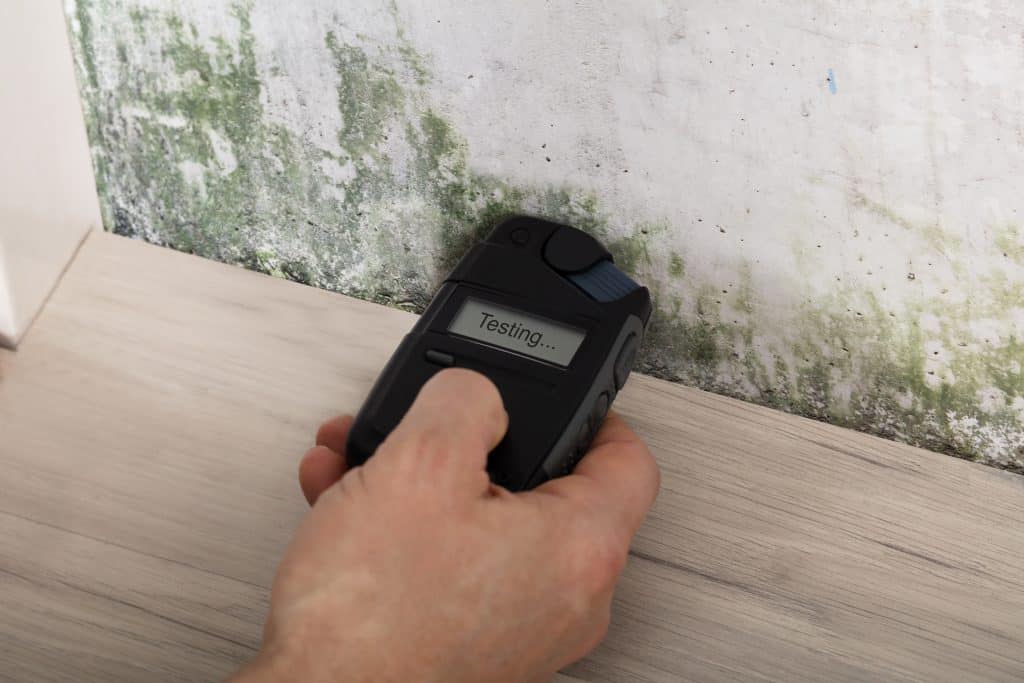
Our team includes certified mold remediation professionals who use infrared cameras and moisture meters to find growth you can’t see. We also work directly with your insurance company if your policy covers it, so you’re not navigating that process alone.

It starts with a free inspection. We come out, assess the visible mold, and use specialized equipment to detect moisture and hidden growth. You’ll know what you’re dealing with before any work begins.
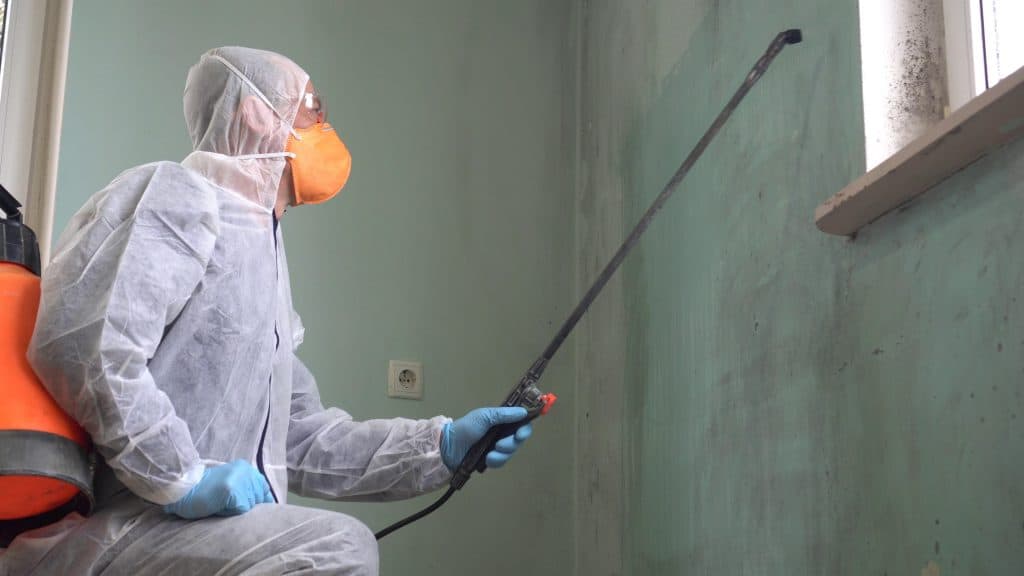
Once we identify the problem, we contain the area to prevent mold spores from spreading to other parts of your home. This step matters—mold spreads fast if it’s disturbed without proper containment.
Then we remove the mold using EPA-approved cleaning methods and equipment. If materials like drywall or insulation are too damaged, we remove and dispose of them safely. We don’t just cover it up.
After removal, we address the source. That might mean fixing a leak, improving ventilation, or recommending a dehumidifier for your basement. If we don’t fix why the mold grew, it’ll come back.
Finally, we clean and restore the area. Depending on what was removed, that could include minor repairs or full remodeling. You’re left with a space that’s safe, dry, and ready to use again.
Ready to get started?
You get a thorough mold inspection with infrared technology and moisture detection. We’re looking for the mold you can see and the mold you can’t—behind walls, under floors, in your HVAC system.
We provide containment and safe removal using professional-grade equipment. That includes air scrubbers, HEPA vacuums, and antimicrobial treatments. This isn’t a DIY bleach-and-pray situation.
In Lahaska and throughout Bucks County, basements are a major problem area. The older homes here weren’t always built with moisture barriers or proper drainage. We see mold in crawl spaces, around sump pumps, and along foundation walls all the time. If your basement stays damp, mold will keep coming back unless the underlying issue gets fixed.
We also handle attic mold, which usually comes from roof leaks or poor ventilation. Bathrooms are another common spot, especially if your exhaust fan isn’t vented outside or if grout lines are cracked and letting water seep in.
After the mold is gone, we help with repairs and restoration. We can also connect you with solutions for preventing future growth, like better ventilation or waterproofing.
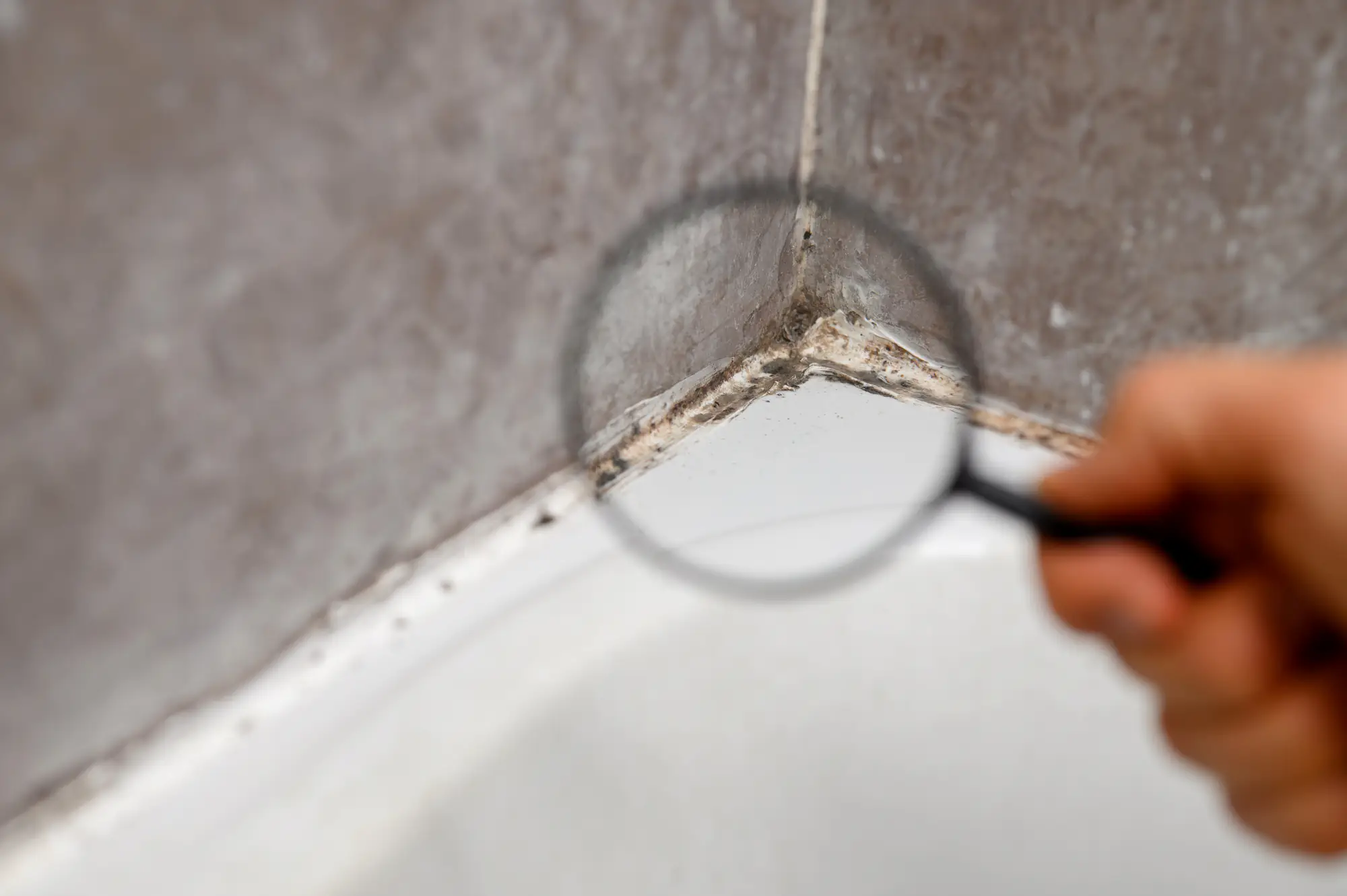
If you’re seeing black, green, or white spots on walls, ceilings, or grout, that’s mold. If you smell something musty that doesn’t go away after cleaning, there’s a good chance mold is growing somewhere you can’t see.
Normal moisture might show up as condensation on windows or a damp feeling in your basement after heavy rain. But if that moisture sticks around for more than a day or two, or if you’re noticing it regularly, you’re creating conditions where mold can grow. Mold needs about 72 hours of moisture exposure to take hold.
The tricky part is that mold often hides. It grows behind wallpaper, under flooring, inside walls near plumbing, and in HVAC ducts. You might not see it, but you’ll notice the smell or start dealing with unexplained respiratory issues. A professional mold inspection uses moisture meters and infrared cameras to find hidden growth before it becomes a bigger problem.
Bleach kills surface mold on non-porous materials like tile or glass, but it doesn’t penetrate porous surfaces like drywall, wood, or grout. So if you’re spraying bleach on a moldy wall, you’re only killing what’s on top—the roots are still there, and the mold will grow back.
Store-bought sprays have the same limitation. They might make the visible mold disappear temporarily, but they don’t address the moisture source or remove mold that’s already embedded in materials.
There’s also the issue of disturbing mold without containment. When you scrub or spray mold, you release spores into the air. Those spores spread to other areas of your home and start new colonies wherever they land on a damp surface. Professional mold removal involves containment, HEPA filtration, and safe disposal—not just surface cleaning. If the affected area is larger than about 10 square feet, or if it’s black mold, you’re better off calling a mold specialist.
It depends on the size of the affected area, the type of mold, and what’s causing it. A small bathroom mold issue might cost a few hundred dollars. A full basement remediation with structural repairs can run several thousand.
We offer free inspections. That means you’ll get an upfront assessment and pricing before any work starts. We’re not showing up and surprising you with a bill.
If your mold problem is caused by a covered event—like a burst pipe or sudden water damage—your homeowner’s insurance might cover remediation costs. We work with insurance companies regularly and can help you navigate the claims process. It’s worth checking your policy. Even if insurance doesn’t cover it, we offer financing options to make the work manageable. The cost of ignoring mold is almost always higher. It spreads, damages your home, and can drop your property value by thousands when it’s time to sell.
Mold removal refers to physically getting rid of visible mold growth. Mold remediation is a more complete process—it includes removal, but also addresses the moisture problem causing the mold and restores your home to safe conditions.
True remediation means we’re not just scrubbing away what you can see. We’re identifying why the mold grew, fixing that issue, and making sure spores don’t spread during the cleanup. It’s containment, removal, treatment, and prevention all in one process.
Some companies will use “mold removal” and “mold remediation” interchangeably, but if someone’s only offering to remove the mold without addressing the source, you’re going to have the same problem again in a few months. We’ll tell you what caused it—whether that’s a leaky pipe, poor ventilation, high indoor humidity, or a roof issue—and help you fix it so it doesn’t come back.
A small, contained area like a bathroom or closet might take one to two days. A larger project—like a full basement or multiple rooms—can take three to five days, sometimes longer if there’s structural damage or if we’re waiting on materials to dry out before we can rebuild.
The timeline depends on the extent of the mold, what’s causing it, and how much material needs to be removed. If drywall or insulation is compromised, we have to remove it, treat the area, let it dry completely, and then restore it.
We’ll give you a clear timeline during the inspection. Most jobs follow a predictable flow: containment and removal happen first, then drying and treatment, then restoration. If you need emergency service—say, after a flood or major leak—we’re available 24/7 and can start containment right away to prevent the mold from spreading while we plan the full remediation.
Not if the moisture problem is fixed. Mold needs water to grow. If we remove the mold but don’t address the leak, the humidity issue, or the ventilation problem, then yes, it’ll come back.
That’s why professional mold remediation includes identifying and fixing the root cause. We’re not just treating the symptom. If your basement floods every spring, we’ll talk about drainage or waterproofing. If your bathroom has mold because the exhaust fan vents into the attic instead of outside, we’ll point that out.
Once the source is handled and the mold is properly removed, it shouldn’t return—as long as you keep humidity levels in check and address any new leaks or water damage quickly. We recommend keeping indoor humidity below 60 percent, ideally between 30 and 50 percent. A dehumidifier in the basement or crawl space can make a big difference, especially in Bucks County where humidity runs high during the summer.
Other Services we provide in Lahaska